

The majority of offshore encounters with mahi-mahi involve school-sized fish, typically ranging from 5 to 15 pounds. This fundamental reality dictates the primary filter for lure selection. An oversized marlin lure often intimidates this class of fish, reducing strike rates and compromising the effectiveness of your spread. Therefore, choosing the Best Mahi Lures begins with a disciplined approach to size, speed, and visibility, forming a strategic foundation for consistent success.
Core Principles for Selecting the Best Mahi Lures
Success in offshore trolling for mahi is not a matter of chance. It is the result of a systematic approach grounded in proven principles. The first and most critical consideration is lure size. Matching your lure profile to the target species is paramount, and for schoolie dolphin, smaller profiles consistently outperform oversized offerings. Anglers can explore our curated selections to find options tailored for specific game fish, ensuring the presentation is appropriate for the intended target.
With size addressed, the next factor is trolling speed. The professional standard for mahi is a consistent 6 to 8 knots. This speed range is optimal because it allows most lures to achieve their designed action, whether it is a wobble, smoke trail, or surface splash. It also enables natural tracking for skirted lures and bait combinations, presenting a realistic and enticing target. Deviating too far from this window can cause lures to spin out or fail to perform, rendering them ineffective.
Finally, lure visibility and color play a decisive role. In the clear, sunlit offshore waters where mahi thrive, high-contrast mahi lure colors trigger aggressive reaction strikes. Bright patterns like chartreuse, flamingo pink, and classic blue and white combinations are exceptionally effective. These colors stand out against the vast blue backdrop of the open ocean. Conversely, in low-light conditions or murky water, natural baitfish patterns can provide a more subtle and convincing presentation. The hierarchy of selection is clear: an angler’s primary considerations must be size, then speed, and finally visibility. These factors form the basis of a successful presentation for the best lures for dolphin fish.
Top-Performing Lure Categories for Mahi
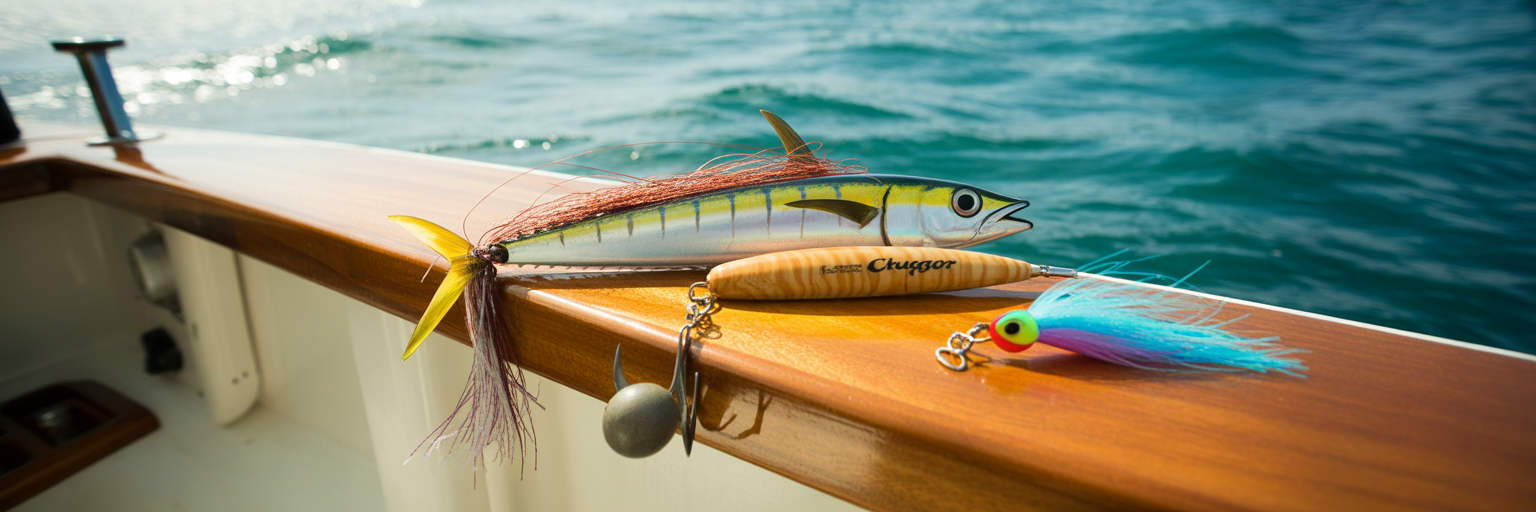
Transitioning from foundational principles to practical application, several lure categories have demonstrated consistent performance for mahi-mahi. These are not specific brands but proven types of lures, each effective due to its unique mechanics and presentation in the water. A well-rounded spread incorporates a mix of these top performers to appeal to dolphin in various moods and conditions.
- Skirted Ballyhoo Rigs: This classic combination remains a staple for a reason. Paired with a chugger or sea witch-style head, the rig delivers a powerful mix of scent from the natural bait, visual flash from a quality skirt, and surface commotion that draws fish in from a distance.
- Cedar Plugs: A non-negotiable component of any serious mahi spread, cedar plugs are renowned for their durability and erratic, darting action. This unpredictable movement has proven effective for decades on all sizes of dolphin fish, triggering strikes when other lures will not.
- Small, Compact Skirted Lures & Feather Jigs: These lures excel in the short rigger or flat line positions, where they mimic the small baitfish and squid that mahi frequently hunt along weedlines and temperature breaks. The unmatched flash of abalone resin designs, such as our Flamingo Abalone Bullet Lure, is engineered specifically for this purpose, creating a vibrant target that is difficult for mahi to ignore.
- Emerging Lure Innovations for 2026: The industry continues to refine lure design. As noted by professional captains in a 2026 trends report from Bluewater Candy, there is a clear trend toward lures with built-in tail action, which reduces the need for meat strips. Additionally, the use of multi-lure chains and teasers to simulate a bait school is becoming a standard tactic for enhancing a spread's drawing power.
Structuring a High-Performance Trolling Spread
A well-structured mahi trolling spread setup is a critical component of high-performance angling. The core logic is to vary lure distances and depths to cover different water columns and, just as importantly, prevent tangles during turns. This systematic placement ensures that each lure runs in clean water, maximizing its action and visibility. A key element of this strategy is the 'shotgun' position, set far back from the boat at 175 to 250 feet. This lure targets boat-shy fish that may be wary of the vessel's wake.
The general rule for placement is to run deeper-diving plugs or heavier lures on the shorter flat lines, closer to the transom. Lighter, surface-action lures are then positioned on the outriggers and in the long shotgun position. This arrangement creates a layered presentation that covers a wide area both horizontally and vertically. An authoritative guide from The Tackle Room confirms that varying distances and depths is a professional standard for maximizing effectiveness. Anglers looking to build out a complete and effective spread can find lures suitable for every position in our comprehensive collection.
Example Five-Line Offshore Trolling Spread for Mahi
| Position | Lure Type | Distance from Transom | Action/Purpose |
|---|---|---|---|
| Short Corner (Flat Line) | Deeper Diving Plug or Heavy Skirted Lure | ~50-75 feet | Targets fish in the prop wash, runs deeper. |
| Long Corner (Flat Line) | Skirted Ballyhoo with Chugger Head | ~100-125 feet | Creates surface commotion just outside the main wash. |
| Short Rigger | Small Skirted Lure or Feather Jig | ~150-175 feet | Mimics small baitfish in cleaner water. |
| Long Rigger | Cedar Plug or Medium Skirted Lure | ~200-225 feet | Provides an erratic action further back in the spread. |
| Shotgun | Small, Lightweight Lure (e.g., Bullet Head) | ~250+ feet | Targets wary, boat-shy fish in undisturbed water. |
This table outlines a standard, proven spread for offshore trolling for mahi. Distances are approximate and should be adjusted based on sea conditions and boat size to ensure lures run correctly and avoid tangles.
Advanced Tactics and Common Problem Avoidance
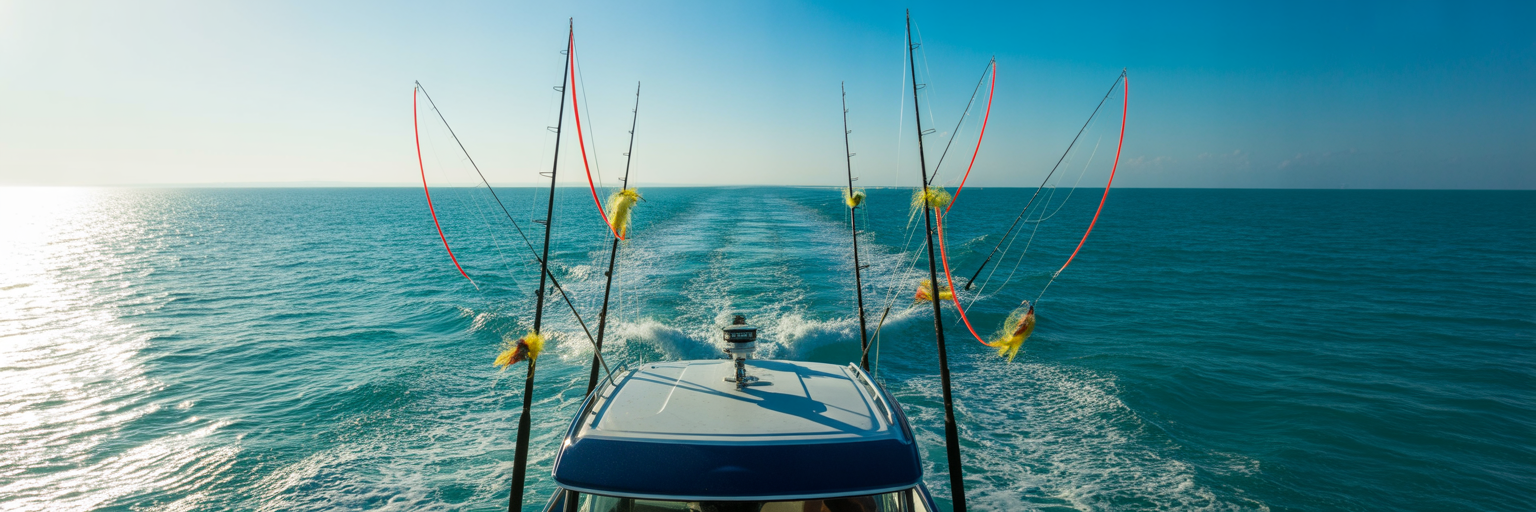
Executing a flawless trolling strategy requires more than just proper lure selection and spread placement. The nuances of on-the-water execution separate proficient anglers from true experts. Mastering these advanced tactics minimizes common frustrations and maximizes opportunities when they arise.
- Mastering Line Management: The most common issue in trolling is tangled lines. This is almost always preventable. By adhering to the principle of setting deeper-diving lures on shorter lines and methodically staggering distances, you maintain a clean pattern. This discipline is especially critical in rough seas, where boat motion can cause lures to cross.
- Optimizing Terminal Tackle: For mahi, the professional standard is a single J-hook. While treble hooks are common on some plugs, single hooks offer a superior hookup-to-landing ratio. They provide a more secure connection during a fight and significantly increase angler safety during the de-hooking process. This choice reflects a commitment to efficiency and safety.
- Adapting to Structure: When you encounter high-probability structures like weedlines, current rips, or floating debris, your strategy must adapt. Instead of making a single pass, tighten the spread to reduce the turning radius and make repeated, controlled passes along the structure. This technique allows you to thoroughly work the productive zone where mahi congregate.
Ultimately, success in offshore trolling for mahi is not achieved with a single "magic" lure. It is the synergy between proper lure selection based on proven principles, a well-engineered spread, and the technical skill to adapt to changing conditions. Investing in high-quality, durable lures, such as those in our large resin collection, ensures your gear can withstand aggressive strikes and perform consistently, trip after trip.