Ocean currents are the single most important factor in offshore lure placement, determining where baitfish concentrate and where predators feed. Understanding how currents affect offshore lure placement separates anglers who consistently boat fish from those who cover miles of empty water. Currents create structure in open water through eddies, upwelling zones, and current seams. These features pull baitfish into predictable locations, and your lures need to be exactly there. This guide covers the mechanics of current-driven fish location, from vertical upwelling around seamounts to the productive seams of the Gulf Stream.
How currents affect offshore lure placement around structure
Offshore structures like seamounts, ridges, and wrecks do not just hold fish. They redirect current, and that redirection is what actually concentrates bait and predators. Currents accelerate around these features, creating vertical flows including upwelling on the upcurrent face and downdrafts on the lee side. These flows push nutrients and baitfish to mid-depths above the structure, not directly on the bottom.
Fish position themselves in the current column above or beside structure, not on it. This is the detail most anglers miss. Dropping a lure to the bottom near a wreck in moving water puts you below the fish. The productive zone is typically 20–60 feet above the structure, where bait suspends in the upwelling column.
Horizontal placement matters just as much as depth. The upcurrent shoulder of a seamount or ridge is where upwelling is strongest and bait concentrates first. The downcurrent side creates a low-pressure eddy that traps baitfish swept off the structure. Both zones deserve attention, but they require different lure depths and approaches.
- Upcurrent face: Target mid-depth with lighter lures that ride the upwelling column naturally.
- Downcurrent eddy: Fish deeper with weighted lures, as bait tumbles into calmer water here.
- Current column above structure: Use planers or divers to hold lures at the exact depth where bait suspends.
- Lateral shoulders: Troll parallel to the structure edge rather than over it to stay in the productive zone longer.
Experienced anglers read current flow around three-dimensional structure rather than simply marking fish on sonar. The flow pattern tells you where fish will be before you mark them.
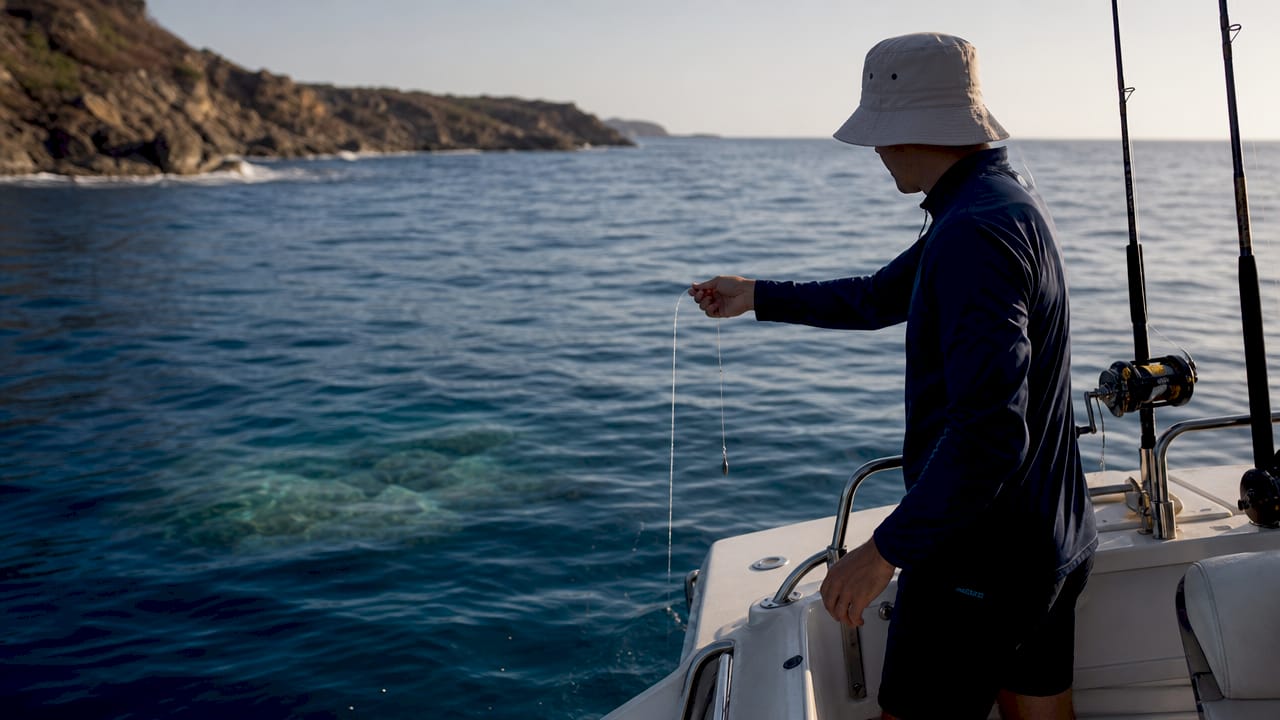
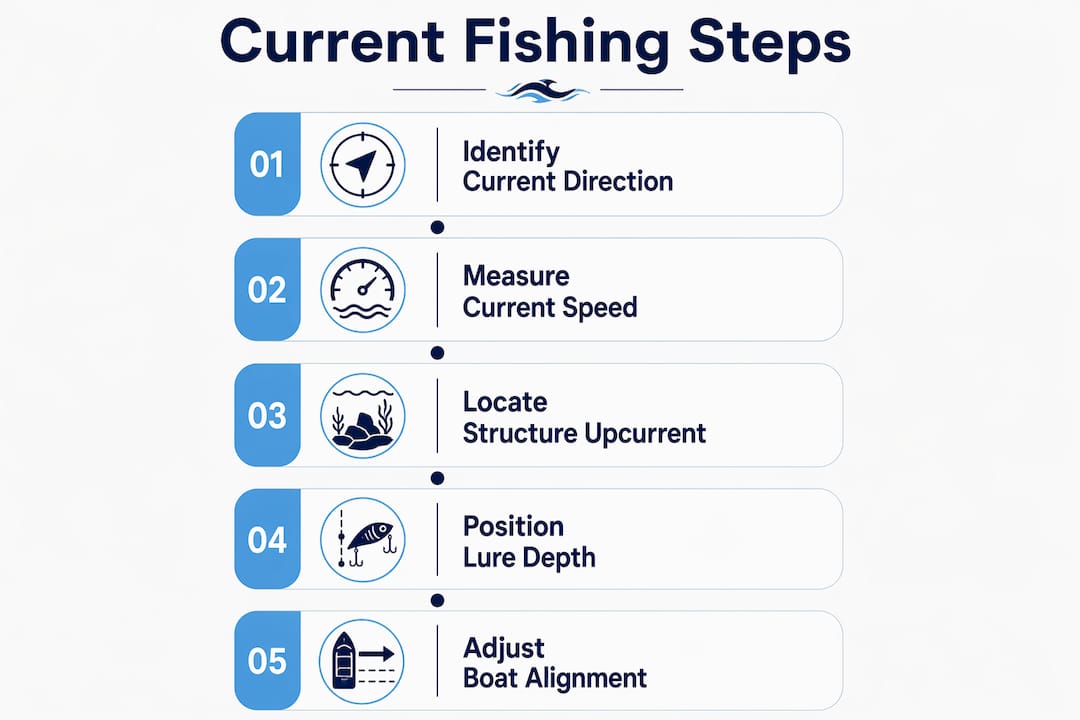
Pro Tip: Drop a weighted line or watch your outrigger angle to gauge current direction and speed before you set your spread. The current tells you where to start.
Why fishing current edges and seams improves lure effectiveness
Current seams are defined as the boundary zones where water of different speeds or directions meets. These edges act as feeding lanes because fast water carries food while slow water gives fish a place to hold and eat without burning energy. Bait travels along these edges rather than crossing them, which concentrates predators in a narrow, predictable strip.
Running trolling passes parallel to a current seam keeps your lures in productive water far longer than crossing it perpendicularly. A perpendicular pass might put your lure in the strike zone for 30 seconds. A parallel pass along a half-mile seam can keep it there for several minutes. That difference in exposure time directly translates to more strikes.
Temperature breaks and color changes in the water almost always align with current seams. A line where blue water meets green water is a current boundary. So is a sharp temperature change you can feel by dragging your hand in the water. Where temperature breaks coincide with color changes, you have a double edge. Add bottom structure beneath it and you have the highest-probability offshore fishing zone that exists.
Seams are not always straight. Look for these productive irregularities:
- Bends and curves in the seam where bait accumulates on the inside of the turn, similar to how a river bend traps debris.
- Pockets and indentations where the seam pulls back, creating a calm water refuge that bait schools use.
- Weed lines and floating debris that collect along the seam and signal bait concentration beneath.
- Color change intersections where two seams cross, creating a focal point for feeding fish.
Use your first pass along a seam to locate hotspots rather than committing to a single spot. Once you mark fish or see surface activity, tighten your pattern to that section.
| Seam Feature | What It Signals | Lure Tactic |
|---|---|---|
| Temperature break | Current boundary, bait concentration | Troll parallel, medium depth |
| Color change | Nutrient-rich water edge | Run lures on the dark water side |
| Floating weed line | Bait shelter, predator ambush zone | Work lures along and just under the weed |
| Double edge (temp + color) | Peak feeding zone | Concentrate passes here first |
How to adjust lure depth and position based on current strength
Current strength dictates where fish hold and how you need to present your lure. Moderate currents of 1–2 knots push upwelling that concentrates baitfish on the upcurrent face and shoulders of offshore structure. These are your primary trolling targets in moderate conditions. Lighter lures and standard leader lengths work well here because the upwelling itself carries bait to mid-depth.
Heavy currents above 2 knots change everything. Bait gets swept off the upcurrent face and tumbles into the calmer water downcurrent. The productive zone shifts to the lee side of structure and the turbulence seams behind it. Your lure needs to get down into that calmer water, which means adding weight.
- In moderate current (1–2 knots): Focus on upcurrent shoulders. Use lures with natural buoyancy that ride the upwelling column. Standard leader lengths work.
- In heavy current (2+ knots): Move to the downcurrent side. Use heavier weights, shorten leaders, and deploy planers or deep-diving plugs to keep lures in the strike zone.
- In slack current: Fish become less predictable. Target structure edges and wait for current to pick up before committing to a spread.
- Vertical targeting: Vertical current flow requires multi-depth targeting using planers and divers set at different depths simultaneously to cover the full water column where bait suspends.
Boat positioning is the variable most anglers get wrong. Current determines where fish face and how bait moves. Wind affects your boat handling, not fish behavior. Aligning your approach with current direction rather than wind produces a more natural lure presentation and puts your spread in front of fish that are already facing into the flow.
Pro Tip: When wind and current conflict, use your trolling motor or adjust throttle to maintain a current-aligned heading. A lure swimming with the current looks like fleeing bait. A lure fighting the wind looks like nothing in nature.
How the Gulf Stream and offshore rips concentrate fish
The Gulf Stream off Florida is the most studied and most productive current system in American offshore fishing. It creates a steady northbound current that forms sharp edges where warm blue water meets cooler coastal water. These edges act as highways for pelagic species including tuna, mahi-mahi, wahoo, and marlin. The fish are not randomly distributed along the Gulf Stream. They stack on the edges.
Currents drive the distribution of plankton and forage fish by concentrating them in predictable flow zones. This ecological mechanism is why the Gulf Stream edge consistently produces fish. The current aggregates the entire food chain in a narrow band, and predators follow.
Practical tactics for fishing Gulf Stream edges and offshore rips:
- Find the color change first. The blue-green boundary is visible from the boat and marks the current edge precisely.
- Look for weed lines and floating debris. These collect along current breaks and shelter bait beneath them. Mahi-mahi in particular hold tight to floating structure.
- Work the inside edge of the current. The slower water on the coastal side of the Gulf Stream edge holds fish that are actively feeding without fighting the full current force.
- Target rip lines after tidal changes. The impact of tides on lure placement is most visible at rip lines, where tidal flow meets the Gulf Stream and creates short-lived but highly productive feeding windows.
- Use the fish species directory to match lure selection to the species most active on the edge you are fishing. Tuna and wahoo respond differently to lure size and speed than mahi-mahi.
Understanding local current patterns lets you anticipate where fish will be before you reach the fishing grounds. Charts showing the Gulf Stream position, available through NOAA and satellite sea surface temperature services, give you a starting point before you leave the dock.
Key Takeaways
Offshore lure placement is determined by current direction, strength, and the three-dimensional flow patterns currents create around structure and seams.
| Point | Details |
|---|---|
| Fish hold above structure | Target 20–60 feet above seamounts and ridges where upwelling suspends bait, not the bottom. |
| Troll parallel to seams | Running lures along current edges keeps them in the strike zone far longer than crossing perpendicularly. |
| Adjust for current strength | Moderate currents favor upcurrent shoulders; heavy currents shift productive zones to the downcurrent side. |
| Align with current, not wind | Boat positioning based on current direction produces a natural lure presentation that fish respond to. |
| Gulf Stream edges are highways | Pelagic species stack on current boundaries where warm and cool water meet, not in open water. |
What most anglers still get wrong about current fishing
Most anglers I talk to think about current horizontally. They look at the surface, see which way the water is moving, and adjust their trolling direction. That is a start, but it misses half the picture. Vertical current effects are where the real fish-finding advantage lives, and almost nobody accounts for them until they have spent years getting it wrong.
The upwelling on the upcurrent face of a seamount can push bait 40 feet off the bottom in a column that moves and shifts with current speed. If you are trolling at 15 feet because that is where your chart says the structure tops out, you are fishing below the fish. I have watched anglers mark bait at 35 feet on the sonar and still run their lures at 10 feet because they did not connect the upwelling to the bait position.
The other mistake is chasing seams by crossing them. You see the color change, you drive through it, and you wonder why you did not get a strike. The fish are on the edge, not in the middle of either water mass. One parallel pass along that seam is worth ten perpendicular crossings. Patience and real-time adjustment, watching your sonar, watching the water color, watching your outrigger angle, are what separate consistent producers from lucky ones.
— Daniel
K2fishing lures built for current fishing conditions
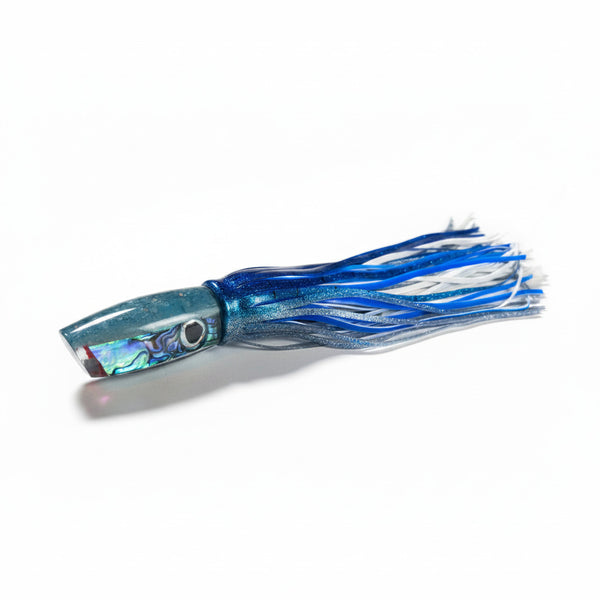
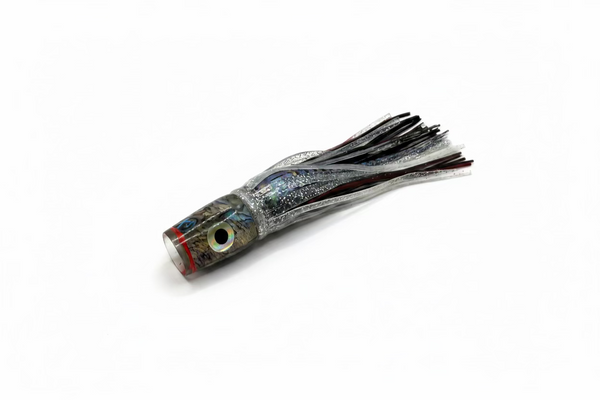
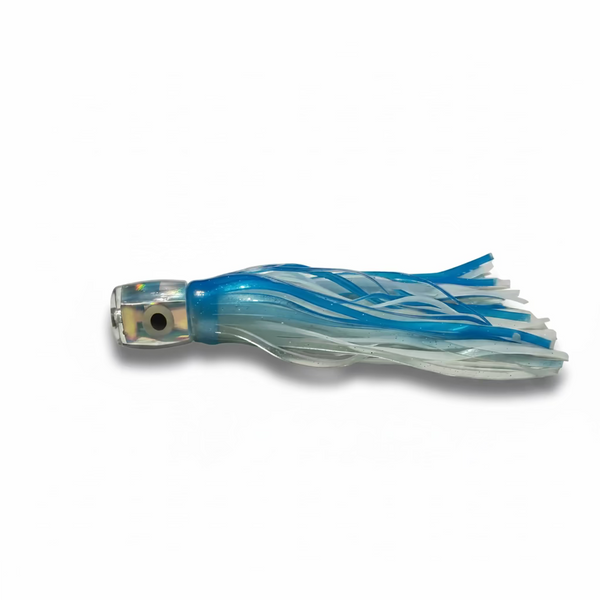
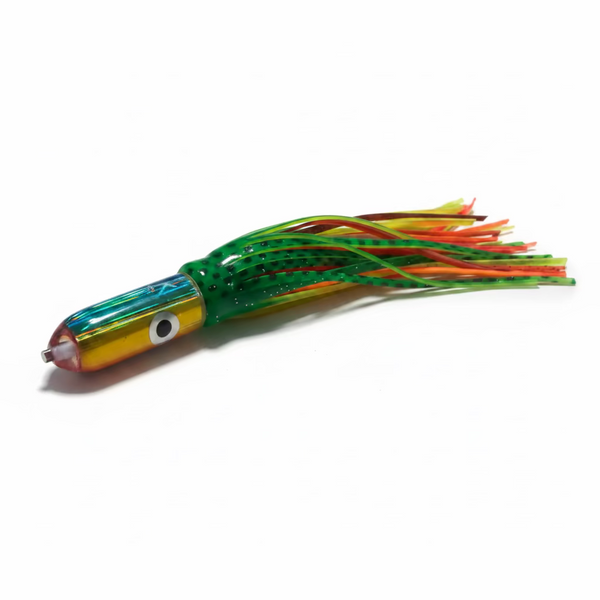
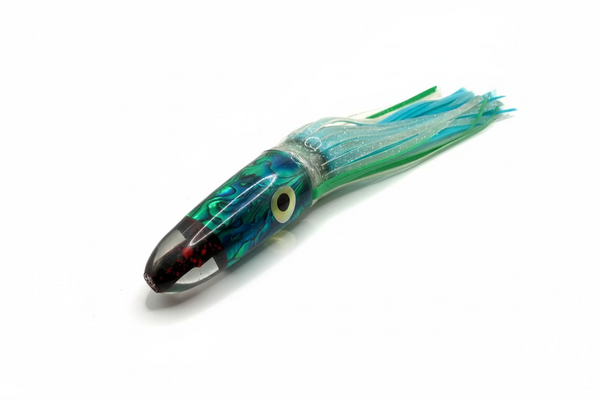
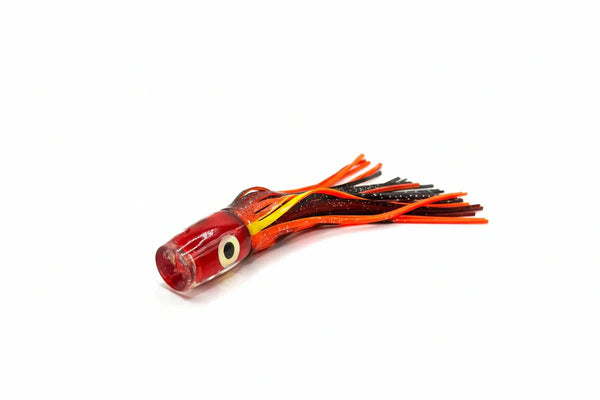
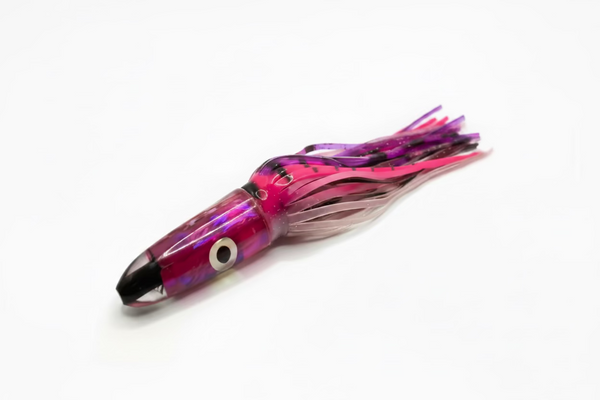
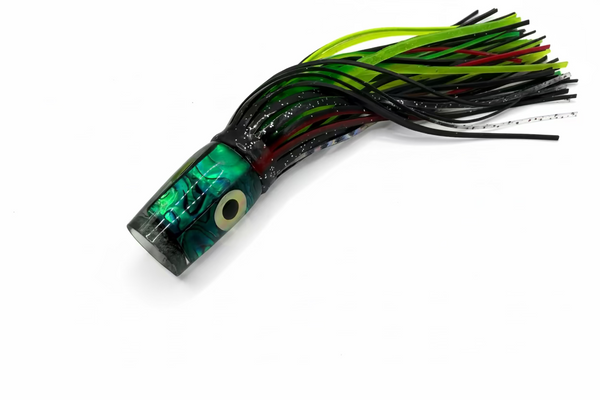
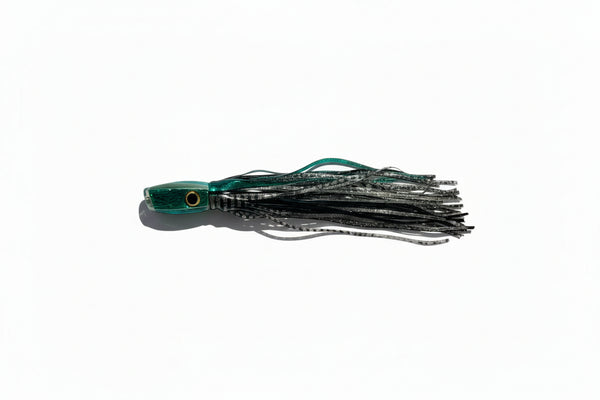
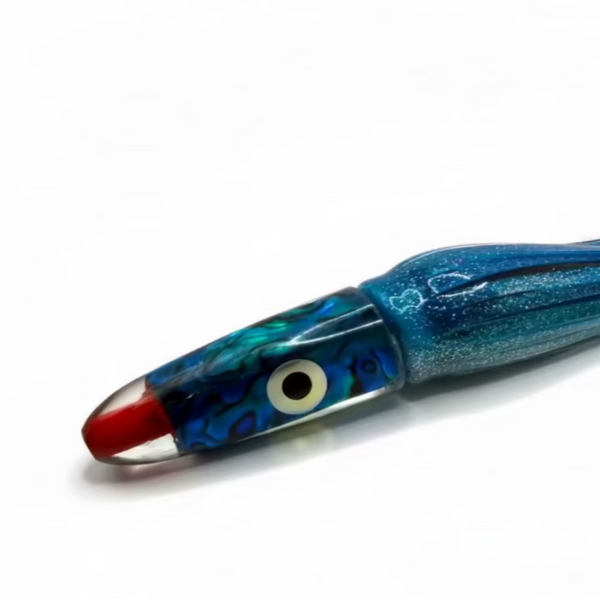
Fishing current seams and upwelling zones demands lures that perform across a range of depths and current speeds. K2fishing handcrafts its offshore trolling lures in the USA using abalone resin, which produces the kind of flash and brightness that triggers strikes in both clear blue water and the stained water found along current edges. The lure lineup includes multiple sizes and weights, from 7.5-inch medium lures suited to seam trolling to 15-inch large abalone lures built for heavy-current conditions where you need mass to hold depth. Every lure is tested in real offshore conditions. For detailed guidance on matching lure size and weight to current conditions, the offshore lure FAQ covers the most common questions anglers ask before heading out.
FAQ
How do currents affect where fish hold offshore?
Currents concentrate baitfish around structure and along seams where water speed changes, and predators follow the bait. Fish typically hold above structure in the upwelling column or along current edges rather than in open water.
What is the best lure placement in a strong current?
In currents above 2 knots, shift to the downcurrent side of structure and use heavier weights, shorter leaders, and planers or deep-diving lures to keep your bait in the strike zone.
Should I troll with or against the current?
Align your boat with the current direction rather than the wind. Current determines fish facing and bait movement, so trolling with the current produces a more natural lure presentation.
Why are current seams the most productive offshore zones?
Current seams act as feeding lanes because fast water delivers food while slow water lets fish hold and feed without burning energy. Bait concentrates along these edges, and predators follow.
How does the Gulf Stream affect offshore lure placement near Florida?
The Gulf Stream creates a sharp current edge where warm blue water meets cooler coastal water. These boundaries concentrate pelagic species like tuna and mahi-mahi, making the inside edge of the current the highest-probability trolling zone.