

The performance of premium trolling lures is directly tied to their condition. For the serious angler, meticulous care is not an afterthought but a critical component of a successful offshore program. The first thirty minutes after returning to the dock are the most important for effective offshore trolling lure maintenance. This immediate attention prevents the corrosive effects of saltwater from degrading high-performance materials, ensuring your investment remains effective trip after trip. Diligent maintenance preserves the lure's integrity and guarantees it performs exactly as designed when targeting trophy game fish.
Immediate Post-Trip Care for Trolling Lures
Saltwater is relentlessly corrosive. Allowing it to dry on your gear initiates a process of degradation that can permanently damage lure heads, skirts, and rigging hardware. Implementing a strict post-trip cleaning protocol is a non-negotiable standard for any professional operation. This simple yet vital routine neutralizes salt and removes organic matter before it can cause lasting harm.
Follow this three-step process immediately upon returning from the water:
- Initial Rinse Protocol: Thoroughly rinse each lure with fresh water. Ensure the stream penetrates deep into the skirts and flushes out any salt residue from the lure head and leader connections. This initial wash removes the most abrasive salt crystals.
- Deep Cleaning Skirts: Once rinsed, address any accumulated slime or bait residue. The correct way for how to clean fishing lures involves a gentle wash with a mild, non-detergent soap and warm water. Agitate the skirts with your fingers to dislodge foreign material, then rinse completely.
- Hardware Inspection and Drying: After cleaning, inspect all metal components, including hooks, swivels, and crimps, for any early signs of rust. Finally, hang the lures to air dry completely. Never dry them in direct sunlight, as this can cause trapped moisture to steam and accelerate corrosion within the lure head.
Advanced Skirt Rejuvenation Methods
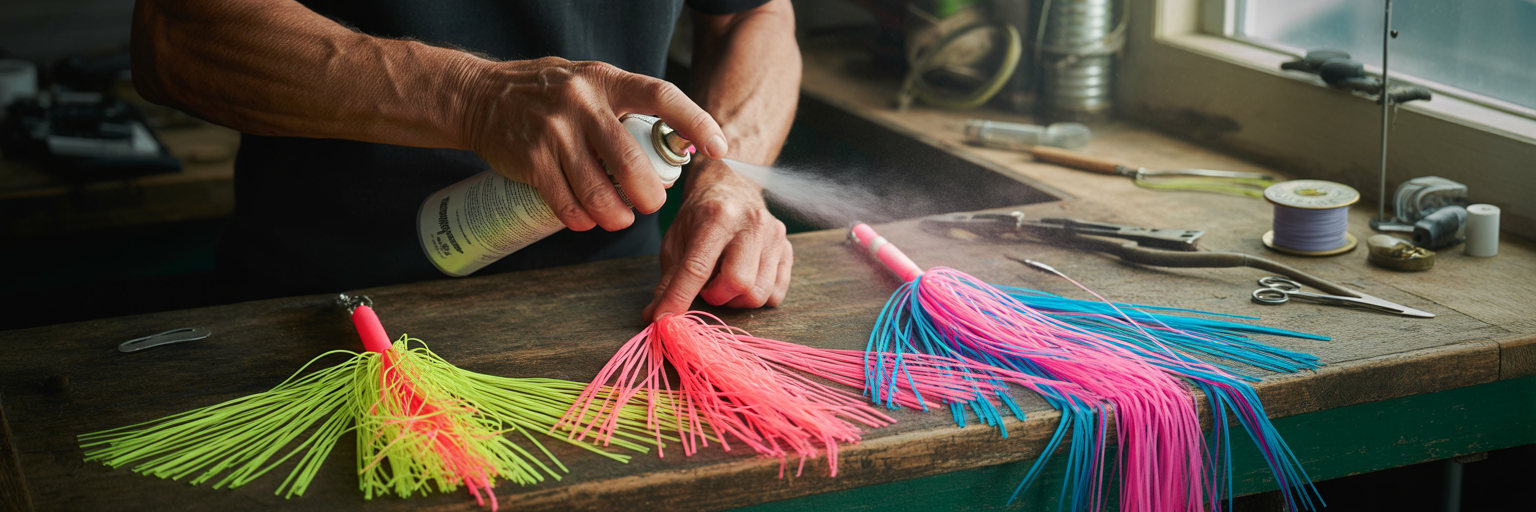
Beyond routine cleaning, advanced restoration techniques can reverse the signs of wear and restore the original action to your lure skirts. This level of care is what separates functional gear from high-performance equipment, especially for lures with vibrant skirts engineered to attract specific species like those found in our species-specific collections.
Understanding Skirt Degradation
Over time, the plasticizers that keep vinyl and silicone skirts flexible can migrate to the surface. This process results in a sticky film that causes skirts to clump together, severely diminishing the lure's pulsating action in the water. Proper rejuvenation addresses this at a material level.
The Hot Water Treatment
A proven method for restoring skirt vitality is a controlled hot water bath. This technique is a well-known trick among experienced crews, a tip even shared in publications like Lahaina News. Bring a pot of water to a boil and then remove it from the heat. Submerge the lure’s skirt for approximately 60 seconds, gently agitating it. The heat helps release the migrated plasticizers and allows the strands to separate. Remove the lure and lay the skirt flat to cool and dry, which resets its shape and restores its intended movement.
Proper Silicone Application
After the skirt is clean and dry, a light application of pure silicone spray can rejuvenate its texture and protect it from future degradation. It is critical to use only 100% pure silicone. Products containing petroleum distillates, scents, or furniture polish additives can damage the skirt material and may even repel fish. Lightly mist the skirt, allow the silicone to penetrate for a few hours, and then wipe away any excess with a clean, soft cloth. This leaves a dry, protective barrier that enhances action and longevity.
Effective Long-Term Lure Storage
Proper storage between trips is as crucial as post-trip cleaning. The two primary threats to stored trolling lures are ultraviolet light, which causes colors to fade, and chemical reactions from improper contact between different plastic materials, which can lead to melting or stickiness. When considering fishing lure storage ideas, the goal is to isolate lures in a stable, dark, and well-ventilated environment.
The gold standard for protecting premium lures is the use of breathable lure bags or individual wraps. These solutions prevent skirts from being compressed or tangled and allow any residual moisture to escape. This method preserves the lure's shape and prevents color bleeding between different skirts. Organizing your gear in this way allows you to efficiently browse your full arsenal, like the premium options available in our complete lure collection, ensuring you are always prepared.
Contrast this with generic plastic tackle boxes, which often trap moisture and can cause skirts to become permanently misshapen. The enclosed environment can also accelerate chemical reactions if incompatible soft plastics are stored together.
| Storage Method | Pros | Cons | Best For |
|---|---|---|---|
| Breathable Lure Bags | Excellent ventilation, prevents moisture buildup, keeps lures separate. | Can be bulky, higher initial cost. | Storing high-value resin and skirted lures. |
| Individual Wraps (Greaseproof Paper) | Prevents color bleeding and chemical reactions, low cost. | Time-consuming to wrap/unwrap, offers minimal physical protection. | Long-term archival or separating problematic soft plastics. |
| Tackle Box with Dividers | Good organization, easy access, stackable. | Poor ventilation can trap moisture, risk of skirt compression and color bleed. | Hard-bodied plugs and smaller, less reactive lures. |
Protecting Hooks and Rigging Hardware
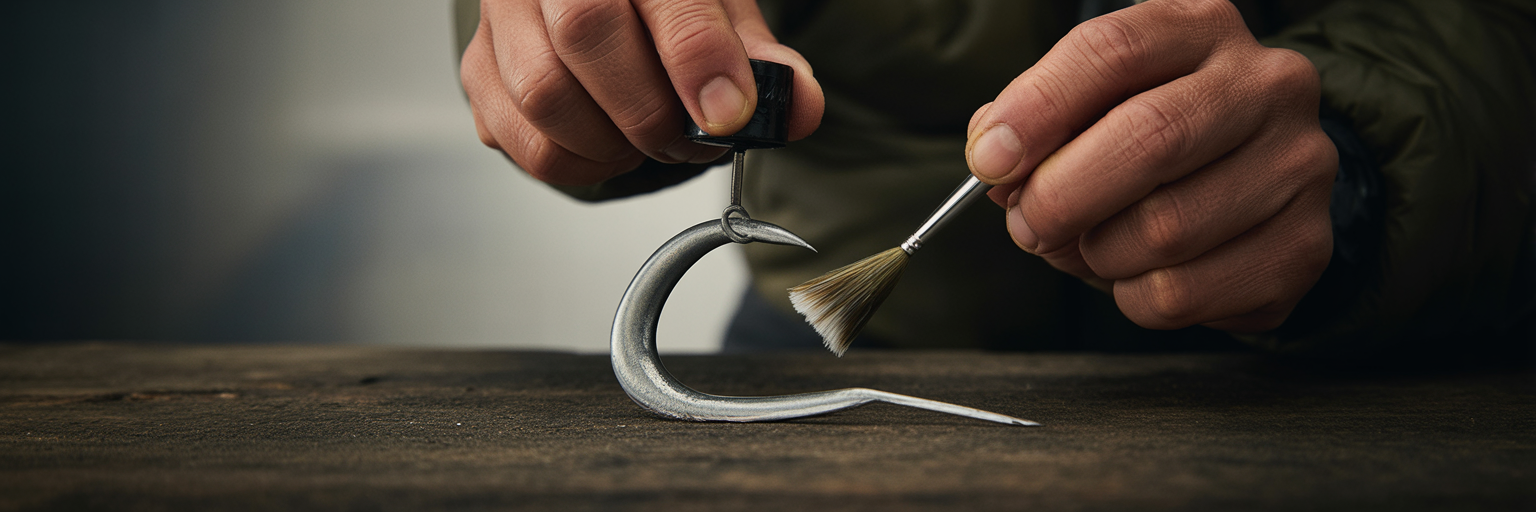
The metal components of your trolling rig are the most vulnerable to saltwater corrosion. Carbon-steel hooks, in particular, will begin to rust almost immediately if left unattended. The practice of protecting saltwater fishing hooks is a fundamental aspect of lure maintenance that directly impacts hook-up ratios. After cleaning and thoroughly drying, apply a thin barrier of a protective coating, such as pure silicone spray or a specialized non-conductive grease, to all metal hardware.
This preventative measure serves two purposes. First, it creates a physical barrier against oxygen and moisture, stopping rust before it starts. Second, it addresses a more subtle issue. Corroding metal can generate a minute electrical field in saltwater, which some experts believe can be detected and avoided by wary game fish. By neutralizing this potential deterrent, you not only preserve your hardware but may also improve your lure's effectiveness. The premium rigging on a lure like the K2Fishing Flamingo Abalone Bullet deserves this level of meticulous care to ensure peak performance. While fishing hardware is specialized, the fundamental principles of maintaining metal components are universal, as detailed in guides on caring for materials like brass hardware.
Specialized Repair for Wooden Lures
Wooden lures require a unique maintenance approach centered on preventing water intrusion. Unlike resin or plastic, wood can absorb water, which compromises its engineered balance, deadens its action, and ultimately leads to failure. Any breach in the lure’s protective clear coat must be addressed immediately. Knowing how to repair wooden fishing lures is essential for preserving these specialized tools.
For minor damage, such as hook points or small cracks in the finish, a thin-viscosity cyanoacrylate adhesive, or super glue, is an effective sealant. Apply a small drop to the damaged area. The glue’s low viscosity allows it to wick deep into the wood grain, creating a waterproof seal from within. For more significant damage like deep gouges or loose hardware, a two-part marine-grade epoxy is required. Mix the epoxy according to the manufacturer’s instructions and apply it to fill the damaged area, ensuring a complete seal. Allow the lure to cure fully in a dry, well-ventilated space for a permanent, structural repair. This technique of sealing any breach immediately is a core tenet of maintaining wooden fishing lures, as emphasized by specialists at Black Dog Bait Co.
Final Pre-Deployment Inspection Checklist
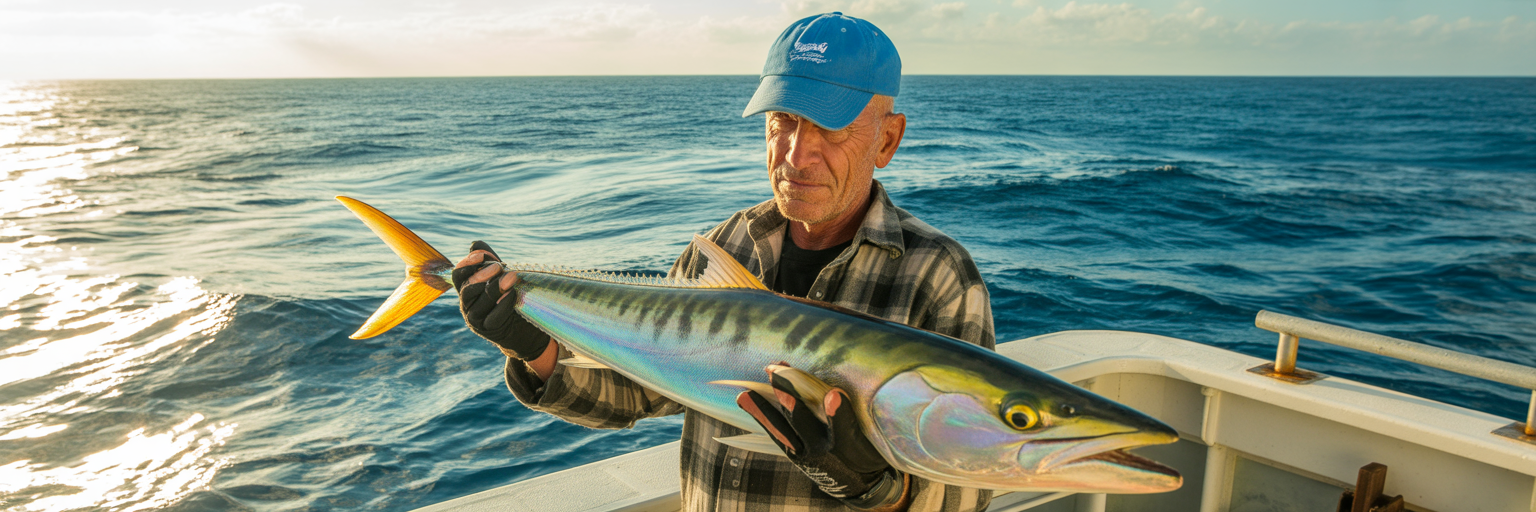
Consistent maintenance culminates in a final pre-deployment inspection. This quick quality control check ensures every lure you pull is in perfect condition and ready to perform. It transforms your preparation from a chore into a professional discipline that maximizes your chances of success on the water. Before setting any lure, run through this simple checklist:
- Skirt Condition: Verify the skirt is straight, untangled, and free of debris.
- Leader Integrity: Run your fingers along the entire leader, checking for any nicks, abrasions, or fraying that could compromise its strength.
- Secure Connections: Confirm that all crimps are tight and swivels rotate freely.
- Hook Point Sharpness: Ensure every hook point is razor-sharp. A dull hook is a primary cause of missed strikes.
This final review guarantees that your gear is an asset, not a liability. Proper offshore trolling lure maintenance protects your investment and ensures that each lure performs at its peak. This readiness allows you to quickly select the perfect option from your collection, such as our proven large resin lures, with full confidence in its ability to produce results.