

An effective offshore trolling setup is not a random assortment of lines. It is a precisely engineered presentation designed to mimic a panicked school of baitfish, triggering the predatory instincts of apex species. The fundamental goal is to create a staggered, controlled formation that maximizes your footprint in the water and converts opportunities into landed fish. This methodical approach is what separates consistently successful anglers from those who simply get lucky.
Mastering Your Offshore Trolling Setup
The architecture of your spread is the foundation of your entire trolling program. A standard five-line spread provides excellent coverage and control. This configuration typically includes two flat lines positioned just outside the propwash, two outrigger lines to create width, and a single 'shotgun' line set far back in clean water. Each position serves a distinct purpose in creating a compelling visual and hydrodynamic signature.
The flat lines run closest to the boat, often with heavier, more aggressive lures that create commotion. The outrigger lines present lures in less disturbed water, allowing their natural action to shine. The shotgun position is your stealth offering, targeting wary fish that may hang back from the main presentation. Staggering the distances of these lines is non-negotiable for operational efficiency. This prevents tangles during turns and ensures every lure remains in its designated strike zone.
A well-executed spread is a thing of beauty, with each lure working in harmony. The visual appeal is amplified when using high-quality lures that perform flawlessly in their intended positions. For instance, the outrigger and flat line positions are ideal for showcasing the vibrant action of some of our larger resin lures, which are engineered to perform best when given the space to swim correctly and attract attention from a distance.
Calibrating Trolling Speed for Target Species
Once your spread is set, speed becomes the next critical variable. There is no single 'correct' trolling speed. Instead, optimal velocity is dictated by your target species, prevailing sea conditions, and the specific design of the lures you are pulling. Your boat’s speedometer is a reference, but your primary guide should always be the action of your lures. Visually confirm that each one is swimming correctly without spinning or blowing out of the water.
As a baseline, a good trolling speed for tuna and mahi-mahi is generally between 5 and 7 knots. For a high-speed wahoo trolling spread, you will want to increase that to 8-12 knots or even faster. Lure head shapes are engineered for specific velocity ranges. Bullet-headed lures track cleanly at high speeds, while cupped or slant-faced lures create more action at slower paces. If a lure appears lifeless, a slight increase in speed may be needed. If it breaks the surface erratically, you must reduce speed incrementally until it settles into its designed rhythm.
| Target Species | Recommended Speed (Knots) | Common Lure Types |
|---|---|---|
| Tuna (Yellowfin/Bluefin) | 5 – 7 knots | Slant-Head, Cup-Faced, Bullet Lures |
| Wahoo | 8 – 12+ knots | Bullet Heads, Jet Heads |
| Marlin | 7 – 9 knots | Large Slant-Head, Plungers, Chuggers |
| Mahi-Mahi (Dolphin) | 6 – 8 knots | Small Feathers, Jet Heads, Small Resin Lures |
Note: These speeds are a baseline. Always adjust based on sea conditions and visual confirmation of proper lure action. Current can significantly impact the lure's speed through the water. Lures designed for high-speed applications, such as our Blackfin Bullet collection, are specifically weighted and balanced to maintain stability and performance when targeting fast-moving predators.
Strategic Lure Selection and Color Theory
With your spread and speed dialed in, lure selection becomes a strategic decision based on environmental factors. A professional approach to color choice is grounded in light penetration and water clarity. In low-light conditions like dawn, dusk, or on overcast days, high-contrast colors such as black, purple, and red create a stronger silhouette that fish can easily track. These colors are also superior in stained or murky water.
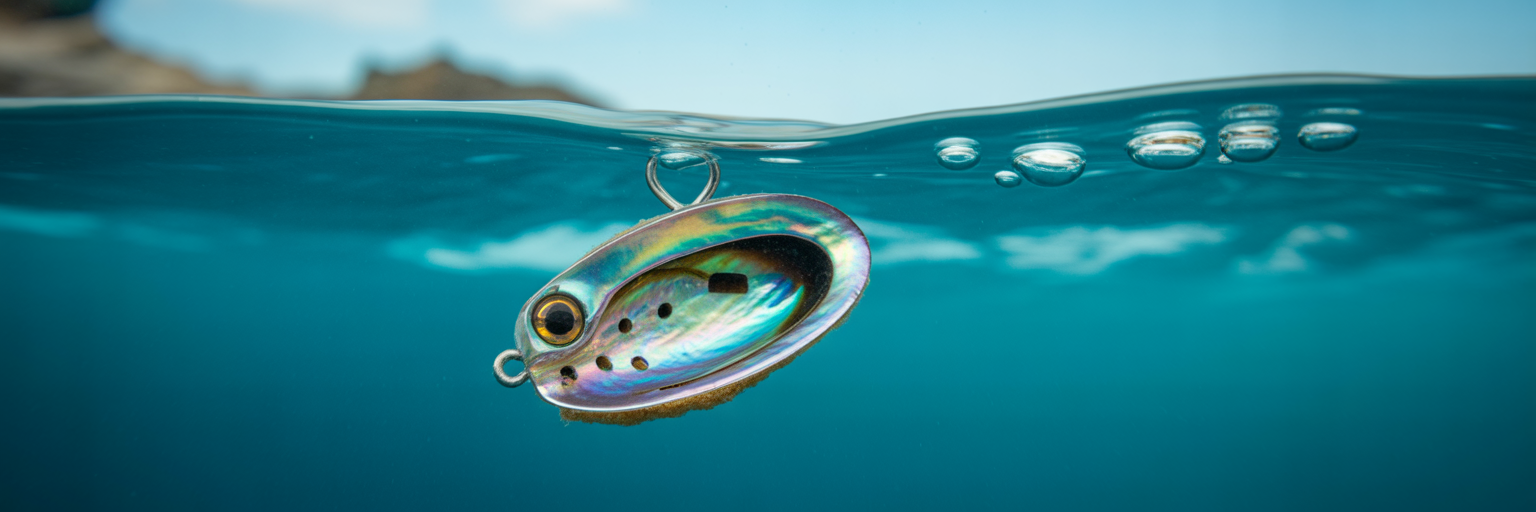
Conversely, in bright sun and clear water, natural and reflective patterns that mimic local baitfish are most effective. Colors like blue, green, and silver excel in these conditions. This is where the unmatched flash of abalone shell patterns provides a distinct advantage, reflecting light in a way that is highly visible and attractive to predators. A lure like our Blue Abalone lure is engineered to maximize this effect in clear bluewater. As highlighted by experts at Sport Fishing Magazine, running a mixed spread of lure head shapes, including cup-faced, slant, and flat heads, presents varied actions to help you discover what fish are keying in on. The best big-game fishing lures are those chosen for maximum visibility and an enticing profile under the day's specific conditions.
Avoiding Common Tactical Trolling Errors
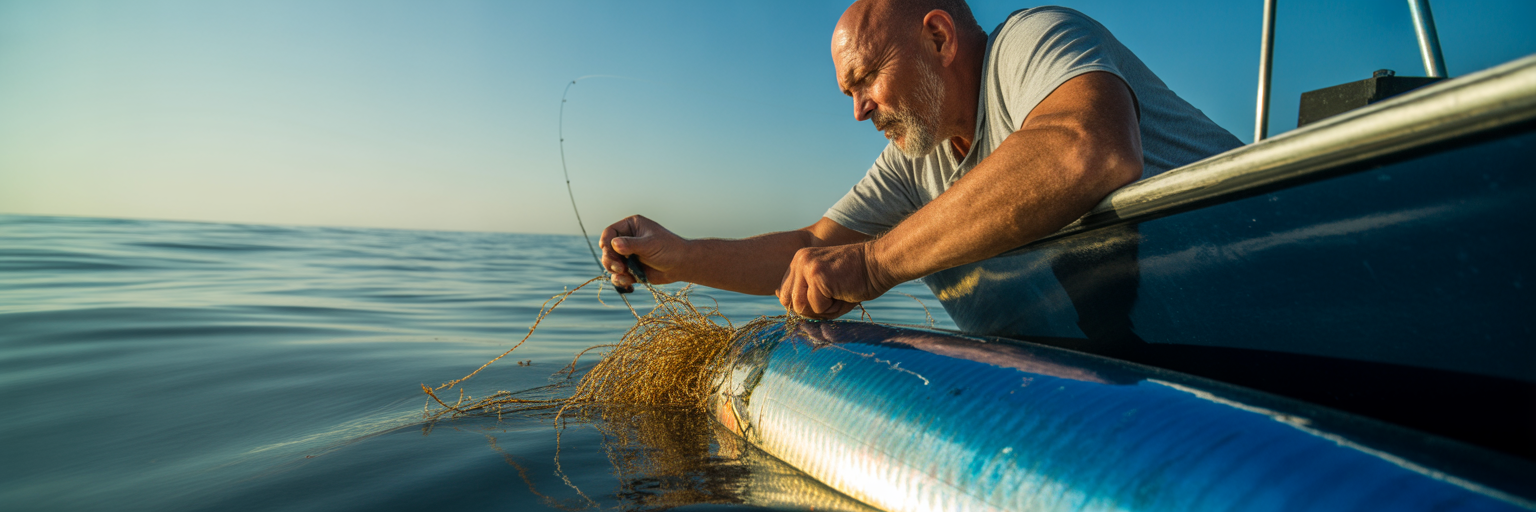
Discipline and precision are hallmarks of a professional trolling operation. The single most common mistake anglers make is over-complication. Running too many lines with an inexperienced crew inevitably leads to tangles, lost fishing time, and frustration. A 'less is more' philosophy is far more productive. Mastering a clean three or four-line spread will catch more fish than a chaotic six or seven-line disaster.
To maintain peak performance, be vigilant in avoiding these critical errors:
- Over-Complicating the Spread: Running more lines than the crew can manage, leading to tangles during turns or hookups.
- Neglecting Lure Checks: Failing to regularly check lures for sargassum or debris, which kills their action and renders them useless.
- Incorrect Staggering: Setting lures too close together, creating a high risk of lines crossing and tangling, especially in rough seas.
- Ignoring Lure Action: Relying solely on the boat's GPS speed instead of visually confirming that each lure is swimming correctly.
Simplicity and constant vigilance are what define a high-performance team. Regularly checking for fouled lures is not a chore, it is a fundamental component of effective trolling.
Advanced Rigging for Performance and Durability
The connection between you and a trophy fish is only as strong as its weakest link. This makes uncompromising quality in your terminal tackle an absolute necessity. Learning how to rig trolling lures for maximum reliability is a skill that directly translates to more fish brought to the boat. Every component, from the mainline to the hook, must be selected and assembled with precision.
Mainline and Leader Configuration
A modern, high-performance setup often utilizes a braided mainline with a monofilament or fluorocarbon topshot. The braid offers thin diameter for increased line capacity and sensitivity, while the topshot provides crucial shock absorption to cushion against violent strikes and sudden runs. This combination delivers the best of both worlds: strength and forgiveness.
Species-Specific Leaders
Your leader material must be matched to your target. Toothy predators like wahoo demand the protection of single-strand wire or cable to prevent bite-offs. For line-shy species like tuna and marlin, a low-visibility fluorocarbon leader is the superior choice, offering stealth without sacrificing abrasion resistance. Selecting the right gear is simple when you can organize tackle by target species, ensuring you are always prepared.
The Importance of Premium Hardware
Using high-quality ball-bearing swivels is non-negotiable. They are essential for preventing line twist, which can weaken your line and ruin a lure's action. Furthermore, every crimp must be perfectly executed with the correct tool to ensure it holds under extreme pressure. This focus on durable, high-performance materials is a universal principle, whether in angling or in the design of protective consumer electronics like a modern rectangle iPhone 16 pro case built for impact resistance. Your rigging is not the place to cut corners.
On-Water Techniques to Trigger More Strikes
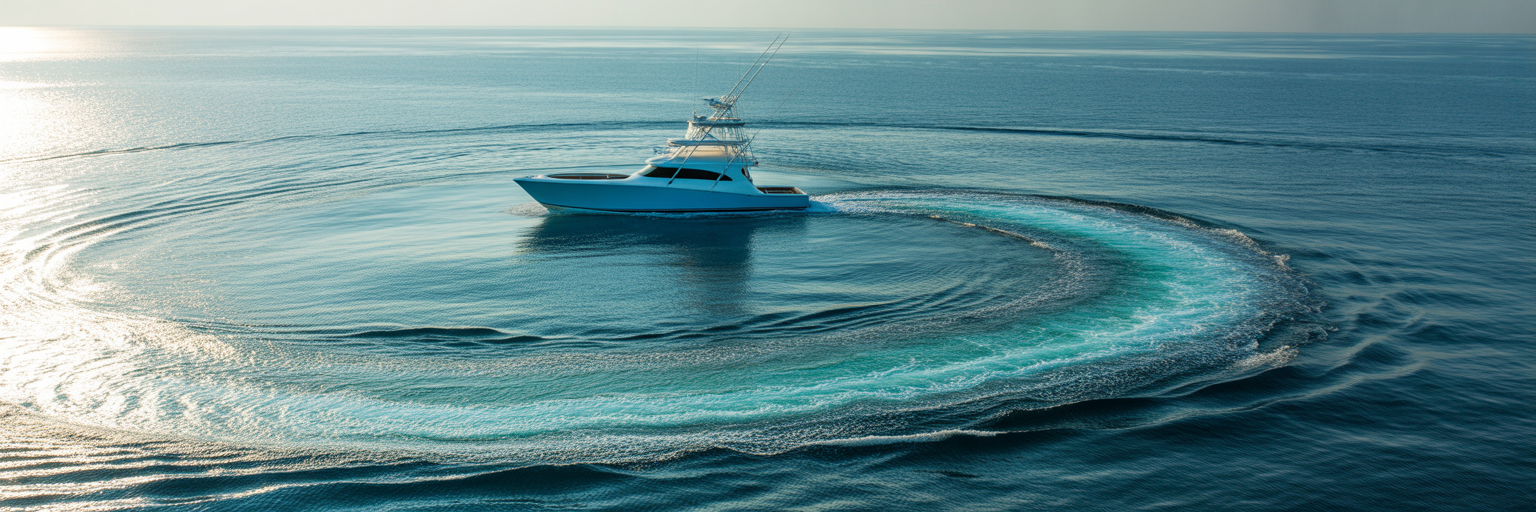
With a perfectly rigged and deployed spread, your on-water maneuvers can make all the difference. One of the most effective tactics is to make slow, sweeping S-turns. This simple action causes the lures on the outside of the turn to speed up and rise in the water column, while the inside lures slow down and sink. This change in speed and depth often triggers an aggressive strike from a hesitant fish that has been following the spread.
Another cardinal rule applies after a hookup: keep the boat moving forward at trolling speed for at least a short period. Stopping the boat immediately kills the action of the entire spread, eliminating the chance for a multiple hookup from other fish in the school. Keeping the lures swimming can turn a single bite into a double or triple. Active, adaptive trolling, where you constantly adjust your course and speed in response to conditions, is the ultimate expression of angling skill and is what consistently produces results.