

Selecting Trolling Lures for Big-Game Fishing
In offshore angling, lure selection is a calculated discipline, not a matter of chance. The correct lure is a direct driver of strike rates for trophy species, and understanding its mechanics is fundamental to success. The process of choosing the best trolling lures for big-game fishing hinges on a systematic evaluation of several key factors. A lure's effectiveness is governed by its head shape, size, color, and its specific running position within the spread.
Each of these characteristics contributes to a lure's hydrodynamic profile and its ability to imitate the distress signals of prey. This guide provides a strategic framework for serious anglers, enabling performance-driven decisions based on target species and prevailing sea conditions. By mastering these principles, you can move beyond guesswork and begin to engineer your success on the water.
Matching Lure Head Shape to Desired Action
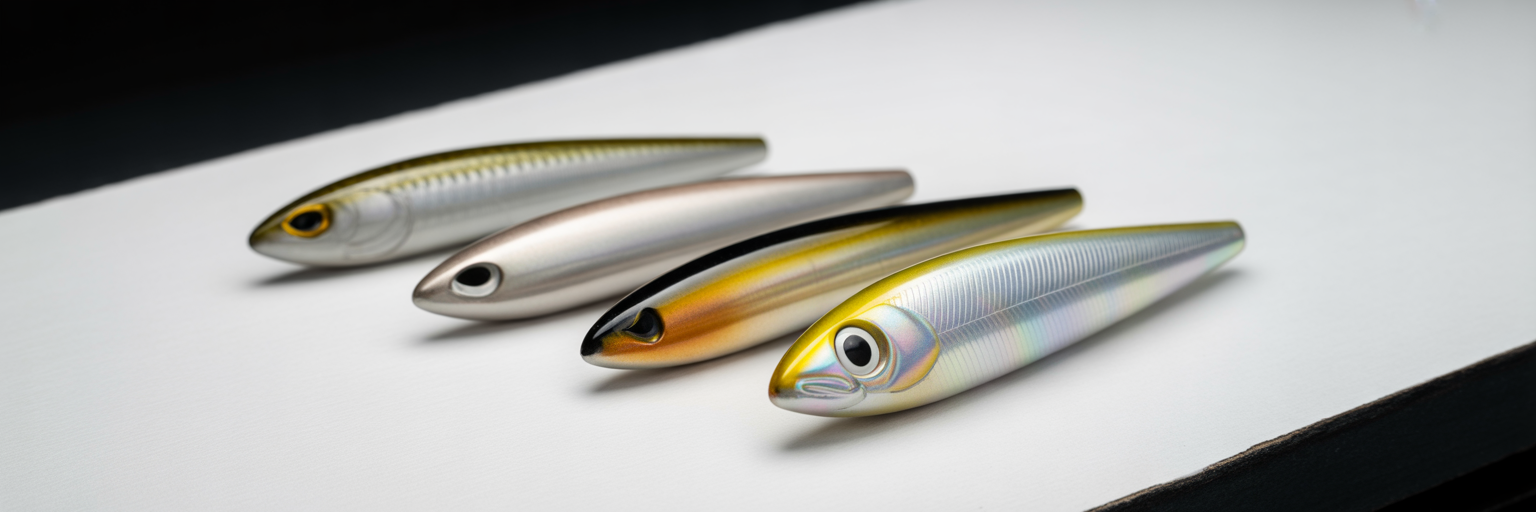
The primary engineering feature determining a lure's action in the water is its head shape. This design dictates the lure's hydrodynamic properties, its movement pattern, and its appeal to predatory fish. Understanding how different heads interact with water pressure is essential for controlling your presentation. Each shape is designed to produce a specific action, from aggressive surface commotion to stable, high-speed tracking.
The core characteristics of common head types include:
- Cup-faced (Chuggers): The concave face on these lures catches a significant amount of water, creating an aggressive, side-to-side swimming motion. This action generates a heavy bubble trail and surface disturbance, simulating a panicked or wounded baitfish.
- Bullet and Jet-Heads: These lures feature a streamlined, hydrodynamic design built for speed and stability. This shape allows for straight tracking at high velocities, which is critical when creating effective wahoo trolling lures that perform without tumbling or "washing out." The consistent performance of this design is exemplified in lure series like our Blackfin Bullet collection.
- Flat-head or Slant-head: Known for their versatility, these lures produce a more subtle wobbling and diving action. The angled face causes the lure to dig in and swim with a consistent rhythm, making it a reliable choice across a wide range of trolling speeds and sea conditions.
Focusing on these mechanical properties allows an angler to select a lure based on the precise action they wish to present, independent of other variables.
| Lure Head Type | Action in Water | Bubble Trail | Ideal Trolling Speed |
|---|---|---|---|
| Cup-Faced / Chugger | Aggressive, erratic side-to-side swim | Heavy and consistent | Slow to Moderate (6-9 knots) |
| Slant-Head / Flat-Head | Wobbling and diving action | Moderate, periodic | Moderate to Fast (7-12 knots) |
| Bullet / Jet-Head | Straight, stable tracking | Minimal to light stream | Fast to Very Fast (10-18+ knots) |
This table provides a direct comparison of how a lure's head design dictates its performance characteristics in the water. Speeds are general guidelines and should be adjusted based on sea conditions and target species.
Lure Selection for Your Target Species
With a firm grasp of lure hydrodynamics, the next step is to apply these principles to the known hunting behaviours of specific big-game targets. Effective lure selection is about directly imitating the preferred prey and feeding style of the species you are pursuing. The action that triggers a strike from a marlin is fundamentally different from what entices a tuna or wahoo.
Lures for Marlin
Marlin are aggressive apex predators drawn to large silhouettes and significant surface commotion. Their hunting strategy often involves investigating and attacking sources of major disturbance. Therefore, the most effective marlin trolling lures are typically larger cup-faced and slant-head models that push a great deal of water. The erratic action and heavy bubble trail of these lures signal a substantial meal, provoking powerful strikes. A prime example of a lure designed for this purpose is our Blue Large Resin Abalone lure, which combines size and action to attract these dominant predators.
Lures for Tuna
Tuna frequently feed on schools of smaller baitfish, and their strikes are often driven by a competitive feeding response. They respond well to lures that present a consistent, clean-tracking profile that mimics this type of prey. Effective tuna fishing lures include resin-head lures with a stable swimming action and daisy chains of squid that imitate a small school. The goal is to create the appearance of a coordinated group of baitfish, triggering the tuna's instinct to attack before another predator does.
Lures for Wahoo
Wahoo are defined by their incredible speed and slashing strikes. This requires lures that can tolerate high trolling speeds without losing stability. Bullet and jet-head lures are the superior choice, as their hydrodynamic shape allows them to track straight and true. Just as critical is the rigging. The velocity of a wahoo strike and their sharp teeth demand durable, wire-rigged setups to prevent bite-offs and gear failure. A lure that tumbles or spins at speed will not draw a strike.
To further refine your selection, you can explore options tailored to your target on our Fish by Species guide.
Adapting Lure Color to Water Conditions
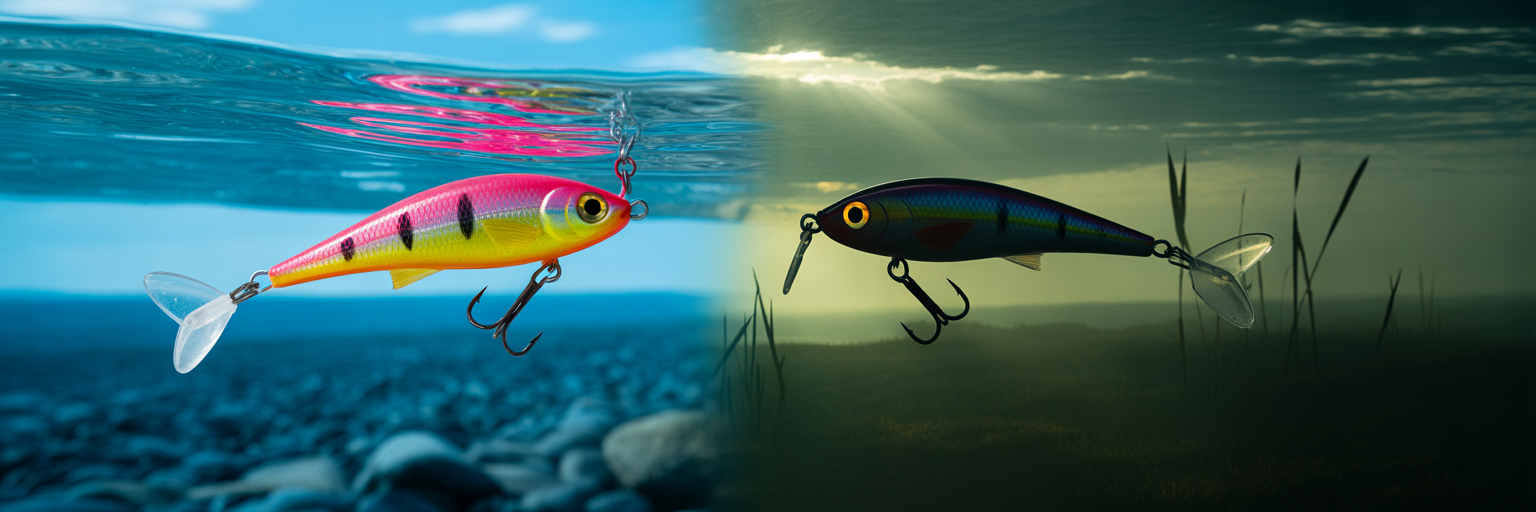
Lure color selection is a strategic decision dictated by ambient light and water clarity, not an angler's personal preference. The visibility of a lure to a predator hunting from below is directly influenced by how that color contrasts with the surface light and surrounding water. Two core principles govern this choice.
The first is the "bright day, bright lure" rule. In clear water under sunny skies, bright and vibrant colors are highly visible. Hues like pink, yellow, and chartreuse stand out, catching the attention of predators from a distance. A vibrant option like our Flamingo Abalone Bullet Lure is engineered for maximum visibility in these conditions. The second principle is the "dark day, dark lure" counterpoint. During low-light periods such as dawn, dusk, or on overcast days, dark patterns in black, purple, and deep blue create a much stronger silhouette against the brighter surface. This contrast makes the lure easier for a predator to locate and track.
This principle is supported by insights from publications like InTheBite, which note that dark patterns are crucial for creating a visible silhouette in low-light conditions. Advanced materials further enhance this effect. Our use of natural abalone resin shells creates a lifelike, multi-dimensional flash that mimics the light refraction of panicked baitfish scales. This is not merely a color but a performance-enhancing feature, providing a distinct advantage by reflecting available light in a way that synthetic materials cannot replicate.
Constructing a Cohesive Trolling Spread
A successful trolling spread is a strategically arranged presentation designed to imitate a school of baitfish, not a random assortment of lures. The objective is to create a varied yet harmonious display that covers different depths and presents multiple types of targets to incoming predators. The placement of your offshore trolling lures is critical to achieving this effect. A standard, proven arrangement positions lures based on their action.
- Short Positions (Short Corner & Rigger): These positions, closest to the boat, are ideal for running larger, more aggressive lures like chuggers and big slant-heads. Their primary role is to create significant commotion and act as teasers, drawing fish into the spread and firing up their competitive instincts.
- Long Positions (Long Rigger & Shotgun): Further back in the spread, you should place smaller, straight-running lures such as bullets and small resin heads. This placement mimics weaker or stray baitfish that have fallen behind the main school, presenting an easy and tempting target for a predator that has been drawn in by the commotion up front.
By arranging lures in this manner, you create a compelling narrative of a bait school in distress. This strategic configuration significantly increases the probability of a strike by appealing to multiple predatory instincts simultaneously. You can explore our complete collection of lures to build your ideal spread.
Ensuring Peak Performance with Proper Rigging
A premium lure's engineered performance is entirely dependent on the quality of its rigging. An expertly designed lure head is rendered ineffective by substandard components that fail under pressure, inevitably leading to lost trophy fish. When learning how to choose trolling lures, it is equally important to scrutinize the rigging that completes the package.
The use of high-quality, corrosion-resistant hooks correctly sized for both the lure and the target species is non-negotiable. Furthermore, the leader material, whether monofilament or fluorocarbon, must be robust enough to withstand extreme force and abrasion during a prolonged fight. All connections must be professionally executed to ensure they do not become a point of failure. Meticulous attention to rigging detail is a hallmark of a professional angler. Our lures are USA-rigged with premium materials, ensuring they are prepared for peak performance directly out of the package and ready to withstand the demands of big-game fishing.