A blackfin tuna bite can turn a quiet offshore morning into controlled chaos fast. One minute you are watching the spread track clean, the next a small tuna is dumping line, another rod is shaking, and the school is still up and feeding. That is why blackfin tuna matter to serious offshore anglers. They are accessible, aggressive, and often the fish that show you whether your spread, your bait, and your rigging are actually right.
They do not get the headlines that yellowfin and bluefin get, but that works in your favor. Blackfin are a real gamefish with enough speed and attitude to expose weak hooks, poor lure tracking, and sloppy boat work. If you fish the Gulf, South Florida, or the Atlantic edge of the Southeast, they are one of the most reliable tuna targets you can build a trip around.
Where blackfin tuna show up
Blackfin tuna are a warm-water species found primarily in the western Atlantic, the Caribbean, and the Gulf of Mexico. For US anglers, that usually means South Florida, the Florida Keys, the Gulf rigs, weedline edges, offshore humps, and current-rich bluewater structure from the east coast of Florida up into parts of the Southeast when conditions line up.
They are structure-oriented, but not in the same way bottom species are. Blackfin hold around temperature breaks, current edges, bait concentrations, humps, and hard depth changes that stack life. If there is flying bait, small bonito, glass minnows, or squid in the area, blackfin are worth looking for.
What makes them tricky is that they can be there and not stay pinned in one place for long. A school might pop up on top for a quick feed, disappear under the boat, and then show again 300 yards off your stern. That means your approach has to stay flexible. Trolling, jigging, and bait fishing all have a place depending on how the fish are behaving.
How to find blackfin tuna consistently
The best blackfin fishermen are usually not hunting the fish itself first. They are hunting signs that point to feed. Birds that are working but not fully committed, nervous flying fish, scattered skipjacks, and life around humps or rig edges all deserve attention.
Electronics matter here. On many days, the fish you catch are not the fish you see blowing up on top. Blackfin often mark deeper than anglers expect, especially once boat traffic pushes them down. A clean mark at mid-depth over a hump or along a current edge can be enough reason to set up a pass or start dropping metal.
Time of day also matters, but it depends on the fishery. In some areas, low light and first push of sun are prime for surface activity. In others, especially around known offshore structure, nighttime chunking and live baiting can outproduce daytime trolling by a wide margin. There is no single rule. If the fish are feeding on top, stay mobile and cover water. If they are glued deeper, slow down and fish vertically.
Trolling for blackfin tuna
Trolling remains one of the most efficient ways to cover water and locate blackfin tuna. It is especially effective when fish are scattered, current is moving, and bait is spread out instead of bunched tightly on one piece of structure.
The biggest mistake anglers make is trolling a spread that is too large or too heavy for the class of bait the fish are feeding on. Blackfin often key on smaller profiles. If the ocean is full of tiny flyers, micro hardtails, or half-grown squid, oversized heads can get ignored while one clean smaller lure gets all the attention.
Best trolling spread for blackfin tuna
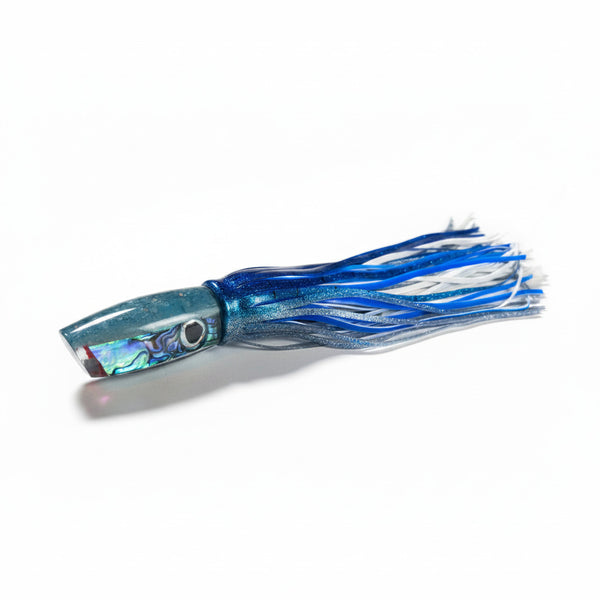
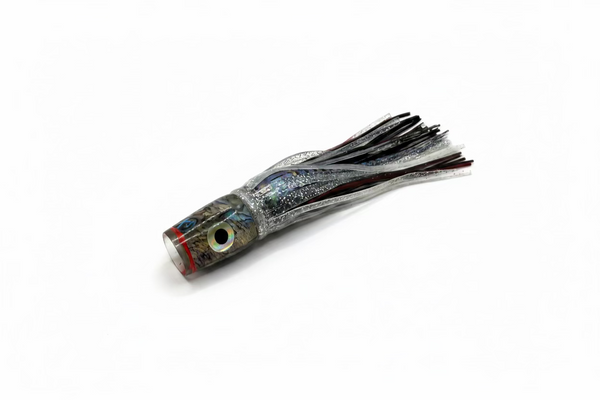
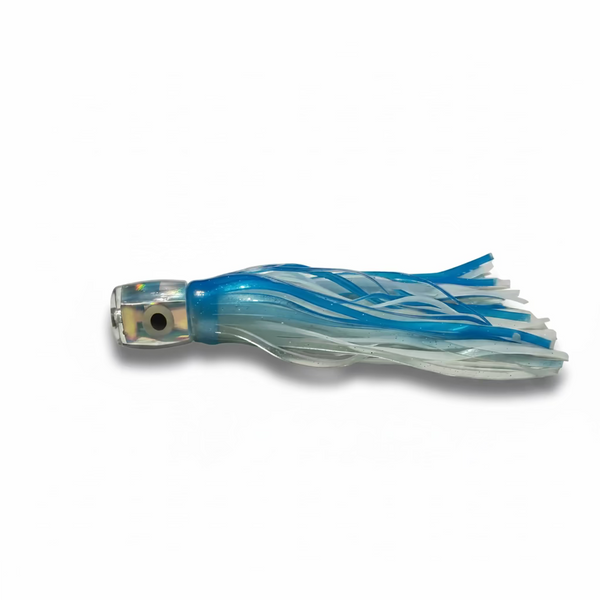
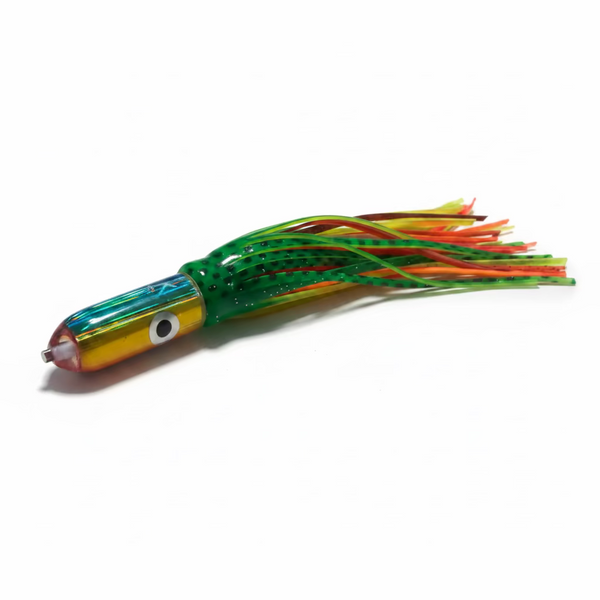
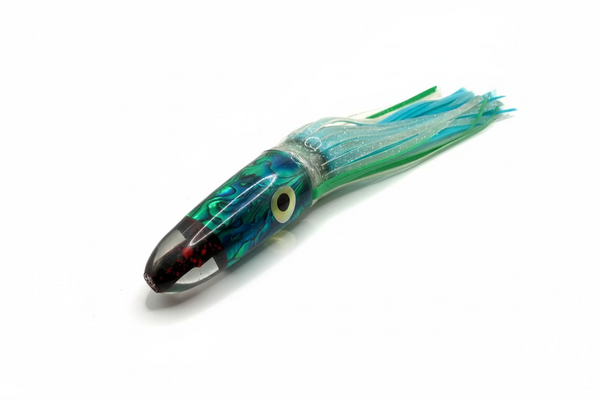
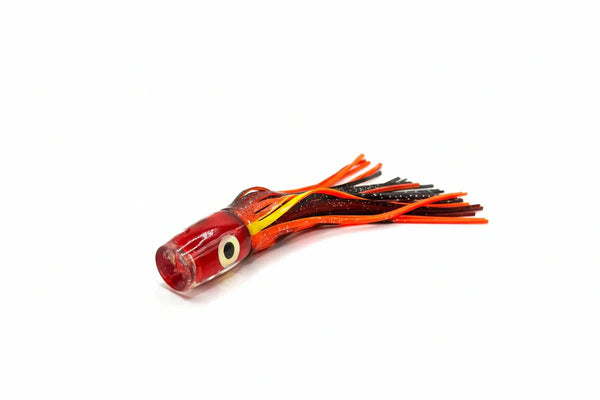
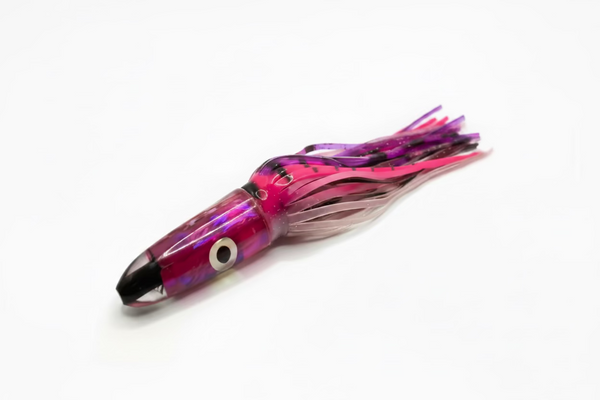
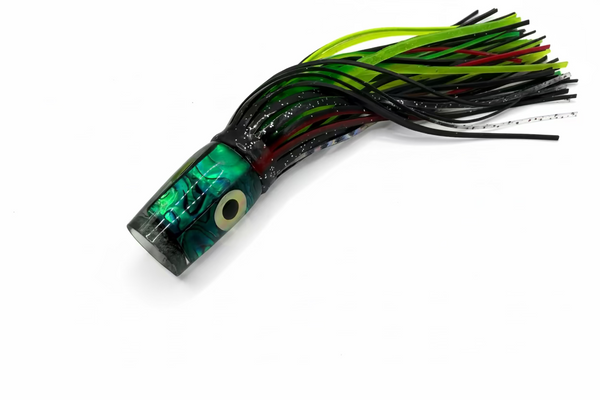
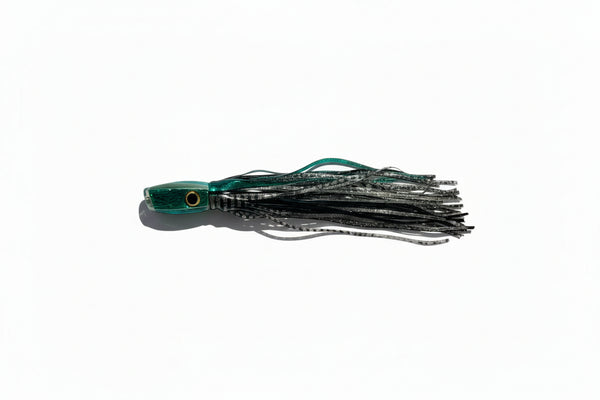
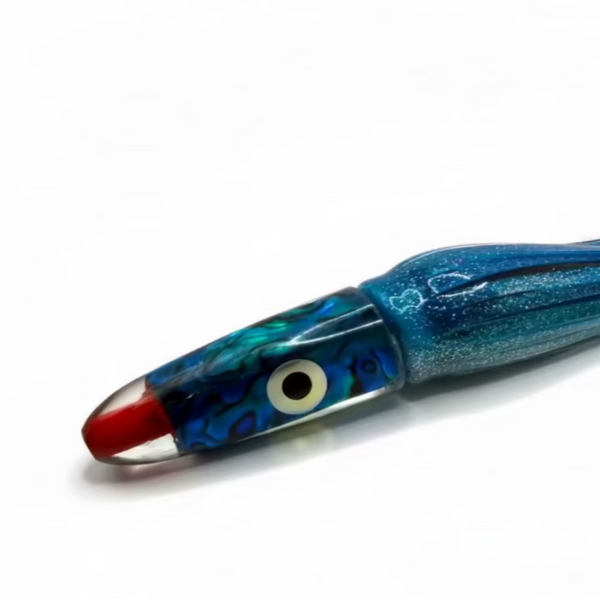
A compact spread usually fishes best. Smaller bullets, light resin heads, and clean-running tuna lures do the job when they stay in the water correctly at speed. You want sharp action, not blowout. You want flash, but not a lure that spins. And you want rigging that holds together when a tuna crashes it at speed and then circles under the boat.
Color matters less than most anglers think, but profile, position, and lure stability matter a lot. Still, blackfin respond well to contrast and flash. Dark over purple, blue-white, green-yellow, and natural bait tones all produce. Abalone-style flash can be a strong trigger in clear water because it throws light without looking flat or painted.
Run your shortest positions where the lure can stay clean and aggressive, then stagger the rest so each bait tracks with purpose. If one lure keeps getting bit, do not treat that as luck. Match size, speed, and lane. Blackfin will often tell you quickly what they want if you pay attention.
Jigging and casting when fish go down
When marks are on the machine but fish are not staying up, vertical jigging becomes a high-percentage move. Blackfin can be extremely responsive to a fast-moving metal jig, especially when they are pinned under bait schools over humps or structure.
Speed matters. These fish are built to chase, and many bites come on the rip rather than the fall. That said, there are days when a more erratic lift-drop cadence gets more attention, especially if the school is pressured. If fast mechanical jigging is not getting touched, change tempo before changing spots.
Casting works when fish are busting bait or tracking flyers. Small epoxy-style baits, metals, and compact stickbaits all have a place, but the key is getting the lure into the feed without wasting time. Blackfin schools can vanish fast. Keep one rod ready, hooks sharp, and drags set before the fish show.
Live bait and chunking for bigger blackfin
If your goal is a better class of fish, live bait and chunking often beat trolling. That is especially true around deep structure, humps, and nighttime fisheries where blackfin stage under the boat lights or hold in the water column under bait.
Hardtails, pilchards, sardines, and small speedos are all productive depending on the region. The best bait is the one they are already eating and the one you can keep lively. A perfect bait that is half-dead before it reaches depth is not an advantage.
Chunking can be deadly when fish are around but not committing to artificials. The trade-off is that it requires discipline. Your chunks need to match your hook bait, your drift has to stay natural, and your tackle cannot be overbuilt to the point that the presentation looks wrong. Go too heavy and you may miss bites. Go too light and a good fish exposes every weak point.
Tackle that makes sense for blackfin tuna
Blackfin are not giant tuna, but they punish bad tackle decisions. A fish in the 15- to 30-pound class can look manageable until it hits at speed, changes angle under the boat, and finds current.
For trolling, many anglers do well with 20- to 30-class tackle, depending on the lure size and the chance of hooking something larger in the same water. For jigging and bait fishing, tackle should stay balanced enough to keep the presentation clean while still giving you drag control and lifting power.
Leader size is where many anglers overdo it. Heavier is not always better. If the fish are leader-shy in clear water, dropping down can increase bites. If wahoo are mixed in or structure is a factor, you may need extra insurance. It depends on the fishery, the water clarity, and what else is feeding in the zone.
Hooks need to be sharp, simple, and suited to the bait or lure. Poor hook geometry costs fish. So does hardware that was never built for repeated saltwater pressure. Serious offshore anglers know this already, which is why lure construction matters. A clean head, durable skirt, and proven rigging package are not cosmetic upgrades. They are what keep a strike from becoming a missed opportunity.
What blackfin tuna teach you about your spread
Blackfin are one of the best species for dialing in offshore presentations because they react fast and they usually give you multiple chances in one trip. If they are in the area and not touching your spread, something is often off. It could be speed, lure size, lane position, or simply too much clutter in the pattern.
When they start biting, pay close attention to the details. Was the lure smoking or barely tracking? Was the bite on the turn? Were fish keyed on the long rigger or the short flat? These are not minor notes. They are the difference between random action and repeatable results.
That is also why serious crews fish purpose-built offshore tackle instead of generic gear. Products built to get strikes at trolling speed, hold their action in real water, and stay together under pressure remove guesswork. That matters with blackfin, and it matters even more when the same spread might get crushed next by a better yellowfin, a wahoo, or a blue marlin.
Blackfin tuna reward anglers who stay observant and fish clean. Find the bait, match the size, keep your spread honest, and be ready to switch tactics when the fish change level. Do that consistently, and blackfin stop being a lucky bycatch and start becoming one of the most dependable offshore targets in your program.