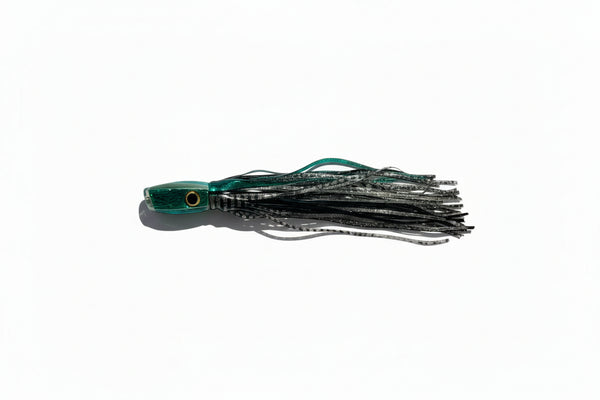
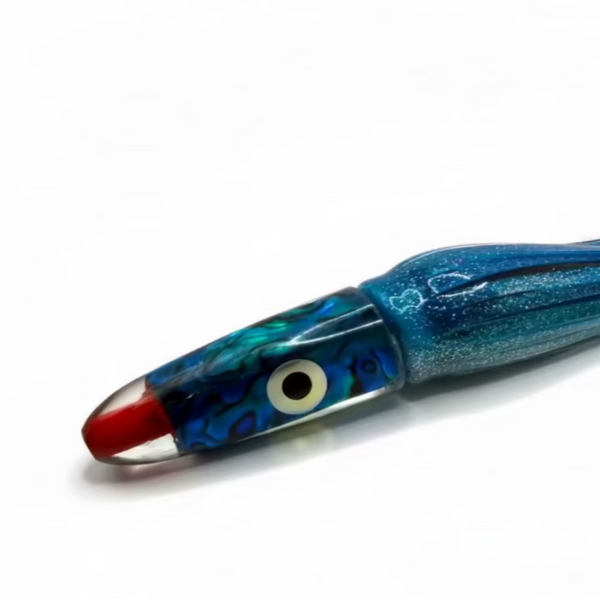
Bioluminescence in fishing lure design is the application of light-producing chemical reactions that mimic natural marine organisms, giving lures the ability to glow and attract predatory fish in low-light conditions. The industry term for the glow effect used in most commercial lures is photoluminescence, specifically phosphorescence, which stores and slowly releases light energy. Understanding what is bioluminescence in fishing lure design means knowing how anglers exploit the same biological signals that deep-sea creatures use to hunt and communicate. Tools like phosphorescent coatings, glow-in-the-dark pigments, and submersible LED systems bring these principles to the surface, giving you a real edge when targeting marlin, tuna, and wahoo at depth or after dark.
How does bioluminescence work in fishing lures?
Natural bioluminescence is a biochemical process where organisms like anglerfish and dinoflagellates produce light through a luciferase-luciferin enzyme reaction. The reaction generates what scientists call “cold light”, meaning it releases energy as light with almost no heat. That near-100% energy efficiency makes it one of the most effective signaling systems in nature, and it is exactly what lure designers try to replicate.
Fishing lures cannot carry living enzymes, so designers use phosphorescent pigments instead. These pigments absorb photons from sunlight, UV light, or artificial light, then release that stored energy slowly as a visible glow. The result is not true bioluminescence in the biological sense, but it produces the same visual effect that triggers a predator’s strike response.
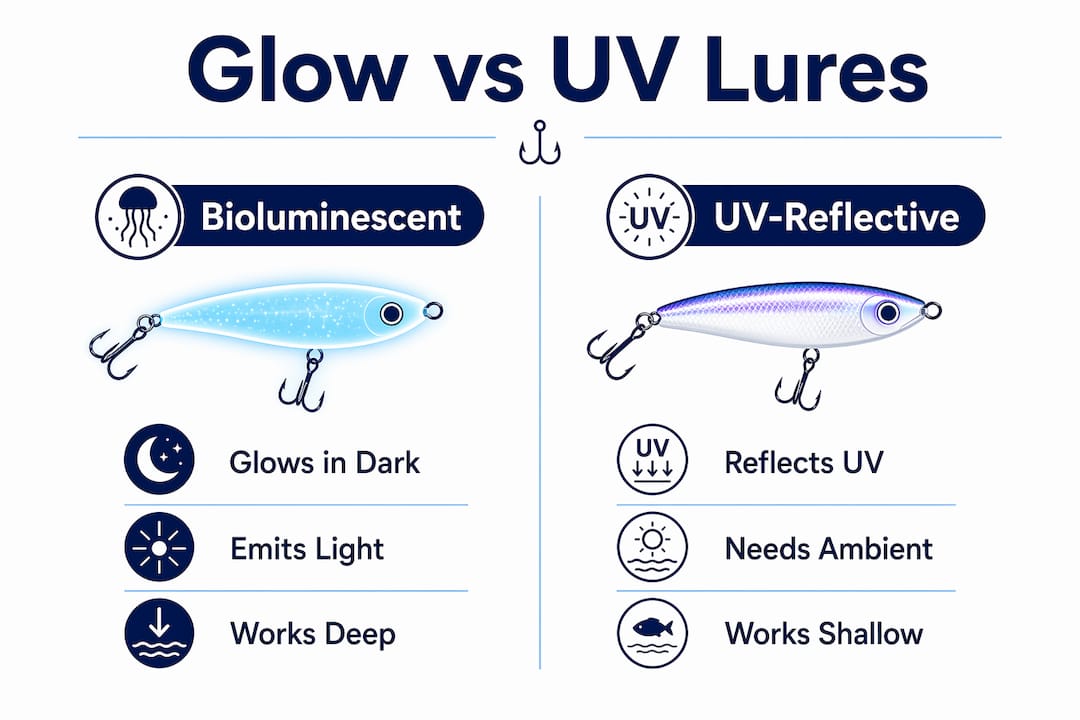
The distinction between phosphorescence and UV reflectance matters a great deal on the water. Glow lures emit light independently after charging, while UV lures only reflect ambient ultraviolet light back toward the fish. In a pitch-black environment at 200 feet, a UV lure is invisible. A phosphorescent lure is still glowing.
Here is how the two technologies compare at a glance:
- Phosphorescent lures: Absorb and store light energy, glow independently in total darkness, effective at depth and at night
- UV-reflective lures: Reflect existing UV light, require ambient UV sources, invisible in complete darkness
- True bioluminescence: Produced by living organisms through enzyme reactions, not replicable in standard lure materials
- LED-assisted lures: Use battery-powered submersible lights to continuously recharge phosphorescent pigments underwater
Deep-water fish retinas are tuned to detect point light sources against dark backgrounds, which is exactly what a glowing lure provides. That biological sensitivity is why bioluminescent-style lures trigger aggressive strikes from pelagic predators like tuna and wahoo.
When do bioluminescent lures actually work best?
Bioluminescent fishing lures deliver the clearest advantage in three specific conditions: deep water, murky water, and low-light periods like dawn and dusk. Glow lures are effective below 120 feet and during dawn and dusk windows, with quality coatings emitting light for up to 6 hours depending on pigment density. That is a meaningful window for a full offshore trolling session.
The effectiveness of glow lures goes beyond simple visibility. Bioluminescent-style lures mimic the erratic glow of distressed prey, which activates predator instincts beyond mere contrast. A glowing lure that moves like a wounded baitfish is far more compelling than one that simply shines.
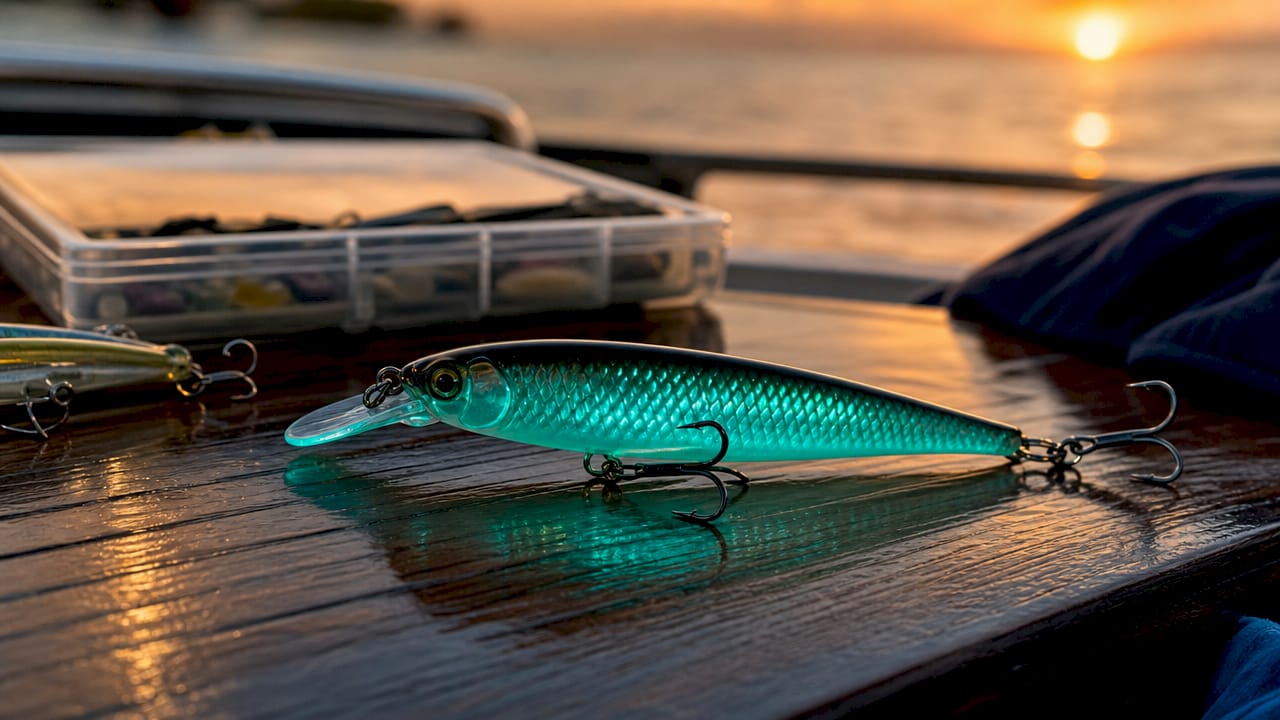
Limitations exist, and serious anglers need to know them. Light attenuates quickly underwater, so a lure that glows brightly at the surface may produce a much weaker signal at 300 feet without recharging. Glow coatings also degrade over time with repeated exposure to saltwater and UV light, requiring maintenance or replacement.
| Condition | Glow lure | UV-reflective lure |
|---|---|---|
| Deep water (120+ feet) | Effective, glows independently | Ineffective, no ambient UV |
| Dawn/dusk | Highly effective | Moderate, depends on light angle |
| Murky or stained water | Effective, creates contrast | Limited, UV scatter reduces visibility |
| Bright midday sun | Marginal advantage | Effective, strong UV reflection |
| Pitch-black night | Effective after charging | No visibility |
Glow creates contrast, not illumination. That distinction matters because contrast is what fish actually detect against a dark background. A glow lure does not light up the water column like a flashlight. It creates a visible point of interest that stands out.
Pro Tip: Carry a small UV flashlight on every offshore trip. A 30-second blast of UV light charges a phosphorescent lure faster and brighter than several minutes of direct sunlight, keeping your lure at peak glow throughout the session.
How to charge and use bioluminescent-style lures for best results
Charging technique is the most overlooked factor in glow lure performance. A UV or blacklight flashlight charges glow lures faster and produces a brighter, longer-lasting glow than sunlight exposure. A 30-second UV exposure outperforms several minutes of sun charging. Keep a compact UV flashlight in your tackle bag and recharge every time you bring the lure back to the boat.
- Charge before deployment. Hold the lure 2–3 inches from a UV flashlight for 30 seconds. Sunlight works, but UV light is faster and more consistent.
- Use a submersible LED above the lure. A small LED light clipped above the lure continuously recharges the phosphorescent pigment underwater, creating a persistent halo that attracts fish from a distance. This is the most effective setup for deep jigging at night.
- Match depth to glow intensity. Freshly charged lures work best at depth. If you are fishing below 150 feet, recharge every 30–45 minutes or use the LED system to maintain glow.
- Combine glow with action. A glowing lure with poor action catches fewer fish than a non-glowing lure with great action. Glow supplements presentation; it does not replace it.
- Rinse and dry after each session. Saltwater and abrasion degrade phosphorescent coatings over time. Rinse lures with fresh water, dry thoroughly, and store away from direct sunlight to preserve pigment life.
Pro Tip: For blackfin tuna and wahoo at depth, pair a freshly charged glow lure with a slow, erratic retrieve. The combination of glowing contrast and wounded-prey movement is the closest you can get to mimicking a distressed bioluminescent organism.
Depth control also matters. Glow lures work best when they stay within the strike zone of the target species. Use weighted rigs or diving heads to keep the lure at the right depth rather than relying on glow alone to draw fish up from below.
What are the best examples of bioluminescent lure designs in 2026?
The market for bioluminescent-inspired lures has grown significantly, with several design categories now offering practical applications for offshore anglers.
Glow-coated jigs are the most common category. These are lead or tungsten jigs coated with phosphorescent paint or wrapped in glow tape. They work well for vertical jigging at depth and are easy to recharge with a UV flashlight between drops.
Phosphorescent resin lures take the concept further. Resin bodies can be cast with glow pigment mixed directly into the material, producing a lure that glows from the inside out rather than just on the surface. This internal glow more closely mimics the diffuse light emission of bioluminescent marine organisms like squid and jellyfish.
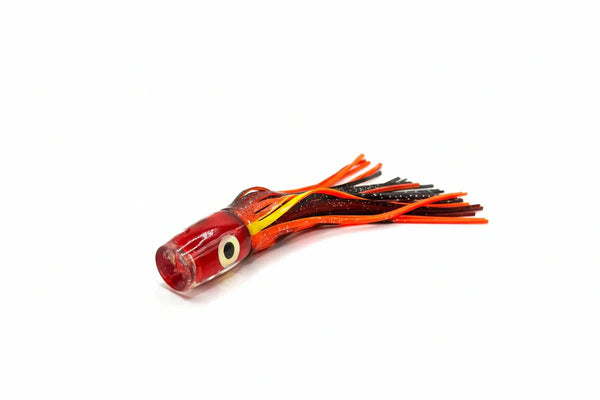
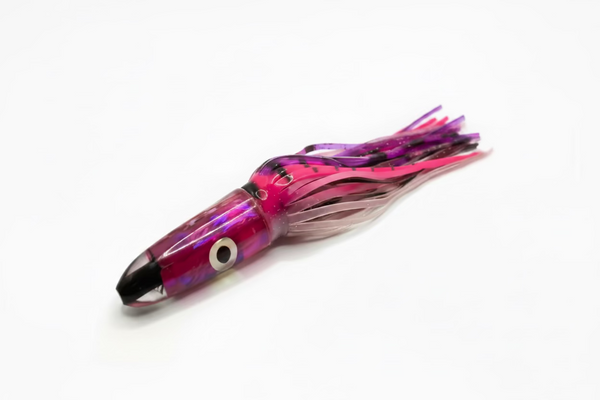
Anglerfish-inspired designs are gaining traction in big-game trolling. The anglerfish uses a bioluminescent lure on a modified dorsal spine to attract prey in total darkness. Offshore trolling lures that incorporate a glowing head or eye mimic this exact mechanism, drawing strikes from marlin and tuna that associate a glowing point source with vulnerable prey.
LumoLead phosphorescent weights represent a less obvious but highly effective application. These lead weights are coated with phosphorescent nylon and glow for up to 6 hours. They attract baitfish to the rig, which in turn draws larger predators, and they also reduce seabird bycatch by making the rig visible during deployment.
| Lure type | Glow method | Best use case | Glow duration |
|---|---|---|---|
| Glow-coated jig | Surface phosphorescent paint | Deep vertical jigging | Up to 6 hours |
| Phosphorescent resin lure | Internal pigment in resin body | Offshore trolling, big-game | Up to 6 hours |
| LED-assisted lure | Continuous recharge via submersible LED | Night fishing, deep water | Indefinite with power |
| LumoLead weight | Phosphorescent nylon coating | Bottom fishing, bycatch reduction | Up to 6 hours |
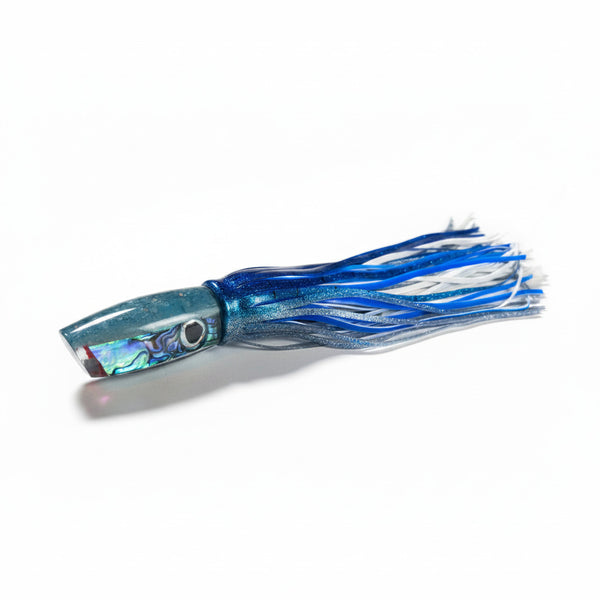
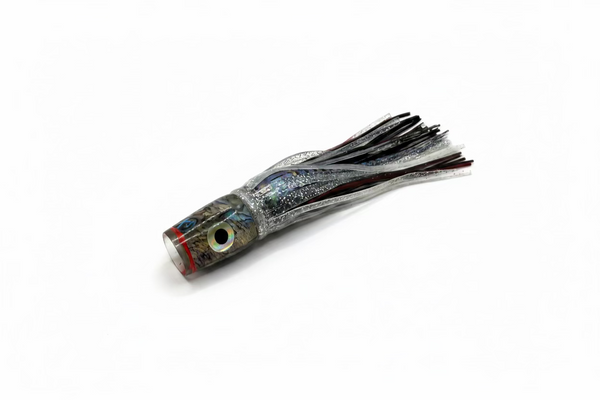
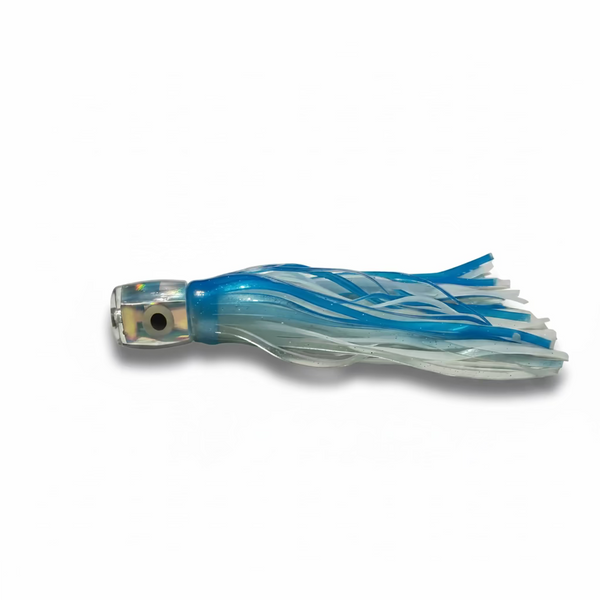
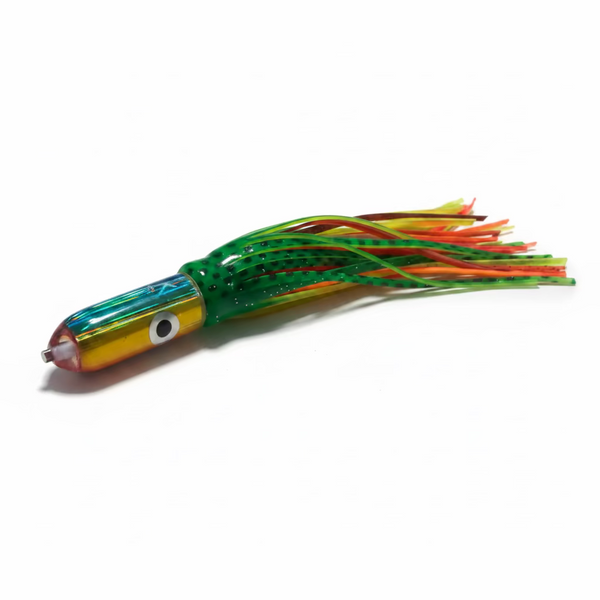
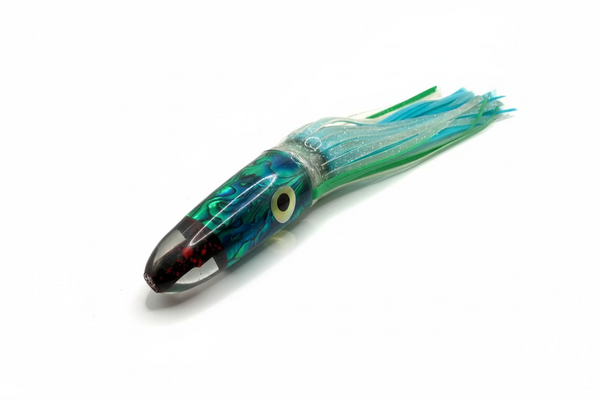
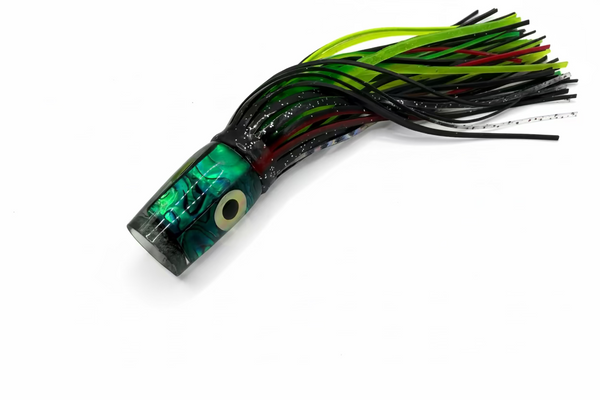
The abalone resin lures produced by K2fishing use a different but complementary approach. Abalone resin produces exceptional flash and brightness in natural light, mimicking the iridescent shimmer of baitfish scales. That flash effect works alongside glow coatings to create a lure that is visible across a wide range of light conditions, from bright midday sun to deep twilight.
Key Takeaways
Bioluminescence in fishing lure design works because phosphorescent pigments replicate the cold-light signals that deep-water predators are biologically wired to attack.
| Point | Details |
|---|---|
| Phosphorescence vs. UV | Glow lures work in total darkness; UV lures require ambient light and fail at depth. |
| Best conditions for glow lures | Most effective below 120 feet and during dawn, dusk, and night fishing sessions. |
| Charging method matters | A UV flashlight charges lures faster and brighter than sunlight in just 30 seconds. |
| LED recharging underwater | A submersible LED above the lure maintains glow at depth and increases strike probability. |
| Glow supplements technique | Bioluminescent-style lures improve visibility but do not replace proper action and presentation. |
Why glow lures changed how I fish low-light offshore
The first time I ran a phosphorescent lure at depth during a pre-dawn tuna session, the difference was not subtle. Strikes came earlier and from deeper in the water column than anything I had seen with standard lures in the same conditions. That experience shifted how I think about lure selection for low-light offshore work.
What I have learned since is that most anglers misuse glow lures. They charge them once at the start of the trip and assume the glow holds all day. It does not. Phosphorescent pigments fade, especially after repeated water contact. The anglers who get the most out of glow lures are the ones who recharge every 30–45 minutes and use a UV flashlight rather than relying on sun exposure.
The other mistake is treating glow as a substitute for technique. A glowing lure with a flat, lifeless presentation will not outfish a well-worked standard lure. Glow creates contrast and triggers the initial interest. Your retrieve, depth control, and lure action close the deal. Think of bioluminescent design as adding a biological trigger on top of an already solid presentation, not as a shortcut.
My honest recommendation: start with a UV flashlight and a handful of quality phosphorescent jigs. Test them against your standard lures during dawn and dusk sessions. The data you collect from your own water will tell you more than any article can.
— Daniel
K2fishing lures built for the conditions that demand more
Offshore anglers targeting marlin, tuna, and wahoo need lures that perform when light is low and fish are deep. K2fishing builds its offshore trolling lures from abalone resin, a material that produces exceptional flash and brightness across a full range of light conditions. Every lure is handcrafted in the USA and tested in real offshore conditions before it reaches your tackle bag.
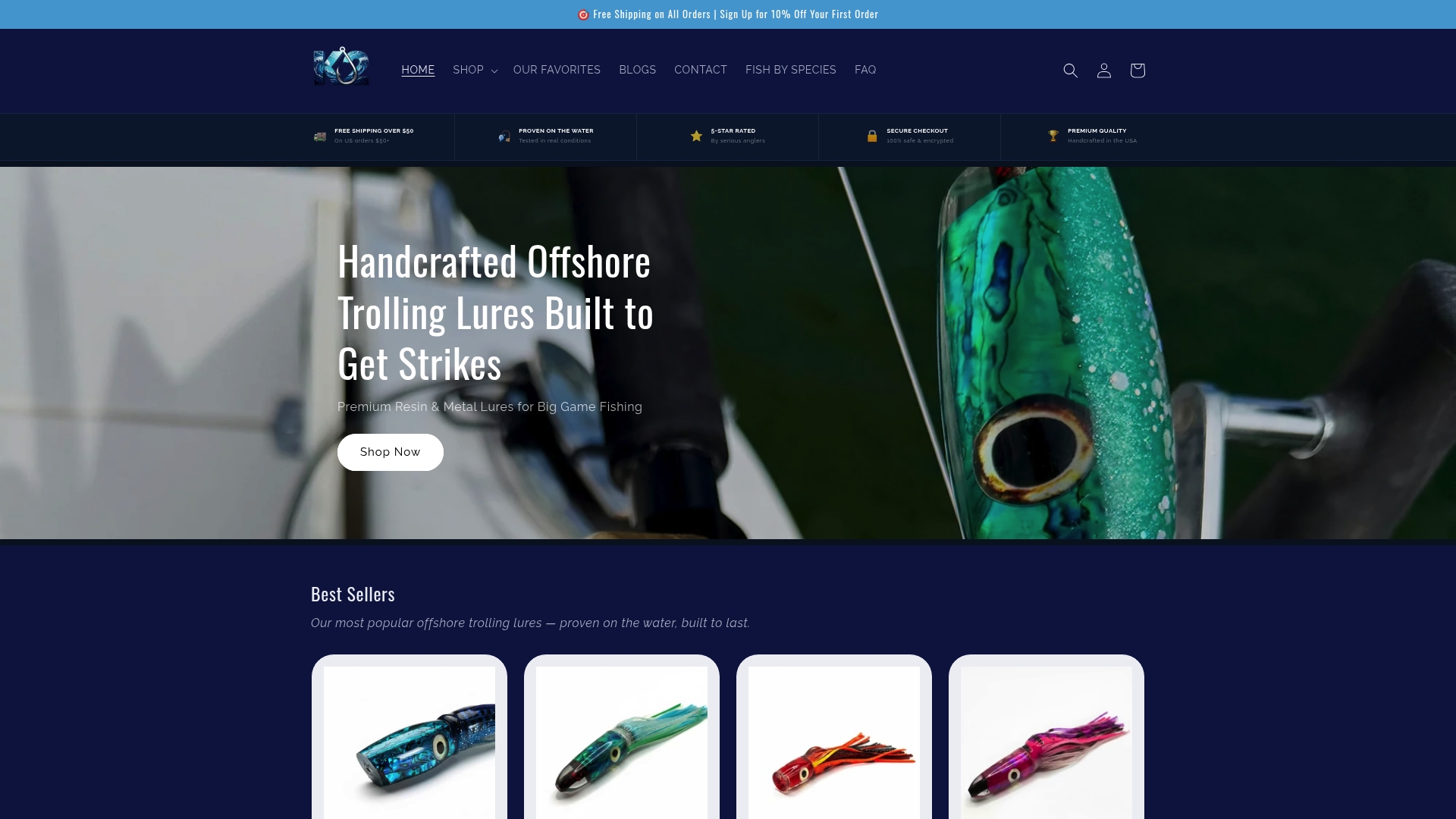
The abalone resin construction gives K2fishing lures a natural iridescence that complements glow-based fishing techniques, creating visibility from surface to depth. If you want to understand how design choices affect your catch rate, the offshore lure FAQs cover materials, rigging, and species-specific recommendations in detail. Serious anglers who want lures built for the conditions where bioluminescent design principles matter most will find the full collection worth exploring.
FAQ
What is the difference between bioluminescence and phosphorescence in lures?
Bioluminescence is light produced by a living organism through a chemical reaction, while phosphorescence is a physical process where a material absorbs and slowly releases stored light energy. Fishing lures use phosphorescence to mimic the glow effect of bioluminescent marine creatures.
How long do glow fishing lures stay charged?
Quality phosphorescent lure coatings emit light for up to 6 hours depending on pigment density and initial charge intensity. A UV flashlight produces a faster and brighter charge than sunlight, extending effective glow time during a fishing session.
Do UV fishing lures work the same as glow lures?
No. UV lures reflect ambient ultraviolet light and have no visibility in complete darkness, while glow lures emit stored light independently. In deep water or at night, only phosphorescent glow lures remain visible to fish.
What fish species respond best to bioluminescent-style lures?
Pelagic predators like tuna, marlin, and wahoo are among the most responsive because their retinas are tuned to detect point light sources against dark backgrounds. These species actively hunt bioluminescent prey in deep water, making glowing lures a biologically relevant trigger.
Can I use a regular flashlight to charge a glow lure?
A regular white flashlight will charge a phosphorescent lure, but a UV or blacklight flashlight charges it significantly faster and produces a stronger, longer-lasting glow. For best results on the water, carry a dedicated UV flashlight in your tackle bag.