

Elite-level success in bluewater fishing is achieved through dynamic spread management, not by adhering to static patterns. For the serious angler, mastering advanced offshore trolling techniques is the foundation upon which consistent results are built. This begins with understanding the mixed spread, a strategic combination of lures and baits chosen to target multiple pelagic species like marlin and tuna simultaneously. The composition of this spread is not fixed; it must be adapted based on species density, prevailing sea conditions, and real-time bite activity.
A critical component of this strategy is the identification and use of clean-water alleys. These are the lanes of undisturbed water that form behind the transom, outside the turbulent prop wash. Positioning lures within these alleys ensures a natural, enticing presentation that is essential for triggering strikes from wary predators. Lures swimming in chaotic, aerated water appear unnatural and are often ignored.
Ultimately, the objective is to create a cohesive and irresistible presentation that mimics a panicked school of baitfish. This illusion of an easy meal is a cornerstone of successful marlin fishing strategies and is what separates proficient captains from the rest of the fleet. This framework sets the stage for a more detailed examination of speed, rigging, and lure selection.
Optimizing Trolling Speed and Vessel Dynamics
Precise speed control is a non-negotiable element of a high-performance trolling operation. While the optimal speed range is generally between 4.5 and 9 knots, this is not a rigid rule. It is a variable influenced by vessel type, hull design, and even engine harmonics, which can attract or repel fish. Species-specific preferences demand further refinement. As research from Sport Fishing Magazine highlights, there is no single perfect speed, but patterns emerge. When learning how to catch marlin and tuna, captains often find that marlin respond best to speeds around 8.5 knots, while tuna frequently prefer a slower pace between 6.5 and 7 knots.
Visual confirmation is paramount. Lures and natural baits must be observed to ensure they are swimming correctly, without spinning or washing out on the surface. This requires continuous adjustments to maintain the desired action. It is also crucial to differentiate between speed over ground (SOG), as displayed by a GPS, and the actual speed through the water. Wind and current significantly affect the vessel, meaning a boat heading into a 2-knot current must run its engines harder to maintain the same lure action as a boat running down-current. Constant vigilance and fine-tuning are required to keep the spread performing at its peak.
| Factor | Marlin | Tuna |
|---|---|---|
| Optimal Speed Range | 7.5 - 9.0 knots | 5.5 - 7.5 knots |
| Lure Action | Aggressive, high-splash surface action | Steady, subsurface swimming action |
| Water Conditions | Effective in calm to moderate seas | Often prefer calmer surfaces for feeding |
| Vessel Harmonics | Less sensitive to engine noise | Can be sensitive to certain engine frequencies |
This table provides a baseline for adjusting trolling speeds. These figures are starting points; captains must fine-tune speed based on real-time lure performance and sea conditions.
Strategic Rigging and Advanced Teaser Placement
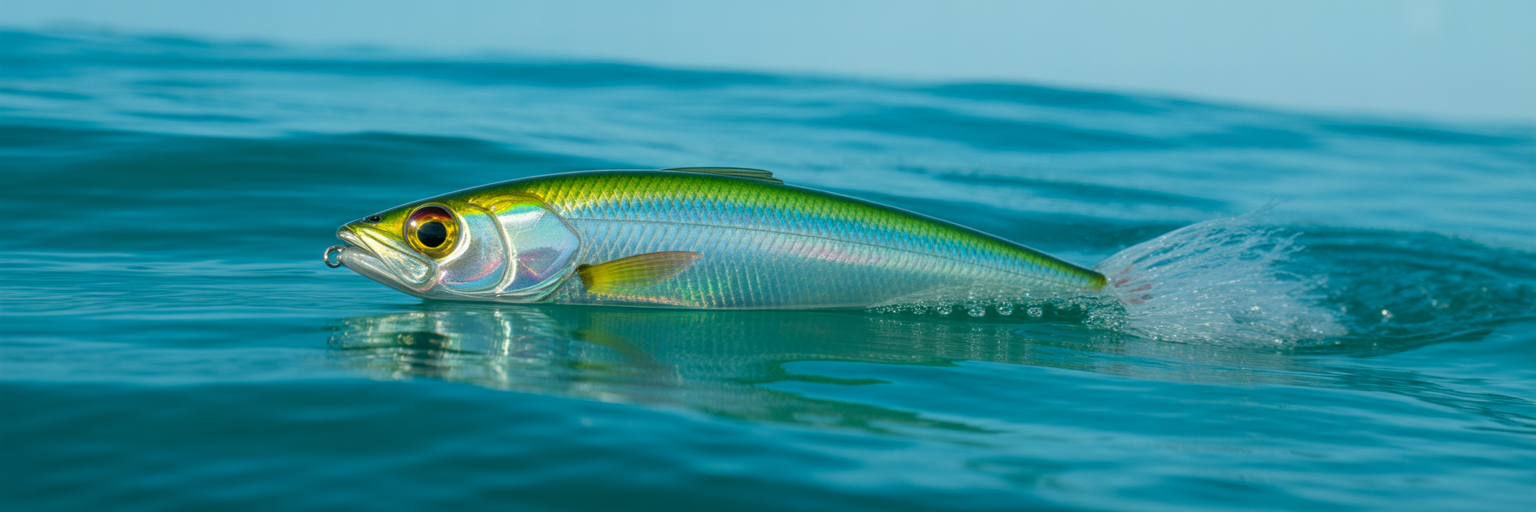
The architecture of a big game trolling spread is a calculated science. It is designed to present a compelling narrative to predators, with each component playing a specific role. The foundational principle involves deploying larger, more disruptive lures in the corner positions, closest to the transom. These lures create significant surface commotion, attracting the attention of dominant predators and drawing them into the spread. Examples of lures engineered for this high-impact role can be found among our large resin lures collection, which are built to withstand aggressive strikes.
This aggressive presentation is complemented by smaller lures positioned further back on the outrigger and stinger lines. These lures should possess high-flash characteristics to draw attention from a distance and mimic fleeing baitfish. Materials that provide exceptional flash are highly effective in this application. For instance, the design of our 15-inch Blue Abalone Lure is engineered for maximum visibility in deep blue water, making it an ideal choice for an outrigger position.
Furthermore, teasers are not optional accessories; they are indispensable components for raising all pelagic species. Squid chains, spreader bars, and dredge systems serve as the primary visual attractant, creating the illusion of a substantial bait school that pulls fish in from a wide radius. They bring curious and hungry predators into the spread, where the hooked lures can do their work. The final element is strategic spacing. The entire spread must be configured to maximize the bait school illusion while remaining manageable and tangle-free, especially during sharp turns or when a fish is on the line.
Adapting Lure Selection and Position in Real-Time
A "set it and forget it" mentality is the enemy of consistent success when trolling for pelagic fish. The most effective crews practice active, data-driven management of their spread throughout the day. Rather than endlessly cycling through unproven options, a superior strategy is to rely on a core set of lure colors with a history of performance. These proven patterns form the baseline for any trolling day.
- Black and Purple: A universal producer, effective in both bright sun and overcast conditions.
- Zucchini (Green/Chartreuse): Mimics many common baitfish and stands out in clear blue water.
- Rainbow/Mackerel: A classic pattern that imitates fleeing baitfish like mackerel or small bonito.
- Flamingo Pink: Highly visible at speed and often triggers aggressive strikes, particularly from wahoo and tuna.
When searching for the best trolling lures for tuna and other species, observation is key. The most aggressive tactic is to "double down" on success. When a specific lure, color, or position gets a bite, the crew must act decisively. This means switching other lines to that same presentation to capitalize on the active feeding pattern. For example, if a pink lure gets hit, it is wise to deploy another similar lure, such as our Flamingo Abalone Bullet Lure, to maximize opportunities. Keen observation is as vital as the initial setup. Anglers must constantly watch for changes in lure action and signs of fish in the spread, ready to react instantly to capitalize on fleeting opportunities.
Reading Environmental Cues for Productive Water
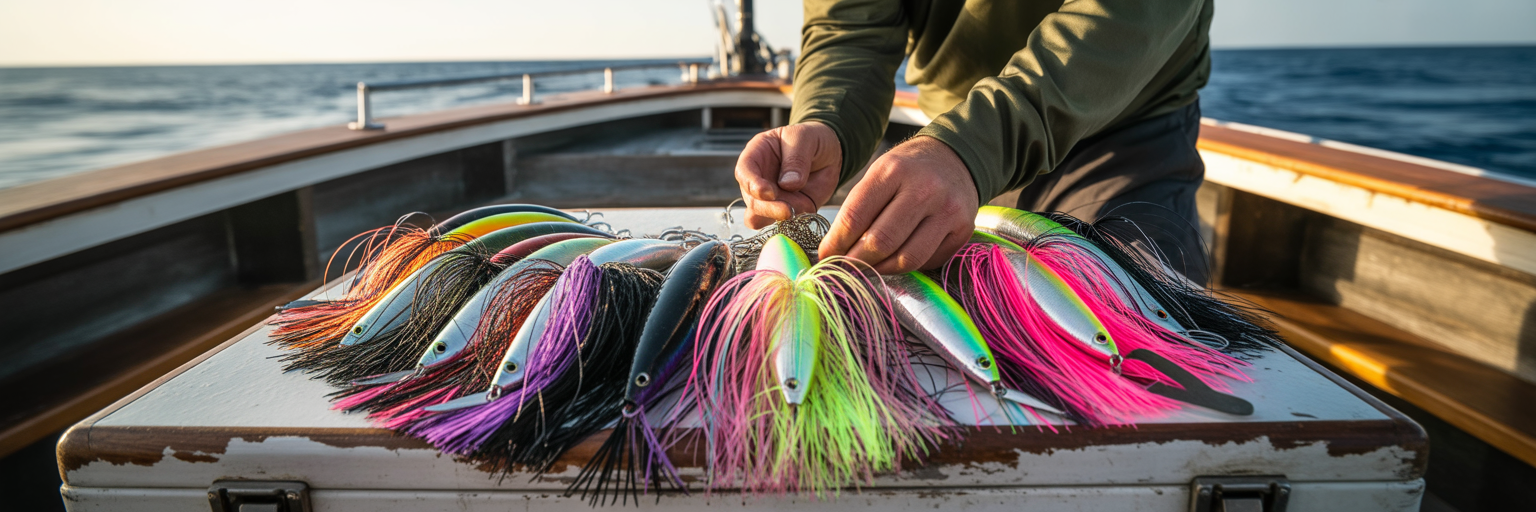
The most successful offshore anglers extend their focus far beyond the boat, constantly gathering intelligence from the surrounding marine environment. Locating productive zones requires identifying key indicators that concentrate bait and predators. Integrating these on-the-water observations with modern electronics, like high-definition sonar and sea surface temperature (SST) charts, provides a comprehensive understanding of the subsurface landscape. Pay close attention to these reliable cues:
- Temperature breaks where cooler and warmer water meet.
- Current rips and eddies that concentrate nutrients and bait.
- Weed lines (Sargassum) that provide structure and habitat.
- Distinct water color changes, indicating different water masses.
Observing bird activity is another classic and highly effective technique. Diving terns, shearwaters, and frigate birds are reliable signs of baitfish concentrations, which in turn attract game fish. Understanding how these environmental cues relate to target species is a skill developed over time, and our resources can help you break down tactics by species. Ultimately, elite-level success is the culmination of a perfectly tuned spread, tactical adaptability, and a deep understanding of the marine ecosystem. These elements work in concert to produce consistent, high-quality results.