

Abalone lures are defined as fishing lures built around natural abalone shell or abalone resin inserts that produce iridescent, color-shifting flash to trigger strikes from predatory fish. The abalone lure benefits explained in this guide cover three core advantages: superior durability from premium materials, visual attraction that outperforms synthetic foils, and realistic baitfish action that provokes aggressive strikes. K2fishing handcrafts these lures in the USA using abalone resin bodies and UV-resistant clear coats, targeting species like marlin, tuna, wahoo, and mahi mahi. If you want to understand why serious offshore anglers reach for abalone lures over standard plastic alternatives, this guide gives you the full picture.
What makes abalone lures durable and effective?
The structural foundation of an abalone lure determines how long it performs and how well it holds up under punishment. Premium abalone lures use either hardwood or resin bodies sealed with multiple UV-resistant clear coats that protect the shell insert and paint layers from sun, salt, and repeated strikes. That layering process is what separates a lure that lasts one season from one that holds up for years of hard trolling.
Abalone shell veneer and resin construction
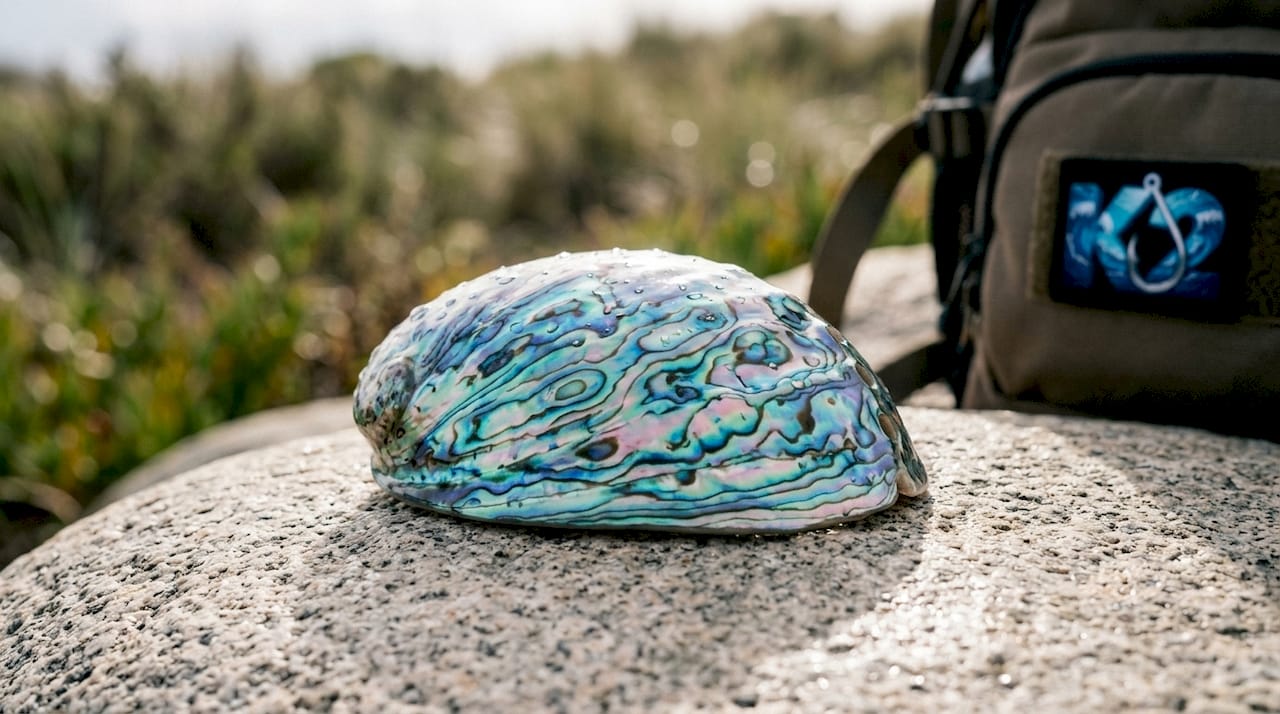
Natural abalone pearl veneer is pressed into or bonded onto the lure body before the clear coat layers are applied. This creates a shell-to-resin bond that resists delamination even when a 200-pound marlin clamps down at trolling speed. The veneer also adds structural rigidity to the lure’s midsection, which keeps the body from flexing out of shape over time.
Hand carving and painting add another layer of quality. Artisans cut 3D scale details into the body before painting, giving the lure a lifelike texture that flat-molded plastic cannot replicate. K2fishing applies this handcraft approach to every lure it produces, which is why the brand consistently earns five-star ratings from anglers who fish these lures hard offshore.
Key construction features that define a premium abalone lure:
- Resin or hardwood body for impact resistance at trolling speeds
- Natural abalone veneer or shell sheet inserts bonded before coating
- Multiple UV-resistant clear coat layers to lock in color and flash
- Hand-carved 3D scale detail for realistic surface texture
- Corrosion-resistant hardware including hooks and split rings rated for saltwater
Pro Tip: When inspecting a new abalone lure, run your fingernail lightly across the clear coat. A quality lure should feel glassy and uniform with no soft spots or bubbles over the shell insert.
Abalone shell veneer in resin-bodied lures significantly improves durability against high-impact strikes and trolling at speed. That durability translates directly into fewer lost lures and more time fishing.
How does abalone shell attract fish visually?
Abalone shell produces iridescent color shifts that no synthetic foil fully replicates. As light hits the shell from different angles, it cycles through greens, blues, pinks, and golds in a single pass. Predatory fish like tuna and marlin key in on this kind of shifting light because it closely matches the flank flash of a fleeing baitfish.
The key visual advantages of abalone shell in lure design include:
- Color-shifting iridescence that changes with water depth and sun angle
- Subtle, non-holographic flash that reads as natural rather than artificial
- Effective in low-light and overcast conditions where foil lures lose their edge
- Visible at depth due to the shell’s reflective layering structure
Natural abalone inserts deliver lifelike signals that offshore trolling anglers prize for targeting top predators. The difference between abalone flash and standard holographic foil is the quality of the signal. Foil produces a uniform, repetitive flash that experienced fish can learn to ignore. Abalone shell produces an irregular, organic shimmer that reads as alive.
Multiple UV-resistant clear coat layers intensify the shell’s color-shift effect under changing light. This means the visual attraction actually improves as the sun moves across the sky, giving you a lure that works harder throughout a full day on the water.
For anglers who want to add abalone flash to existing lures, natural abalone shell sheets sized 40 x 140 mm are a practical DIY option. These flexible, lightweight sheets attach with glue or thread and work in both saltwater and freshwater applications. The cost is low, and the visual upgrade is immediate.
Pro Tip: Match your abalone shell color to water clarity. Red and pink abalone tones work well in clear blue water. Green and gold tones tend to perform better in murky or greenish inshore water.
What fishing techniques get the most from abalone lures?
Abalone lures produce their best results when the retrieval style matches the lure’s built-in action. Handcrafted abalone lures deliver natural baitfish-like motion with wobbling and flashing actions effective across diverse fishing environments. The lure does most of the work. Your job is to choose the right speed and style to trigger the strike.
Effective techniques for abalone lure fishing:
- Trolling at 6–9 knots for marlin and tuna. This speed range activates the lure’s surface splash and keeps the abalone flash cycling rapidly. K2fishing’s offshore trolling lures are built specifically for this speed window.
- Walk-the-dog retrieval for topwater bass and pike. A rhythmic rod-tip twitch with a short pause creates an erratic side-to-side action that mimics a wounded baitfish. The abalone flash fires with each direction change.
- Slow roll for mahi mahi near weed lines. A steady, moderate retrieve keeps the lure just below the surface where mahi mahi hunt. The wobble and flash combination draws strikes from fish holding in the shade of floating debris.
- Twitching for sea bass in structure. Short, sharp rod twitches followed by a two-second pause let the lure flutter and flash near the bottom. Sea bass respond to the irregular movement pattern.
- Jigging for deep-water tuna. Drop the lure to the target depth and work it with a lift-and-drop motion. The abalone flash catches light even on the fall, which triggers reaction strikes.
Abalone lure bodies are designed for long casts and precise control, creating surface disturbance that provokes aggressive strikes even from wary predators. Balanced weight and shape contribute to maximum surface splash and erratic walk-the-dog action. That balance is what makes the same lure effective across multiple species and retrieval styles.
Pro Tip: For saltwater use, always rig abalone lures with corrosion-resistant hooks and split rings. Standard freshwater hardware corrodes within a few trips in salt water, which weakens the connection and costs you fish.
How do you maintain abalone lures to preserve their performance?
Proper care extends the life of an abalone lure significantly. Regular cleaning and careful storage prevent deterioration of abalone shell inserts and resin coats. A lure that looks good also fishes better because a clean, undamaged surface produces cleaner flash and smoother action through the water.
Follow these maintenance steps after every fishing session:
- Rinse with fresh water immediately after saltwater use. Salt crystals left on the surface accelerate corrosion on hooks and degrade the clear coat over time.
- Dry completely before storage. Moisture trapped between the shell insert and the resin body can cause delamination, especially in warm storage environments.
- Store in a padded lure wrap or hard case. Contact between lures scratches the clear coat and chips the abalone veneer. Each lure deserves its own slot.
- Keep lures out of direct sunlight during storage. UV exposure degrades resin and fades paint even through UV-resistant coats over extended periods.
- Repair surface chips promptly with clear nail polish or UV resin. A small chip left untreated lets moisture into the body, which expands the damage from the inside.
Avoiding UV damage and mechanical abrasion extends lure lifespan significantly. A well-maintained abalone lure can fish for years without losing its visual effectiveness, which makes the upfront cost of a premium handmade lure a sound long-term investment.
Key Takeaways
Abalone lures outperform standard plastic alternatives because they combine durable construction, organic iridescent flash, and realistic baitfish action that predatory fish cannot easily ignore.
| Point | Details |
|---|---|
| Material quality matters | UV-resistant clear coats and abalone veneer protect lure integrity through repeated strikes and trolling. |
| Shell flash beats foil | Abalone produces irregular, organic shimmer that reads as natural to predatory fish, unlike uniform synthetic foil. |
| Technique drives results | Match retrieval style to target species: troll at 6–9 knots for marlin and tuna, walk-the-dog for bass and pike. |
| Saltwater rigging is critical | Use corrosion-resistant hooks and split rings to maintain lure performance in harsh marine environments. |
| Maintenance extends lifespan | Rinse, dry, and store lures properly after each trip to preserve shell inserts and resin coats. |
What I have learned from fishing abalone lures offshore
I have fished a lot of lure types over the years, and abalone lures changed how I think about flash. Most anglers assume brighter is always better. That assumption costs them fish. The first time I trolled an abalone lure alongside a standard holographic skirt, the difference in fish response was not subtle. The marlin ignored the foil and hit the abalone lure on the second pass.
What I have observed is that the irregular color shift of abalone shell triggers a reaction that uniform flash does not. Tuna in particular seem to key in on the organic quality of the shimmer. It reads like a real fish, not a piece of hardware.
The most common mistake I see anglers make is running abalone lures too fast. Speed kills the wobble. When the lure planes out and loses its side-to-side action, it becomes just another shiny object in the water. Slow down, let the lure work, and the strikes will come.
My recommendation is to carry at least two abalone lures in your offshore spread and position them closest to the boat where the wake is most active. The surface turbulence amplifies the flash and the action, which is exactly where you want your best lure working hardest. For a deeper look at how these lures perform in real conditions, the abalone resin lure review from K2fishing is worth reading before your next trip.
— Daniel
K2fishing abalone lures built for serious offshore anglers
K2fishing builds its abalone resin trolling lures by hand in the USA, using the same materials and construction methods described in this guide. Every lure goes through real-world testing before it reaches your tackle box.
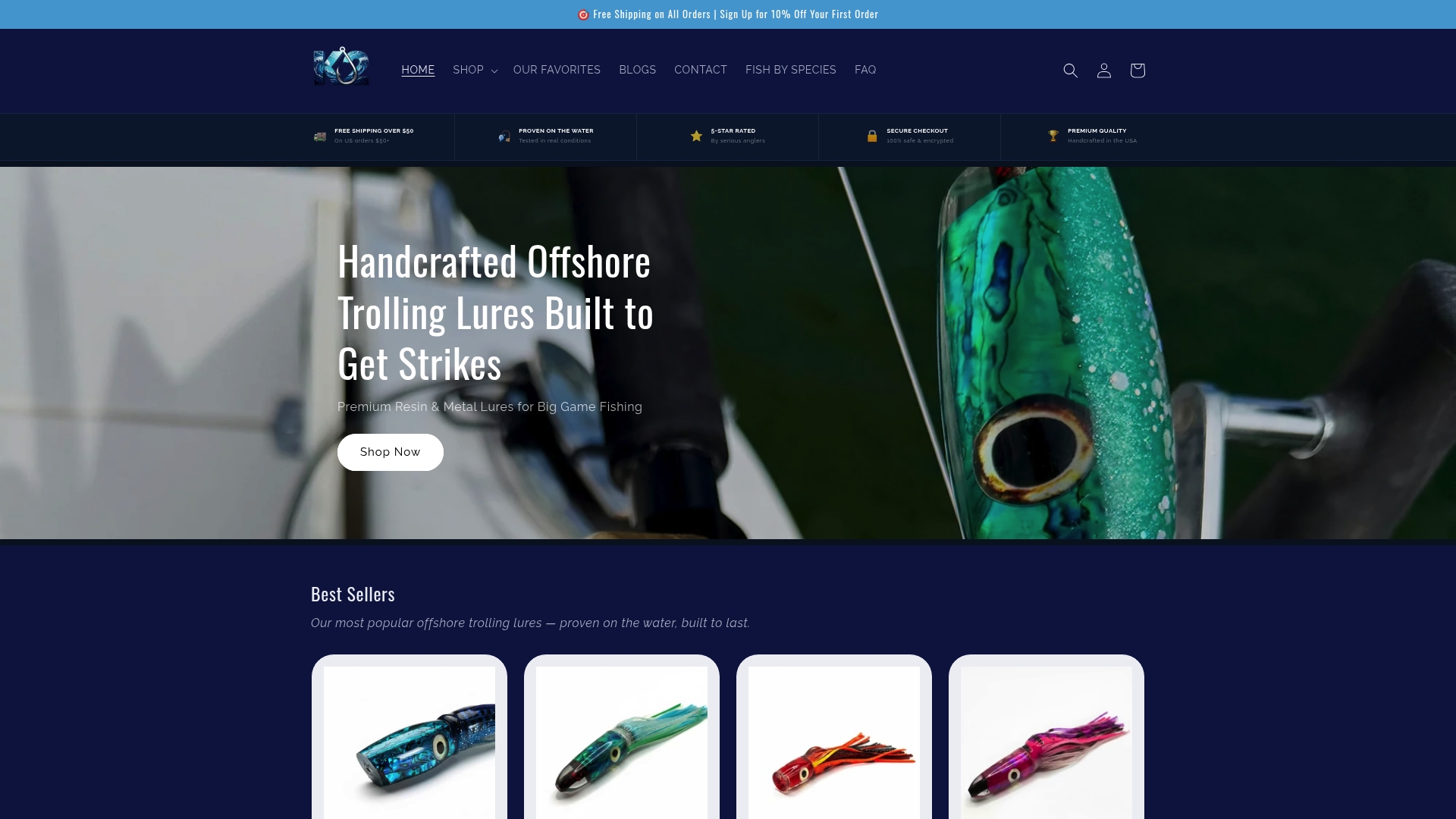
The Red Abalone Big Eye Lure and the Ghost White Abalone Trolling Lure are two of K2fishing’s most proven offshore models, both built at 7.5 inches with double big eye design for maximum visual impact at trolling speed. If you have questions about rigging, species targeting, or lure selection, the offshore fishing lure FAQs page covers the most common scenarios in detail. Anglers who fish these lures consistently report higher strike rates on marlin, tuna, and wahoo.
FAQ
What is abalone resin in lure making?
Abalone resin is a lure body material that incorporates natural abalone shell veneer or crushed shell into a resin casting, producing iridescent flash and structural durability. The resin matrix holds the shell in place while UV-resistant clear coats protect the surface from sun and saltwater damage.
Why do abalone lures attract big game fish?
Abalone shell produces an irregular, color-shifting shimmer that closely mimics the flank flash of a live baitfish. Predatory fish like marlin and tuna respond to this organic signal more readily than to the uniform flash of synthetic foil lures.
How do abalone lures compare to standard plastic lures?
Abalone lures outperform standard plastic lures in visual attraction because the shell insert creates lifelike iridescence that plastic cannot replicate. They also tend to be more durable when built with UV-resistant coatings and quality hardware.
What species can I target with abalone lures?
Abalone lures are effective on a wide range of species including marlin, tuna, wahoo, mahi mahi, sea bass, bass, and pike. The lure’s wobbling and flashing action works across both offshore saltwater and freshwater environments depending on the retrieval style used.
How do I keep abalone lures in good condition?
Rinse abalone lures with fresh water after every saltwater trip, dry them completely, and store them in a padded case away from direct sunlight. Repair any surface chips promptly with clear UV resin to prevent moisture from penetrating the body.