

Addressing Common Offshore Fishing Mistakes
In offshore fishing, the difference between a successful day and an empty fish box often comes down to mastering details that many overlook. Even seasoned anglers can fall into routines that limit their potential. This analysis dissects five critical yet subtle errors that hinder performance. By identifying and correcting these common offshore fishing mistakes, you can refine your technique and achieve more consistent results. We will examine five key areas where precision makes a measurable difference: interpreting environmental data, maximizing electronics, perfecting tackle presentation, reading on-water cues, and optimizing crew collaboration. This is not a beginner's guide, but a high-level review intended to sharpen the approach of dedicated anglers committed to excellence.
Mistake 1: Ignoring Real-Time Environmental Data
A frequent error is the over-reliance on historical GPS waypoints. While these spots may have produced in the past, pelagic species follow mobile conditions, not fixed locations. The most successful operations prioritize dynamic targeting based on current environmental factors. A pre-trip analysis of satellite imagery is a non-negotiable for any serious offshore program. This data-driven approach provides a significant tactical advantage, allowing you to build a flexible game plan centered on high-probability zones.
Focus your analysis on these key data points:
- Sea Surface Temperature (SST) Charts: These are essential for identifying temperature breaks, eddies, and upwellings. Predators actively hunt along these thermal edges where baitfish congregate, making them prime targets.
- Chlorophyll Charts: These charts indicate areas of high phytoplankton concentration, which forms the base of the marine food web. Nutrient-rich waters attract baitfish, and where you find the bait, you will find the game fish.
As an article from BDOutdoors highlights, success is often hindered by rigid adherence to past locations rather than adapting to current conditions. Using this data to locate predators is fundamental to learning how to improve offshore fishing outcomes. This analytical approach is particularly effective when you fish by species, as it helps you pinpoint the specific conditions that hold fish like tuna and marlin.
Mistake 2: Underutilizing Marine Electronics
Owning advanced marine electronics is not the same as mastering them. A prevalent issue is anglers using only a fraction of their Multi-Function Display (MFD) capabilities, relying on default settings and basic functions. An MFD should be operated as an active reconnaissance tool, not a passive navigation aid. Moving beyond basic sonar and GPS functions allows you to interpret the underwater environment with far greater precision. Strategic application of advanced features is critical for superior targeting accuracy.
Consider adjusting side-scan contrast to better distinguish bottom structure from bait balls or using specific water column zooming to isolate target species holding at precise depths. These adjustments provide a clearer picture of what is happening below the surface. Dedicating time to practice with these features is as critical as any other aspect of preparation. The following table illustrates the tactical advantage gained by moving beyond default settings.
| Feature | Basic Use (The Mistake) | Advanced Use (The Solution) |
|---|---|---|
| Sonar / Fishfinder | Viewing the entire water column on auto settings. | Using manual gain and water column zoom to isolate thermoclines and specific target depths. |
| GPS / Chartplotter | Navigating to pre-saved waypoints. | Overlaying SST and chlorophyll data to identify dynamic, high-probability zones. |
| Side-Scan Imaging | Identifying obvious structures like wrecks or reefs. | Adjusting contrast to differentiate between hard bottom, soft bottom, and bait schools. |
This table illustrates how moving beyond default settings on marine electronics provides a significant tactical advantage, allowing anglers to interpret underwater environments with greater precision.
Mistake 3: Improper Tackle and Bait Presentation

The connection between tackle, lure action, and success cannot be overstated. A primary failure is using mismatched or under-specced gear. Attempting to use freshwater tackle for powerful saltwater species, for example, inevitably leads to gear failure and lost fish. Proper offshore tackle preparation is foundational. A balanced rod-and-reel setup is not just for fighting fish; it is essential for imparting the correct action to a trolling lure, which is critical for triggering strikes.
One of the most frequent oversights is failing to test lure and bait action at boatside before deployment. Wary predators like marlin and tuna possess keen senses and will reject a lure that is spinning, tumbling, or otherwise not swimming perfectly. This is one of the most damaging common trolling errors. This is where premium, performance-tested tackle demonstrates its value. High-quality, USA-rigged lures, such as our large resin lures, are engineered for durability and a flawless presentation straight out of the package. The unique flash of abalone resin is highly effective at attracting game fish, a quality that, as noted in an article on the appeal of abalone, provides an iridescent shimmer that mimics natural bait. Investing in tackle designed for a perfect presentation is a direct investment in your success rate.
Mistake 4: Neglecting On-Water Environmental Cues
While pre-trip data analysis sets the stage, ignoring real-time, on-water observations is a critical mistake. The environment provides constant feedback, and the best anglers are adept at interpreting it. A primary failure is not monitoring atmospheric conditions, specifically barometric pressure. A sharp rise or fall in pressure directly influences fish behavior and feeding patterns, and adjusting tactics accordingly can turn a slow day into a productive one.
Another often-underestimated factor is acoustic disturbance. Sound travels efficiently underwater, and loud noises from the boat, such as dropped tools, slamming hatches, or shouting, can spook sensitive species long before your lures are in range. Maintaining a quiet, deliberate presence on deck is especially important in calm conditions. To improve your situational awareness, implement these practices:
- Continuously monitor the barometer and adjust your strategy based on pressure trends.
- Maintain a quiet and deliberate presence on deck to minimize underwater noise.
- Pay close attention to visual indicators of life, including bird activity, bait slicks, and organized weed lines.
This heightened awareness is a key differentiator that separates consistently successful anglers from those who rely solely on electronics or luck.
Mistake 5: Inadequate Personal and Crew Preparation
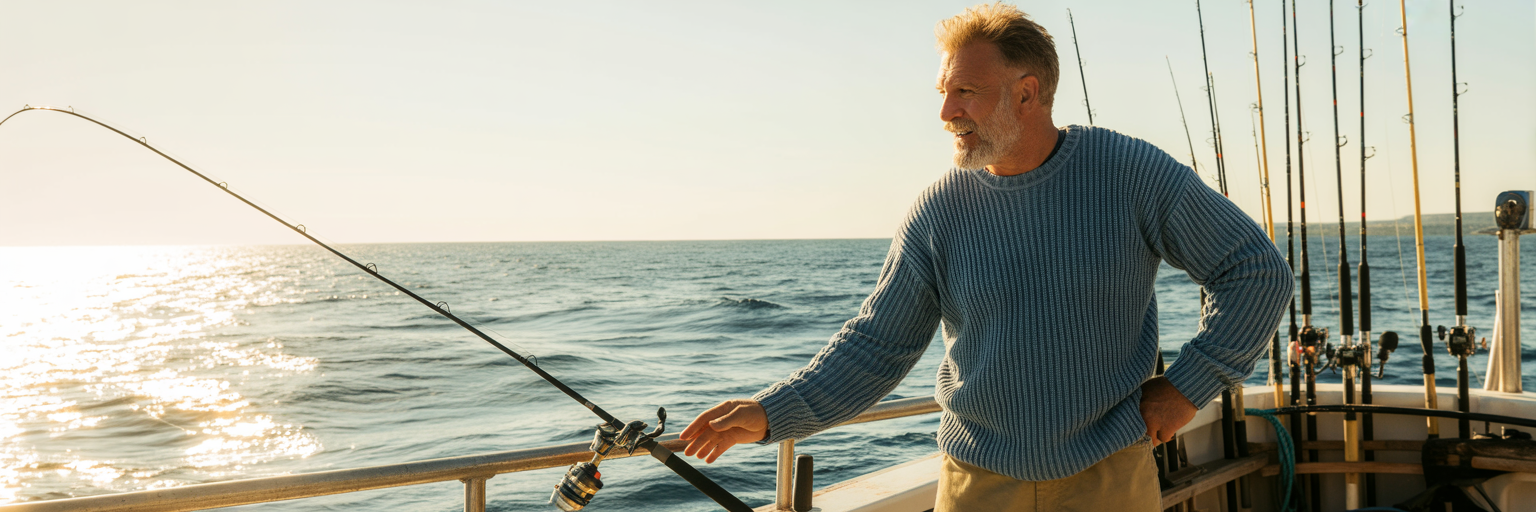
The human element is a crucial component of any successful offshore trip. An angler's personal readiness, from preventing motion sickness to wearing appropriate layered clothing for changing marine conditions, is the baseline. However, a more significant error is overlooking the expertise of the crew. A professional captain and mate are constantly making micro-adjustments based on years of experience and observations that may not be obvious to guests. Treating the crew as an integral part of a high-performance team is essential.
Anglers who collaborate with their crew, ask questions about lure placement, and listen to advice on trolling speeds will see better results. These interactions provide some of the most valuable big game fishing tips available. A prepared angler who leverages the full knowledge of their crew and works with trusted partners significantly increases their chances of success. Effective teamwork is not just about convenience; it is a foundational element of a safe and productive day on the water.
Achieving Consistent Offshore Success
Consistent success in offshore fishing is a discipline of precision, not a matter of chance. By focusing on data-driven planning, electronics mastery, meticulous tackle preparation, on-water environmental awareness, and collaborative teamwork, you can systematically improve your results. Avoiding these common offshore fishing mistakes requires a commitment to continuous learning and a professional mindset. Mastering these details is what elevates an angler's performance from occasional success to consistent, impressive big-game catches. It is the dedication to this process that defines the most accomplished fishermen on the water.