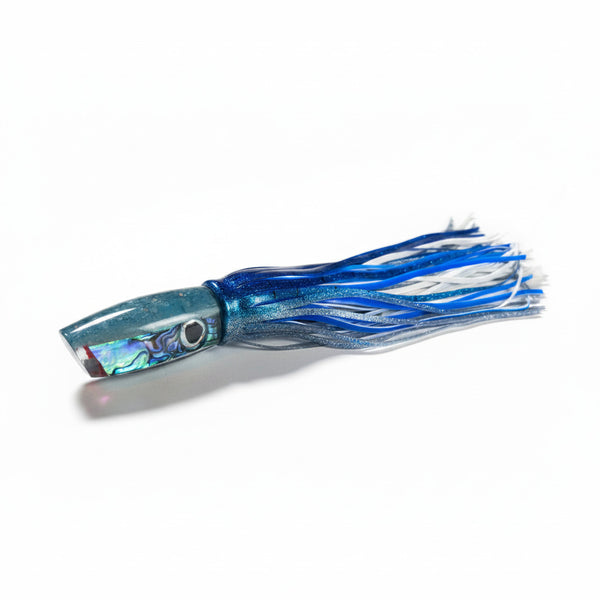
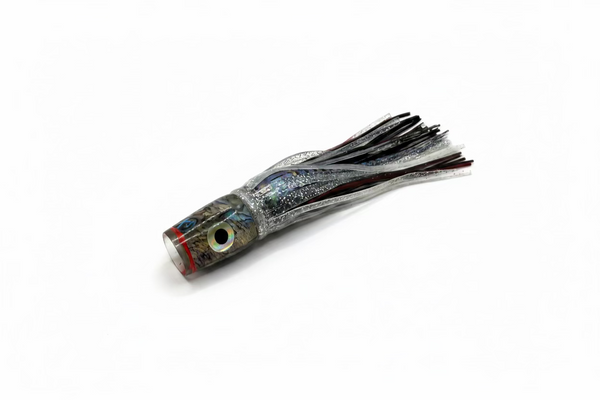
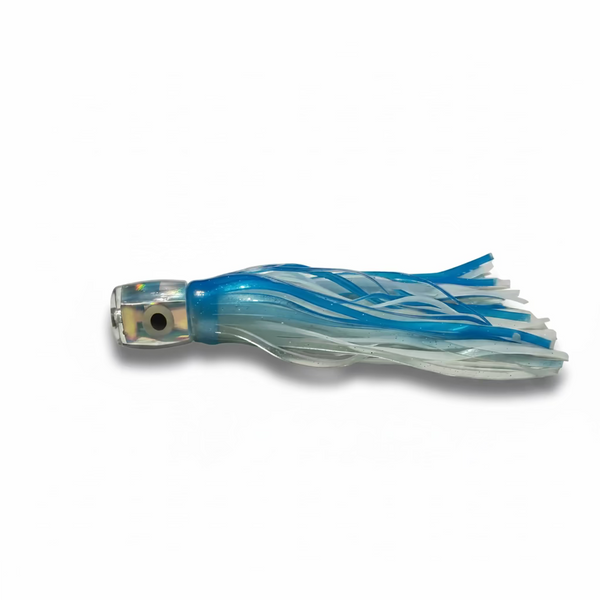
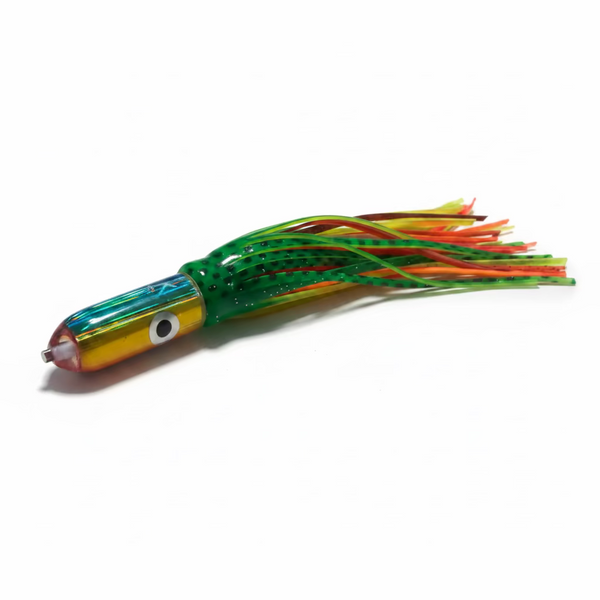
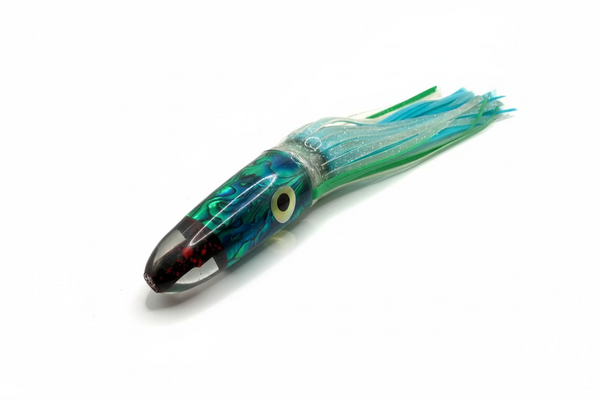
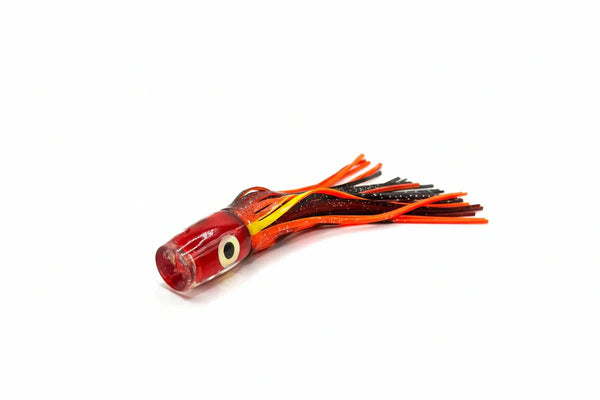
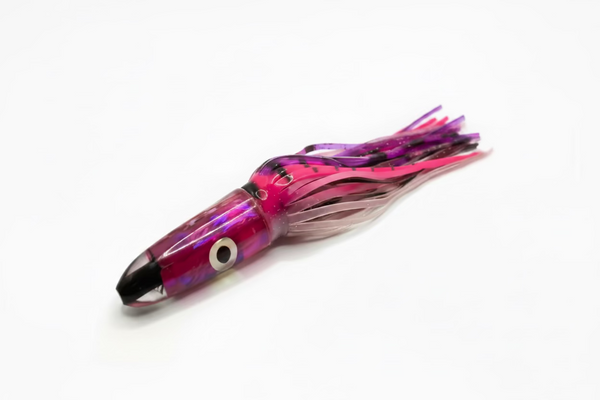
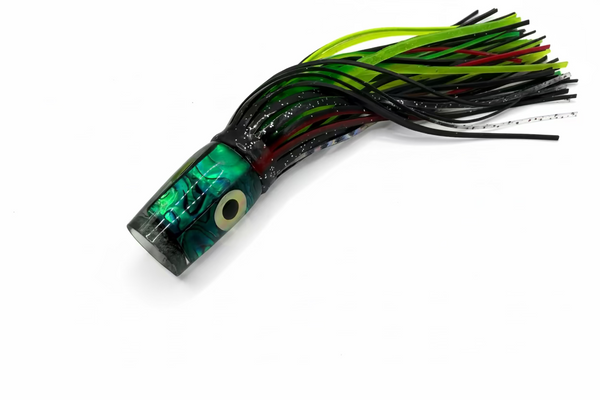
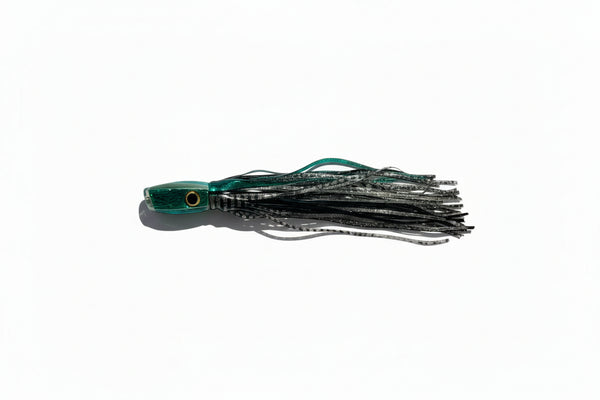
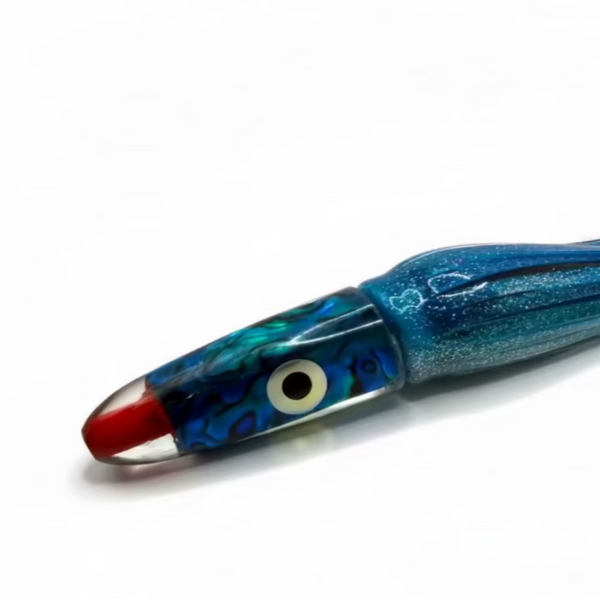
A winning offshore tournament lure spread is a precisely arranged system of lures designed to mimic a panicked bait school, triggering the predatory instincts of big-game fish like marlin, tuna, wahoo, and mahi. The industry term for this system is a trolling spread, and getting it right separates the boats that place from the boats that watch. The standard tournament trolling pattern uses 5 to 7 lines, including two flat lines, two outriggers, and a center shotgun line. That arrangement creates the visual footprint of a fleeing bait school, which is exactly what apex predators are looking for. K2fishing builds its handcrafted abalone resin lures specifically to perform within this kind of spread, where flash and brightness at each position make the difference between a follow and a strike.
What is the standard offshore tournament lure spread setup?
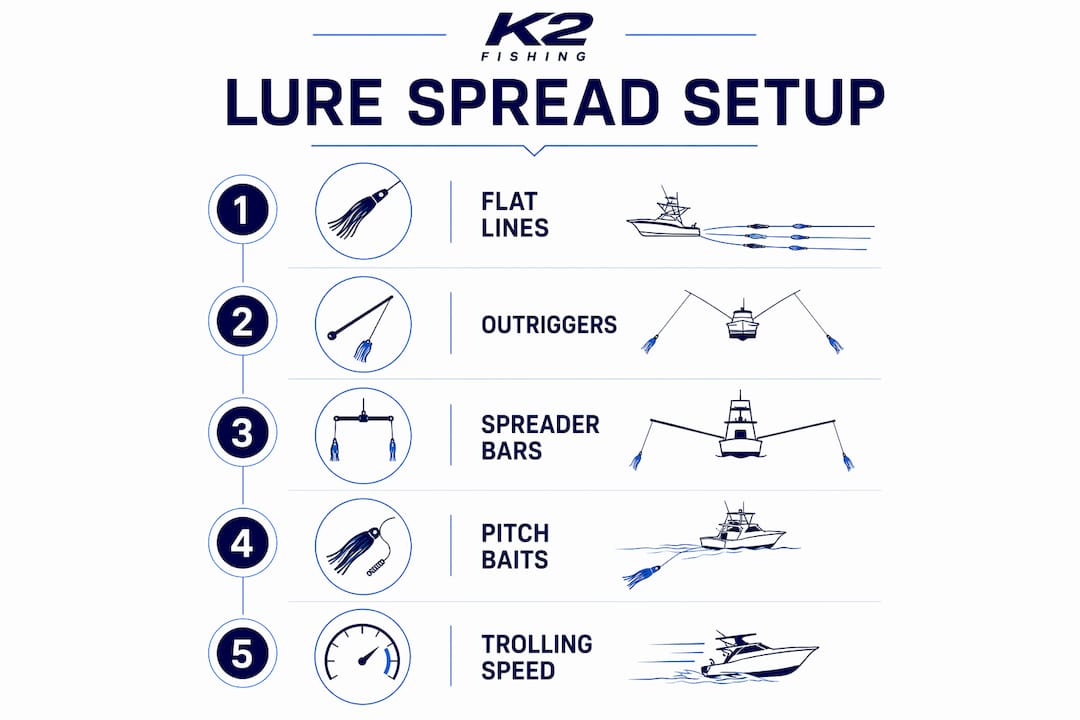
The 5 to 7 line spread is the foundation every serious tournament crew builds from. Two flat lines run closest to the boat, typically 20–40 feet back. Two outrigger lines run wider and longer, usually 60–100 feet back. The shotgun line runs dead center and farthest back, often 150 feet or more, targeting fish that hang in the prop wash.
Trolling speed matters as much as position. General trolling with natural baits runs at 6–8 knots. Pure lure spreads can push up to 12 knots, which suits faster species like wahoo. Speed affects how each lure swims, so every position in the spread needs a lure matched to that speed range.
The spread works because it replicates a bait school in full panic. Predators read the visual cues: multiple targets moving erratically at different distances and depths. The table below outlines the standard positions and their typical characteristics.
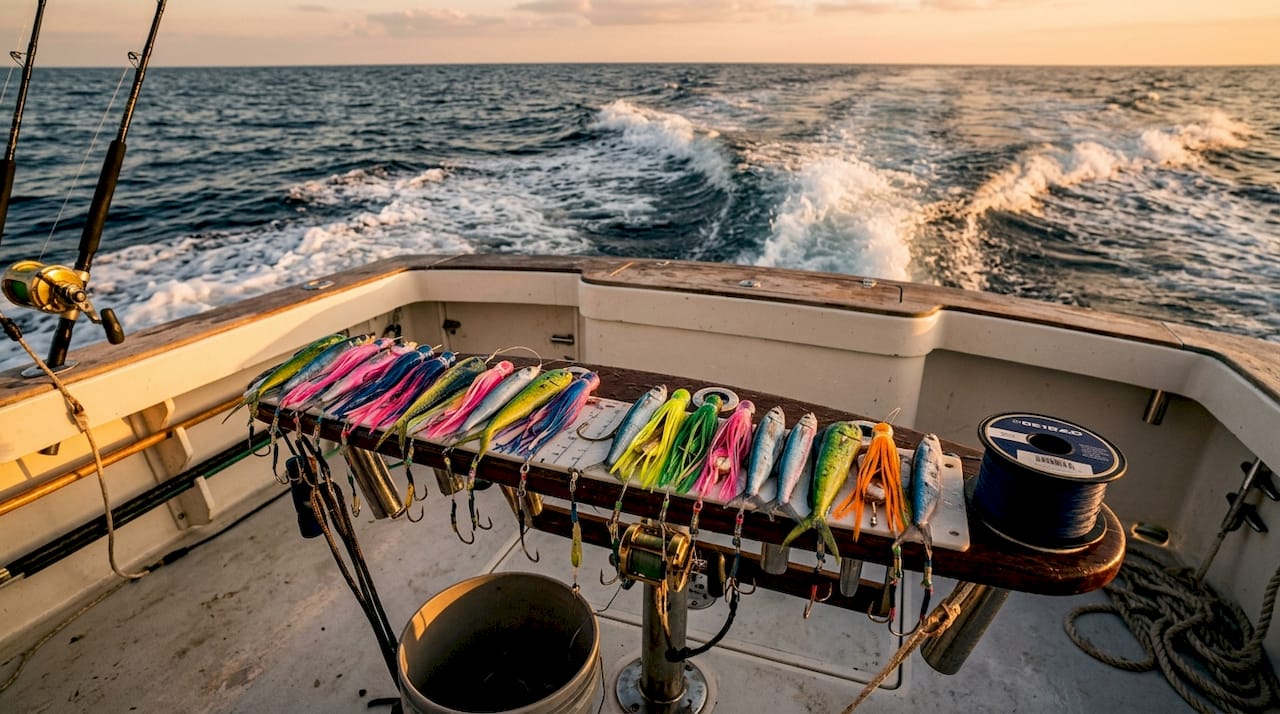
| Position | Distance from boat | Depth | Primary function |
|---|---|---|---|
| Flat lines (x2) | 20–40 feet | Surface | Short strike zone, quick hookups |
| Outriggers (x2) | 60–100 feet | Surface to mid | Wide visual footprint |
| Shotgun (center) | 150+ feet | Surface | Targets prop wash followers |
| Dredge | 30–60 feet | 10–30 feet down | Deep attractor, no hook |
| Spreader bar | 40–80 feet | Surface to 5 feet | Bait pod simulation |
How do dredges, spreader bars, and pitch baits work together?
Tournament anglers apply a three-dimensional lure hierarchy that pulls fish from depth, holds them at the surface, and then delivers a kill shot. Each component has a specific job, and the system only works when all three are in place.
Here is how each layer functions:
- Dredge: Runs deep, typically 10–30 feet below the surface. It carries no hook. Its job is to attract fish from depth and pull them upward toward the spread. A large dredge loaded with natural baits or soft plastic imitations creates a visual mass that billfish and tuna cannot ignore.
- Spreader bar: Runs on or just below the surface, simulating a pod of baitfish. Spreader bars create a larger visual footprint that attracts fish from wider areas when combined with a dredge. Tuna bars run slightly deeper; mahi bars run brighter and closer to the surface.
- Pitch bait: A single rigged bait or lure held ready by a crew member. When a fish follows the spread, the pitch bait goes into the water directly in front of the fish. This is the kill shot.
- Stinger bait: The trailing lure on the spreader bar. The stinger bait holds the hook that converts follows into strikes. Fish attack the back of the bait pod, and the stinger is positioned exactly there.
Spacing between each component is critical. Too tight and the spread looks unnatural. Too wide and fish lose the visual connection between layers. Most tournament crews position the dredge directly behind the transom, the spreader bar 40–60 feet back, and the pitch bait ready in hand.
Pro Tip: Place your stinger bait 18–24 inches behind the last bait on the spreader bar. Fish attack the trailing edge of a bait pod, and that gap is where the hook needs to be.
What are best practices for rigging and daily preparation?
Winning offshore tournaments relies heavily on logistical excellence and preparation routines rather than on-the-water technique alone. The crews that consistently place do the boring work better than everyone else. That means fresh rigs every morning, quality bait, and zero tolerance for worn or compromised gear.
Follow this daily preparation sequence:
- Rig hook baits fresh each morning. Greenback ballyhoo rigged the night before lose their action by dawn. Fresh ballyhoo swim better, stay on the hook longer, and produce more strikes. Source the largest, most uniform ballyhoo you can find and cull any that are soft or discolored.
- Maintain 5–10 backup rigs at all times. Pro anglers keep ready stocks of fully rigged dredges and backup lures to prevent downtime during high-pressure bite windows. A gear failure during a 20-minute bite window can cost you the tournament.
- Check hook sharpness before every deployment. Circle hooks dull faster than most anglers expect. Most U.S. billfish tournaments require 7/0–8/0 circle hooks with natural bait to improve fish survival. Dull hooks on a required circle hook are a double loss.
- Inspect swivel placement on every rig. Swivel positioning affects hook presentation and hookup rates. A swivel that has shifted even an inch can cause the bait to spin unnaturally and kill strikes.
- Re-rig after every strike or fish encounter. A bait that has been hit is compromised. The hook may be bent, the ballyhoo may be torn, and the rig may have twisted. Pull it and replace it immediately.
Pro Tip: Pre-rig your dredges and spreader bars the evening before the tournament day. That frees your morning for fresh hook baits and last-minute adjustments without rushing.
Which lure colors, sizes, and types produce the most strikes?
Lure selection is species-specific, and the best tournament crews treat it that way. Optimal lure colors vary by target species: dark colors like black, purple, and dark blue produce for tuna, while bright colors like chartreuse, pink, and orange draw mahi. Wahoo respond well to high-contrast patterns, particularly silver and blue combinations.
Size staggering across the spread mimics the natural diversity of a bait school. Running all the same size lure looks artificial. A typical tournament spread mixes smaller cedar plugs or bullet heads on flat lines with larger skirted ballyhoo on outriggers and a big skirted lure on the shotgun.
| Lure type | Best species | Conditions | Trolling speed |
|---|---|---|---|
| Skirted ballyhoo | Billfish, mahi | Any | 6–8 knots |
| Bullet head lure | Wahoo, tuna | Clear water | 8–12 knots |
| Cedar plug | Tuna | Choppy water | 6–7 knots |
| Spreader bar | Tuna, mahi | Flat to moderate | 6–7 knots |
| Large skirted lure | Marlin | Blue water | 7–9 knots |
K2fishing’s abalone resin trolling lures are built specifically for this kind of spread. The abalone resin creates a flash and brightness that standard plastic lures cannot replicate, which matters most in the outrigger and shotgun positions where lures need to attract fish from distance. For mahi-specific positions, bright abalone patterns outperform flat colors in most conditions.
What common mistakes cost anglers strikes in a tournament spread?
Improper spacing causes lure tangles, reduces lure action, and creates downtime at the worst possible moment. Most tangles happen when anglers run flat lines too close to outriggers or fail to account for how the boat turns. Every turn tightens one side of the spread and loosens the other.
The most common mistakes that cost tournament anglers strikes:
- Spacing errors: Flat lines and outriggers running too close together create tangles on turns and reduce the visual spread that attracts fish.
- Speed neglect: Failing to adjust trolling speed for changing conditions reduces lure action. A skirted lure that was swimming perfectly at 7 knots may skip and spin at 8.5 knots after a speed increase.
- Stale bait: Ballyhoo that has been in the water for more than 45 minutes loses its natural scent and action. Replace hook baits regularly, not just after strikes.
- Ignoring lure action: Watch each lure from the stern before you set lines. A lure that skips, spins, or runs off to one side will not produce. Fix it before it goes back.
- No backup plan: Crews that run out of rigged baits during a bite window lose fish. Preparation is the only solution.
Pro Tip: Check your lure action every time you change speed by more than half a knot. What swims perfectly at 6.5 knots may need a head adjustment at 7.5 knots.
Key takeaways
A winning offshore tournament lure spread requires a three-dimensional setup, species-matched lure selection, and disciplined daily preparation that keeps every position in the spread fishing at full effectiveness.
| Point | Details |
|---|---|
| Use a 5 to 7 line spread | Run flat lines, outriggers, and a shotgun line to replicate a panicked bait school. |
| Apply the dredge-bar-lure hierarchy | Layer dredges deep, spreader bars at surface, and pitch baits in hand for the kill shot. |
| Rig fresh every morning | Replace hook baits daily and re-rig immediately after every strike or fish encounter. |
| Match lures to species and conditions | Use dark colors for tuna, bright colors for mahi, and high-contrast patterns for wahoo. |
| Keep 5–10 backup rigs ready | Downtime during a bite window costs tournaments; redundancy is non-negotiable. |
What I’ve learned after years of watching tournament spreads succeed and fail
The biggest misconception in tournament fishing is that the winning crew had better lures. In my experience, the winning crew had better systems. The lures matter, but they matter a lot less than whether your ballyhoo was rigged fresh that morning, whether your stinger bait was in the right position, and whether your crew had a backup rig ready when the first one got hit.
I’ve watched boats with expensive gear lose to crews running simpler setups because the simpler crew was more disciplined. They checked lure action after every speed change. They re-rigged after every strike without being told. They had backup dredges ready before the sun came up.
The other thing I’d push back on is the idea that you need to reinvent the spread to win. The 5 to 7 line pattern works. The dredge-bar-lure hierarchy works. What separates tournament winners is how precisely they execute a proven framework, not how creatively they deviate from it. Innovate within the system, not against it. Adjust colors, sizes, and speeds based on what the fish are telling you that day. But keep the structure intact.
If you want to improve your tournament results this season, spend less time researching new lures and more time tightening your morning prep routine. The fish are out there. The question is whether your spread is ready when they show up.
— Daniel
K2fishing lures built for tournament spreads
Tournament anglers need lures that perform at every position in the spread, from the short flat lines to the long shotgun. K2fishing handcrafts each lure in the USA using abalone resin, a material that produces a flash and depth of color that standard resin cannot match. That brightness matters most in the outrigger and shotgun positions, where lures need to pull fish from distance.
K2fishing’s offshore trolling lure collection covers the full range of tournament spread positions, from compact 7.5-inch double skirt lures to large 15-inch abalone resin models built for blue water marlin. For species-specific rigging questions and spread setup guidance, the offshore fishing lure FAQ covers the most common tournament scenarios in detail. Every lure ships ready to fish.
FAQ
What is a tournament winning lure spread?
A tournament winning lure spread is a 5 to 7 line trolling arrangement that mimics a panicked bait school using flat lines, outriggers, a shotgun line, dredges, and spreader bars. The goal is to create a three-dimensional visual presentation that triggers strikes from big-game species like marlin, tuna, and mahi.
What trolling speed works best for offshore tournament spreads?
General trolling with natural baits runs at 6–8 knots, while pure lure spreads targeting wahoo can push up to 12 knots. Speed should be adjusted based on target species and lure action observed from the stern.
How often should you re-rig during a tournament?
Re-rig hook baits fresh every morning and replace any rig immediately after a strike or fish encounter. Top tournament crews keep 5–10 backup rigs ready to avoid downtime during active bite windows.
What hook size do billfish tournaments require?
Most U.S. billfish tournaments require 7/0–8/0 circle hooks when fishing with natural bait. These regulations support catch-and-release practices, with minimum size requirements typically ranging from 99 to 110 inches for billfish.
What lure colors work best for different offshore species?
Dark colors like black and purple produce for tuna, bright colors like chartreuse and pink attract mahi, and high-contrast silver and blue patterns work well for wahoo. Matching lure color to target species is a core part of any effective tournament lure strategy.