Tuna are the top choice for family fishing trips because they deliver fast, social, and accessible offshore action that keeps every age group engaged. Unlike many big-game species that demand long boat rides and patience, tuna often school within 15–30 miles of shore, meaning families spend more time catching and less time traveling. Charter crews handle all the technical work, so beginners and kids can participate safely from the first cast. The result is a family fishing adventure built on shared excitement, not expertise.
Why tuna are popular family fishing targets: behavior and habitat
Tuna are schooling fish. That single biological fact is the foundation of why they suit family groups better than almost any other offshore species.
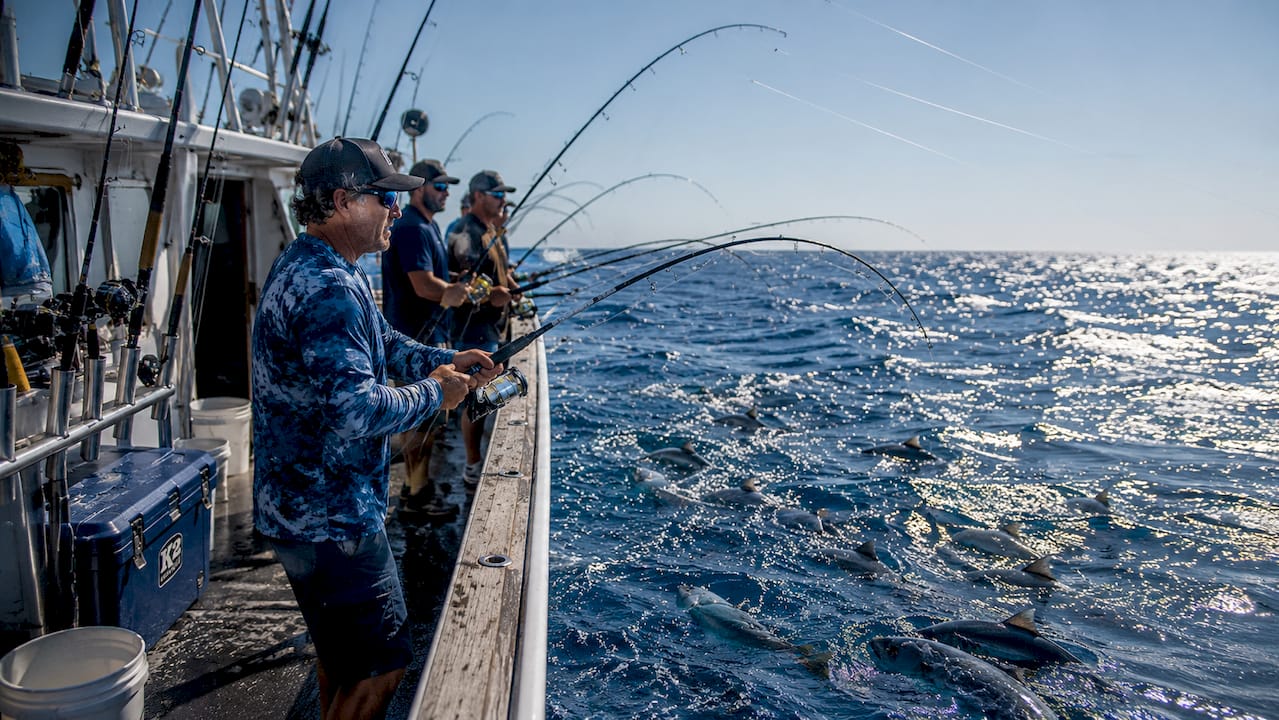
When a school of tuna moves through, multiple rods bend at once. Everyone on the boat has a job. Someone reels, someone cheers, someone spots the next bird pile on the horizon. That simultaneous hookup chaos is what separates tuna from solitary big-game targets like swordfish, where one angler fights one fish while the rest of the group watches.
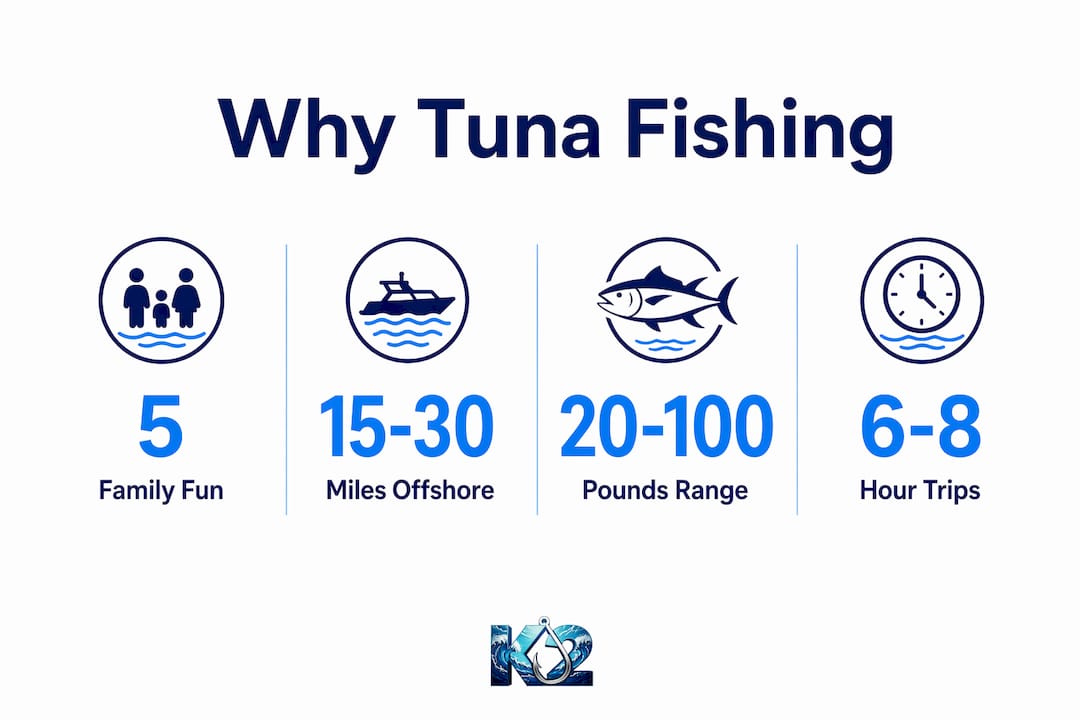
Tuna also live close. Productive grounds typically sit 15–30 miles offshore, which means a 6–8 hour trip covers travel, fishing, and the ride home without exhausting younger passengers. That range puts tuna within reach of ports like Port Canaveral, the Florida Keys, and Gulf Shores without requiring an overnight run.
The fight itself is intense but manageable. Blackfin tuna commonly run 20–100 lbs, giving every family member a real battle on the rod without requiring the physical endurance that a 500 lb blue marlin demands. Charter crews step in to assist when needed, so no one gets hurt and no one gets left out.
| Species | Distance offshore | Avg. fight time | Schooling behavior | Beginner-friendly |
|---|---|---|---|---|
| Blackfin tuna | 15–30 miles | Short to moderate | Yes, frequent | Yes, with crew support |
| Yellowfin tuna | 30–60 miles | Moderate to long | Yes, seasonal | Moderate |
| Blue marlin | 50+ miles | Very long | No, solitary | No |
| Mahi-mahi | 20–40 miles | Short | Sometimes | Yes |
| Swordfish | 100+ miles | Very long | No, solitary | No |
Pro Tip: Ask your captain specifically about blackfin tuna if you have younger kids on board. Blackfin are the most accessible tuna species for beginners and school heavily in Florida waters from fall through spring.
How tuna charters create the perfect group experience
The social energy on a tuna charter is unlike anything else in offshore fishing. When multiple rods bend simultaneously, the deck turns into a team sport. Families rotate through rods, shout encouragement, and share the moment of bringing a fish to the boat together.
That group dynamic is not accidental. It is a direct product of tuna behavior. Because tuna school, the action comes in bursts that involve everyone at once rather than one person at a time. Even family members who are not on a rod stay fully engaged by spotting diving birds, watching the spread, or helping clear lines when a fish runs.
Here is what makes the social environment work for families:
- Everyone participates. Rotating rods means every family member gets a turn, regardless of experience level.
- Non-anglers stay busy. Spotting birds, watching the outriggers, and cheering from the rail keeps younger kids and non-fishing adults in the action.
- Crews handle the hard parts. Charter captains instruct when to reel, manage heavy tackle, and handle the fish at the boat so guests focus on the fun.
- Fast action reduces boredom. Tuna’s pace means the wait between bites is short, which is critical for keeping children engaged.
- Shared achievement builds bonds. Landing a tuna as a group creates a memory that a solo catch simply cannot replicate.
Pro Tip: Tell the captain before departure that you want everyone in the family to reel a fish. Good captains will rotate the rods deliberately so no one misses out, especially on a school day when multiple fish are available.
The team-oriented atmosphere of a tuna trip transforms big-game fishing from a spectator sport into a shared family achievement. That is the core reason tuna charters consistently outperform other offshore options for group bookings.
When and where to plan your family tuna trip
Timing a tuna trip correctly makes the difference between a comfortable, productive day and a rough ride with slow fishing. Cooler seasons like winter and early spring consistently deliver calmer seas and more predictable weather windows, which matters enormously when you have children on board.
The Florida Keys offer some of the most reliable blackfin tuna fishing in the country, with peak action running from october through april. Port Canaveral on Florida’s east coast produces strong tuna action in similar windows. Gulf Shores, Alabama, sees good yellowfin tuna activity in fall and winter when the Gulf of Mexico settles down after summer storm season.
| Region | Peak season | Trip length | Species available |
|---|---|---|---|
| Florida Keys | October–April | 6–8 hours | Blackfin tuna |
| Port Canaveral | November–March | 6–8 hours | Blackfin, yellowfin |
| Gulf Shores, AL | October–February | 6–8 hours | Yellowfin tuna |
| Outer Banks, NC | April–June | 6–8 hours | Yellowfin, bluefin |
A 6–8 hour trip is the right call for most families. Shorter 4-hour trips limit how far offshore you can reach, cutting into productive water time. Trips longer than 8 hours push younger kids past their comfort zone. The 6–8 hour window hits the sweet spot for both catch rates and family comfort.
Check the offshore fishing season for your target region before booking. Seasonal patterns shift by latitude, and a good regional guide saves you from booking during a slow window.
What families need to know before their first tuna trip
Families often assume tuna fishing requires expert skill. It does not. Charter crews manage all technical aspects of the trip, from rigging tackle to handling fish at the boat. Your job is to follow instructions and enjoy the ride.
Here is what to prepare before you go:
- Book the right trip length. A 6–8 hour offshore charter gives families the best balance of travel time and fishing time without wearing anyone out.
- Dress for offshore conditions. Bring layers, sun protection, and non-slip shoes. Offshore temperatures drop faster than expected, especially in cooler months.
- Pack light snacks and water. Seasickness is less likely on a well-fed stomach. Avoid heavy greasy meals before departure.
- Tell the captain your group’s experience level. Captains tailor the trip when they know who is on board. Requesting an offshore-focused tuna day helps the crew set up the right spread and target the right grounds.
- Set realistic expectations for kids. Tuna fights are intense. A child reeling a 30 lb blackfin for the first time will need help and encouragement. That shared moment is the point.
- Bring a camera. The moment a school of tuna hits the spread is chaotic, loud, and unforgettable. You will want the photo.
The most common misconception families hold is that tuna are too large or too difficult for children. With proper charter support, kids handle the experience well. The crew controls the heavy work. The child gets the rod when the fish is manageable and the memory lasts a lifetime.
Understanding blackfin tuna behavior before your trip also helps set expectations. Knowing that these fish school near temperature breaks and current edges gives your family context for what the captain is doing and why.
Key Takeaways
Tuna are the best fish for family fishing trips because their schooling behavior, close-range habitat, and charter-supported access create high-energy, team-oriented experiences that suit every age and skill level.
| Point | Details |
|---|---|
| Schooling behavior drives action | Tuna school in large groups, creating multiple simultaneous hookups that keep every family member engaged. |
| Close-range grounds save time | Productive tuna grounds sit 15–30 miles offshore, making 6–8 hour trips comfortable for families with children. |
| Charters remove the skill barrier | Captains handle all technical tasks, so beginners and kids participate safely without prior offshore experience. |
| Cooler seasons offer best conditions | Winter and early spring deliver calmer seas and reliable weather windows ideal for family offshore trips. |
| Communication improves the trip | Telling your captain your group’s goals and experience level helps the crew tailor the day for maximum enjoyment. |
Why tuna trips are where family fishing memories actually get made
I have been on a lot of offshore charters. Marlin trips, swordfish overnights, mahi runs. All of them have their appeal. But nothing I have seen converts a casual family into lifelong fishing enthusiasts faster than a tuna school hitting the spread.
The reason is simple. Every other type of big-game fishing has long stretches where most of the group is just watching. Tuna fishing does not give you that option. When the school arrives, everyone is moving. Rods are bending, lines are crossing, and the captain is calling out instructions. There is no time to be bored or disengaged.
What surprises me most is how the experience scales across age groups. A 10-year-old reeling a blackfin for the first time and a 50-year-old grandfather watching from the rail both walk off the boat with the same look. They were part of something together. That is not something you can manufacture with a slow drift or a solo fight.
The families who come back year after year are almost always the ones who started with tuna. The fish gave them enough action to get hooked, and the shared experience gave them a reason to return together.
— Daniel
K2fishing gear built for the tuna spread
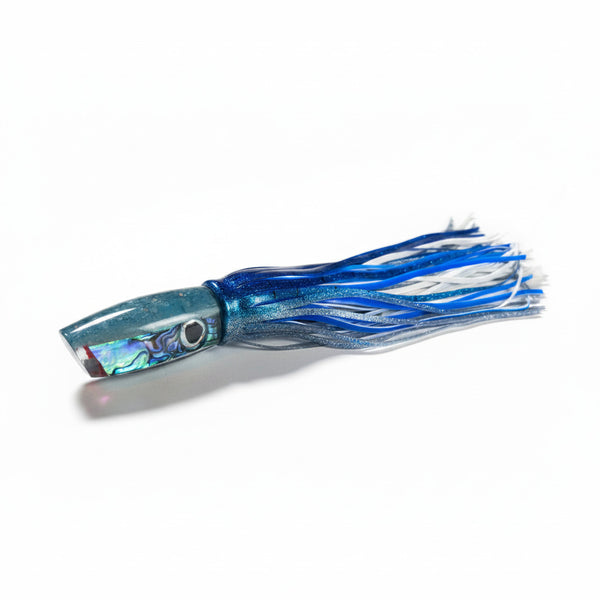
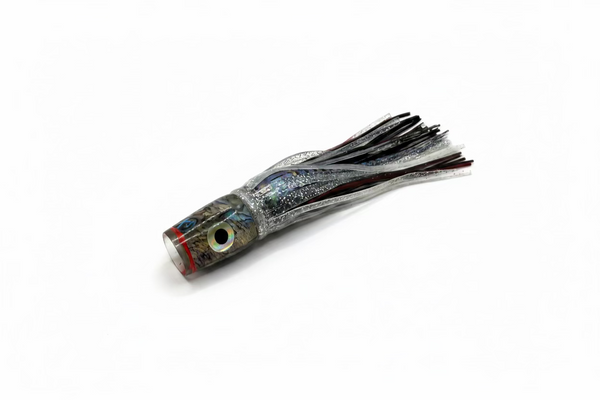
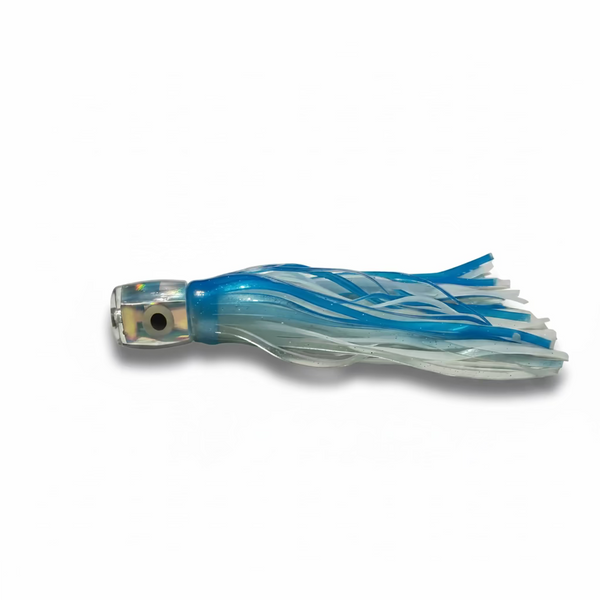
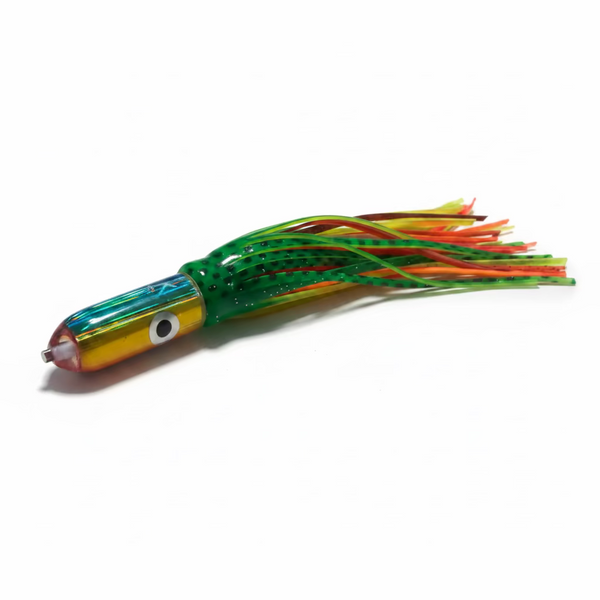
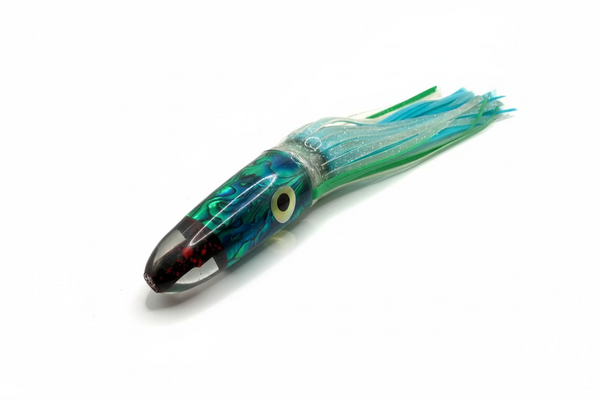
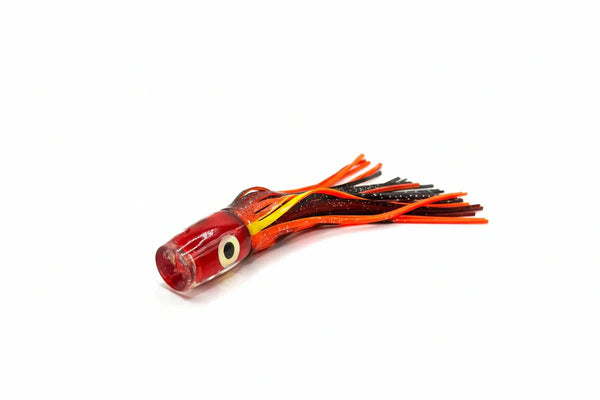
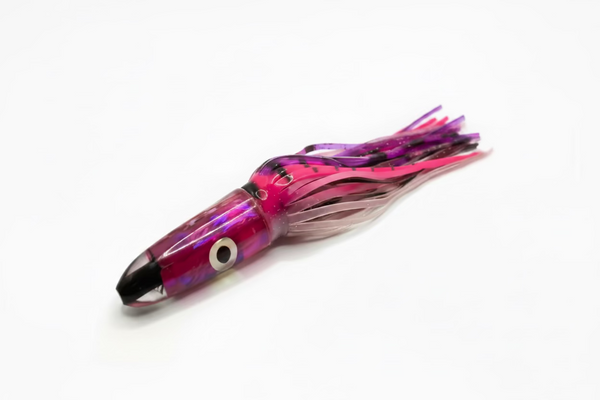
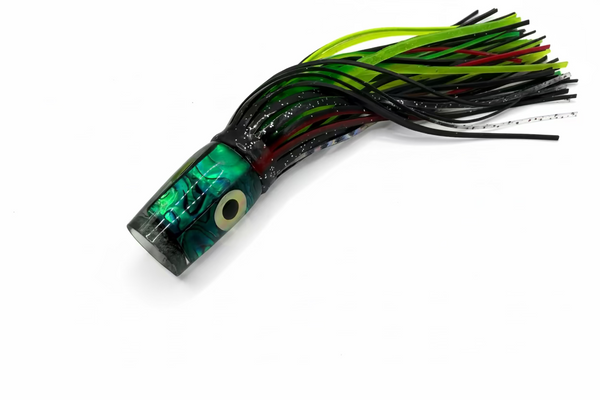
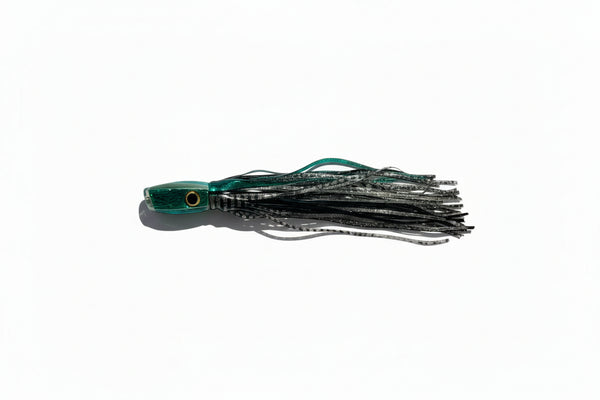
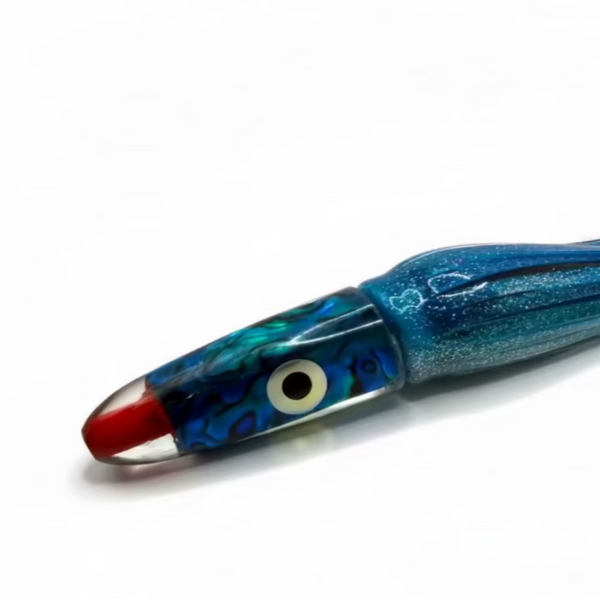
When your family is ready to take tuna fishing seriously, the lures in your spread make a real difference. K2fishing builds handcrafted offshore trolling lures using abalone resin, a material that produces exceptional brightness and flash in the water. That flash is exactly what triggers strikes from fast-moving tuna schools.
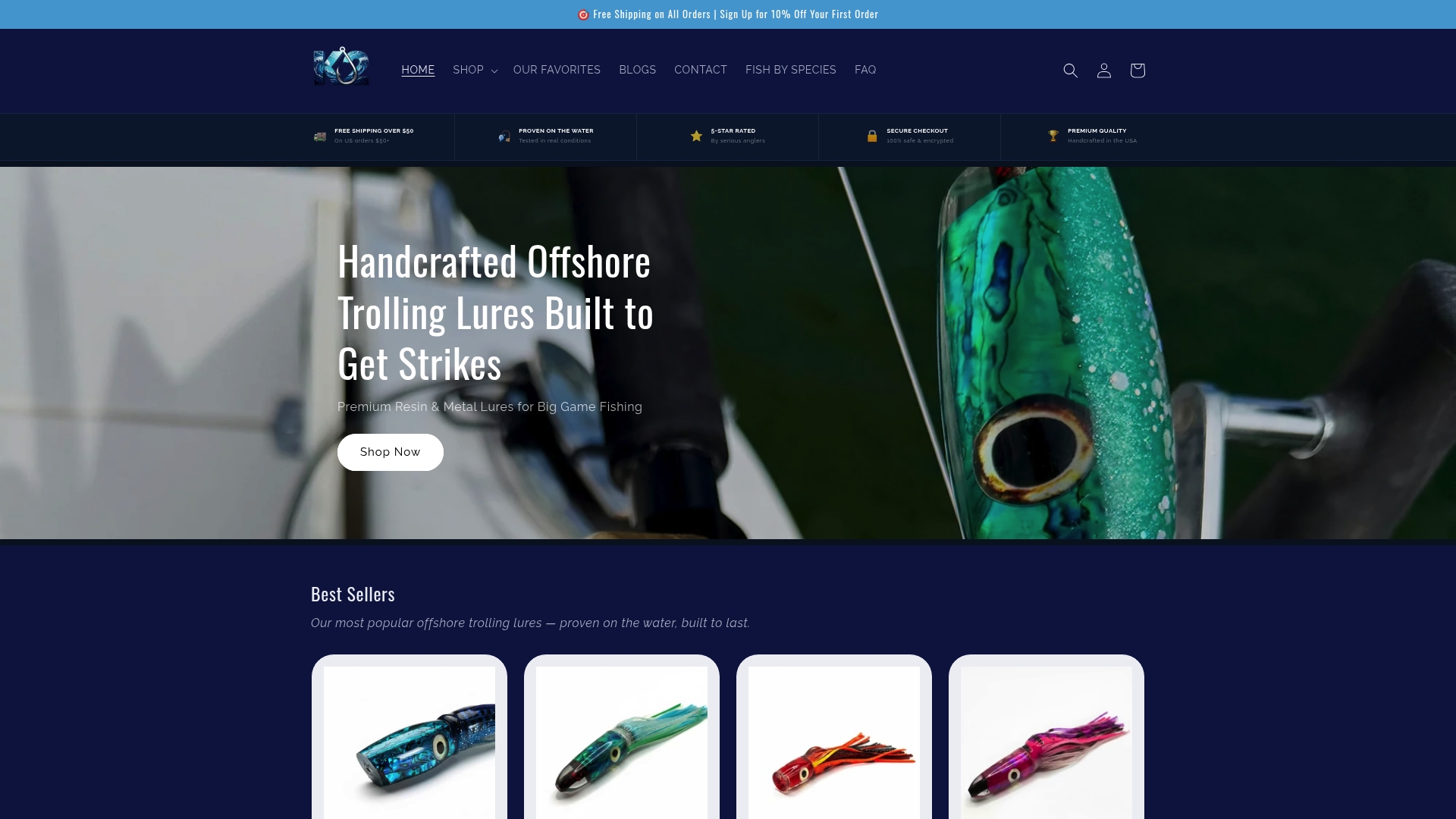
Every K2fishing lure is made by hand in the USA and tested in real offshore conditions before it reaches your spread. The Red Abalone Big Eye Lure and the Ghost White Abalone Trolling Lure are two of the top performers for tuna trolling, proven by anglers who report consistent catch rates in the same waters your family will be fishing. When the school shows up, you want lures that get bit.
FAQ
Why are tuna good for beginner family anglers?
Charter crews handle all rigging, tackle management, and fish handling, so beginners only need to follow instructions and reel. Tuna’s schooling behavior also means action comes quickly, reducing the wait time that discourages new anglers.
How far offshore do families need to go for tuna?
Most productive tuna grounds sit 15–30 miles offshore, reachable within a standard 6–8 hour charter. That range keeps boat rides manageable for children and maximizes time spent fishing.
What is the best time of year for a family tuna trip?
Cooler months, particularly winter and early spring, offer calmer seas and more consistent weather windows. Regions like the Florida Keys and Port Canaveral see strong blackfin tuna action from october through april.
Are tuna too large for kids to catch?
Blackfin tuna in the 20–40 lb range are manageable for children with crew assistance. Captains step in to support younger anglers during the fight, making the experience exciting without being overwhelming.
What should families tell their charter captain before the trip?
Tell the captain your group’s experience level and request an offshore-focused tuna day. That communication helps the crew set the right trolling spread and target the most productive grounds for your group.