What first-timers should expect on a deep sea fishing trip
Your first offshore charter is nothing like fishing from a pier or a lake. You’re heading into open ocean water, targeting species that fight back hard, and doing it all with a professional crew that handles the complicated parts for you. No prior experience is necessary — the crew provides safety briefings, gear, bait, and hands-on coaching from the moment you board.
Here’s the short version of what your day looks like:
- Trip length: Half-day charters generally run 4–6 hours, making them the right starting point for beginners; full-day trips last 8–12 hours and suit experienced anglers chasing trophy fish.
- Crew role: Your captain sets the spread, monitors conditions, calls strikes, and coaches you through every fish fight. You’re never left guessing.
- Physical demands: Offshore species like tuna, mahi-mahi, and wahoo fight with power that surprises even experienced freshwater anglers. Expect a full-body workout on a good hookup.
- Social and scenic experience: The run offshore brings dolphins, flying fish, and open Atlantic horizon. Most first-timers spend that time taking photos and soaking it in.
- Safety: Every charter begins with a safety briefing covering life vest locations, radio procedures, and what to do if conditions shift.
Pro Tip: Take a non-drowsy motion sickness remedy like Dramamine at least an hour before departure. Waiting until you feel queasy is too late.
How to prepare effectively for your first offshore trip
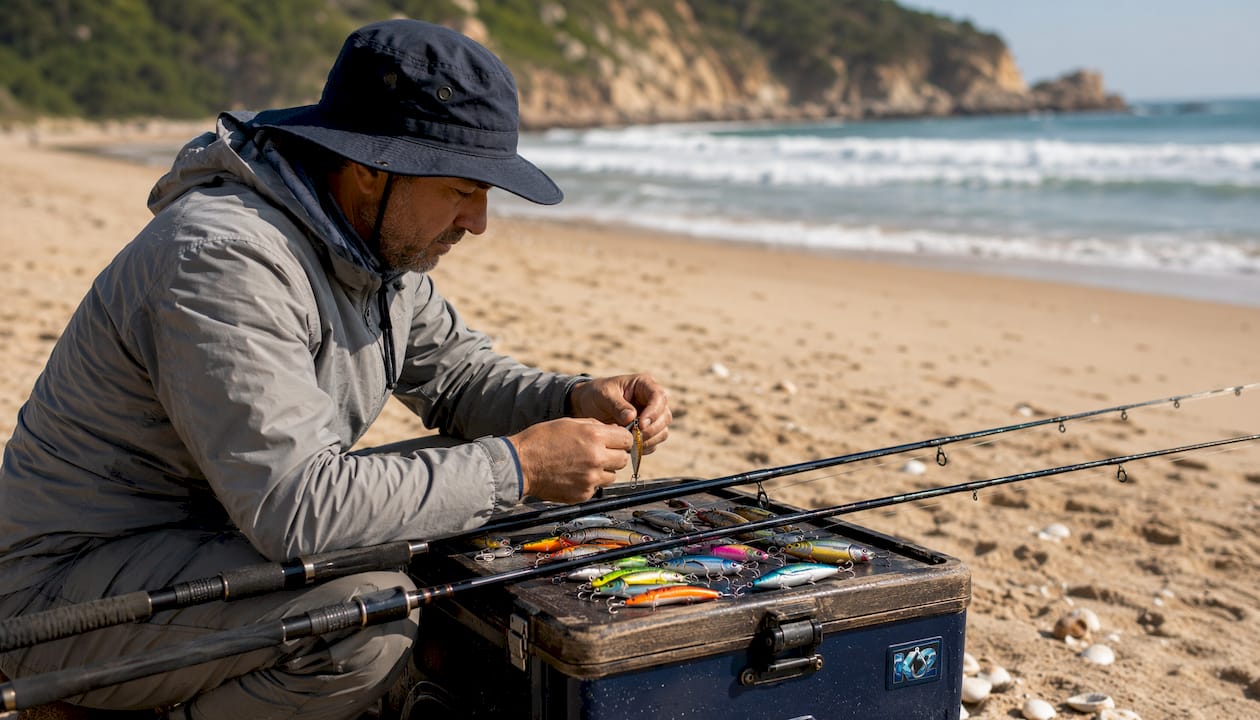
Preparation separates a great day from a miserable one. The good news: you don’t need to bring fishing gear. Most charters provide rods, reels, tackle, and bait, so your packing list focuses entirely on personal comfort and safety.
What to bring:
- Sun protection: Sunscreen at SPF 50 or higher, lip balm with SPF, and polarized sunglasses. Apply sunscreen before you board, not after. The water’s reflection intensifies UV exposure with no shade in sight.
- Clothing: Avoid cotton — it holds moisture and chills you fast. Wear a moisture-wicking base layer, a lightweight jacket for the morning run, and quick-dry bottoms.
- Footwear: Closed-toe, non-slip shoes. Flip-flops on a wet deck are a real safety risk.
- Hydration and snacks: A 32 oz water bottle minimum. Crackers and fruit hold up better offshore than heavy food.
- Motion sickness meds: Pack them even if you’ve never had issues on boats. Open ocean swells move differently than a calm bay.
- Waterproof case: Ocean spray is constant. Protect your phone.
Pro Tip: Ask your charter about fish cleaning policy before you book. Some charters clean your catch for a fee per pound; others don’t offer it at all. Knowing in advance saves confusion at the dock.
Weather affects every trip. Captains monitor forecasts closely, and if conditions become unsafe, most reputable charters will reschedule rather than push offshore. Check in with your captain the night before if you’re unsure.
A timeline of what happens during a deep sea fishing trip
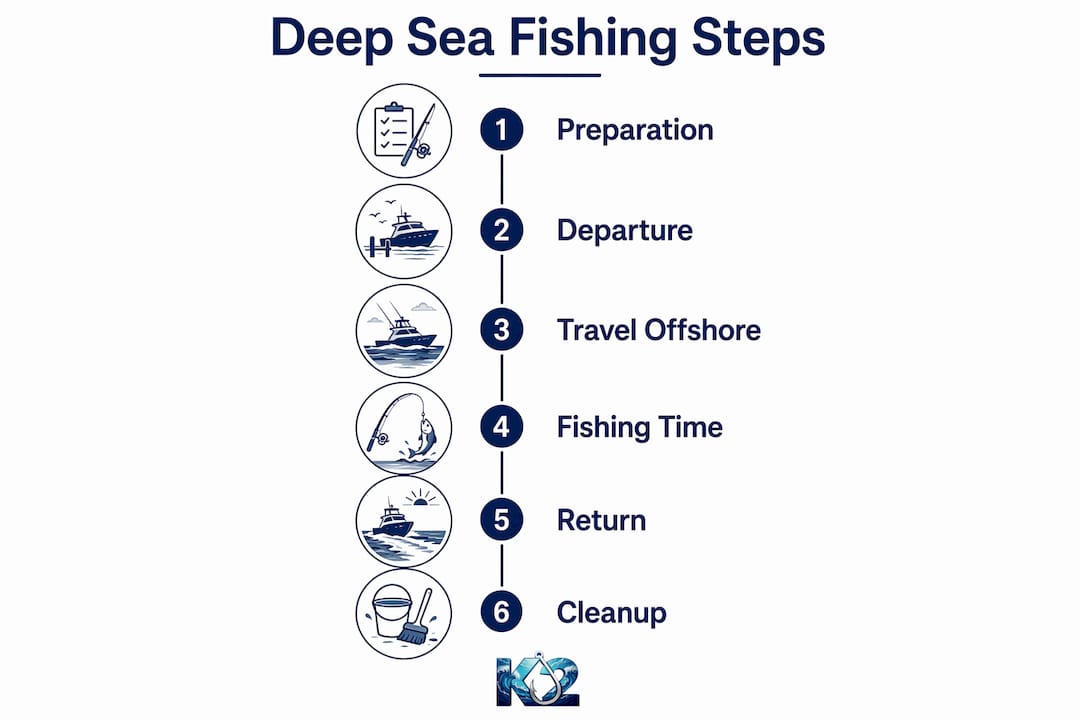
Knowing the flow of the day removes most of the anxiety first-timers feel. Here’s how a typical offshore charter unfolds:
- Dock arrival and safety briefing. You meet your captain, get settled, and hear a rundown of safety rules, equipment locations, and the day’s plan. Pay attention here.
- Departure and run offshore. The boat leaves port and heads out. The run takes time, giving you a chance to find your sea legs, grab a snack, and watch the shoreline disappear.
- Acclimation window. Use this stretch to sit, breathe, and get comfortable with the boat’s motion. This is not wasted time.
- Setting the spread. Once the captain reaches productive water, the crew deploys multiple rods at staggered distances behind the boat, each rigged with lures or bait targeting pelagic species.
- The first strike. The reel screams. A rod bends hard. Your captain calls out instructions and walks you to the rod. Tuna, mahi-mahi, and wahoo hit with speed and power that surprises almost every first-timer.
- Fighting and landing the fish. Keep your rod tip up, reel steadily, and let the drag do the work. The crew handles the gaff or net when the fish reaches the surface.
- Rotating turns and continued action. Guests take turns fighting fish. Your captain shares knowledge throughout, covering species ID, migration patterns, and bait behavior.
- Return to port. Lines come in, photos get taken, and the boat heads back. Most charters clean and bag your catch on-site for a small fee, so you can take fillets home or straight to a restaurant.
Common species you might encounter, depending on the season and location:
- Mahi-mahi
- Yellowfin tuna
- Wahoo
- Sailfish
- Marlin
- Red snapper
- Grouper
- Kingfish
Check a regional offshore fishing guide to understand which species are running in your area and when.
Essential tips for first-time deep sea anglers
A few habits separate anglers who land fish from those who lose them at the surface.
- Trust your crew completely. Your captain reads strikes, manages seasickness concerns, and keeps the boat safe. Communicate openly about how you’re feeling — they’ve seen everything.
- Don’t reel too fast. The most common beginner mistake is cranking frantically. Steady, controlled reeling keeps tension on the line and reduces the chance the hook pulls free.
- Brace your body. On a long fight, plant your feet wide and brace against the gunwale. Offshore fish pull harder than anything you’ve encountered inshore.
- Let the drag work. The reel’s drag system is set for a reason. Fighting the fish by brute force instead of working with the drag tires you out and risks breaking the line.
- Respect regulations without worrying about them. Charters handle compliance with local bag limits, size rules, and catch-and-release requirements — you don’t need to research every rule yourself.
- Pace yourself. A full day offshore is physically demanding. Eat, hydrate, and rest between fights.
Pro Tip: Sit toward the center of the boat during the run offshore if you’re prone to motion sickness. The center moves less than the bow or stern, and staying seated significantly reduces nausea risk.
Weather can shift quickly even on clear mornings. Experienced captains adjust routes and timing accordingly, but your comfort level matters too. If conditions feel rough, say something early rather than waiting it out in silence.
Why lure quality matters when you’re ready to go deeper
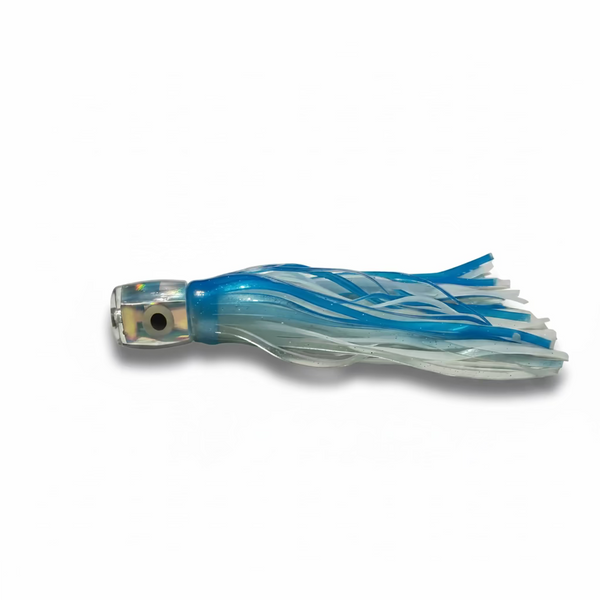
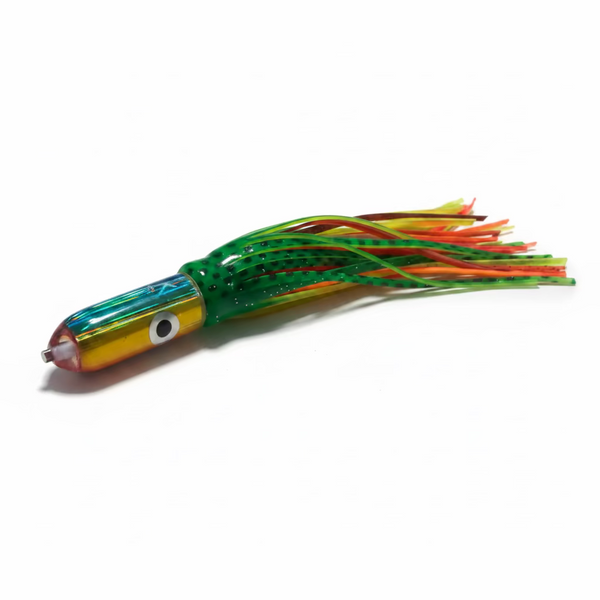
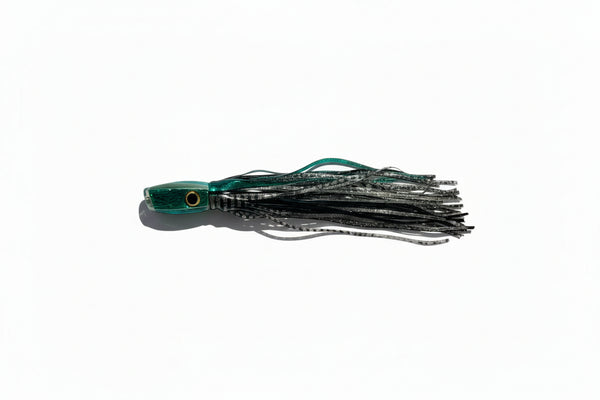
Once you’ve had a taste of offshore fishing, the gear conversation gets interesting fast. The lures trolling behind the boat aren’t interchangeable. Color, flash, and head shape all influence whether a marlin or wahoo commits to a strike or turns away at the last second.
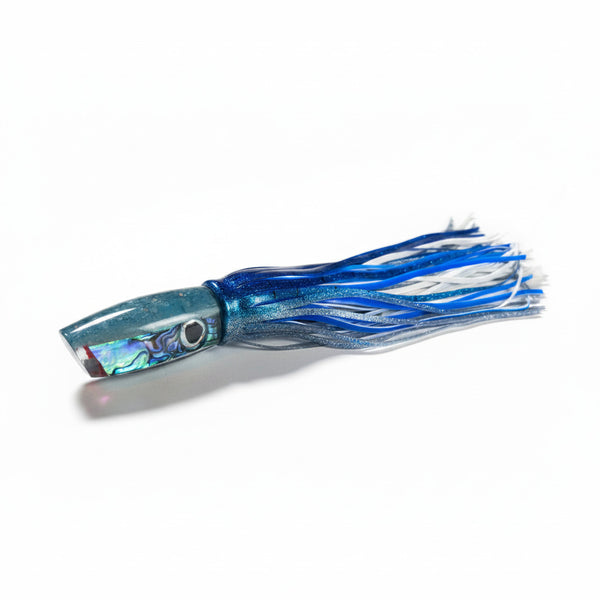
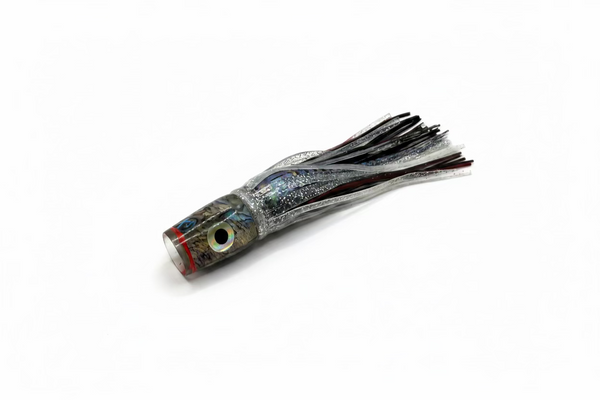
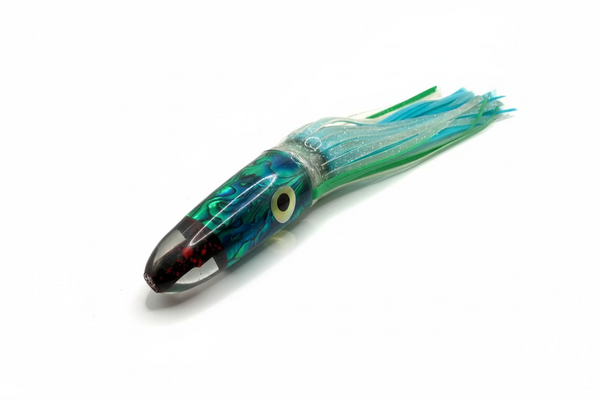
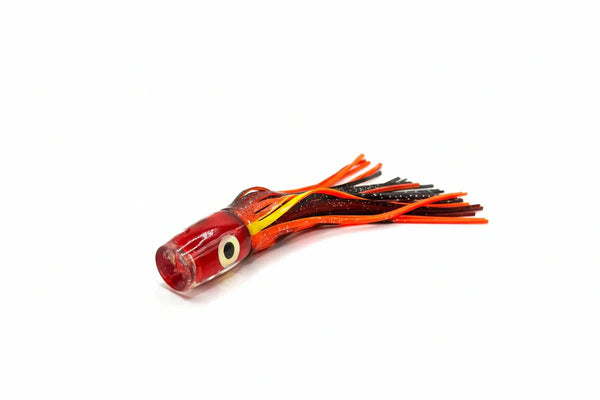
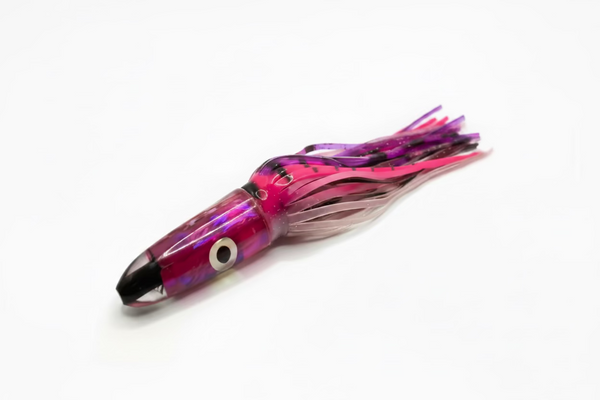
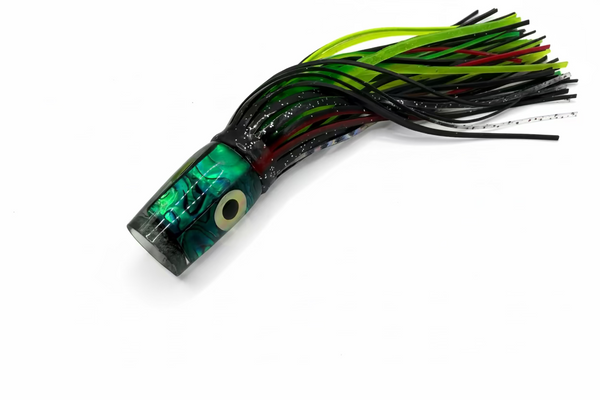
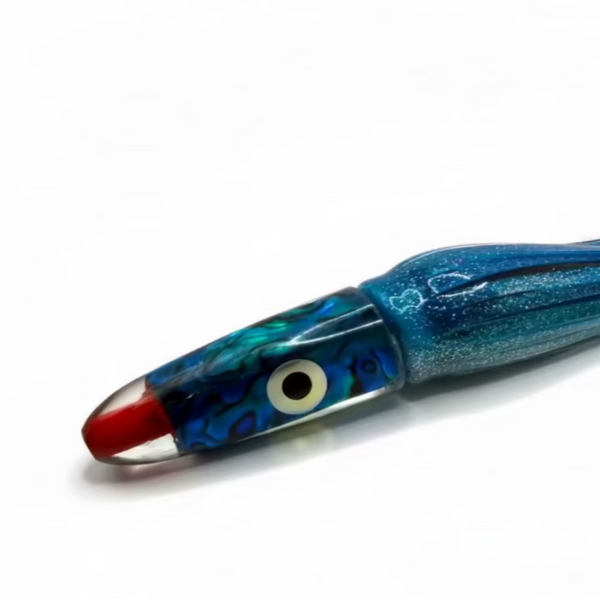
K2fishing builds its offshore trolling lures around abalone resin, a material that produces a brightness and flash that standard resin can’t replicate. That light-scattering effect matters most in the upper water column where big-game fish like marlin, tuna, and wahoo are actively hunting. Every lure is handcrafted in the USA and tested in real offshore conditions, not just designed to look good on a shelf.
Key features that set K2fishing lures apart:
- Abalone resin construction for maximum flash and color depth
- Handcrafted in the USA with consistent quality control on every unit
- Designed for big-game species including marlin, tuna, and wahoo
- Rigged for trolling spreads at the distances and speeds offshore captains actually run
- Proven by seasoned anglers who report higher strike rates in real fishing conditions
Understanding what makes a lure effective offshore comes down to how it moves, how it reflects light, and how closely it mimics the baitfish a predator is already chasing.
The Red Abalone Resin Trolling Lure is a strong starting point for anglers moving from their first charter into building their own spread. The double big-eye design and abalone resin body produce the kind of flash that gets noticed in open water.
Key Takeaways
A successful first deep sea fishing trip comes down to choosing a half-day charter, showing up prepared, and trusting your crew to handle the rest.
| Point | Details |
|---|---|
| Start with a half-day charter | Half-day trips run 4–6 hours, giving beginners enough fishing time without the fatigue of a full 8–12 hour offshore day. |
| Gear is provided; pack for comfort | Charters supply rods, reels, bait, and tackle — bring sun protection, moisture-wicking layers, non-slip shoes, and motion sickness medication. |
| Take seasickness meds early | A non-drowsy remedy taken at least an hour before departure prevents nausea far better than treating it once it starts. |
| Regulations are the captain’s job | Charters handle compliance with bag limits, size rules, and catch-and-release requirements so you can focus on fishing. |
| Lure quality drives strike rates | Abalone resin lures produce brightness and flash that standard materials can’t match, directly influencing whether big-game fish commit to a strike. |