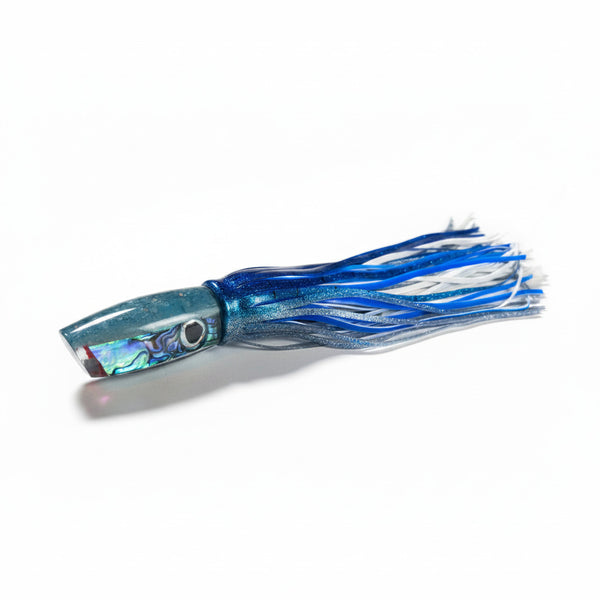
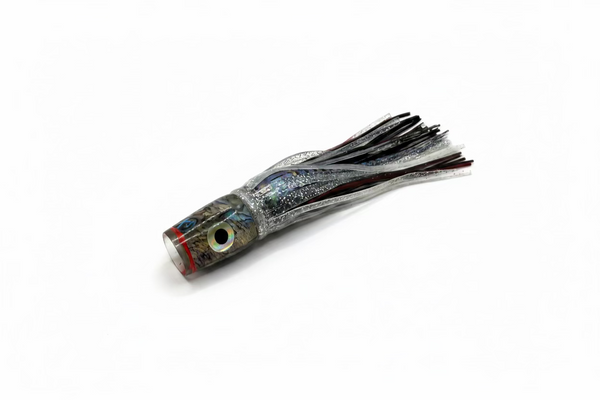
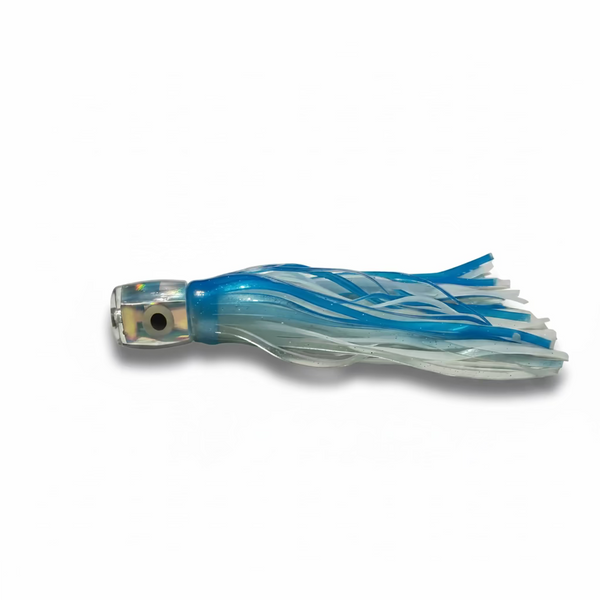
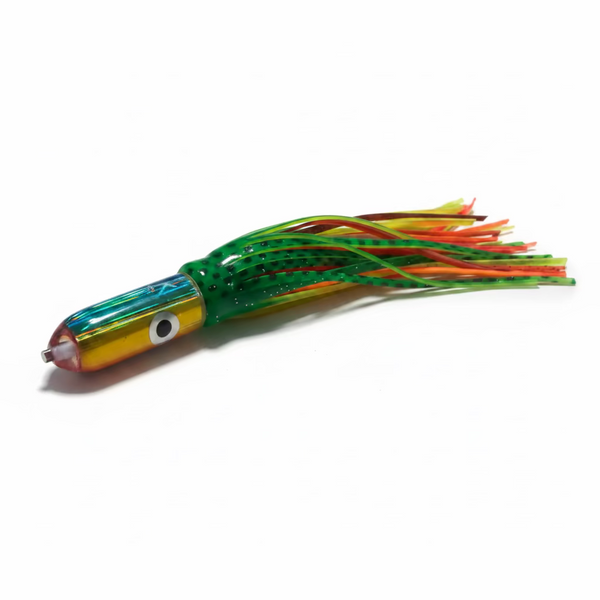
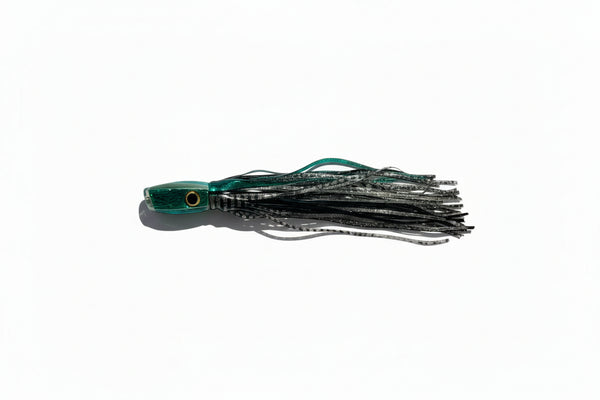
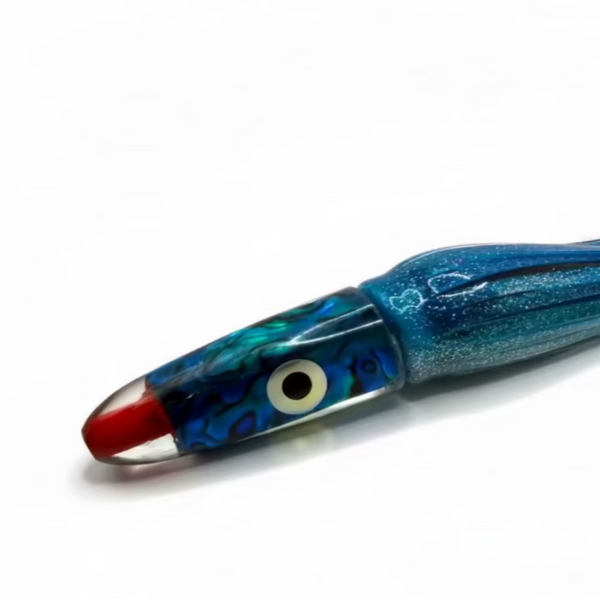
A lure’s track record is its documented history of catching fish across different conditions, species, and retrieval speeds. Anglers who understand what does lure track record mean fishing gain a real edge: they stop guessing and start choosing lures backed by evidence. The Rapala Original Floater, introduced in 1936 and selling 1 million units annually, is the clearest example of a lure with a track record so strong it became the industry benchmark. Track record is not just reputation. It is measurable, repeatable performance data that any angler can build, use, and refine.
What does lure track record mean for fishing lure effectiveness?
A lure’s track record is the sum of its documented catch success across multiple conditions, not just one good day on the water. It captures how a lure performs in varying water clarity, at different retrieval speeds, and against different species. The Rapala Original Floater holds more world records than any other lure brand, which is the result of decades of repeated, documented success. That kind of track record tells you the lure works across a wide range of environments, not just ideal ones.
Fishing lure effectiveness is not purely about design. Successful lures trigger a biological reaction through vibration and movement cadence rather than photorealistic appearance. This means a lure’s track record reflects how well its action matches what fish respond to in real conditions. A lure that looks perfect in a tackle shop but runs erratically in the water will never build a strong track record.
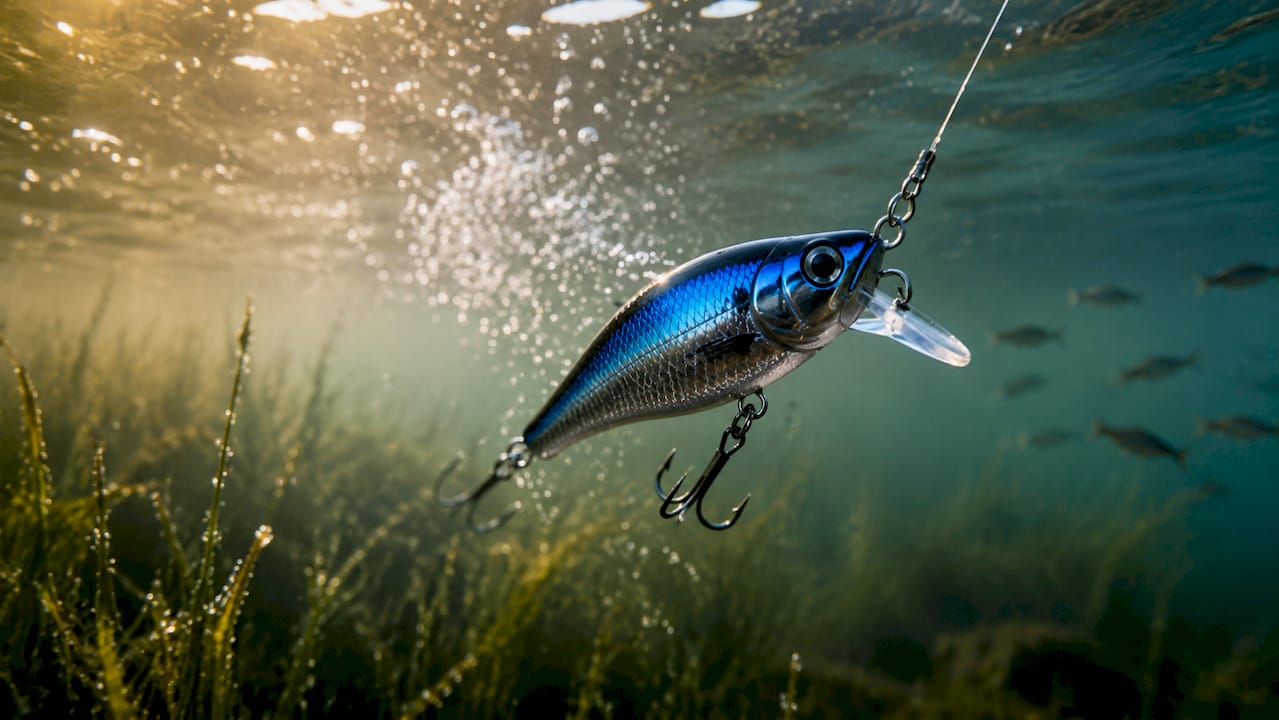
Track record also captures angler trust. When seasoned offshore anglers consistently report catches on specific lures across multiple trips, that pattern becomes the lure’s reputation. K2fishing builds this kind of trust through real-world testing of every handcrafted offshore trolling lure before it reaches the market.
Key factors that define a lure’s track record:
- Catch frequency: How often the lure produces strikes across multiple sessions
- Species range: Whether it works on the target species consistently, not just occasionally
- Condition versatility: Performance across varying tide, depth, and weather conditions
- Retrieval reliability: Consistent action at the intended speed without erratic movement
- Angler feedback: Repeated 5-star results from experienced anglers in real fishing scenarios
Pro Tip: When evaluating a lure’s track record, look for consistent results across different anglers and locations, not just one viral catch story.
How do anglers build and use personal lure track records?
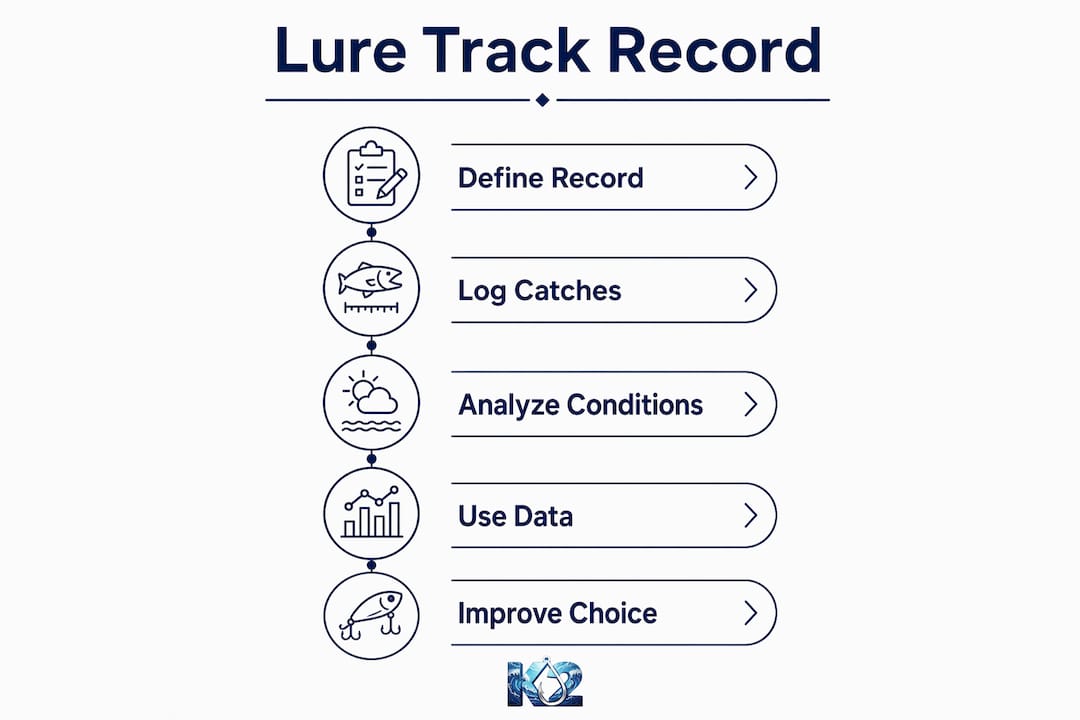
Personal lure track records come from fishing journals and digital tracking apps. Anglers who keep detailed fishing journals achieve 2.4 times higher catch consistency and 31% better catch rates compared to those who rely on memory alone. Memory is unreliable. Anglers tend to remember their best catches and forget the blank days, which distorts their picture of what actually works.
Building a useful personal track record requires logging specific data after every session. Here is what to record:
- Lure details: Name, color, size, and weight of every lure used
- Conditions: Water temperature, clarity, tide stage, time of day, and weather
- Species caught: What hit, how large, and how many strikes per lure
- Retrieval method: Speed, depth, and any pauses or changes in action
- Failures: Which lures produced zero strikes and under what conditions
Logging “skunked” days is as valuable as logging successful ones. Failure data removes ineffective options from your rotation and stops you from repeating the same mistakes. Tournament anglers who track lure performance make 38% fewer setup errors, which is a direct competitive advantage when every decision counts.
Digital apps make this process faster. Many anglers photograph their catch alongside the lure used, then tag the entry with GPS location and conditions. Over time, patterns emerge. You will see that a specific lure color dominates in murky water, or that a particular action triggers strikes only at dawn. That is your personal track record working for you.
Pro Tip: Review your fishing log before every trip, not just after. Knowing what worked last time in similar conditions takes the guesswork out of rigging up.
The value of a track record lies in the combined angler-lure interaction under changing conditions, not just the lure’s design on paper. A log forces you to think critically about each session and preserves data you would otherwise lose.
What is the difference between mechanical tracking and a proven catch record?
Mechanical tracking and track record are two different things. Anglers often confuse them, and that confusion leads to bad lure evaluations.
Mechanical tracking is how straight and stable a lure runs through the water at its intended retrieval speed. A lure with poor mechanical tracking veers to one side, spins, or wobbles unnaturally. Poor mechanical tracking can reduce strike attraction by up to 90% because the unnatural movement signals danger rather than prey. For high-speed trolling like wahoo fishing at 15–22 knots, correct mechanical tracking is non-negotiable.
Track record, by contrast, is the historical catch performance of a lure across many sessions. A lure can have excellent mechanical tracking but a weak track record if it simply does not trigger strikes. The two concepts work together: good mechanical tracking is a prerequisite for building a strong catch record, but it does not guarantee one.
Mechanical tracking problems most often come from eyelet damage, lip damage, or hook weight imbalance. Ninety percent of tracking failures trace back to these physical factors. The fix is field tuning: bend the line tie slightly in the opposite direction the lure is running, then test at actual fishing speed before judging the lure’s effectiveness.
Signs your lure has a mechanical tracking problem vs. a performance problem:
- Tracking problem: Lure veers left or right consistently at normal speed
- Tracking problem: Lure spins or rolls rather than swimming with a natural wobble
- Performance problem: Lure tracks straight but fish follow without striking
- Performance problem: Lure works in one condition but fails completely in another
Understanding lure action and movement helps anglers separate mechanical failures from genuine performance gaps. Always tune and test mechanical tracking before writing off a lure’s potential.
How to choose fishing lures using proven track records
Choosing lures based on track record reduces trial and error significantly. The process starts with matching the lure’s documented strengths to your specific fishing conditions.
Species targeting comes first. A lure with a strong track record on marlin in blue water will not automatically perform on inshore species in shallow flats. Match the lure’s proven history to the species you are targeting. K2fishing’s offshore trolling lures are built and tested specifically for big-game species like marlin, tuna, and wahoo, which means their track records are directly relevant to offshore anglers.
Water clarity and speed matter just as much. High-speed wahoo lures must maintain correct tracking at 15–22 knots. Lures like the Bahama Proteus 50 have earned cult status among wahoo anglers precisely because their track records prove consistent performance at those speeds. That kind of documented reliability is what separates a proven lure from a gamble.
Use established lures as your baseline, then refine with personal data. Start with a lure that has a strong community track record, log your own results, and adjust based on what your data shows. This approach is far more reliable than switching lures every trip based on instinct.
Factors to apply when selecting lures by track record:
- Species match: Does the lure’s documented history include your target species?
- Water conditions: Does it perform in the clarity and depth you fish most often?
- Speed range: Does it track correctly at your typical trolling or retrieval speed?
- Environmental fit: Has it proven effective in similar tides, currents, or weather?
Pro Tip: Use your fishing log to build a short list of three to five “confidence lures” with strong personal track records for your home waters. These become your go-to starting points on every trip.
Lure position in tournament trolling also affects how a lure’s track record translates to real catches. A proven lure placed in the wrong position in a spread will underperform, which can make you doubt the lure rather than the setup.
Key Takeaways
A lure’s track record is its documented catch history across real conditions, and building a personal log is the most reliable way to improve fishing outcomes.
| Point | Details |
|---|---|
| Track record defined | A lure’s track record is its documented history of catches across species, conditions, and speeds. |
| Journaling improves results | Anglers who keep fishing logs achieve 31% better catch rates and 38% fewer setup errors. |
| Mechanical tracking is separate | Mechanical tracking describes how a lure runs in water; track record describes how often it catches fish. |
| Log failures too | Recording blank days removes ineffective lures from your rotation and sharpens future decisions. |
| Match track record to conditions | Choose lures whose proven history matches your target species, water clarity, and retrieval speed. |
Why most anglers leave their best data on the water
The anglers I respect most all share one habit: they write things down. Not because they have bad memories, but because they know memory is not a reliable tool for building strategy. After years of watching anglers at the dock, the pattern is clear. The ones who struggle to repeat their best catches are almost always the ones who fish by feel alone.
Track records change how you think under pressure. In a tournament, when the bite goes quiet and you need to make a decision fast, a log gives you something concrete to act on. You are not guessing. You are pulling from documented evidence of what worked in similar conditions. That is a real advantage, and most anglers simply do not use it.
The other thing I have noticed is that anglers tend to overrate their best lures and underrate the conditions that made those lures work. A lure does not have a track record in isolation. It has a track record in specific water, at specific speeds, against specific species. When you start logging that context, you realize that a “lucky lure” is often just the right tool used at the right time. The log helps you recreate those moments deliberately.
If you fish offshore and you are not tracking your lure performance, you are leaving your best data behind every time you pull the lines in.
— Daniel
K2fishing lures built with a track record you can count on
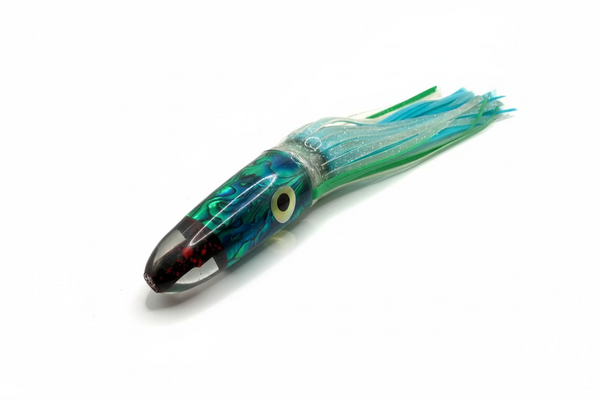
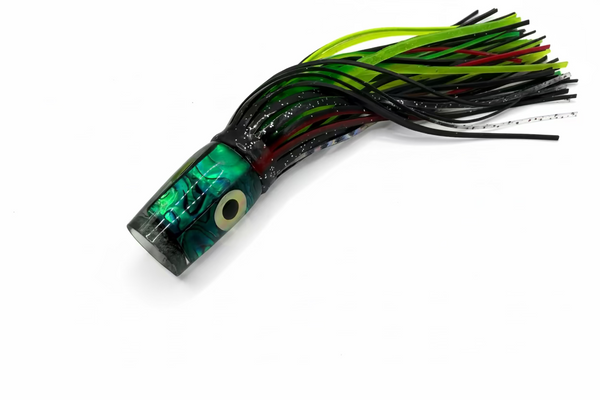
Serious offshore anglers need lures that perform when it matters most. K2fishing handcrafts every trolling lure in the USA using abalone resin, a material that delivers exceptional brightness and flash to attract marlin, tuna, and wahoo in open water. Each lure is tested in real fishing conditions before it ships, so the track record starts before it reaches your spread.
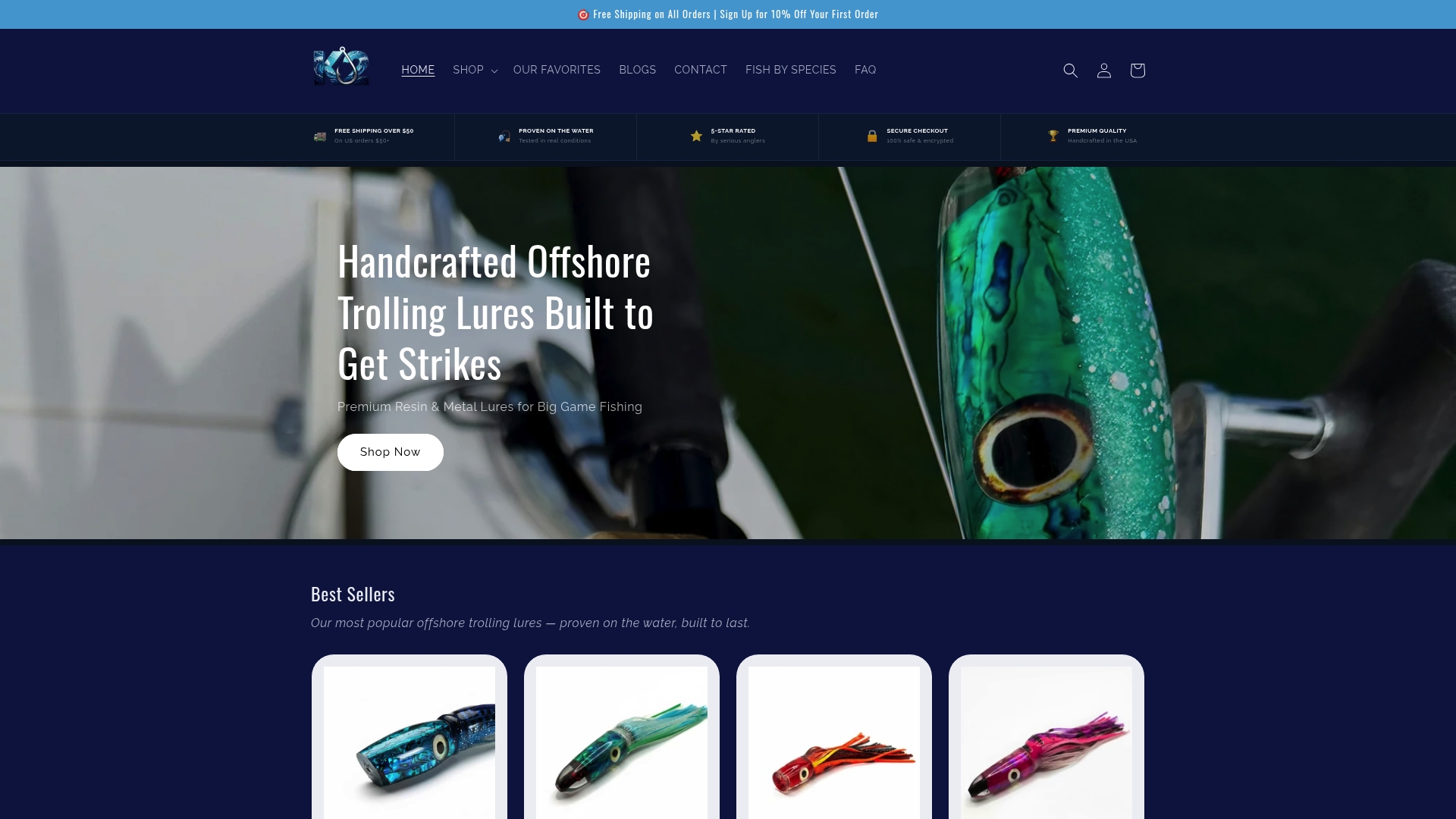
Seasoned anglers consistently report increased catch rates with K2fishing lures, backed by 5-star reviews from big-game fishing veterans. Whether you are building your first offshore spread or refining a proven setup, K2fishing’s handcrafted trolling lures give you a documented starting point. Browse the full offshore lure FAQ to find the right lure for your target species and conditions.
FAQ
What does lure track record mean in fishing?
A lure’s track record is its documented history of catching fish across different conditions, species, and retrieval speeds. It is the evidence-based measure of a lure’s reliability and effectiveness over time.
How is mechanical tracking different from a lure’s track record?
Mechanical tracking describes how straight and stable a lure runs in the water at a given speed. Track record describes how consistently that lure catches fish across multiple real-world sessions.
How do I start building my own lure track record?
Start a fishing journal and log every session, including lure details, water conditions, species caught, retrieval method, and failures. Fishing logs accelerate skill development by turning each trip into usable data.
Why do fishing lure track records matter in tournaments?
Tournament anglers who track lure performance make 38% fewer setup errors and achieve more consistent catches. A documented track record replaces guesswork with a repeatable decision-making process under competitive pressure.
What factors affect a lure’s track record the most?
Species targeting, water clarity, retrieval speed, and environmental conditions like tide and depth all shape a lure’s track record. Angler adaptation to these variables is as important as the lure’s inherent design.