

A single drop of saltwater contains enough corrosive elements to compromise thousands of dollars in high-performance tackle. For the serious angler, the marine environment presents a relentless assault of salt spray, UV radiation, and humidity that degrades expensive equipment. Proper care is not a chore but a professional discipline essential for protecting this significant investment. The practice of storing offshore trolling gear correctly is fundamental to ensuring readiness and performance. A flawless lure or perfectly maintained rig is critical for capitalizing on the brief bite windows that define success when targeting powerful big-game species. Well-maintained gear is the foundation of on-water achievement.
Selecting Marine-Grade Storage Systems
The first line of defence against environmental degradation is the physical hardware used for storage. Selecting the right system is a strategic decision that directly impacts the lifespan and performance of your tackle. The choice between different types of containers should be based on their material integrity, sealing capabilities, and intended application.
Essential Features of Quality Containers
High-performance marine tackle storage solutions are defined by specific, non-negotiable characteristics. Look for containers constructed from high-impact, UV-resistant plastics that prevent the material from becoming brittle after prolonged sun exposure. For terminal tackle, hooks, and swivels, waterproof utility boxes with robust gaskets and secure, airtight latches are essential. These features create a sealed barrier that locks out moisture and salt, preserving the integrity of critical components. Anything less is a compromise that puts your gear at risk.
Hard-Shell Cases vs. Soft-Sided Bags
The two primary categories of storage systems serve distinct purposes. Hard-shell cases offer the highest level of protection against impact and crushing, making them the optimal solution for primary storage at home or on a larger vessel. They provide a rigid, impenetrable fortress for your most valuable equipment, including handcrafted lures like those in our large resin lure collection. In contrast, soft-sided bags offer superior portability and flexibility. They are ideal for day trips, moving between boats, or creating grab-and-go kits. While they provide good impact resistance, their primary advantage is adaptability and ease of transport.
| Feature | Hard-Shell Cases | Soft-Sided Bags |
|---|---|---|
| Protection Level | Maximum impact and crush resistance | Good impact resistance, less crush-proof |
| Environmental Seal | Often fully waterproof and airtight | Typically water-resistant, may have breathable panels |
| Best Use Case | Primary boat storage, home base, air travel | Day trips, grab-and-go kits, portability |
| Organization | Fixed or customizable compartments | Often modular with removable trays and pockets |
Advanced Moisture and Corrosion Control
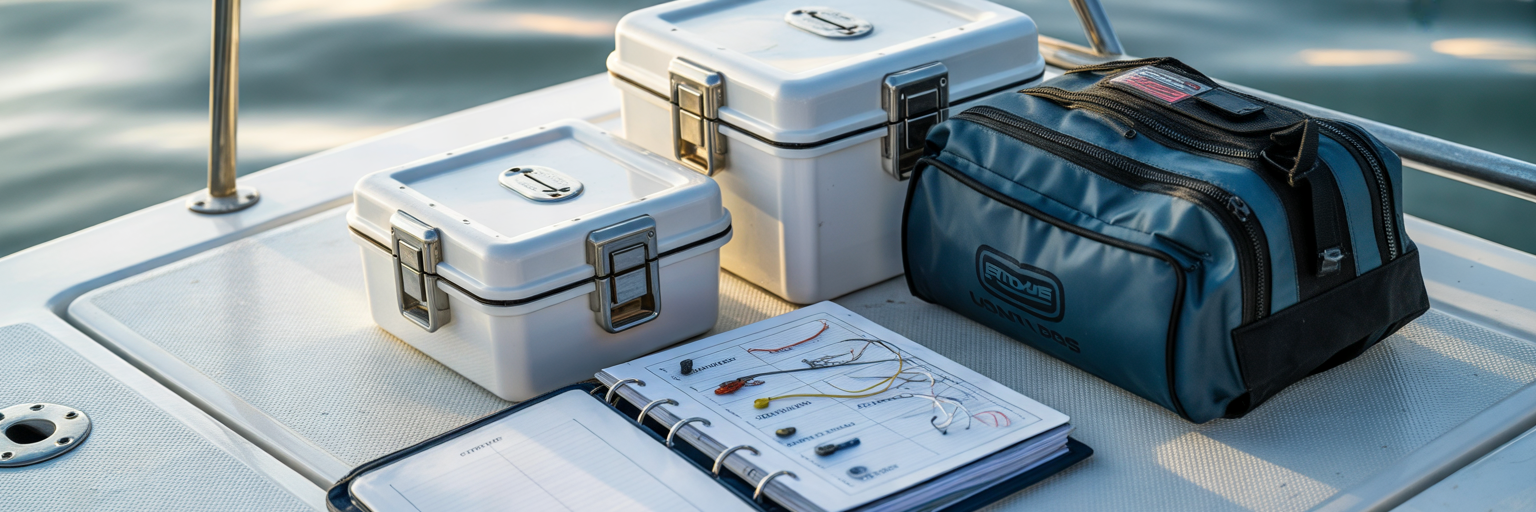
Beyond physical barriers, active prevention is necessary to create a controlled micro-environment inside your storage containers. This proactive approach is centered on eliminating the two primary catalysts for corrosion: moisture and oxygen. Advanced technologies are available that go far beyond simple drying, offering a persistent defence against rust and degradation.
A key strategy for preventing rust on fishing hooks and other metal components is the use of Vapor-Corrosion Inhibitor (VCI) technology. VCI products, available as emitters or infused into plastics, release an invisible, non-toxic vapor that bonds to metal surfaces. This molecular layer blocks the electrochemical reactions that cause rust. Complementing VCI with rechargeable silica gel desiccant packs actively absorbs any ambient humidity that may enter the container when opened. These measures work together to stop corrosion before it can begin. This level of diligence is a standard in other professional fields where preservation is paramount. For instance, as highlighted in guides to safe body art practices, professionals follow strict protocols to maintain tool integrity, reinforcing the disciplined mindset required for proper tackle care.
Strategic Organization for Lures and Rigs
Effective organization is more than a matter of tidiness; it is a strategy for maximizing on-water efficiency. When a bite is on, the ability to deploy the right rig instantly can be the difference between success and a missed opportunity. A well-structured system ensures every piece of gear is protected, accessible, and ready for immediate use.
Protecting Skirted Trolling Lures
Proper offshore lure storage is critical for preserving the action and appearance of skirted trolling lures. Roll-up tackle bags with individual mesh or clear vinyl compartments are essential. This design prevents skirts from being crushed or tangled, which can permanently damage their swimming action. It also protects delicate lure heads, especially those with abalone resin finishes, from scratches and chips that can diminish their flash and effectiveness.
Managing Leaders and Chains
Pre-made rigs, daisy chains, and dredges represent a significant investment in time and materials. Keeping them organized is crucial for rapid deployment. Rigging binders equipped with heavy-duty, zip-seal sleeves are the ideal solution. These binders allow you to store dozens of leaders neatly, preventing tangles and protecting them from the elements. This system ensures that when you need to make a change, the right rig is untangled and ready to be clipped on.
The Modular System Approach
For ultimate adaptability, a modular system is unmatched. This approach involves using smaller, function-specific utility boxes that are housed within a larger primary case. For example, you can maintain separate boxes for marlin lures, tuna rigs, and wahoo setups. This allows an angler to quickly move only the necessary tackle from a large boat box to a smaller day bag, streamlining the gear selection process. Organizing tackle based on target species is a proven method, and understanding which lures work best for different fish, as detailed on our fish-by-species page, directly informs this organizational strategy.
The Post-Trip Maintenance Protocol
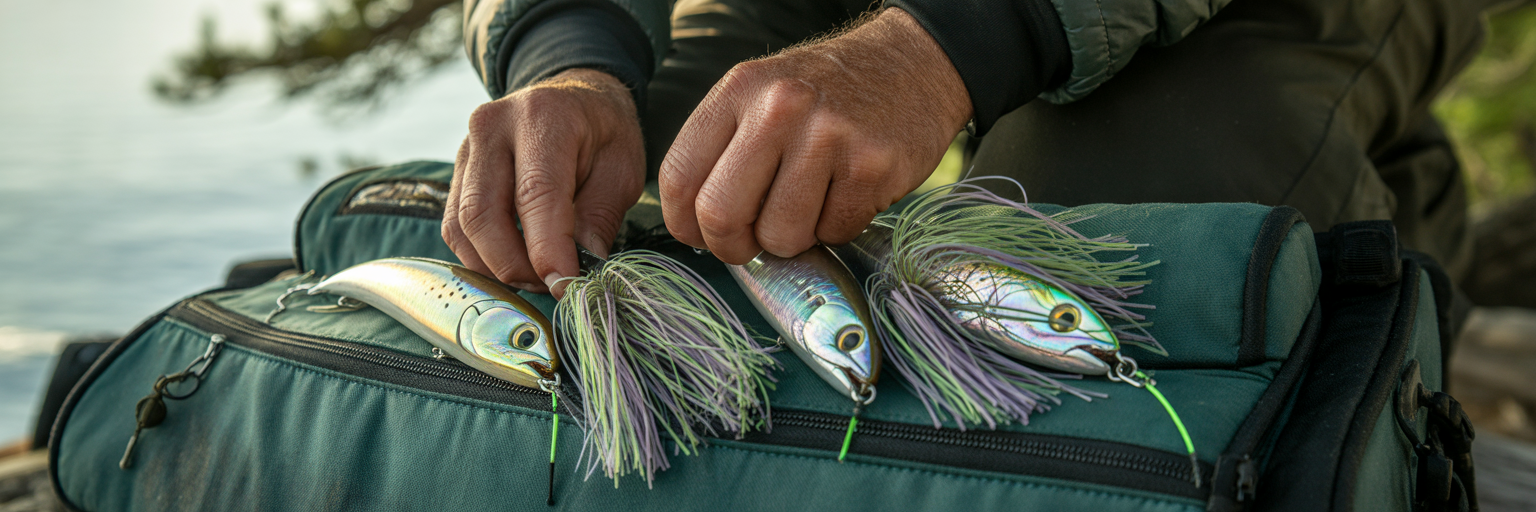
The most important habit for ensuring gear longevity is a consistent, non-negotiable post-trip maintenance routine. This disciplined process neutralizes the corrosive effects of saltwater and prepares your tackle for storage. Effective saltwater tackle maintenance is a simple but critical procedure.
- Thorough Rinse: Begin with a thorough rinse of all lures, rods, reels, and tools using a low-pressure stream of fresh water. The goal is to gently wash away salt residue without driving it deeper into components. When considering how to clean trolling lures, a gentle flow is always superior to a powerful jet.
- Avoid High Pressure: Never use a high-pressure spray on your gear. This is a common and costly mistake. High pressure forces salt and moisture into lure skirts, line spools, and the internal mechanisms of reels, where it becomes trapped and accelerates corrosion from the inside out.
- Complete Drying: The final and most critical step is to allow all gear to dry completely in a well-ventilated area, away from direct sunlight. Storing even slightly damp tackle will trap moisture inside a container, creating a humid environment that undermines your entire storage system.
This protocol is essential for preserving the performance of all high-quality equipment, including the handcrafted products found across all our collections.
Long-Term Care and Deep Cleaning
In addition to the daily post-trip routine, a periodic deep clean is necessary for long-term preservation. This biannual inspection and maintenance process ensures that no issue goes unnoticed and prepares your gear for offseason storage. It is a mark of professional thoroughness and foresight.
- Full Inspection: At least twice a year, remove every item from its storage container. Inspect each lure, hook, and tool for any early signs of rust, wear, or degradation. This is also the time to thoroughly clean the storage containers themselves to remove any accumulated salt or grime.
- Warning on Chemical Degradation: A critical and often overlooked danger is chemical reaction between different materials. The plasticizers used in many soft plastic baits can melt the paint and clear coat on hard lures. Always store soft plastics separately from your trolling lures to prevent irreversible damage.
- Protective Barrier for Storage: For long-term or offseason storage, apply a light coat of marine-grade protective oil or corrosion-inhibitor spray to hooks, tools, and other metal components. This creates a final physical barrier against oxidation, ensuring your gear remains in pristine condition until its next use.









