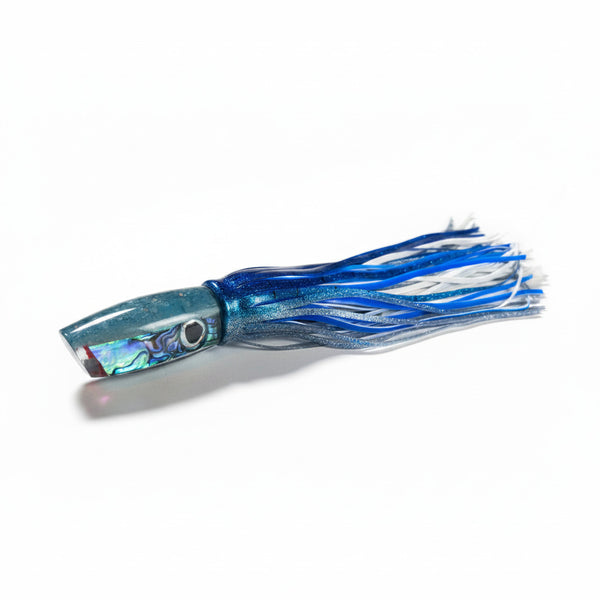
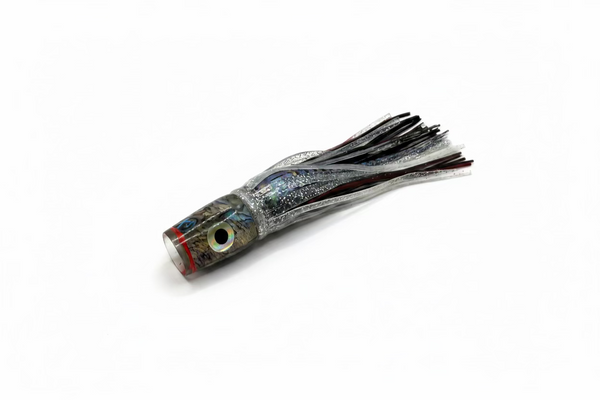
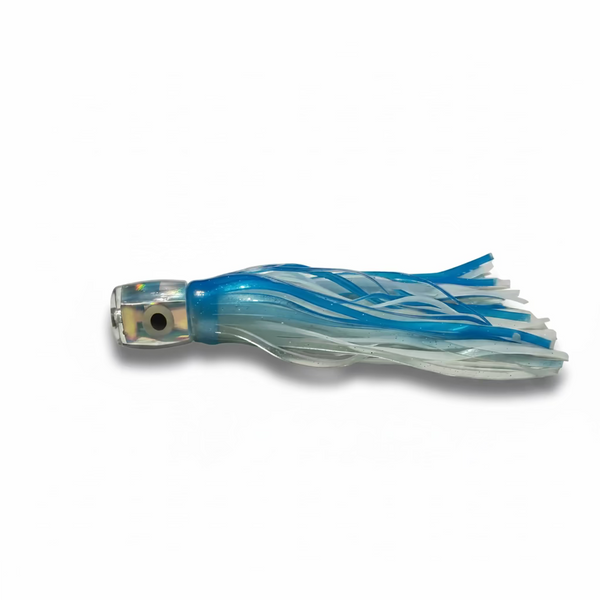
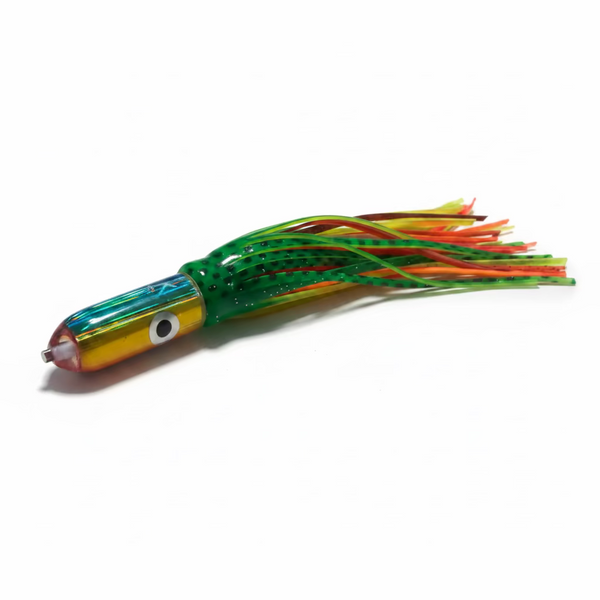
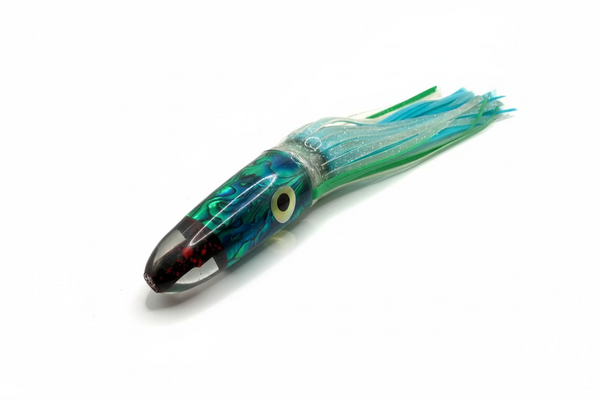
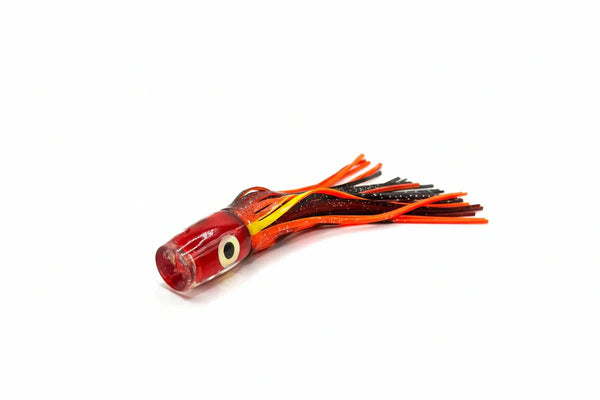
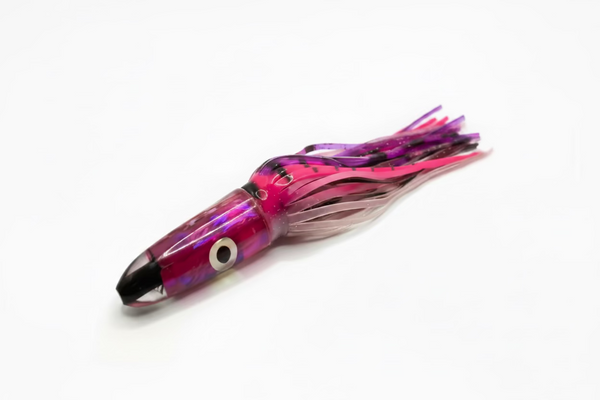
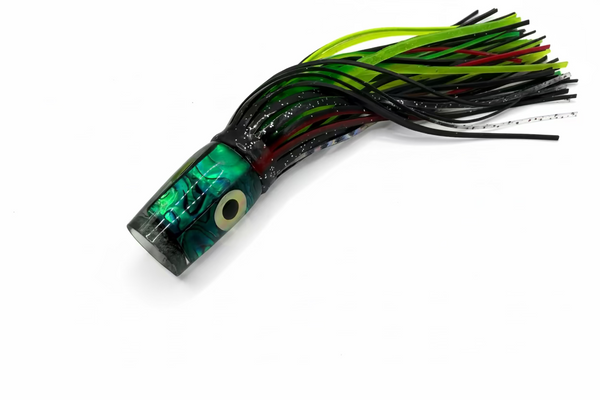
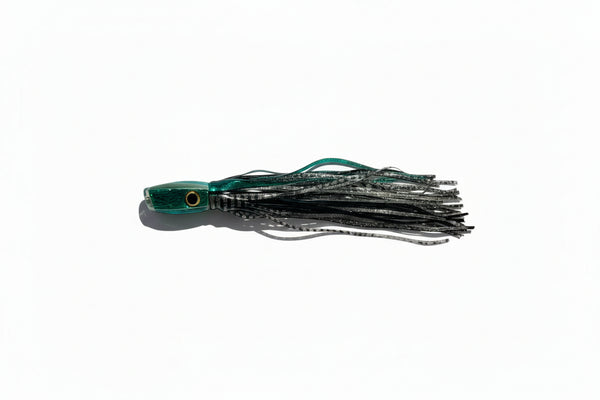
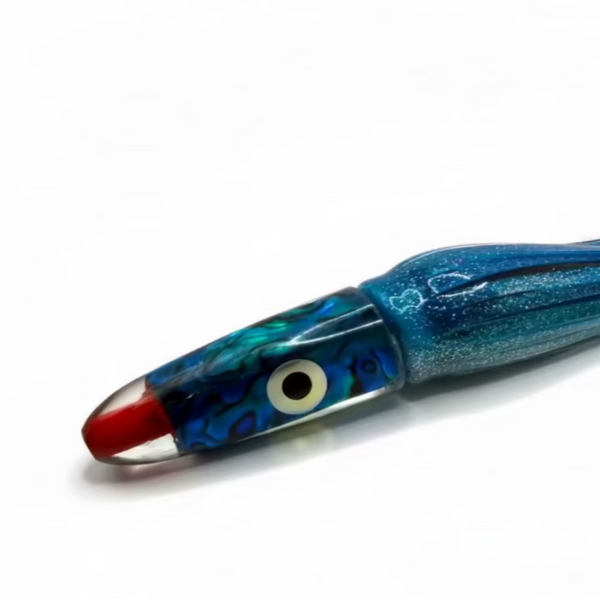
High-quality lure craftsmanship is defined by the construction precision, material selection, and performance consistency that separate fish-catching tools from decorative hardware. Spotting high-quality lure craftsmanship means reading specific physical and behavioral signals before you ever drop a line. The difference shows up in how a lure swims, how it holds up after a marlin strike, and whether it tracks true on cast number 500 the same way it did on cast number one. K2fishing builds every offshore trolling lure to these standards, using abalone resin and hand-tested construction to meet the demands of anglers targeting marlin, tuna, and wahoo. This guide gives you the exact framework to evaluate any lure before you buy.
What are the hallmark construction features of high-quality handmade lures?
The construction process is the clearest dividing line between a quality lure and a cheap imitation. High-quality handmade crankbaits require over 40 distinct steps to achieve proper buoyancy and balance. Mass-produced lures skip most of those steps, relying on a single mold stamp that produces consistent shape but inconsistent action.
Premium materials drive the difference. Balsa wood is the benchmark for buoyancy in wooden lure construction because it responds to water pressure with a lifelike give that dense plastics cannot replicate. The grain density of balsa affects how the lure rises and falls during a pause, which directly influences whether a predator commits to a strike or turns away.
One of the most counterintuitive signs of quality is intentional imperfection. High-quality wooden lures feature inherently unstable construction designed to produce a “hunting” action, where the lure darts and wavers rather than tracking in a straight, predictable line. A lure that swims with robotic precision is actually a red flag. Fish have seen enough straight-tracking baitfish to know something is wrong.
- Hand-carved prototypes. Expert builders hand-carve prototypes to refine balance and action before committing to production. This step alone separates artisan makers from factory lines.
- Precise ballast placement. Weight positioning determines the lure’s center of gravity. A few millimeters off and the action collapses into a lifeless wobble.
- Layered finishing. Quality lures receive multiple coats of sealant and paint, each cured before the next is applied. This prevents delamination when a fish crushes the body.
- Hardware integration. Through-wire construction, where a single wire runs from the line tie through the body to the tail hook, is the standard for big-game lures. It keeps the hook in play even when the body cracks.
- Real-world testing. The design process combines trial, error, and scientific refinement on the water, not just in a lab. Lures that skip this step often fail in conditions they were never actually tested in.
Pro Tip: Hold a lure by the line tie and let it hang freely. A quality lure will rest at a consistent, slight nose-down angle. If it hangs perfectly horizontal or tilts tail-heavy, the ballast is off.
How can anglers evaluate lure performance indicators to judge craftsmanship quality?
Performance on the water is the final exam for any lure. Construction quality shows up in specific, observable behaviors that you can check before and during a fishing session.
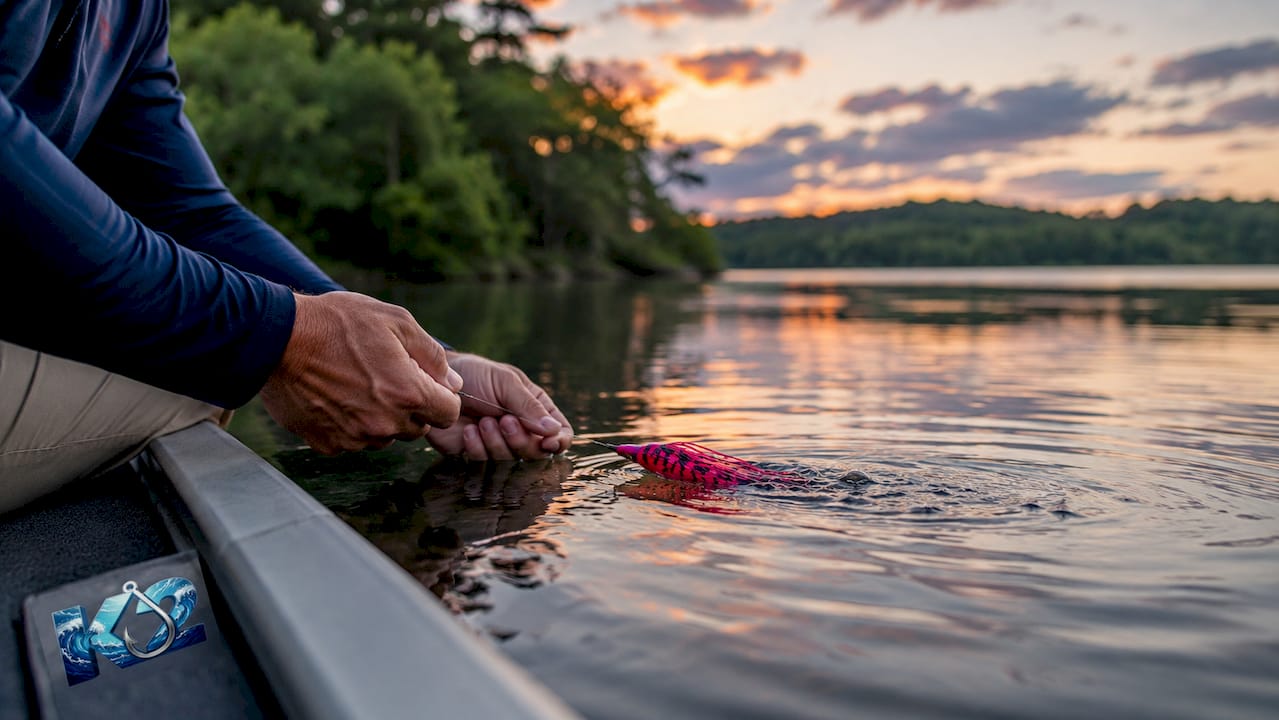
Consistency in depth, tracking, and balance after repeated use is the clearest sign of a quality lure. Cheap lures often track well on the first few casts, then drift off course after a fish strike compresses the body or bends a hook eye. A quality lure returns to the same depth and line on every retrieve.
The retrieve itself tells you everything about internal balance. A quality lure’s retrieve shows tiny intermittent surges rather than a flat, mechanical pull. Those micro-surges signal that the lure’s components are working together to generate pressure waves and vibration. Swimbaits and crankbaits with synchronized pulsing movements increase catch rates by mimicking real prey behavior more accurately than static designs. That pulsing is not accidental. It is engineered through precise body geometry and ballast placement.
Sound and vibration are equally important, especially in offshore trolling where visibility drops fast. A well-crafted lure produces a vibration frequency tuned to the lateral line sensitivity of target species. K2fishing’s abalone resin construction generates a flash and vibration profile that registers as a distressed baitfish signal, which is exactly what triggers a marlin or wahoo to commit. You can learn more about how lure design affects fish senses and why this matters for your catch rate.
- Swimming action. Watch for a side-to-side roll with slight forward surges. Flat, rigid movement means poor internal balance.
- Depth consistency. Cast the lure three times at the same speed. A quality lure hits the same depth every time.
- Paint durability. Check the finish after a fish strike. Quality paint holds. Cheap paint chips at the first contact point.
- Hook condition. Run the hook point across your thumbnail. It should catch immediately. A hook that slides is dull and needs replacement before it costs you a fish.
- Hardware integrity. Split rings and swivels should spin freely and show no corrosion after saltwater exposure.
Pro Tip: Wet your fingers and run them along the lure body after a retrieve. You should feel a faint vibration residue in the body material. No vibration means the lure is not generating the pressure waves that trigger strikes.
Which practical tools and techniques help anglers spot signs of inferior fishing lures?
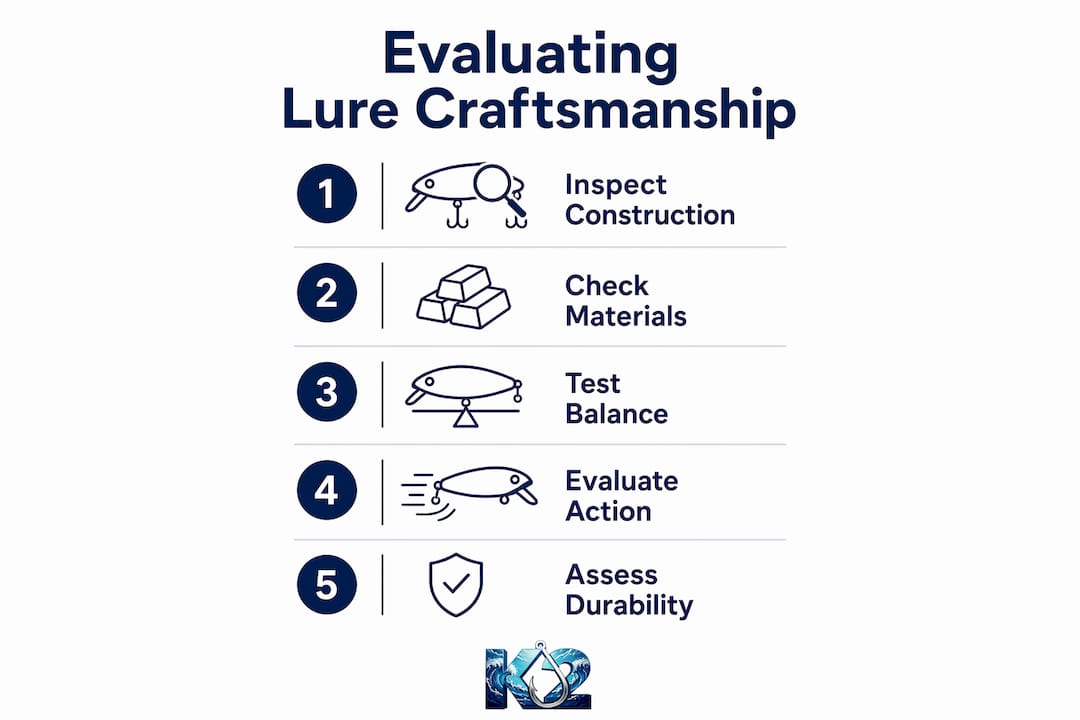
Identifying a low-quality lure before you buy saves money and, more importantly, saves fish. Several practical checks separate the real from the counterfeit.
Budget lures often rely on flashy paint patterns to mask inferior materials and poor construction. A lure covered in holographic scales, tiger stripes, and three colors of glitter is almost always hiding a body that will crack on the first hard strike. Proven colors like chartreuse, white, and natural baitfish patterns outperform novelty finishes because they work in real water conditions, not just on a tackle shop peg.
- Check the action in a test tank or clear water. Using polarized sunglasses with test retrievals lets you see the lure’s actual swimming path without surface glare distorting your view. Polarized lenses cut the reflection and reveal whether the lure tracks straight, rolls erratically, or lists to one side.
- Inspect the paint finish up close. Run your fingernail across the finish. Quality paint resists scratching. Cheap paint lifts at the edges of decals and shows brush marks or uneven coverage under direct light.
- Test the hardware. Tug the hook eye with pliers. On a quality lure, the eye does not move. On a cheap lure, it rotates or pulls slightly, which means it will fail under load.
- Compare body material weight. Hold two lures of the same size. A balsa or high-grade wood body feels lighter than a solid plastic body of the same dimensions. That weight difference reflects the material’s buoyancy properties.
- Look at the lip or head geometry. Uneven lips, asymmetric heads, or visible mold seams that were not sanded down all signal a production process that skipped finishing steps.
Choosing handcrafted trolling lures over mass-produced options is not just about prestige. It is about buying a tool that was built with enough care to function correctly under the pressure of a big-game fight.
What simple modifications can improve budget lures to match higher-end craftsmanship?
Budget lures are not always a dead end. The right upgrades close the gap between a $4 lure and a $40 one in ways that actually matter on the water.
- Replace the hooks first. Replacing stock hooks with chemically-sharpened options is a mandatory upgrade for every budget lure. Factory hooks on cheap lures are often stamped from soft wire and lose their edge after one fish. Chemically-sharpened hooks penetrate faster and hold longer.
- Stick to proven colors. Repaint or select budget lures in chartreuse, white, blue, or natural baitfish patterns. Simple, proven colors outperform complex paint jobs and are easier to touch up when the finish chips.
- Tune the lip. Bend the line tie slightly left or right to correct a lure that tracks off-center. Small adjustments change the swimming angle and can restore a lure that was pulling to one side.
- Sharpen hooks regularly. A hook sharpening stone costs less than a dollar and extends the effective life of any hook by several trips. Run the stone along the point at a 45-degree angle until the tip catches on your thumbnail.
- Upgrade split rings. Swap factory split rings for stainless steel options rated for your target species. A split ring failure during a fight is the most preventable loss in fishing.
Anglers trust lure consistency and reliability over flashy novelty, and these upgrades are exactly what builds that consistency in a budget option. A modified budget lure with sharp hooks and a tuned lip will outfish an unmodified premium lure with dull hardware every time. For a look at what professional-grade lures actually deliver at the top end, the gap becomes clear.
Key Takeaways
Identifying quality lure craftsmanship comes down to construction depth, material choice, and observable performance under real fishing conditions.
| Point | Details |
|---|---|
| Construction steps matter | Quality handmade lures require 40+ distinct steps; mass-produced lures skip most of them. |
| Intentional instability is a feature | A lure that hunts and darts triggers more strikes than one that tracks in a straight line. |
| Performance consistency is the test | A quality lure holds its depth and tracking after repeated strikes and use. |
| Flashy paint is a warning sign | Overly complex paint patterns often mask inferior body materials and poor construction. |
| Hook upgrades are non-negotiable | Replace stock hooks with chemically-sharpened options on any budget lure before fishing it. |
What experience taught me about reading a lure before it hits the water
Most anglers evaluate lures the wrong way. They look at color first, action second, and construction last. The order should be reversed.
I have held lures that looked perfect on the shelf and felt wrong the moment I picked them up. The balance was off. The body was too heavy for its size. The hook eye had a tiny wobble that told me the wire was not seated properly. None of that shows up in a product photo. It only shows up when you handle the lure with intention.
The hardest lesson I learned is that a lure’s action in a test tank is not the same as its action at trolling speed in a 3-foot chop. Lures that look great in calm water often blow out and spin at speed. The only way to know is to test at the actual conditions you fish. That is why real-world testing matters more than any specification sheet.
My honest advice: trust the lures you have caught fish on. Anglers who value tested designs honed over decades consistently outfish anglers who chase the newest release. Buy quality once, maintain it well, and fish it with confidence. That approach catches more fish than any tackle box full of untested gear.
— Daniel
K2fishing lures built for anglers who know the difference
Anglers who understand craftsmanship in fishing tackle know exactly what to look for in an offshore trolling lure. K2fishing builds every lure to meet that standard, using abalone resin for maximum flash and hand-tested construction for real-world durability.
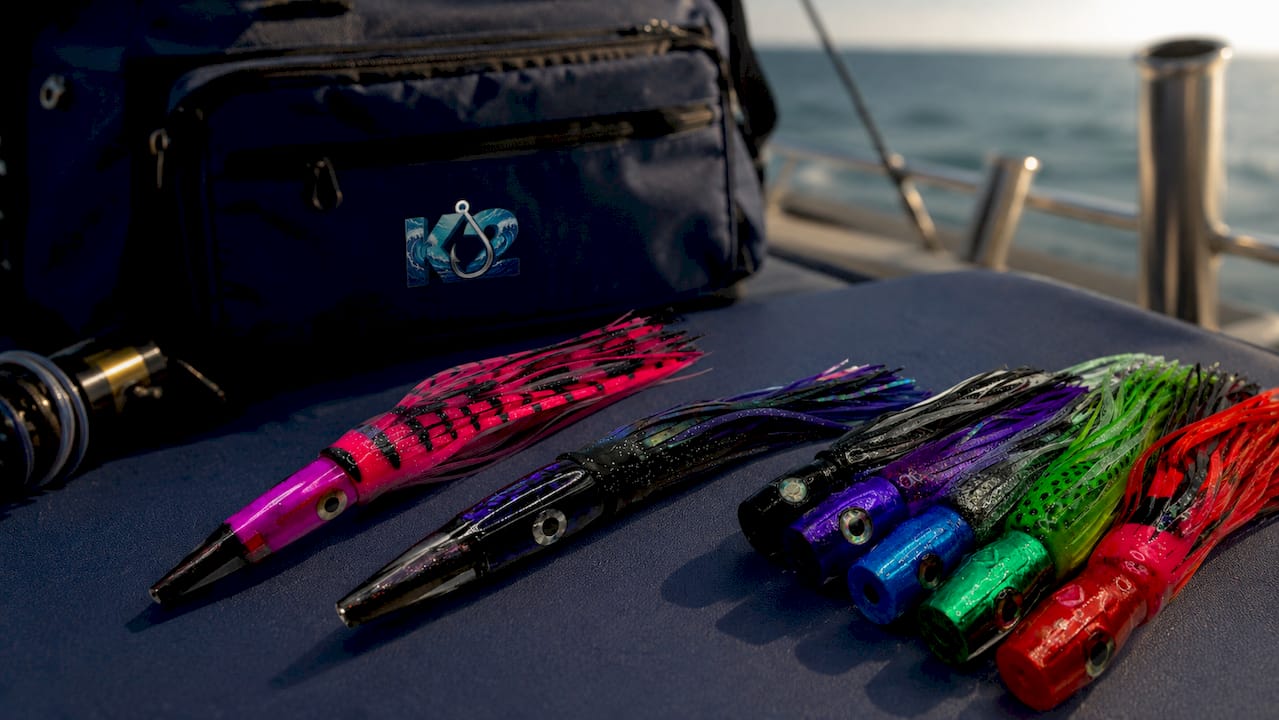
The Pink Demon and Purple Demon are built for big-game species like marlin, tuna, and wahoo, with the balance, vibration, and finish that serious anglers demand. Pair either lure with the K2 trolling skirts set to customize your spread and dial in the action for your target species. Every K2fishing lure is handcrafted in the USA and backed by 5-star ratings from anglers who fish them hard. Visit K2fishing.com to see the full lineup.
FAQ
What makes a handmade lure better than a mass-produced one?
Handmade lures go through 40 or more distinct construction steps that mass-produced lures skip, resulting in better buoyancy, more precise balance, and a more natural swimming action that triggers strikes.
How do I know if a lure has good action without fishing it?
Hold the lure by the line tie and let it hang. A quality lure rests at a slight nose-down angle, and a slow hand-retrieve in clear water with polarized sunglasses will reveal whether it tracks true or lists to one side.
What are the clearest signs of inferior fishing lures?
Overly complex paint patterns, soft hook wire that bends easily, visible mold seams on the body, and a retrieve that tracks perfectly straight with no micro-surges are all signs of a low-quality lure.
Should I replace hooks on new lures?
Replace the hooks on any budget lure before fishing it. Stock hooks on cheap lures are often soft and dull. Chemically-sharpened replacement hooks penetrate faster and hold under the pressure of a big-game fight.
What is the most important performance test for a trolling lure?
Track the lure at your actual trolling speed in realistic sea conditions. A quality trolling lure holds its depth, tracks straight, and maintains its action without spinning or blowing out when the speed or chop increases.