Reef fishing is defined as stationary or slow-drifting boat fishing over underwater structures, targeting species that live near reefs, wrecks, and rocky bottoms. Offshore trolling, by contrast, requires continuous boat movement at 4–15 knots across open ocean to intercept migratory pelagic fish. Understanding how reef fishing differs from offshore trolling comes down to five core variables: boat movement, target species, gear weight, technique, and physical demand. Get these distinctions right, and you stop wasting trips on the wrong setup.
How reef fishing differs from offshore trolling in boat movement and environment
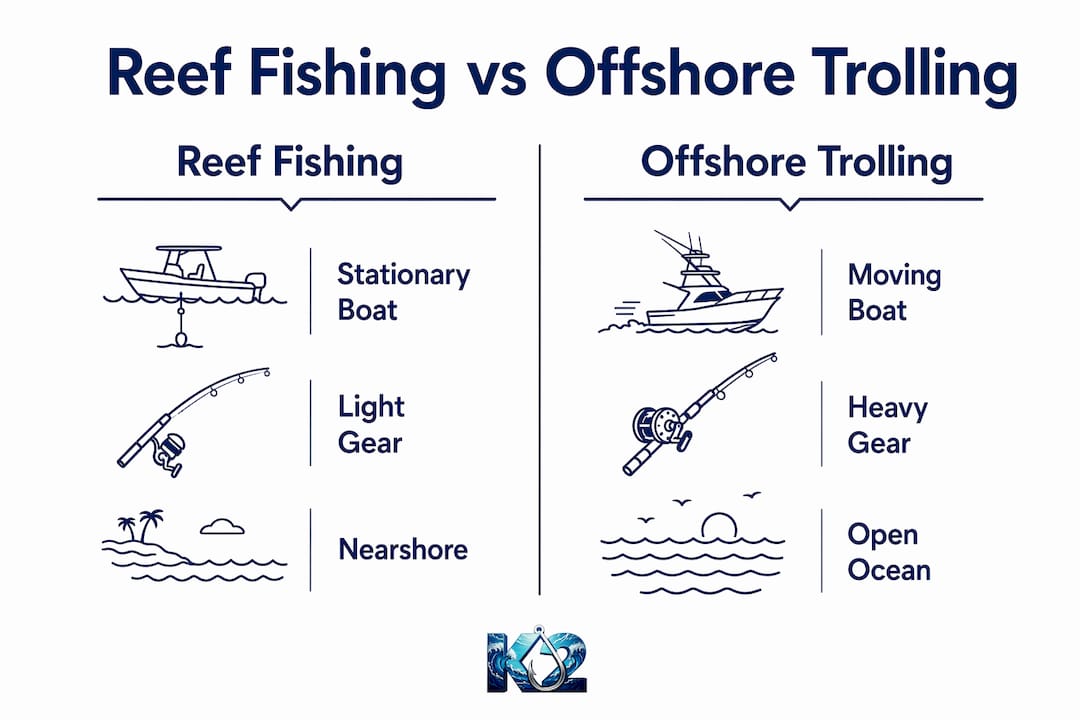
The single biggest separator between these two styles is whether your boat moves or stays put. Reef fishing keeps boats anchored or drifting slowly over nearshore structure, while offshore trolling demands constant forward motion to cover water and find fish. That difference shapes everything else about the trip.
Reef fishing happens in calmer, nearshore waters, typically over coral reefs, artificial reefs, and wrecks in depths ranging from 30 to a few hundred feet. The boat anchors up-current of the structure and lets bait or jigs work the bottom. Precise anchoring 50–100 feet up-current of the target structure is the difference between fishing productive water and fishing dead water. Miss the position, and even the best bait goes untouched.
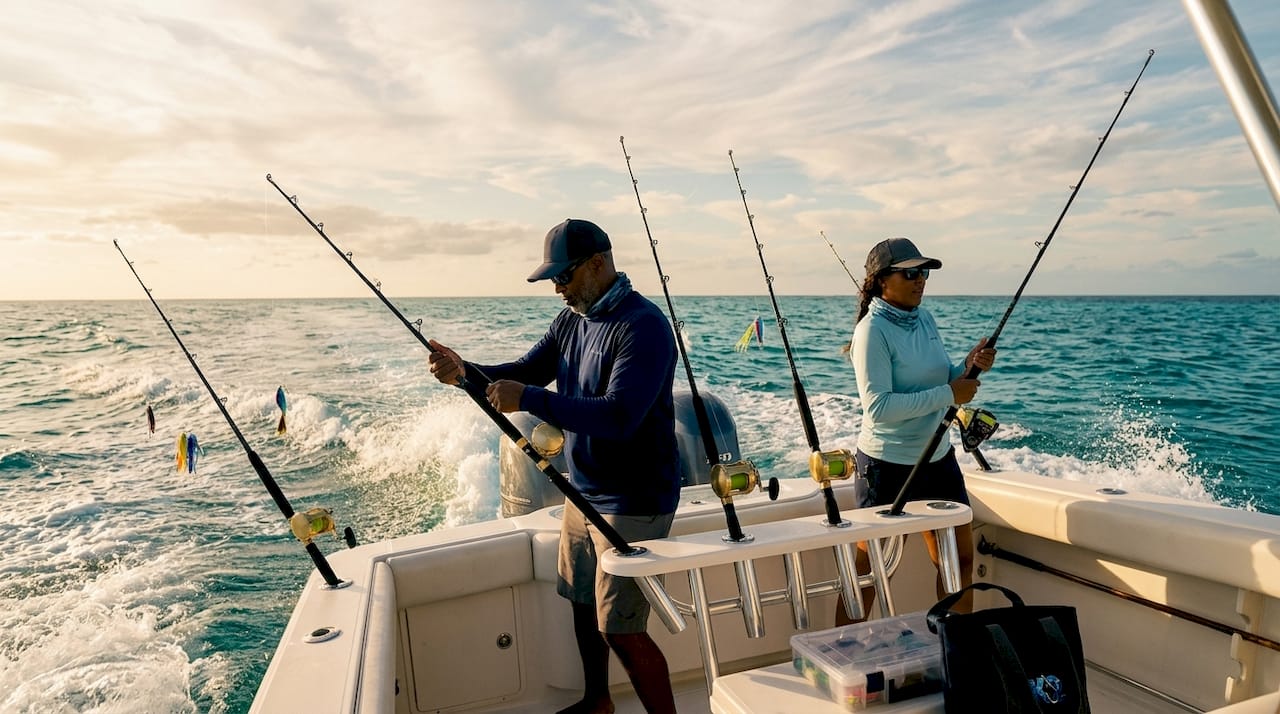
Offshore trolling takes place in open ocean, often miles from shore, where the boat runs at speed to cover ground. Offshore trips are more susceptible to wind and swell cancellations because the open water amplifies sea conditions. Reef fishing, sitting in protected nearshore zones, runs in weather that would shut down an offshore trip entirely.
Pro Tip: Check the wind direction before booking. Offshore trolling becomes dangerous in sustained winds above 15–20 knots. Reef fishing in a protected bay can stay fishable in those same conditions.
What gear and tackle do reef fishing and offshore trolling require?
The gear gap between these two styles is wide. Reef fishing uses lighter spinning rods, bottom rigs like knocker rigs, and 6/0–8/0 circle hooks matched to the target species. Offshore trolling demands heavy conventional reels, outriggers, and 30–80 lb test braided line capable of handling a 200 lb marlin at speed.
Reef fishing tackle
Reef fishing gear centers on getting bait or jigs to the bottom and keeping them there. A medium-heavy spinning rod in the 7–8 foot range handles most reef species. Micro slow pitch jigging with 60–80 g jigs increases bite frequency and reduces arm fatigue compared to heavy conventional setups. Captain Spencer Kight specifically recommends lighter jigging gear for reef fishing to keep anglers fresh and in the game longer.
Offshore trolling tackle
Offshore trolling gear is built around covering water and absorbing shock. A proper trolling spread uses 5 lines arranged to mimic a bait school, including flat lines, rigger lines, a shotgun line, and teasers. Each position has a specific distance behind the boat to prevent tangles and maximize strike opportunities. Outriggers spread the lines wide, keeping the spread clean at trolling speed.
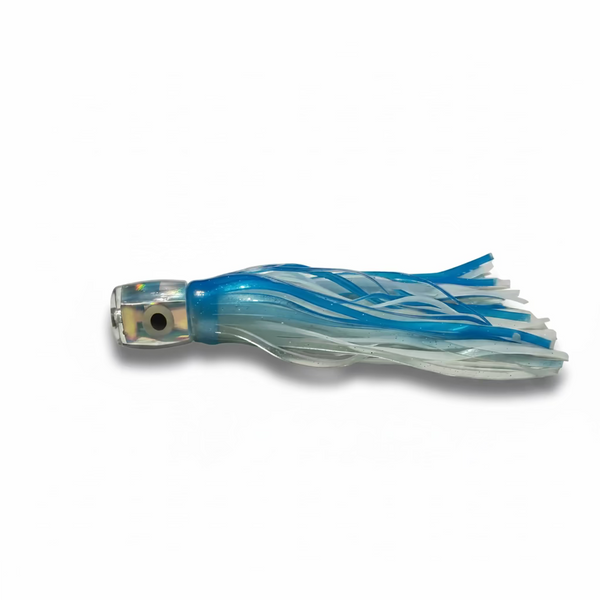
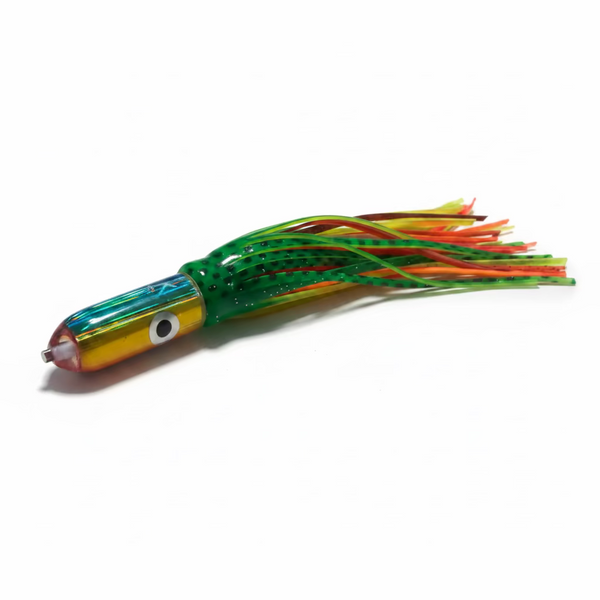
Lure selection ties directly to boat speed. Cedar plugs run best at 6–9 knots, while Madmacs perform at 11–15 knots. Running the wrong lure at the wrong speed kills its action and drops your catch rate. Anglers targeting mahi-mahi can find detailed lure selection guidance to match color and profile to conditions.
Pro Tip: Never mix lure speeds in the same spread without adjusting set-back distances. A cedar plug running at 12 knots spins out and loses action. Match your lure to your target speed first, then set your lines.
What species do reef fishing and offshore trolling target?
The species list for each style reflects the environment. Reef fishing targets structure-oriented species like snapper, grouper, amberjack, and triggerfish. These fish live on or near the bottom, using the reef as cover and a feeding station. Offshore trolling pursues pelagic species like mahi-mahi, wahoo, tuna, and marlin. These fish roam open water following bait schools, temperature breaks, and current edges.
The behavioral difference between these two groups drives every tactical decision:
- Reef species hold position. They respond to bait dropped directly to them and rarely chase lures across open water.
- Pelagic species move constantly. They respond to fast-moving lures that mimic fleeing baitfish. Speed and flash trigger the strike.
- Mahi-mahi bridge both worlds. They school near floating debris and weed lines, making them catchable by trolling to the structure and then dropping live bait once the school is located.
- Wahoo are pure speed predators. They hit fast-moving lures at 11–15 knots and rarely respond to bottom presentations.
- Grouper and snapper require patience. The best bait for reef fishing is fresh cut bait or live baitfish presented directly on the bottom, not retrieved through the water column.
The angler experience differs sharply. Reef fishing delivers more frequent bites with steady, consistent action. Offshore trolling means longer stretches between strikes, but when a 60 lb wahoo or a 200 lb marlin hits, the intensity is in a different category entirely.
How do physical and skill demands compare between the two styles?
Reef fishing is beginner-friendly and physically accessible. Calmer water, lighter gear, and frequent bites make it a strong choice for families, new anglers, and anyone who wants consistent action without heavy physical output. The learning curve focuses on reading structure, anchoring correctly, and presenting bait at the right depth.
Offshore trolling demands more from the angler physically and mentally. Managing heavy conventional gear, fighting large pelagic fish in a fighting chair, and staying alert through long stretches between bites requires stamina and focus. Weather sensitivity adds another layer. Offshore trips cancel more often than reef trips because open-water conditions deteriorate faster.
Key physical and skill differences at a glance:
- Reef fishing suits anglers at any fitness level, including children and seniors.
- Offshore trolling requires upper body strength to fight large fish on heavy tackle.
- Reef fishing skill centers on boat positioning and bait presentation.
- Offshore trolling skill centers on spread management, lure speed, and reading the water column.
- Offshore trips typically run 6–10 hours, requiring sustained focus and sea legs.
Pro Tip: If you get seasick easily, reef fishing in protected nearshore water is the better call. The constant rolling motion of an offshore trolling run in 3–4 foot swells affects even experienced anglers.
How do anglers combine reef fishing and offshore trolling for the best results?
Many charters combine trolling between spots with bottom fishing at reefs to maximize both species variety and action throughout the day. This approach balances the waiting game of offshore trolling with the consistent action of reef fishing. A well-planned combined trip looks like this:
- Depart at dawn and troll offshore. Run lures at trolling speed on the way out to target mahi-mahi, wahoo, or tuna in open water. Cover 10–20 miles while actively fishing.
- Reach the offshore reef or wreck by mid-morning. Drop anchor up-current of the structure and switch to bottom rigs or micro jigs for snapper and grouper.
- Troll back toward shore in the afternoon. Reset the spread and cover new water on the return run, giving pelagic species a second opportunity to strike.
- Finish with a nearshore reef stop. End the day in calmer water with lighter gear for a relaxed final session targeting structure fish.
This schedule gives anglers exposure to both pelagic offshore species and reef species in a single trip. The pacing works well because the high-intensity offshore trolling happens when anglers are fresh, and the relaxed reef session closes the day. Strategic planning around tides and fish behavior, especially targeting mahi near weed lines and snapper during slack tide, sharpens results further.
Key Takeaways
Reef fishing and offshore trolling require completely different gear, techniques, and physical preparation, and choosing the right style depends on your target species, skill level, and sea conditions.
| Point | Details |
|---|---|
| Boat movement defines the style | Reef fishing anchors over structure; offshore trolling runs at 4–15 knots across open water. |
| Gear weight varies significantly | Reef fishing uses light spinning rods and circle hooks; offshore trolling requires heavy conventional reels and 30–80 lb braid. |
| Target species drive tactics | Reef fishing targets snapper and grouper on the bottom; offshore trolling pursues mahi-mahi, wahoo, and tuna at speed. |
| Skill and fitness demands differ | Reef fishing suits beginners and families; offshore trolling requires stamina, heavy-gear experience, and sea tolerance. |
| Combined trips maximize results | Trolling to offshore reefs and bottom fishing on arrival delivers species variety and balanced action in one trip. |
My honest take on picking the right style
I’ve spent time on both sides of this equation, and the biggest mistake I see anglers make is treating offshore trolling as the “serious” option and reef fishing as the beginner fallback. That framing is wrong. Reef fishing demands real skill. Anchoring precisely up-current of structure, reading a fishfinder to identify mixed-bottom zones where fish concentrate, and presenting bait at the exact right depth are not beginner tasks. They just look simpler because the gear is lighter.
Offshore trolling gets glamorized because of the big fish. But the reality is that a poorly set spread with mismatched lure speeds and tangled lines catches nothing, regardless of how far offshore you run. The technical side of trolling, specifically managing a five-line spread with cedar plugs, Madmacs, and teasers at the right distances and speeds, takes real practice to execute cleanly.
My actual recommendation: start with reef fishing to build your reading-the-water skills, then move to offshore trolling once you understand how fish relate to structure and current. The species targeting knowledge you build on the reef transfers directly to finding pelagic fish offshore. Mahi-mahi school near floating structure for the same reason grouper hold on a reef. Understanding that connection makes you a better offshore angler faster than any amount of time simply running lures at speed.
If you want the adrenaline of big game fish but aren’t ready for a full offshore run, try a combined charter. You get exposure to both methods, and you learn which style fits your temperament. Some anglers love the patience and precision of reef fishing. Others live for the chaos of a wahoo screaming line off a reel at 13 knots. Both are valid. Know which one you are before you book.
— Daniel
Gear up for offshore trolling with K2fishing
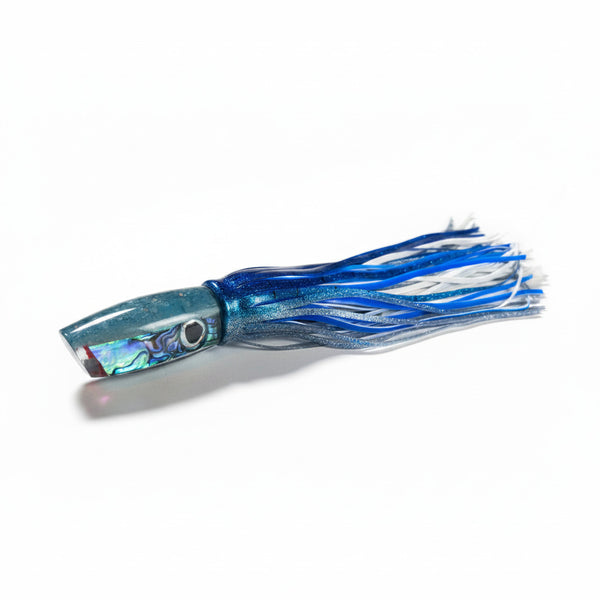
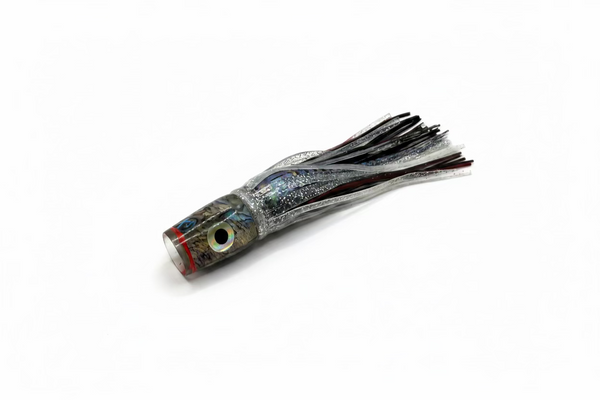
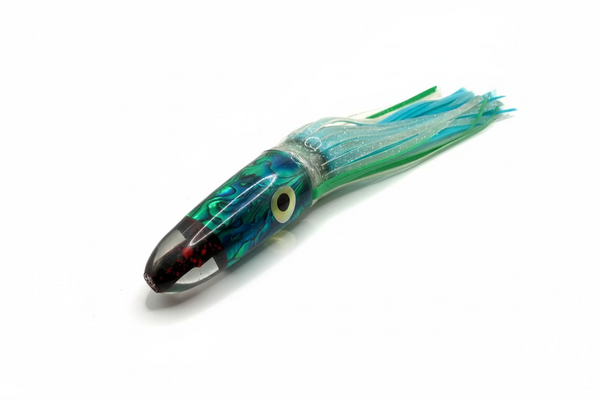
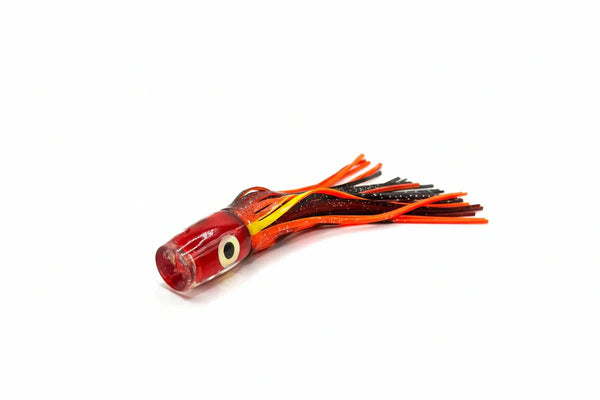
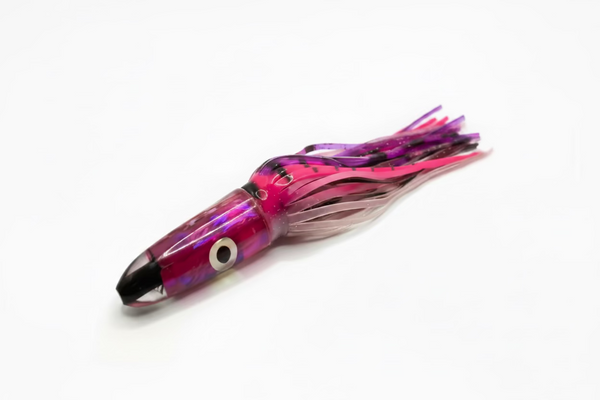
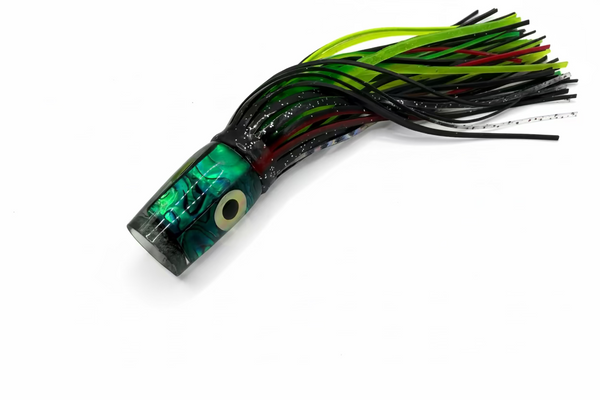
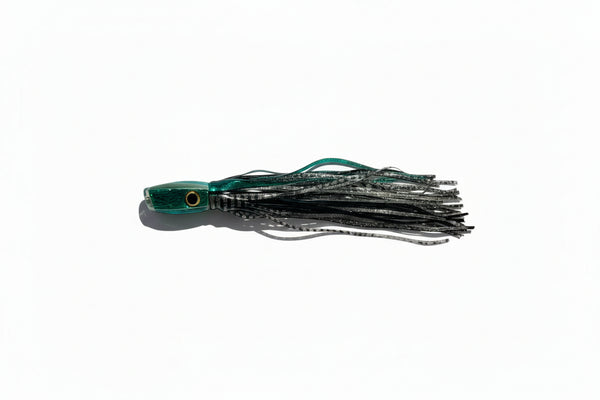
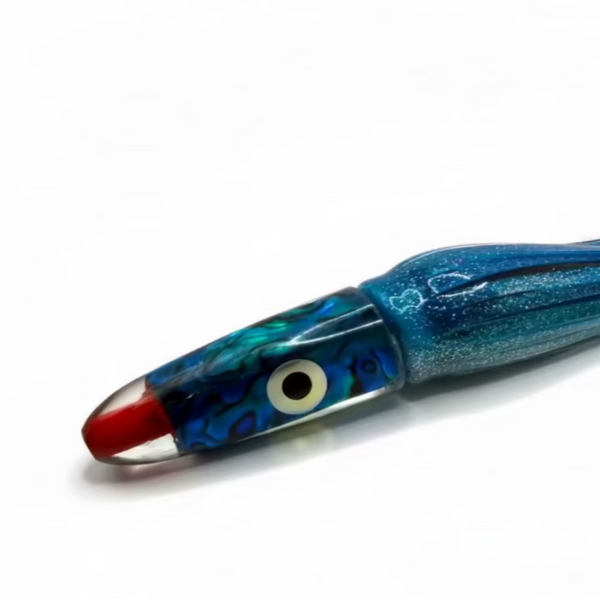
Offshore trolling performance starts with the lure in the water. K2fishing builds each trolling lure by hand in the USA using abalone resin, a material that produces a level of brightness and flash that standard resin cannot match. That flash is what triggers strikes from mahi-mahi, wahoo, and marlin at trolling speed.
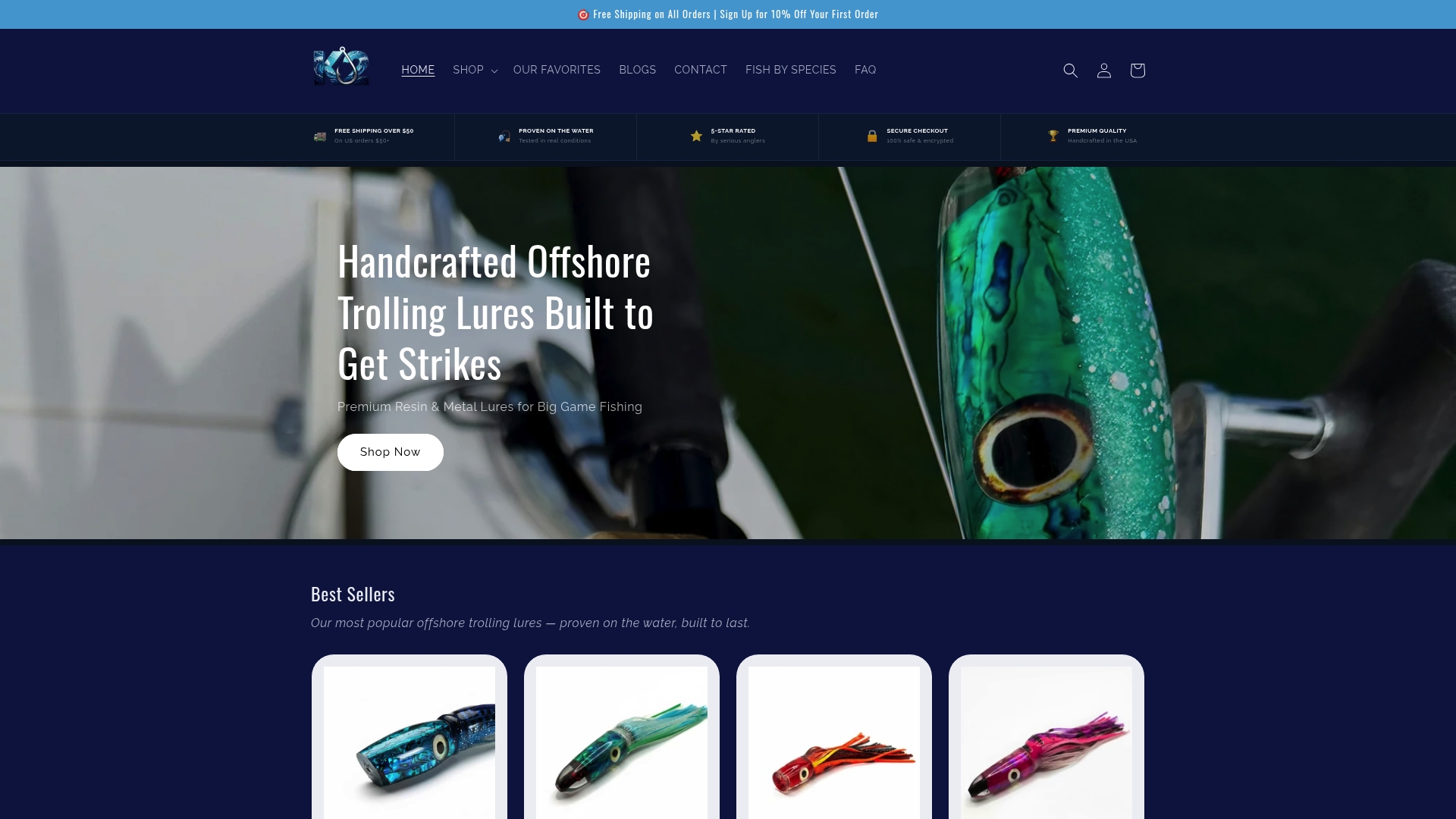
The Red Abalone Big Eye lure at 7.5" is built for the 6–9 knot speed range where cedar plugs and similar profiles shine. For anglers building out a full spread, the K2 trolling skirts set provides matched profiles designed to run clean at multiple speed tiers. Every lure ships rigorously tested in real-world conditions, backed by five-star ratings from anglers who report consistent catch rate improvements. If you are serious about offshore trolling results, the lure quality in your spread matters.
FAQ
What is the main difference between reef fishing and offshore trolling?
Reef fishing uses a stationary or slow-drifting boat over underwater structure to target bottom-dwelling species, while offshore trolling runs at 4–15 knots in open ocean to intercept migratory pelagic fish. The boat movement is the defining operational difference between the two styles.
What tackle do you need for reef fishing?
Reef fishing uses medium-heavy spinning rods, knocker rigs or micro jigs, and 6/0–8/0 circle hooks on lighter line. Micro slow pitch jigs in the 60–80 g range increase bite frequency while reducing fatigue on longer trips.
How fast do you troll for offshore species like wahoo and mahi-mahi?
Trolling speed depends on the lure type. Cedar plugs perform best at 6–9 knots, while high-speed lures like Madmacs run at 11–15 knots. Matching lure type to speed is critical for maintaining proper action and triggering strikes.
Is reef fishing good for beginners?
Reef fishing is one of the most beginner-friendly saltwater styles because it takes place in calmer nearshore water with lighter gear and more frequent bites. The main skill to develop is precise boat anchoring up-current of structure to keep bait in the productive zone.
Can you do reef fishing and offshore trolling on the same trip?
Many charters combine both styles by trolling to offshore reefs and then bottom fishing once anchored on structure. This approach delivers species variety and balances the high-intensity offshore run with the consistent action of reef fishing in a single outing.