Successful catching mahi depends less on static bottom structure and more on an angler's ability to interpret dynamic ocean conditions. These pelagic predators follow distinct environmental cues that serious anglers can learn to identify and exploit. Understanding these patterns is the foundation of consistent offshore success.
Essential Strategies for Locating Mahi
Locating mahi-mahi is a function of reading the water. The primary objective is to find convergence zones where currents concentrate baitfish. The most critical environmental factor is water temperature. Mahi actively feed in a specific thermal range, typically between 74°F and 82°F. Onboard electronics are essential for identifying temperature breaks, which are abrupt changes in surface temperature that act as invisible highways for pelagic species. Learning how to find mahi mahi involves pinpointing these thermal gradients where bait becomes trapped.
Water color provides another vital clue. The transition from sterile, deep blue offshore water to a richer blue-green signifies an increase in chlorophyll and nutrients. This color change often aligns with temperature breaks and indicates a productive feeding zone. For a broader perspective, professional anglers utilize satellite-based sea surface temperature (SST) charts before leaving the dock. These tools reveal large-scale thermal features, allowing for a more strategic approach to locating migratory paths. Applying this type of environmental analysis is a core skill for targeting any bluewater species, and anglers can refine their approach by studying the specific habits of different fish.
Identifying High-Potential Surface Structure
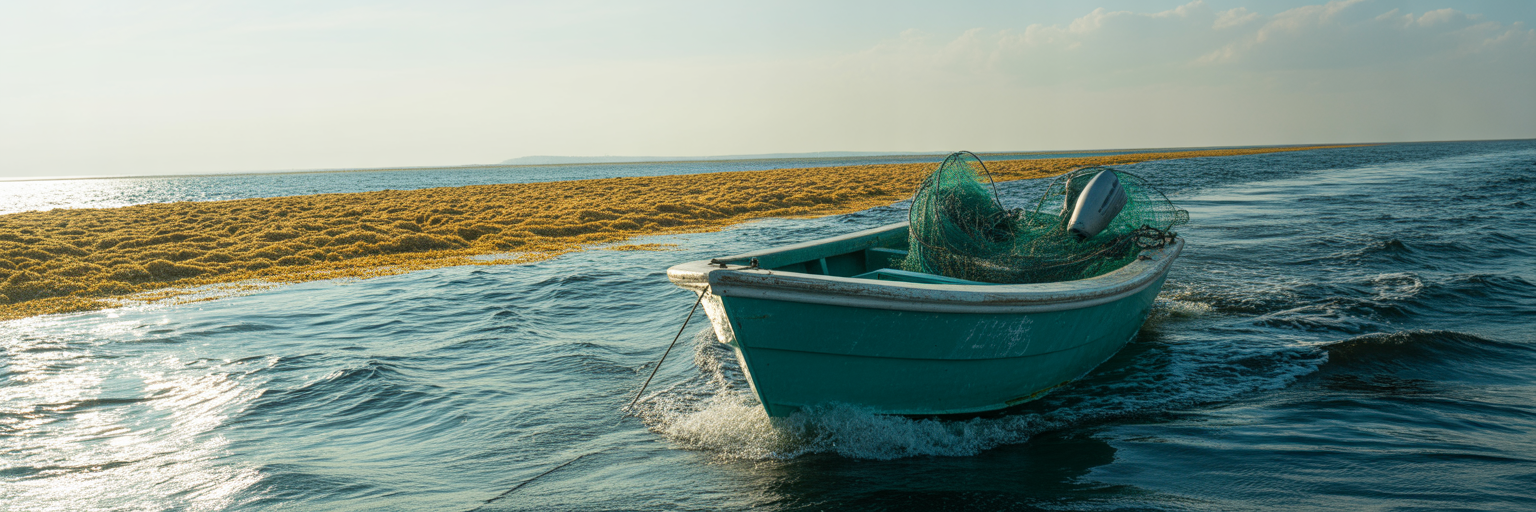
While water conditions point you to the right area, floating structure is the most reliable physical indicator of mahi presence. These objects create distinct micro-ecosystems that attract and hold the baitfish mahi prey upon. Unlike the subtle cues of water temperature and color, surface structure provides a visible target for anglers to focus their efforts.
The most productive types of structure include:
- Sargassum Weed Lines: Well-defined weed lines, especially those formed in deep blue water, are premier targets. They offer both cover and a food source for the small fish and crustaceans that mahi feed on.
- Floating Debris: Objects like wooden pallets, logs, and other flotsam create established habitats. The longer an object has been at sea, the more life it will hold.
- Offshore Navigational Buoys: The chains and anchor lines of buoys provide vertical structure that attracts baitfish, which in turn draws in predators like mahi.
A critical tactical insight for sargassum weed line fishing is to troll parallel to the edge rather than crossing over it. This technique maximizes the time your lures spend in the most probable strike zone along the structure's perimeter. A stealthy approach is paramount. When you spot promising structure, approach from downwind and cut your main engines 50 to 75 yards out. This allows you to drift quietly into casting range without alerting the school to your presence.
| Structure Type | Key Visual Cues | Primary Bait Held | Optimal Approach |
|---|---|---|---|
| Sargassum Weed Line | Defined edge, color change, birds | Filefish, small crabs, flying fish | Troll parallel to the sunny side |
| Floating Debris (Pallets, Logs) | Established growth, visible bait school | Triple-tail, small jacks, baitfish | Approach downwind, cast first |
| Navigational Buoys | Chain and anchor line, current line | Baitfish, small jacks, rudderfish | Circle at a distance, look for fish breaking |
| Frigate Birds | Diving or circling low | Flying fish, pushed bait | Run to the birds, deploy spread quickly |
Advanced Trolling Setups and Tactics
Executing a professional-grade trolling spread is essential for consistent results. The standard speed for offshore trolling for mahi is between 5 and 7 knots. This pace allows you to cover significant water while ensuring your lures exhibit the correct action. A high-performance spread should be staggered, with lures positioned at varying distances from the boat to create a wide, enticing presentation. This formation prevents tangles during turns and covers multiple water columns.
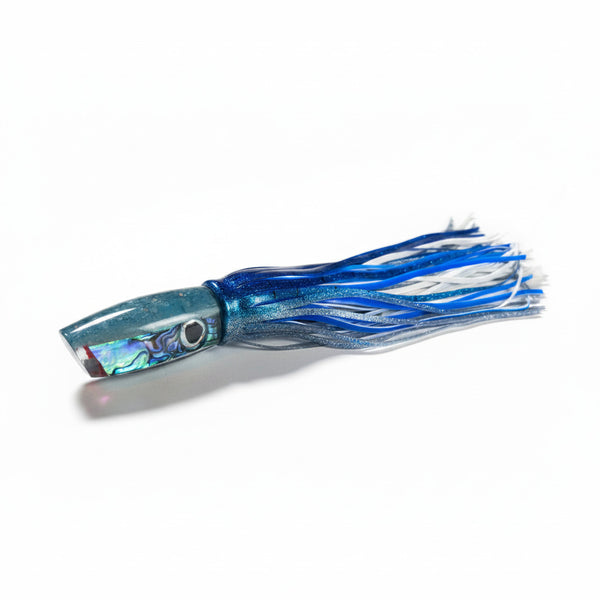
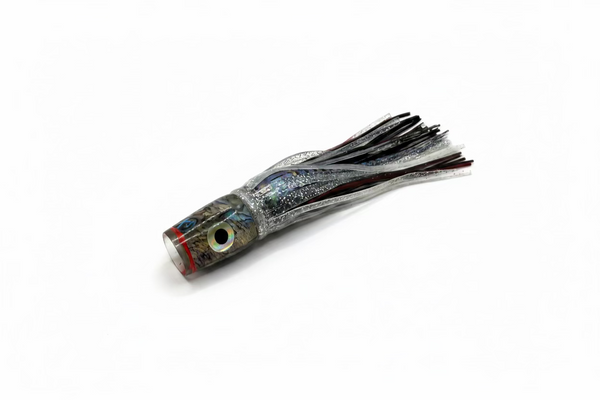
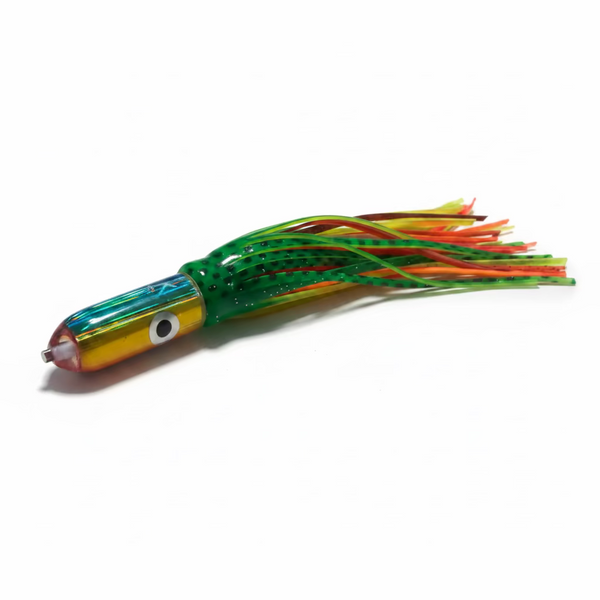
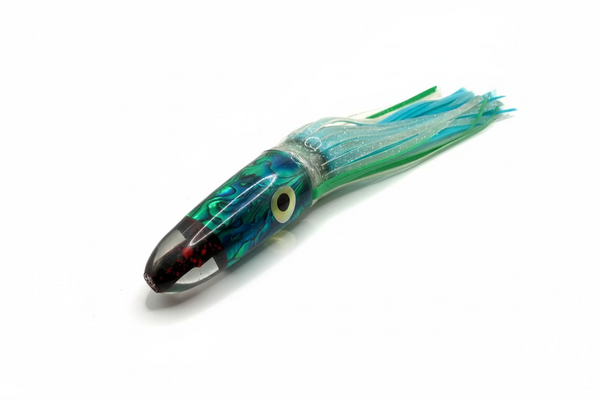
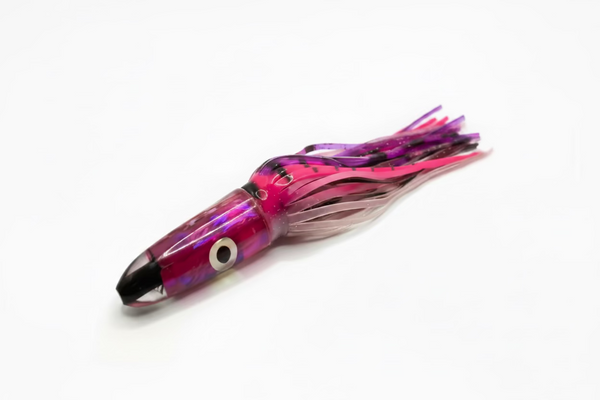
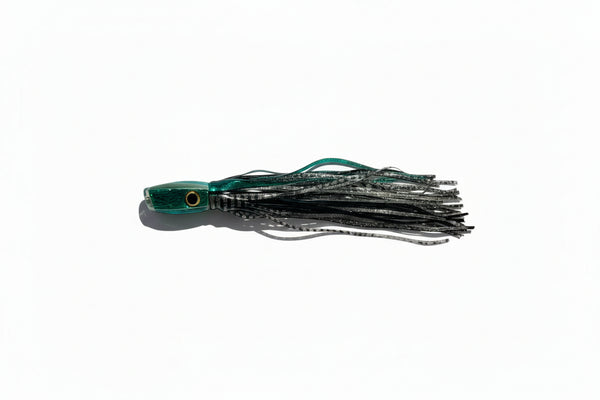
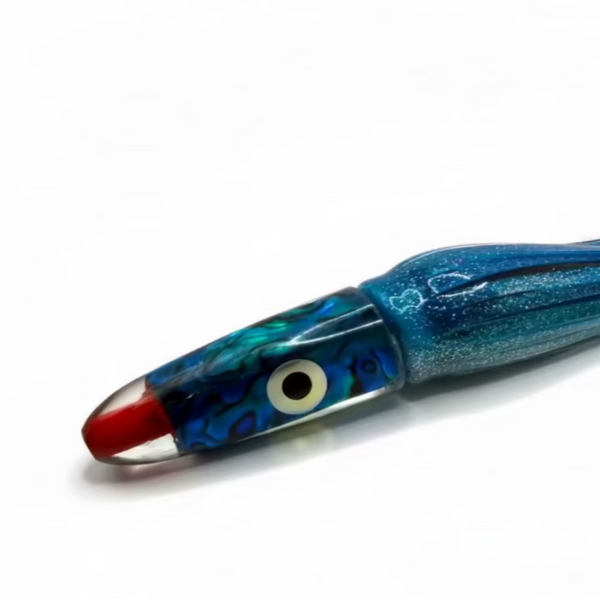
The best bait for mahi is often a combination of natural offerings and durable, high-flash artificials. Skirted ballyhoo remains a top producer, but its effectiveness is amplified when paired with premium, handcrafted lures. For example, our large resin lures are engineered with abalone shells to provide an unmatched flash that draws aggressive strikes from a distance. Teasers, such as squid chains and bird teasers, play a critical role by creating surface commotion that simulates a feeding event, pulling curious mahi into your spread.
Finally, avoid the mistake of trolling in a straight line indefinitely. When you find a productive area and get a strike, mark the location on your GPS. Make several passes through the zone from different angles to capitalize on the concentration of fish. A complete trolling presentation requires a versatile selection of lures, and anglers should equip themselves with a full range of options to adapt to changing conditions.
Capitalizing on the School Bite

The moments immediately following the first hookup are critical. A single fish often signals the presence of a larger, competitive school, and a disciplined approach is required to convert one strike into a full fish box. These mahi fishing tips outline the sequence for maximizing the opportunity.
- Keep the First Fish in the Water. Do not immediately boat the first mahi. Keep it on the line near the boat, where its frantic movements will act as a live decoy, drawing the rest of the school in and triggering a competitive feeding response.
- Transition to Casting. As the school swarms the hooked fish, your crew should immediately deploy pre-rigged spinning outfits. The trolling rods have done their job; now the focus shifts to casting directly to the frenzied fish.
- Use Performance-Oriented Gear. Your spinning reels should be spooled with 20 to 30-pound braided line for casting distance and sensitivity. A 40 to 60-pound fluorocarbon leader is essential for abrasion resistance against the mahi's rough mouth.
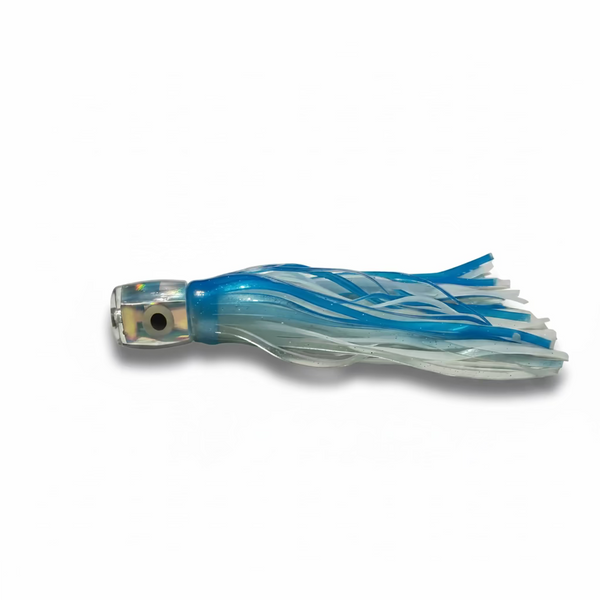
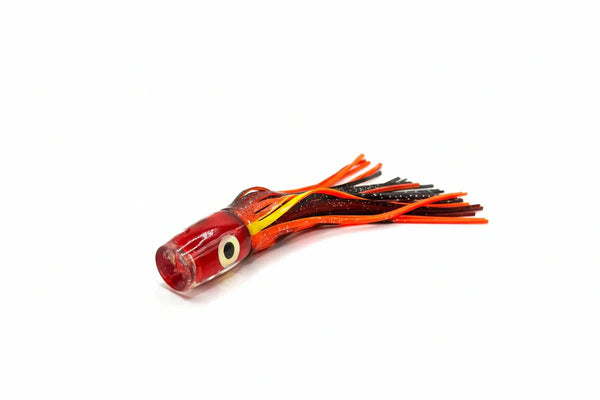
- Deploy Effective Pitch Baits. Throwing the right offering is key. Bucktail jigs, small soft plastics, and live baits are all highly effective. For a durable and enticing option, consider pitching one of our medium resin lures, which are perfectly sized to imitate the baitfish that schooled mahi are actively feeding on.
Targeting Trophy Bull Mahi
While school-sized mahi provide fast action, targeting a trophy bull requires a different strategy. In a typical school, the larger, more mature males often hold deeper, beneath the smaller and more aggressive fish competing at the surface. Selectively targeting these larger specimens separates proficient anglers from the rest.
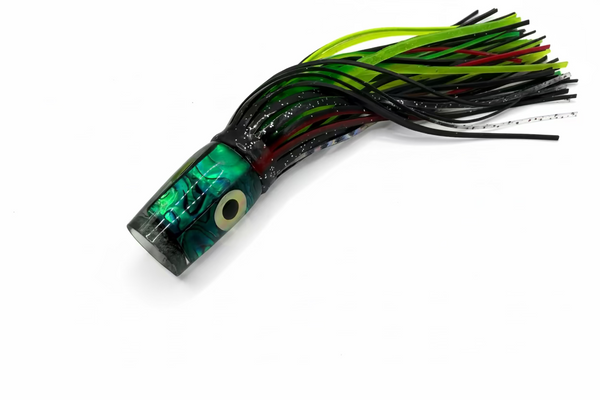
When the surface bite from smaller fish begins to slow, do not abandon the area. Instead, deploy a baited hook or a heavier jig and drop it 20 to 30 feet below the boat. This tactic requires patience, as larger bulls are more cautious and less likely to engage in the surface frenzy. A performance-built lure like our large blue abalone lure has the weight to get down to these deeper fish and the flash to trigger a strike from a wary bull. A secondary tactic is to scan the perimeter of the school for larger, solitary fish. These outliers are often mature bulls, and a well-aimed cast to one of these fish can result in the catch of the day.
Post-Catch Handling for Superior Quality

A true sportsman demonstrates respect for the animal from the water to the table. Proper handling is essential to preserve the exceptional quality of mahi-mahi flesh. This process begins the moment the fish comes over the gunwale.
- Bleed the Fish Immediately. Make a quick, decisive cut through the gills or the throat latch connecting the gills to the body. This allows the fish to bleed out completely, which is critical for ensuring clean, white fillets free of impurities.
- Chill the Fish Rapidly. Immediately place the bled mahi into a slurry of ice and saltwater. If a slurry is not available, cover the fish completely with ice in a high-quality cooler. The goal is to lower its core temperature as quickly as possible to maintain the firmness and delicate flavor of the meat.
This disciplined approach to post-catch care is the final step in the process of catching mahi and reflects a commitment to quality that defines a professional angler.