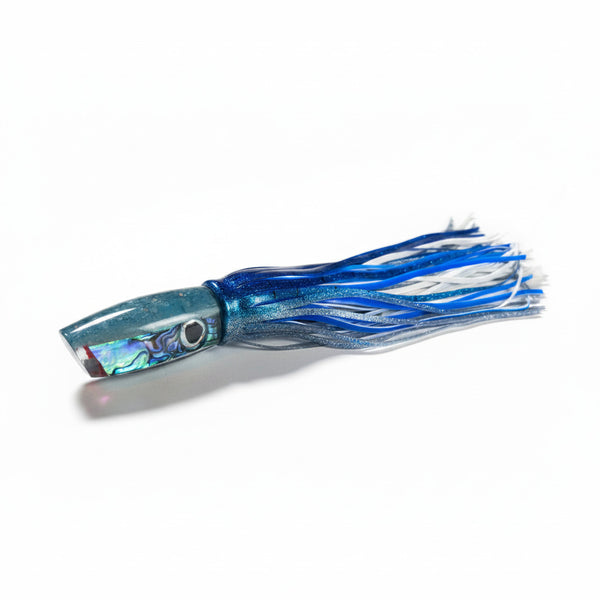
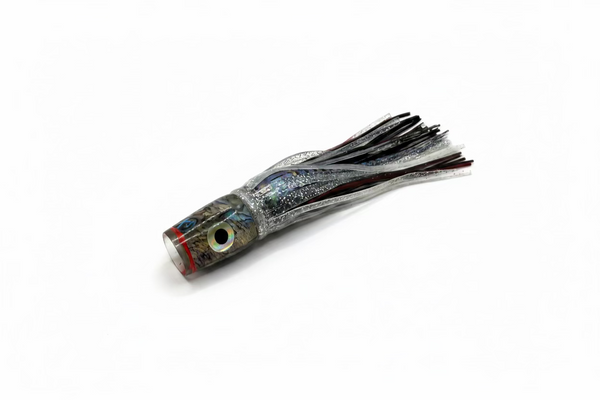
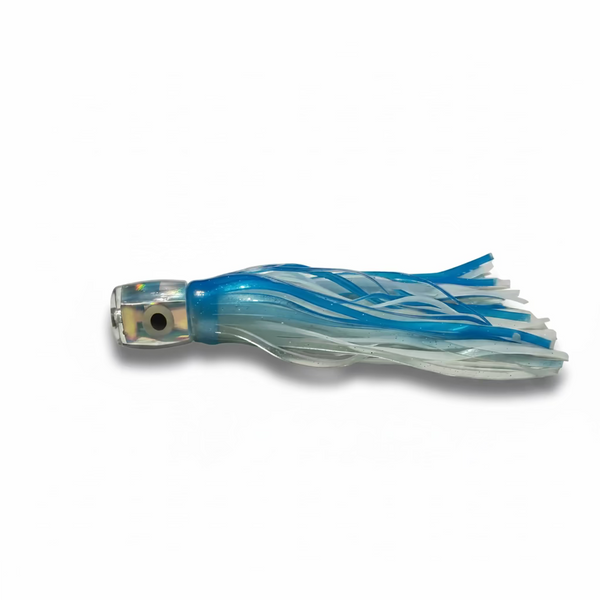
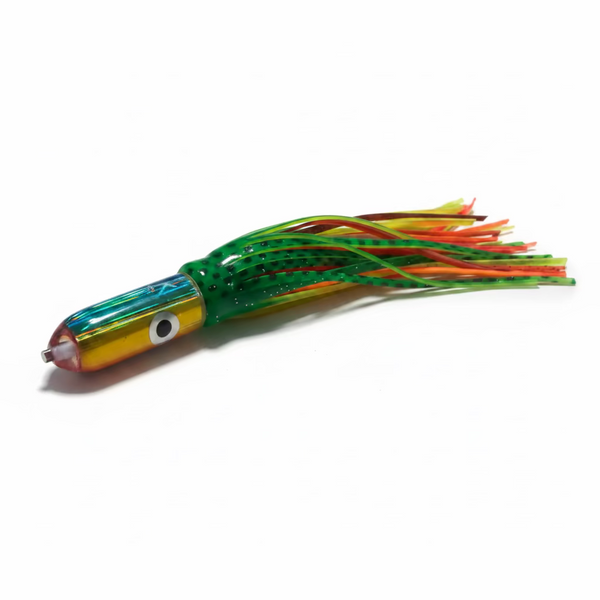
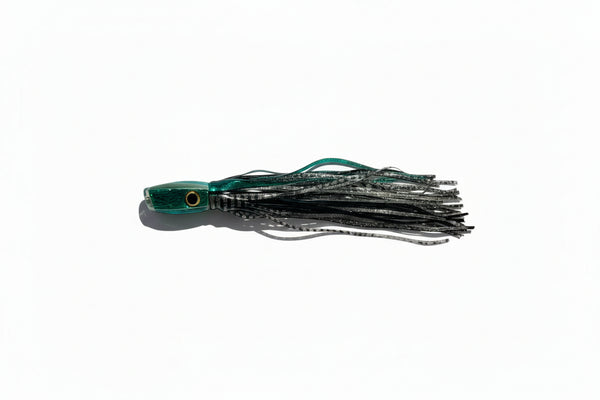
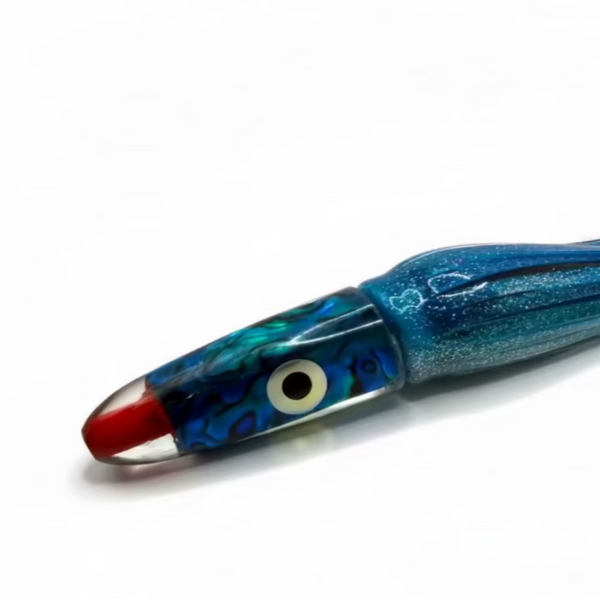
Premium offshore lure features are the specific design, material, and rigging attributes that determine whether a trolling lure attracts and holds a marlin, tuna, or wahoo in open water. Budget lures cut corners on every one of these attributes. The result is missed strikes, broken hardware, and lost fish. Serious anglers targeting big-game species upgrade to high-quality fishing lures because build quality and action consistency directly reduce missed strikes when fish are fussy. This guide breaks down every feature that separates a premium offshore trolling lure from the rest.
1. What are the essential premium offshore lure features in materials and construction?
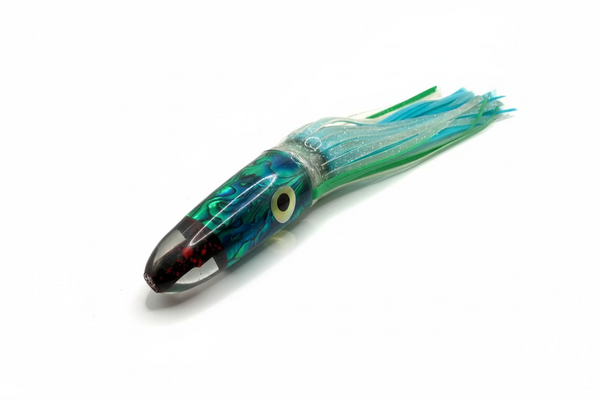
The body material of a trolling lure determines how long it survives offshore conditions. Saltwater is corrosive, and UV exposure degrades cheap plastics within a single season. Premium lures use high-density resins, reinforced plastics, and specialty materials like abalone resin that resist both saltwater corrosion and UV breakdown. K2fishing, for example, builds each lure with abalone resin that produces a realistic, multi-directional flash no painted finish can replicate.
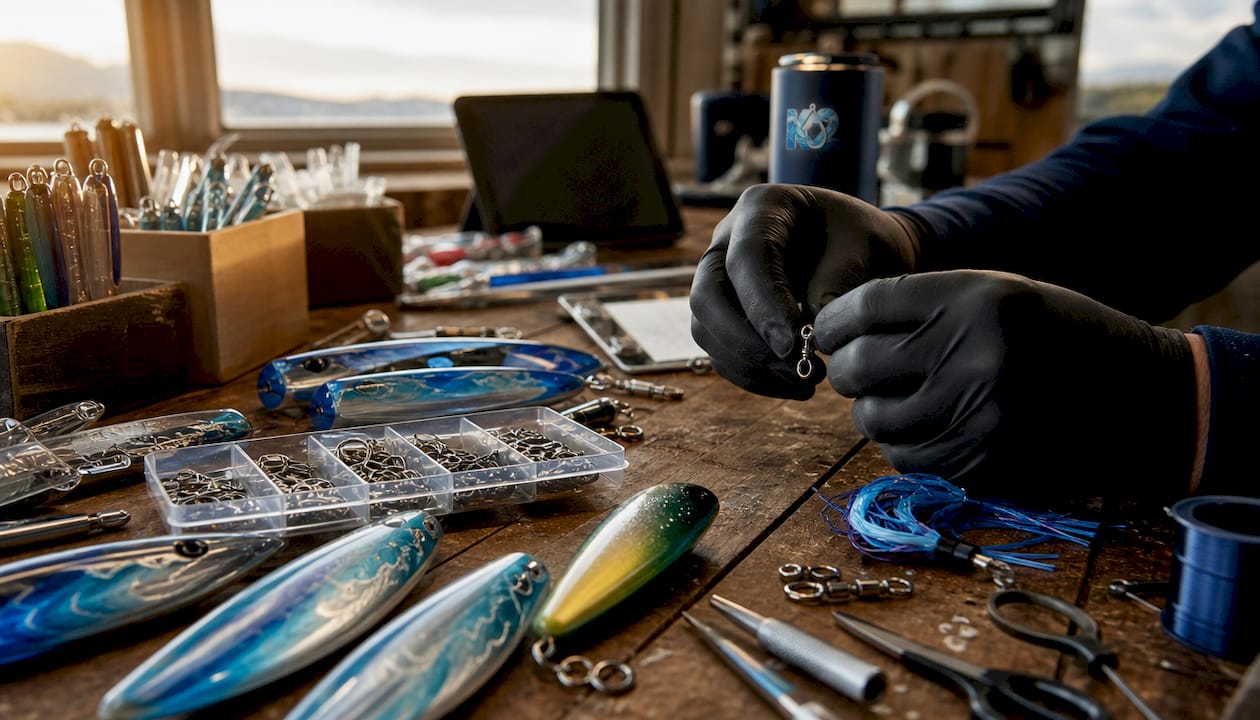
Through-wire construction is the single most important structural feature in any offshore lure. The wire runs from the nose of the lure to the tail, connecting the hook rig directly to the tow point. When a 200-pound blue marlin strikes, the force transfers through the wire, not through the lure body. Without it, the hook pulls free from the body and the fish is gone. Through-wire construction keeps anglers connected to hard-biting fish even in toothy predator encounters.
Hardware quality matters just as much as the body. Split rings, swivels, and hook hangers must be rated for the species you are targeting. Stainless steel or cadmium-plated components resist rust and maintain strength through multiple trips. Corrosion-resistant components directly affect lure longevity and angler confidence during offshore sessions.
- Body material: High-density resin or abalone resin resists saltwater and UV degradation.
- Through-wire construction: Connects hook to tow point directly, preventing body separation on strike.
- Stainless or cadmium hardware: Split rings and swivels rated for pelagic species loads.
- Reinforced head design: Prevents cracking or deformation from repeated strikes and trolling pressure.
Pro Tip: Inspect split rings and swivels after every offshore trip. Saltwater works into micro-cracks in plated hardware faster than in the lure body itself. Replacing a $2 split ring before it fails saves a $150 lure and a trophy fish.
2. How does swimming action and lure design affect offshore fishing success?
A lure that tracks straight and holds its action at trolling speed is worth far more than one that spins or blows out. Quality brand lures are tank-tested to swim straight out of the box, while cheaper options often require tuning or hardware upgrades before they perform. That tuning time costs you fishing time, and an improperly tuned lure in a spread can foul other lines.
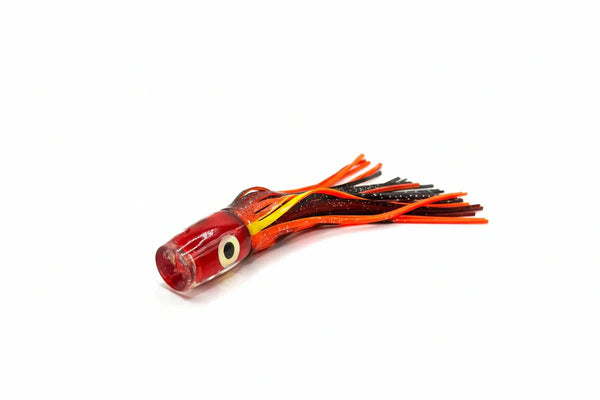
The head profile of a trolling lure controls its action in the water. A concave or angled face creates turbulence that makes the lure dart and bubble, mimicking a panicked baitfish. A flat or bullet head produces a tighter, faster action suited to wahoo and tuna at higher trolling speeds. Matching head profile to target species and trolling speed is a core design decision that separates purpose-built offshore lures from generic catalog items.
Flash and vibration are the two signals that trigger a strike from distance. Premium lures produce multi-directional flash by using materials that scatter light the way baitfish scales do. Color pattern realism and multi-directional flash are critical in clear blue water, where big-game fish can inspect a lure before committing. A lure that looks alive from multiple angles gets eaten. One that looks flat from the side gets ignored.
| Design feature | Effect on action consistency |
|---|---|
| Concave head face | Creates bubble trail and darting action at standard trolling speeds |
| Bullet or tapered head | Produces tight, fast action suited to high-speed wahoo trolling |
| Abalone resin body | Scatters light in multiple directions, mimicking live baitfish scales |
| Weighted keel | Stabilizes tracking and prevents spinning in rough water |
| Adjustable tow point | Allows depth and action tuning without swapping lures |
3. Why is rigging quality critical in premium offshore lures?
Rigging is where most budget lures fail first. The hooks, leader, and connection hardware must handle the initial shock of a strike, the sustained pressure of a run, and the repeated stress of a fighting fish. A marlin or large yellowfin tuna generates forces that expose every weak point in a rig within seconds. Premium rigging components built to offshore standards eliminate those failure points before they cost you a fish.
Hook selection is not a minor detail. Offshore hooks must be sharp enough to penetrate a hard jaw on the strike, strong enough to hold under sustained load, and corrosion-resistant enough to stay sharp across multiple trips. A dull or corroded hook that fails to penetrate on the first strike rarely gets a second chance. Premium lures ship with hooks that meet these standards from the factory, not as an afterthought.
The leader connection between the lure and the main line carries the full load of every fish. Crimped connections outperform knots under repeated stress because they do not slip or weaken with saltwater exposure. The crimp sleeve material and the leader diameter must match the target species. Undersized leader on a billfish rig is a common and costly mistake that premium tackle specifications help anglers avoid.
- Hook gauge and sharpness: Match hook wire diameter to species jaw hardness and expected load.
- Corrosion resistance: Use hooks rated for saltwater, not freshwater-grade plated steel.
- Crimp quality: Stainless or copper crimps hold stronger than knots under sustained pelagic pressure.
- Leader diameter: Size leader to the species. Marlin rigs require heavier leader than tuna or wahoo setups.
- Hook orientation: Confirm hook rides correctly in the lure skirt to maximize strike-to-hookup ratio.
4. What additional features and innovations set premium offshore lures apart?
Adjustable depth systems represent one of the most practical advances in offshore lure design. Adjustable depth range systems let anglers change a lure’s working depth without pulling it from the water and swapping it out. That flexibility matters when fish are holding at a specific depth and conditions change throughout the day. Spending less time rigging and more time fishing is a direct performance advantage.
Floating versus sinking lure options give anglers tactical control over where in the water column they present the bait. Floating lures work the surface and create splash and commotion that draws fish from below. Sinking or diving lures reach the thermocline where baitfish school and big-game predators feed. A well-built spread uses both, covering multiple depth zones simultaneously.
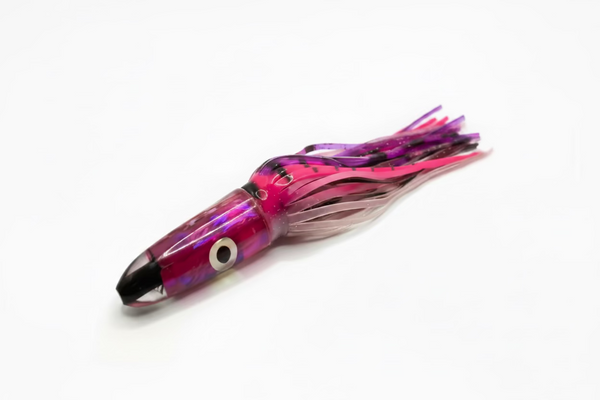
Color selection in premium lures goes beyond aesthetics. Specific color schemes are designed for distinct conditions: bright chartreuse and pink for overcast or murky water, blue and silver for clear blue-water conditions, and black or purple for deep or low-light trolling. Carrying a range of purpose-built colors means you can adapt to changing conditions without returning to port.
- Adjustable tow points: Shift the lure’s running depth and action without a lure swap.
- Floating and sinking models: Cover the full water column in a single spread.
- Removable skirts: Swap skirt colors on the water to match baitfish or light conditions.
- Multi-species profiles: One lure body designed to attract marlin, tuna, and wahoo with skirt changes.
Pro Tip: Run your most reliable premium lures in the short corner positions closest to the boat. These positions see the most strikes. Budget lures belong in the long positions where action consistency matters slightly less.
5. How to choose the right offshore lure features for your target species
Matching lure specifications to your target species is more important than brand loyalty. Lure size, action, and rigging strength must align with the species’ aggressiveness, jaw structure, and typical strike behavior. A lure sized for skipjack tuna will not draw a committed strike from a blue marlin. Getting the match right is the foundation of a productive spread.
Water clarity drives color and flash decisions. In clear blue water offshore, realistic color patterns and natural flash outperform loud, bright colors. In green or murky inshore water, high-contrast colors like hot pink, chartreuse, and white produce more strikes because visibility drops quickly. Carrying both categories and switching based on conditions is a habit that separates productive anglers from those who rely on luck.
Trolling speed affects which lure profiles perform. Wahoo trolling at 12–15 knots demands a bullet or jet-head lure that holds its action at high speed without blowing out. Marlin trolling at 7–9 knots works better with a cupped or concave face that creates a bubble trail and surface commotion. Matching head profile to trolling speed prevents wasted time with lures that spin or skip out of the water.
- Species size: Match lure length and hook size to the target’s mouth and strike force.
- Water clarity: Use natural colors in clear water, high-contrast in murky conditions.
- Trolling speed: Bullet heads for high-speed runs, cupped heads for standard marlin trolling.
- Spread position: Premium lures in short corners, varied profiles across the full spread.
- Performance logging: Track which colors and profiles produce strikes to refine your selection over time.
Key Takeaways
Premium offshore lure features, including through-wire construction, corrosion-resistant hardware, tank-tested action, and purpose-built color schemes, are the direct drivers of big-game fishing success.
| Point | Details |
|---|---|
| Through-wire construction | Connects hook to tow point directly, preventing body separation on a hard strike. |
| Tank-tested swimming action | Quality lures track straight out of the box, reducing tuning time and missed strikes. |
| Corrosion-resistant hardware | Stainless or cadmium-plated components maintain strength across multiple saltwater trips. |
| Color and flash matching | Match color scheme to water clarity and light conditions to maximize strike triggers. |
| Species-specific rigging | Hook gauge, leader diameter, and crimp quality must match the target species’ load. |
What I’ve learned from trusting the lure over the angler
I used to think lure selection was mostly superstition. You picked a color that felt right, ran it in a position that felt right, and hoped for the best. Then I started paying attention to what actually happened when I swapped a budget lure out of a short corner position and replaced it with a well-built, properly rigged premium lure. The strike rate in that position changed noticeably. Not because the fish suddenly got smarter, but because I stopped putting a lure in that position that spun at trolling speed half the time.
The confidence factor is real and it is underrated. When you know your lure tracks correctly, your hooks are sharp, and your hardware will hold, you stop second-guessing the spread and start reading the water. That mental shift produces better fishing. You notice the temperature breaks, the bird activity, the color changes. You are not distracted by whether your lure is doing its job.
The best anglers I know treat their lure toolkit the way a surgeon treats instruments. They log performance data after every trip, retire lures that underperform, and invest in quality where it counts most. That is not obsessive. That is how you consistently put fish in the boat when conditions are tough and the fish are selective. A living toolkit built on real-world results beats a tackle bag full of impulse purchases every time.
— Daniel
K2fishing builds the features that offshore anglers rely on
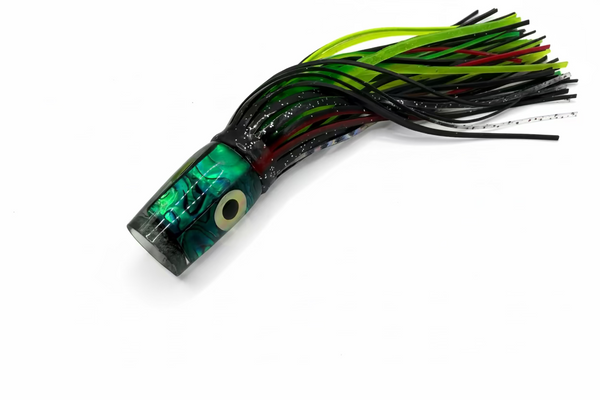
K2fishing handcrafts every trolling lure in the USA using abalone resin that produces the kind of multi-directional flash no painted or dipped finish can match. Each lure ships fully rigged with corrosion-resistant hardware and hooks rated for the species you are actually targeting offshore.
The offshore trolling lure lineup covers the full range of big-game species, from marlin to wahoo to yellowfin tuna, with color options built for clear blue water and varying light conditions. Every lure is tested in real offshore conditions before it reaches your spread. If you want lures that perform in the short corner positions where it matters most, the K2fishing catalog is the place to start. Browse the full selection and find the right profile for your next offshore trip.
FAQ
What makes a lure “premium” for offshore trolling?
A premium offshore trolling lure combines through-wire construction, corrosion-resistant hardware, and tank-tested swimming action that holds at trolling speed without tuning. These features reduce hardware failure and missed strikes against big-game species.
How do I know if my lure’s action is correct?
A correctly tuned lure tracks straight and produces a consistent bubble trail or dart pattern without spinning or blowing out. Quality lures swim straight out of the box at standard trolling speeds, which is the clearest sign of premium build quality.
What hooks should I use for offshore big-game lures?
Use corrosion-resistant, saltwater-rated hooks with a wire gauge matched to your target species. Marlin and large tuna require heavier gauge hooks than wahoo or smaller pelagic species. Check sharpness before every trip and replace hooks that show rust or dullness.
Does line color affect offshore lure performance?
Clear lines provide better camouflage in the water column, while high-visibility lines help anglers track lure position and detect strikes. For most offshore trolling situations, clear or low-visibility leader material between the main line and lure produces the best results.
How many premium lures do I need in my spread?
Place premium lures in the short corner positions closest to the boat, where strike rates are highest and lure failure is most costly. A mix of premium and budget lures across the full spread balances reliability with cost without sacrificing performance at the critical positions.