Offshore fishing seasons are defined windows when targeted species are most abundant, legally accessible, and biologically primed for pursuit. These windows are shaped by fish spawning cycles, water temperature, ocean currents, and regulations from agencies like NOAA and state fisheries boards. Miss the window and you miss the fish. Get it right and you put mahi-mahi, marlin, wahoo, and tuna in the boat. This guide breaks down real offshore fishing season examples by region and species so you can plan trips around peak opportunity, not guesswork.
1. What are offshore fishing season examples in the Gulf of Mexico?
The Gulf of Mexico offers some of the clearest offshore fishing season examples in the country, anchored by federal regulations and predictable species migrations. Red snapper is the defining species. The 2026 federal for-hire red snapper season runs 147 days, from june 1 to october 26, with a recreational sector quota of 7,991,900 pounds whole weight. That quota exists to prevent overharvest, and the federal for-hire component carries a 91% buffer to absorb catch variability.
Summer is the peak season for pelagic species in the Gulf. Mahi-mahi, blue marlin, and yellowfin tuna all concentrate in offshore waters from june through august when baitfish are plentiful and sea conditions are most favorable. Louisiana anglers see trophy yellowfin tuna mostly from october through february, when cooler water pushes big fish closer to accessible depths.
Seasonal closures protect spawning aggregations for grouper and snapper. Catching fish during closures risks legal penalties and harms long-term population health. Federal permits are required for for-hire operations targeting red snapper, and compliance with bag limits is non-negotiable.
- Red snapper: june 1 to october 26 (federal for-hire, 2026)
- Mahi-mahi and marlin: peak june through august
- Yellowfin tuna: best october through february in Louisiana
- Grouper: subject to seasonal closures; check current NOAA rules before departure
Pro Tip: Book Gulf of Mexico red snapper trips in june and july when the season is freshest, fish are most active, and weather windows are most reliable before late-summer storm activity picks up.
2. How do offshore fishing seasons vary on the Southeastern US Atlantic Coast?
The South Atlantic coast operates under strict NOAA-managed seasonal closures that differ meaningfully from Gulf regulations. NOAA mandates closures from january 1 through april 30 for gag grouper and black grouper to protect spawning populations. Amendment 50 to the Snapper-Grouper Fishery Management Plan enforces zero bag and possession limits during these windows. Possession is prohibited, not just catch-and-release restricted.
Recreational and commercial seasons do not always align. Commercial quotas often close earlier in the year once poundage limits are reached, while recreational seasons follow calendar-based closures. Anglers targeting red grouper, amberjack, and red porgy need to check current NOAA bulletins before every trip because in-season adjustments happen.
| Species | Typical Open Season | Notes |
|---|---|---|
| Gag grouper | May through December | Closed january 1 to april 30 |
| Black grouper | May through December | Same spawning closure as gag |
| Greater amberjack | March through May, August through October | Two open windows per year |
| Red porgy | Open most of year | Subject to bag limits |
| Red grouper | Open most of year | Monitor quota closures |
Pro Tip: Sign up for NOAA Fisheries email alerts specific to the South Atlantic region. Quota closures can happen mid-season with short notice, and you do not want to be offshore with an illegal catch aboard.
3. Which species define offshore fishing seasons in Florida and the Florida Keys?
Florida delivers year-round offshore opportunity, but each season has a clear target species. Winter is sailfish season, particularly from december through february along the Atlantic coast and in the Florida Keys. Florida Keys water temperatures reach 82–85°F in summer, which drives mahi-mahi into productive weed lines and current edges from april through july. Fall brings grouper and snapper back into focus as water cools and fish move onto structure.
Water temperature is the single biggest driver of species location in Florida. When surface temps climb above 80°F, pelagic species like wahoo and mahi-mahi push offshore into deeper blue water. When temps drop below 72°F in winter, sailfish concentrate along the Gulf Stream edge within reach of Keys and Palm Beach boats.
Tidal movement and lunar cycles sharpen the bite within any season. New Moon and Full Moon phases create major feeding periods, with peak bite activity often occurring 2–3 days before and after lunar events. Combining a strong tidal movement with a lunar phase event gives you the best daily windows within any monthly season.
- Winter (december through february): sailfish along the Atlantic coast and Keys
- Spring (march through may): wahoo, kingfish, and early mahi-mahi
- Summer (june through august): mahi-mahi, blackfin tuna, and blue marlin
- Fall (september through november): grouper, snapper, and wahoo
Understanding how currents affect lure placement becomes especially important during Florida’s summer mahi-mahi season when current edges and weed lines concentrate fish in specific zones.
4. What offshore fishing seasonal tips help anglers maximize success year-round?
Seasonal calendars tell you what species to target. Ocean conditions tell you where to find them. Experienced anglers read sea surface temperature breaks, chlorophyll concentrations, weed lines, and bird activity rather than relying on a calendar alone. These signs show where fish are actively feeding and aggregating on any given day.
- Read SST breaks. Sea surface temperature breaks of 2–4 degrees over short distances concentrate baitfish and the predators that follow them. Use satellite SST charts the night before your trip to identify the most productive edge.
- Follow the weed lines. Sargassum weed lines in the Gulf and Atlantic act as floating ecosystems. Mahi-mahi, wahoo, and juvenile billfish all use them for cover and feeding. Work parallel to the weed line rather than through it.
- Apply the 2-hour rule. The best bite occurs about one hour before and after tide changes, especially around reefs and structure. Plan your arrival at the fishing grounds to coincide with the tidal turn.
- Time your departure for early morning. Morning fishing in summer yields better results due to calmer seas and natural low-light feeding windows before afternoon thunderstorms develop. Pelagic species like blackfin tuna are most active at first light.
- Respect spawning closures. Closed seasons exist to protect spawning aggregations. Fishing during closures risks fines and damages the fishery that sustains your sport. Sustainability is not optional. It is the foundation of every future season.
- Match lures to seasonal species. Wahoo demand fast-trolled, bright lures in fall and winter. Mahi-mahi respond to smaller, colorful presentations near weed lines in summer. Matching your spread to the season’s target species increases hook-up rates significantly.
Offshore tournament rules also shape lure selection during peak season events, and understanding those constraints helps you fish legally and competitively at the same time.
Key Takeaways
Offshore fishing success depends on aligning species biology, regional regulations, and real-time ocean conditions rather than relying on a calendar date alone.
| Point | Details |
|---|---|
| Gulf of Mexico red snapper | The 2026 federal for-hire season runs june 1 to october 26 with a 7,991,900-pound quota. |
| South Atlantic closures | NOAA closes gag and black grouper seasons january 1 through april 30 to protect spawning. |
| Florida seasonal targets | Sailfish peak in winter, mahi-mahi in summer, grouper and snapper in fall. |
| Environmental reading | SST breaks, weed lines, and bird activity locate fish more reliably than calendar dates alone. |
| Tidal and lunar timing | The best bite occurs 1 hour before and after tide changes, amplified by New and Full Moon phases. |
What the calendar won’t tell you
Every serious angler I know has a season chart on their wall. Most of them also know the chart is a starting point, not a guarantee. I’ve launched on perfect calendar dates and found empty water. I’ve also launched on off-season days and found fish stacked on a temperature break nobody expected.
The anglers who consistently put fish in the boat combine regulatory awareness with real-time reading. They check NOAA bulletins the week before a trip. They pull SST satellite imagery the night before. They plan their run to hit the tide change at the fishing grounds, not at the dock. That discipline is what separates productive trips from expensive boat rides.
Spawning closures matter more than most anglers admit. I’ve heard the frustration when a season closes early or a quota gets cut. But those closures are why red snapper fishing in the Gulf is as good as it is today. The fishery was in serious trouble two decades ago. Compliance built it back. Ignoring closures tears it down again.
My honest advice: build your offshore fishing calendar around regulations first, then layer in environmental intelligence. The calendar tells you what’s possible. The ocean tells you what’s happening right now. Use both.
— Daniel
K2fishing lures built for every offshore season
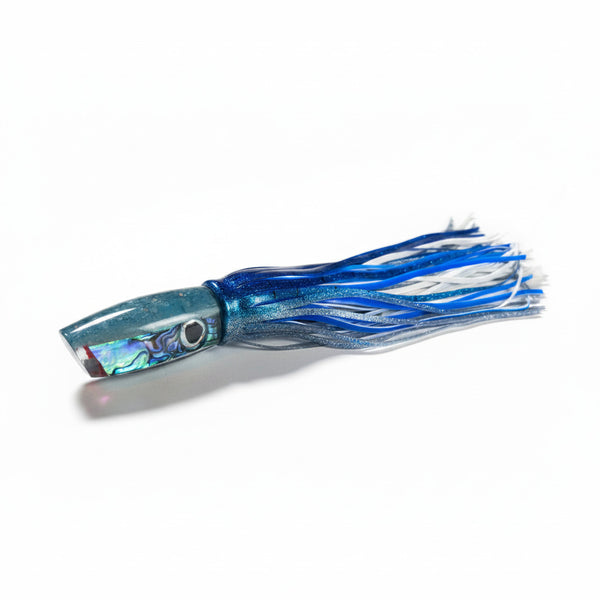
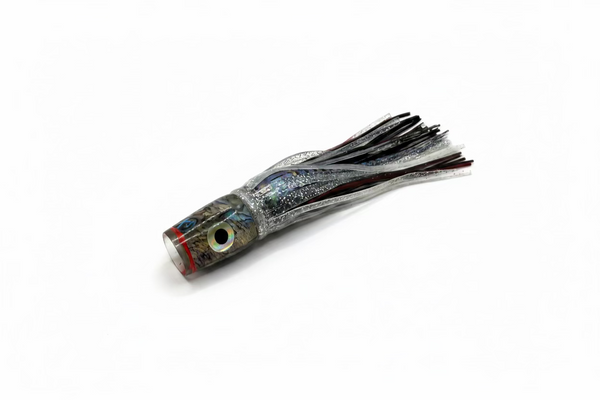
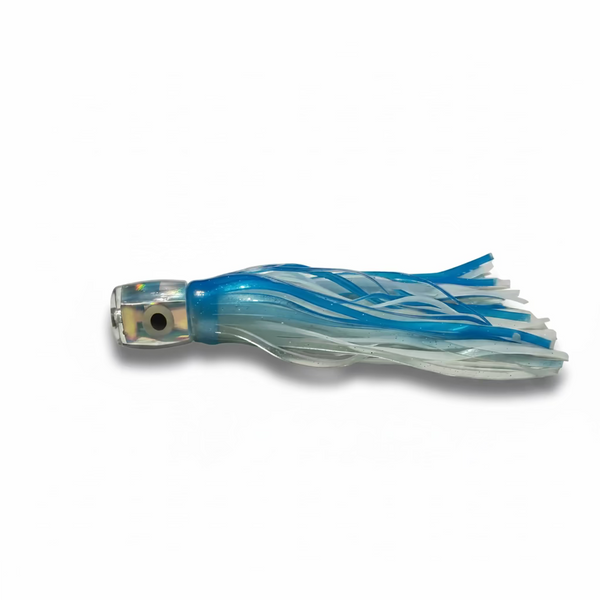
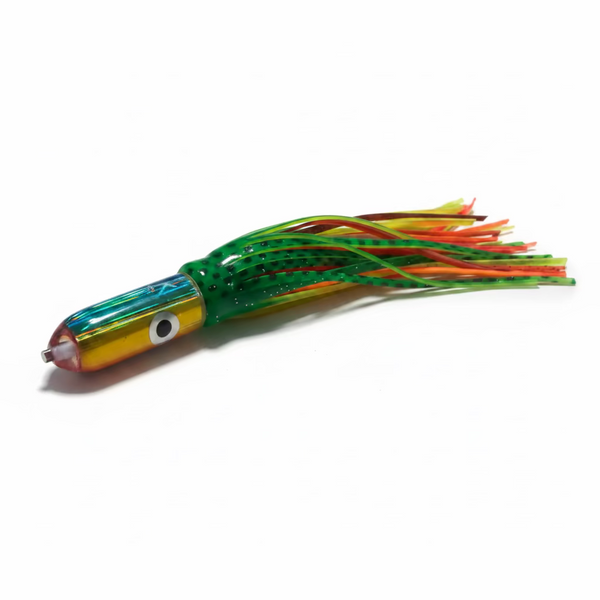
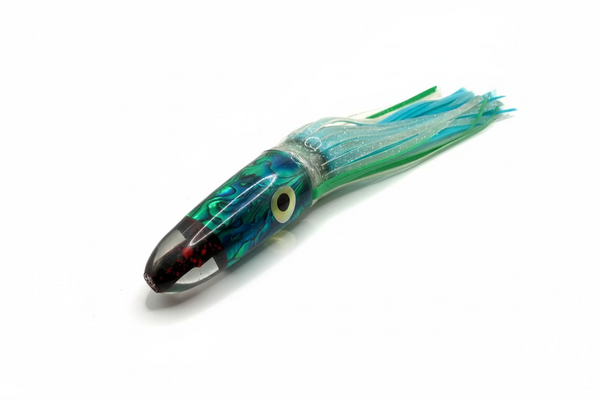
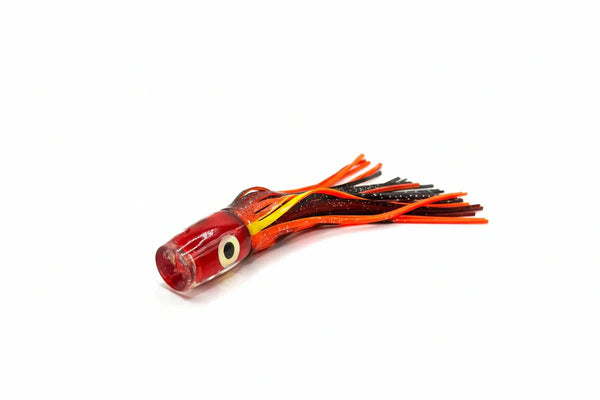
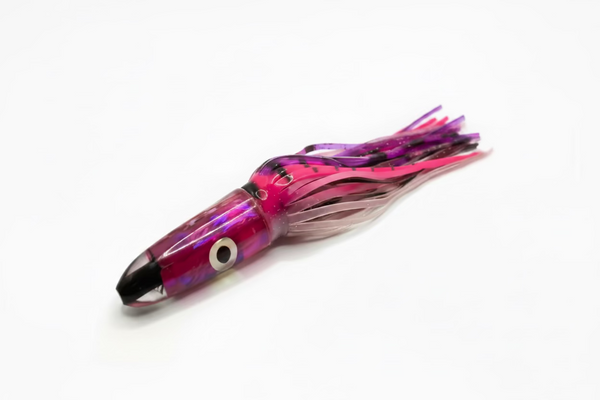
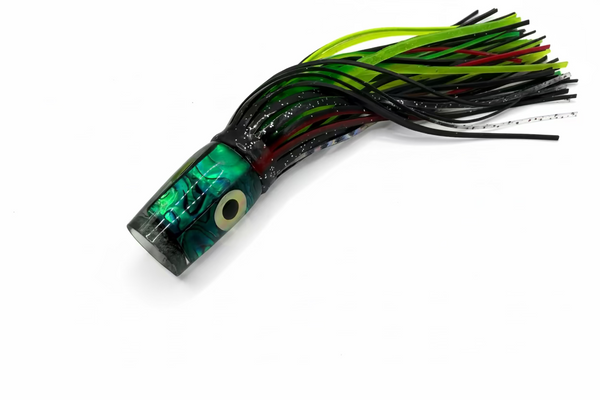
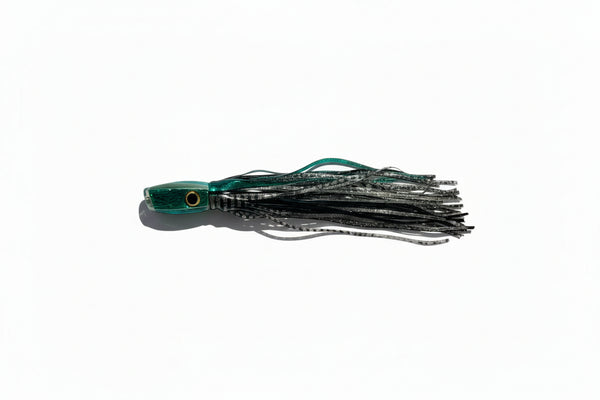
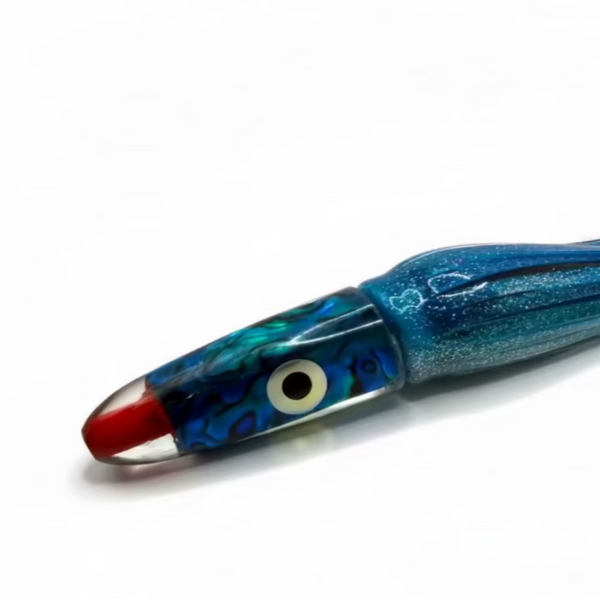
Seasonal fishing is only as good as the gear in the water. K2fishing handcrafts abalone resin trolling lures in the USA specifically for the species that define offshore seasons: mahi-mahi, wahoo, tuna, and marlin. The abalone resin delivers a brightness and flash that synthetic materials cannot match, which matters most when you are working a weed line in summer or a deep edge in fall.
K2fishing lures are tested in real offshore conditions, not just designed on paper. Anglers report consistent results across seasonal windows because the lures perform in the specific conditions each season creates. Whether you are rigging for summer mahi-mahi or fall wahoo, the full trolling lure collection covers every seasonal target. For species-specific guidance on what to run and when, the lure FAQ page answers the most common rigging and selection questions.
FAQ
What months are best for offshore fishing?
june through august offer the widest species variety in most US offshore regions, including mahi-mahi, marlin, and tuna. Winter months from december through february are best for sailfish and trophy yellowfin tuna in the Gulf and Florida.
How long is the red snapper season in the Gulf of Mexico?
The 2026 federal for-hire red snapper season in the Gulf runs 147 days, from june 1 to october 26, based on an annual catch target of 7,991,900 pounds whole weight for the recreational sector.
Why do offshore fishing seasons close during winter?
Many winter closures protect spawning aggregations. NOAA closes gag and black grouper seasons from january 1 through april 30 in the South Atlantic because these species spawn in winter and early spring.
Does the moon phase affect offshore fishing?
New Moon and Full Moon phases create major feeding periods, with peak bite activity typically occurring 2–3 days before and after each lunar event. Combining lunar timing with tidal changes produces the most productive daily windows.
What is the 2-hour rule in offshore fishing?
The 2-hour rule states that the best bite occurs approximately one hour before and after a tide change. This is especially effective around reefs and offshore structure where current movement triggers feeding behavior.