A night fishing offshore setup for beginners is defined as the combination of specialized gear, rigging techniques, and safety protocols required to fish saltwater effectively after dark. The stakes are higher at night. Visibility drops, hazards multiply, and fish behavior shifts in ways that reward anglers who prepare. This guide covers the gear you need, how to rig it, the safety rules that keep you out of trouble, and the practical tips that separate a productive night on the water from a frustrating one. K2fishing’s experience with offshore conditions informs the lure and tackle recommendations throughout.
What does a night fishing offshore setup for beginners include?
The right gear is the foundation of any offshore night fishing setup. Beginners often underestimate how much saltwater and darkness punish cheap or mismatched equipment.
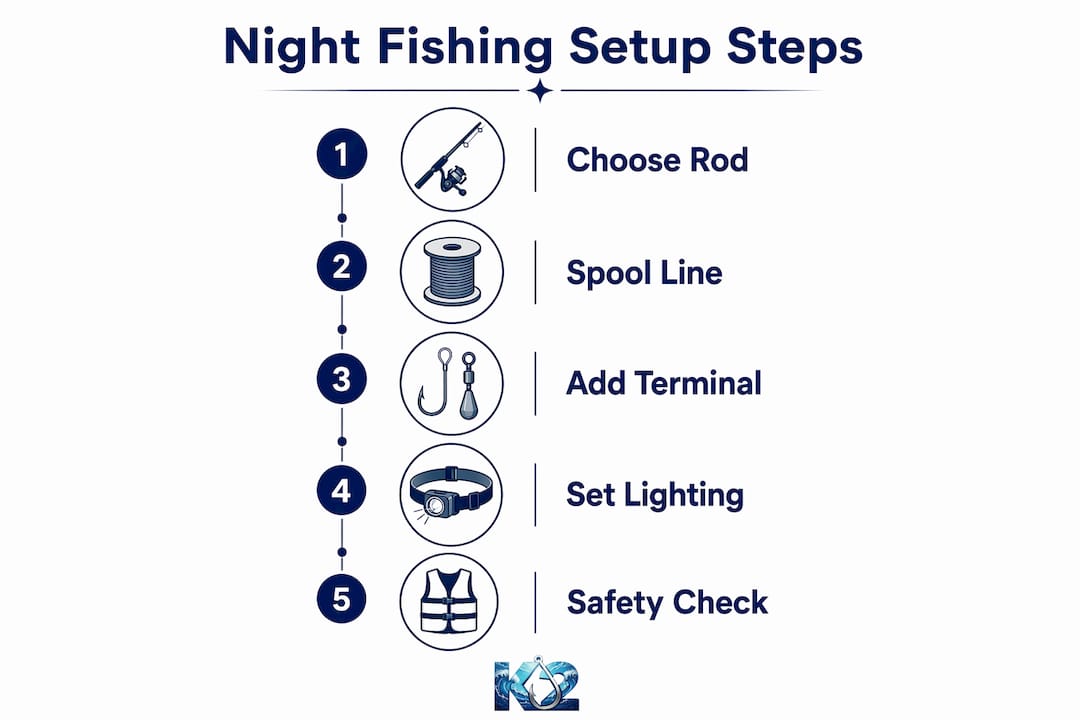
Rods and reels
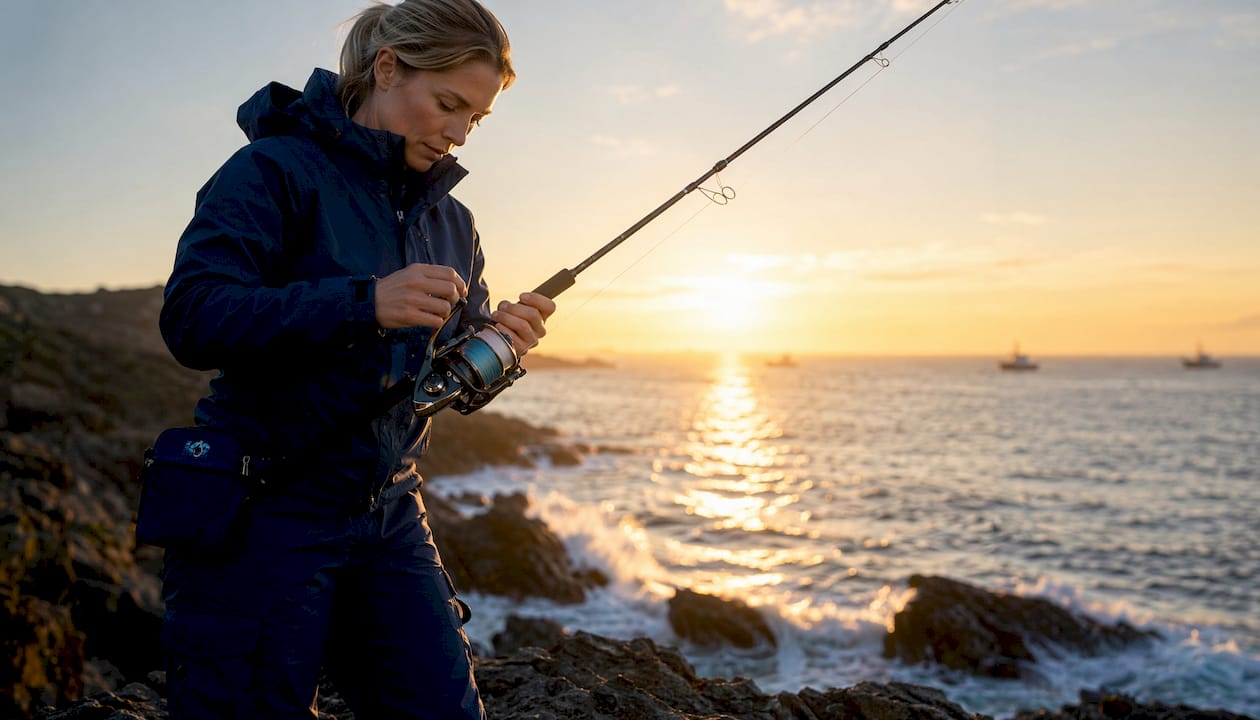
The role of fishing rods for beginners offshore is straightforward: you need a rod heavy enough to handle big game fish but sensitive enough to detect strikes in low light. A medium-heavy to heavy action rod in the 6 to 7 foot range handles most offshore species. Pair it with a sealed saltwater reel that resists corrosion. Reels with IPX5-rated sealing handle direct saltwater exposure without failing mid-trip. That rating matters more at night when spray and humidity are harder to manage.
Line, leader, and terminal tackle
Spool your reel with 50 to 80 lb braided line for strength and sensitivity. Sensitive rod and line setups provide immediate feedback on subtle fish activity, which is critical at night when you cannot see your line move. Attach a 6 to 10 foot fluorocarbon leader to reduce visibility in clear water. For terminal tackle, carry circle hooks in sizes 5/0 to 9/0, barrel swivels, and egg sinkers. Circle hooks reduce gut-hooking and are easier to handle safely in the dark.
Lighting
A headlamp with red, green, and blue night-vision modes keeps your hands free and protects your night vision. Red light is the best choice for tasks like tying knots because it does not collapse your pupils the way white light does. Add low-intensity deck lights to illuminate your work area without blinding yourself or your crew.
| Gear category | Key feature | Why it matters at night |
|---|---|---|
| Rod | Medium-heavy action, 6–7 ft | Handles big fish, detects subtle strikes |
| Reel | IPX5-sealed, corrosion-resistant | Survives saltwater spray and humidity |
| Line | 50–80 lb braid | Strength plus sensitivity in low light |
| Leader | Fluorocarbon, 6–10 ft | Low visibility in clear offshore water |
| Headlamp | Red/green/blue night-vision modes | Hands-free, preserves night vision |
| Terminal tackle | Circle hooks, swivels, sinkers | Safe and effective in dark conditions |
Pro Tip: Buy corrosion-resistant pliers and a folding knife and clip them to your belt before you leave the dock. Fumbling for tools in the dark costs you fish and creates safety risks.
How do you rig rods and set up lines for offshore night fishing?
Setting up for night fishing offshore follows a specific sequence. Doing it in daylight, before you leave the dock, prevents costly mistakes after dark.
- Spool your reel with braided line under moderate tension. Loose spooling causes wind knots that are nearly impossible to fix at night.
- Attach your fluorocarbon leader using a double uni knot or an FG knot. Test it by pulling hard with both hands before you leave.
- Build your bottom rig with a three-way swivel, a dropper loop for the sinker, and a circle hook on a 12 to 18 inch leader. This rig works well for snapper, grouper, and amberjack.
- Prepare a trolling rig by rigging your lure directly to the fluorocarbon leader with a loop knot. Loop knots give lures maximum action.
- Add glow beads above your hook on bottom rigs. Lures that create noise and motion increase strike chances at night, and glow beads add a visual trigger that works even in deep water.
- Check your drag by pulling line off the reel by hand. Set it to roughly one-third of your line’s breaking strength.
- Pre-tie six to eight spare rigs and store them in a rig wallet. Retying in the dark is slow and error-prone.
| Rig type | Best use | Key component |
|---|---|---|
| Bottom rig | Snapper, grouper, amberjack | Three-way swivel, circle hook |
| Trolling rig | Tuna, wahoo, marlin | Loop knot, offshore lure |
| Jigging rig | Amberjack, kingfish | Assist hook, vertical jig |
Pro Tip: Practice tying your knots at home with your eyes closed. If you can tie a solid FG knot in the dark, you are ready for offshore night conditions.
What safety precautions do beginners need for offshore night fishing?
Night fishing offshore requires a proactive safety mindset and detailed trip planning more than daytime fishing does. Reduced visibility and greater hazards make preparation non-negotiable.
Safety warning: Always file a float plan with a trusted contact before leaving the dock. Include your departure time, destination coordinates, expected return time, and the number of people on board. If you do not return on schedule, that contact calls the Coast Guard.
The safety gear list for offshore night fishing beginners:
- Coast Guard-approved life jacket with an attached whistle and water-activated strobe light. Wear it, do not just store it.
- VHF marine radio set to Channel 16 for emergency communication.
- Flares (both handheld and aerial) stored in a waterproof case.
- Non-slip deck mats placed at every fishing station to prevent falls.
- First aid kit with trauma supplies including bandages and antiseptic.
- Tide chart reviewed before departure. Low tides can trap anglers offshore, and understanding tidal windows is critical for safe navigation after dark.
Keep the deck clear of loose gear and coiled lines. A trip hazard in daylight becomes a serious injury risk at night. Assign watch shifts if you are on an overnight trip so someone is always monitoring the water and instruments.
Pro Tip: When handling hooks and fish in the dark, use a dehooking tool instead of your fingers. A circle hook in your hand at night is an emergency room visit waiting to happen.
What offshore night fishing tips help beginners avoid common mistakes?
Practical preparation separates a productive offshore night trip from a frustrating one. These tips address the mistakes beginners make most often.
Tips that improve your results:
- Arrive before sunset. Identify landmarks, check your anchor position, and spot any navigation hazards while you can still see them clearly.
- Deploy green underwater lights. Green lights attract twice the bait species compared to white or blue lights. More bait means more predators.
- Collect live bait near your lights. Squid jigs and live bait collected near light zones trigger feeding frenzies among game fish. Fresh squid or flying fish outperforms frozen bait every time.
- Maintain a steady chum flow. Chum creates a scent trail that pulls fish to your boat. Inconsistent chumming breaks the trail and kills your bite.
- Check your offshore fishing season before booking a night trip. Target species move with seasons, and fishing at the wrong time of year costs you results regardless of how well you rig.
Common mistakes beginners make:
- Using bright white deck lights. Avoiding high-intensity lights preserves your natural night vision and prevents unwanted distractions. Bright lights also spook fish near the surface.
- Skipping gear maintenance after the trip. Salt residue causes rust quickly unless you rinse every piece of tackle with fresh water after each outing. Neglecting this destroys reels and hooks within a season. A solid gear maintenance routine protects your investment.
- Pairing light rods with heavy lines. A mismatched setup reduces sensitivity and increases the chance of a break-off on a big fish.
- Skipping safety checks. Verify your navigation lights, radio, and life jackets before every night departure, not just the first time.
Pro Tip: Rig and test your entire setup at home during the day before your first night trip. Catching a problem in your living room is far better than catching it three miles offshore at midnight.
Key Takeaways
A successful offshore night fishing setup requires matched gear, pre-rigged tackle, strict safety protocols, and light management working together from the moment you leave the dock.
| Point | Details |
|---|---|
| Match your gear to the conditions | Use a sealed, corrosion-resistant reel and a medium-heavy rod with braided line for offshore night fishing. |
| Pre-rig everything before dark | Tie knots, build rigs, and check drag settings in daylight to avoid costly errors at night. |
| Safety gear is non-negotiable | Wear a Coast Guard-approved life jacket with a strobe light and file a float plan before every trip. |
| Use green lights for more bait | Green underwater lights attract significantly more bait species than white or blue alternatives. |
| Rinse tackle after every trip | Salt residue destroys reels and hooks fast; fresh water rinse after each outing extends gear life. |
What I learned the hard way about night fishing offshore
The first time I fished offshore at night, I made every mistake in this article. I brought a rod that was too light, forgot to pre-tie spare rigs, and used a bright white deck light that killed my night vision within the first hour. I caught nothing and spent most of the trip fumbling with gear I could barely see.
What changed everything was treating the setup phase as seriously as the fishing itself. I started rigging at home, testing knots under pressure, and organizing my tackle box so I could find anything by feel. That shift alone doubled my productivity on the water.
The safety mindset took longer to develop. Offshore at night feels different from daytime fishing in a way that is hard to describe until you experience it. The horizon disappears. Sounds carry differently. A small mistake becomes a big problem fast. Filing a float plan felt like overkill until a friend’s engine died three miles out at 2:00 AM. That float plan got the Coast Guard to him in under an hour.
My honest advice: do your first offshore night trip with an experienced angler, not alone. Watch how they manage the deck, handle fish in the dark, and monitor conditions. One trip as a student teaches you more than ten articles. Then go back and apply what you learned with your own setup.
— Daniel
K2fishing lures built for offshore night conditions
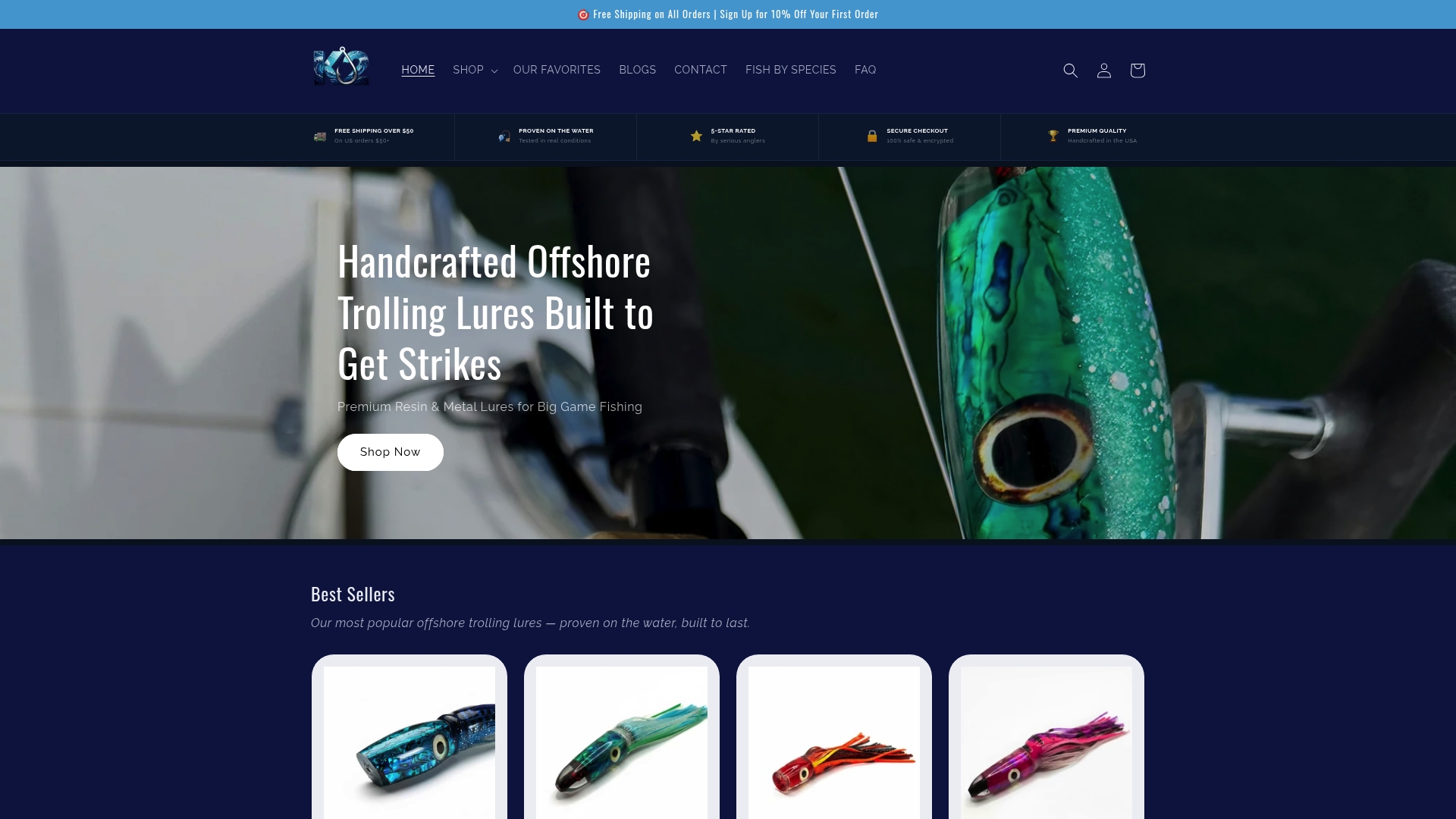
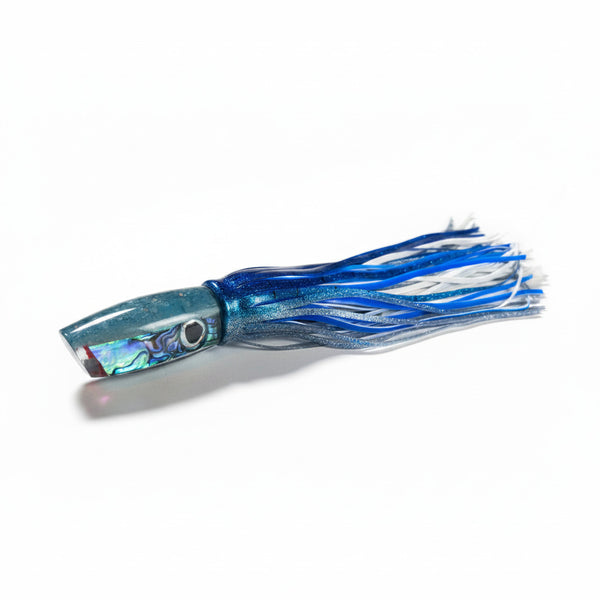
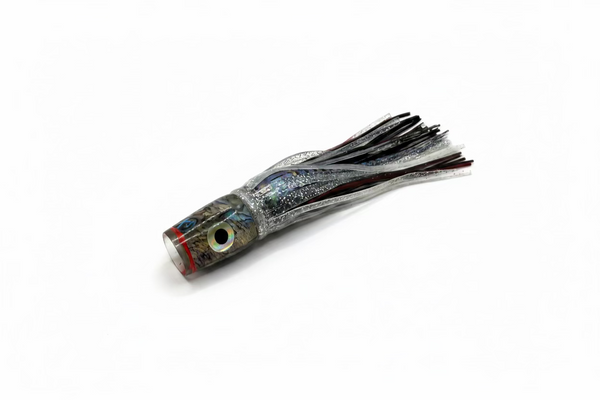
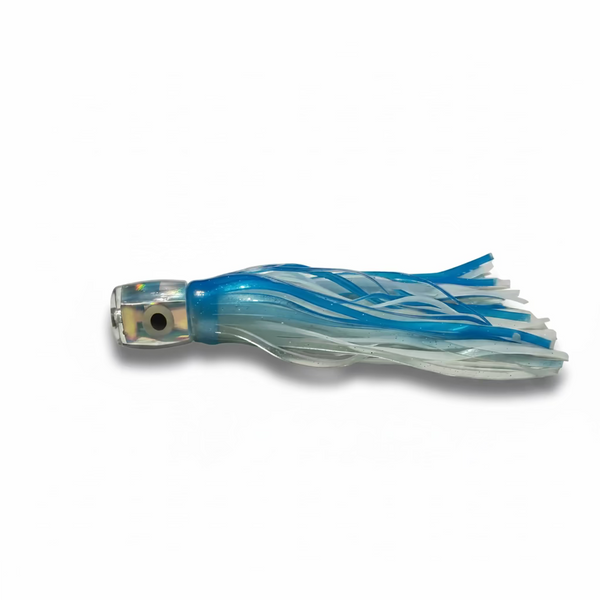
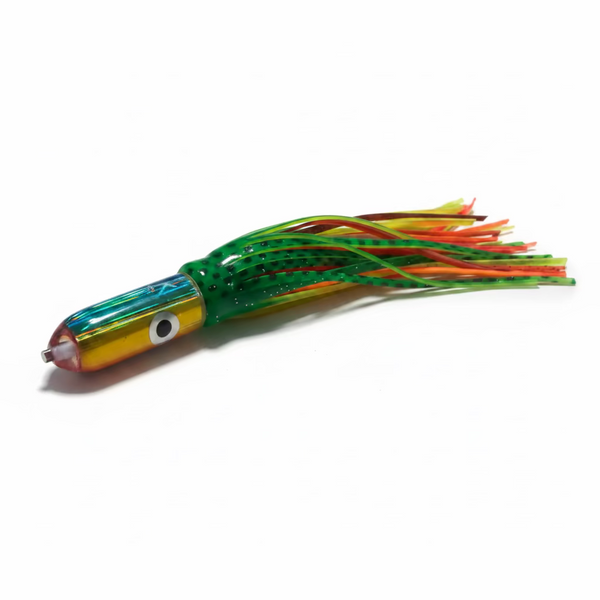
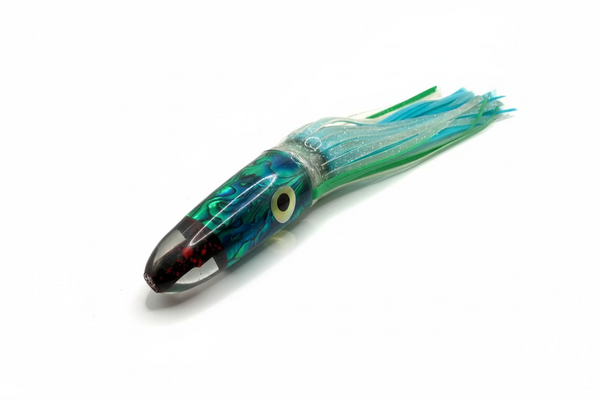
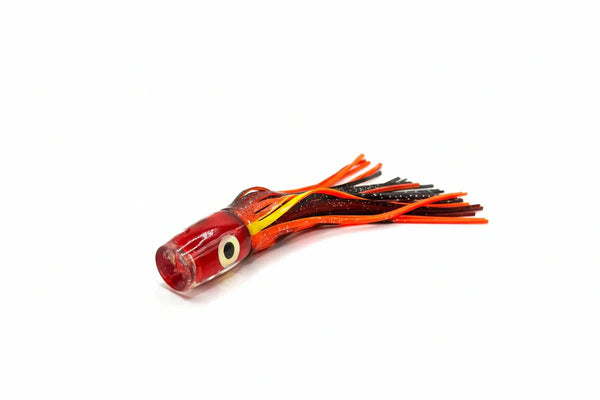
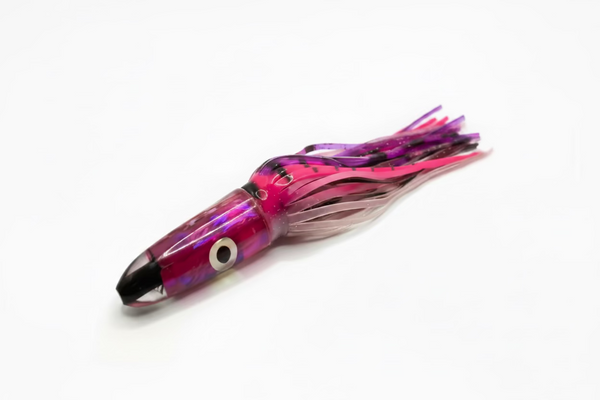
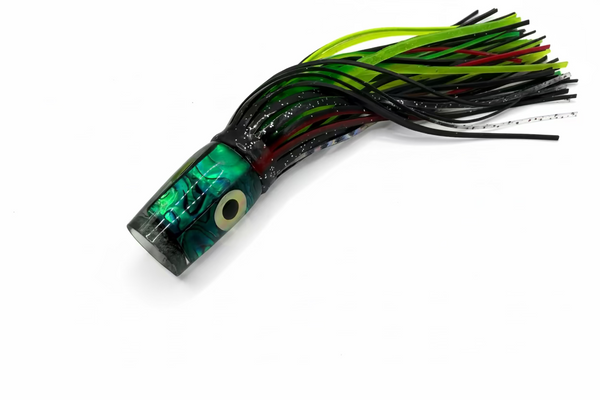
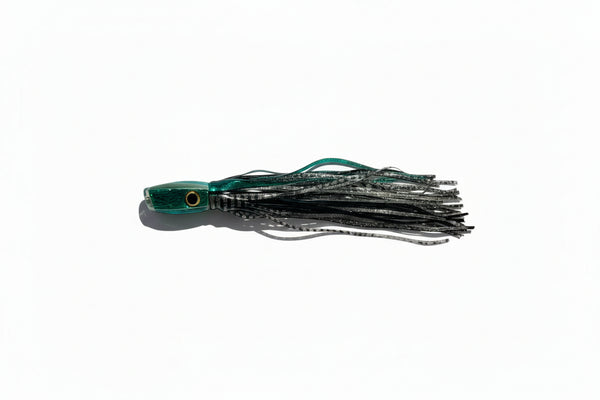
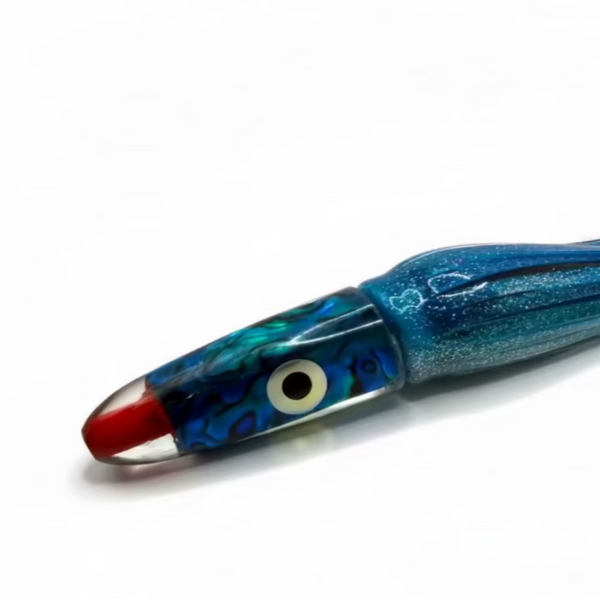
K2fishing handcrafts offshore trolling lures specifically for the conditions that challenge anglers most, including low-light and nighttime offshore fishing. The abalone resin used in every K2fishing lure produces a brightness and flash that synthetic materials cannot match, making lures visible and attractive even in dark water. The Red Abalone Big Eye lure and the Blue Abalone 15" lure are built for exactly the trolling setups described in this guide, with saltwater-resistant construction and proven performance on marlin, tuna, and wahoo. Every lure is tested in real offshore conditions before it reaches your hands. Browse K2fishing’s full offshore lure catalog to find the right match for your night fishing rig.
FAQ
What rod is best for beginner offshore night fishing?
A medium-heavy action rod in the 6 to 7 foot range paired with a sealed, corrosion-resistant reel handles most offshore species and provides enough sensitivity to detect strikes in low light.
What is the best bait for night fishing offshore?
Live squid and flying fish collected near underwater lights are the most effective bait for offshore night fishing. Green underwater lights attract bait fish, which then draw larger predatory species to your boat.
How do I preserve my night vision while fishing offshore?
Use a headlamp with a red light mode for close tasks like tying knots, and keep deck lighting low-intensity. Bright white lights collapse your pupils and make it harder to see the water and your surroundings.
Do I need a float plan for offshore night fishing?
A float plan is required practice for every offshore night trip. Leave your departure point, destination, expected return time, and crew count with a trusted contact who will call the Coast Guard if you do not check in.
What lures work best for offshore trolling at night?
Lures with high flash, bright color, and strong action work best for offshore trolling at night. K2fishing’s abalone resin lures are designed to maximize visibility and attract big-game fish in low-light offshore conditions.