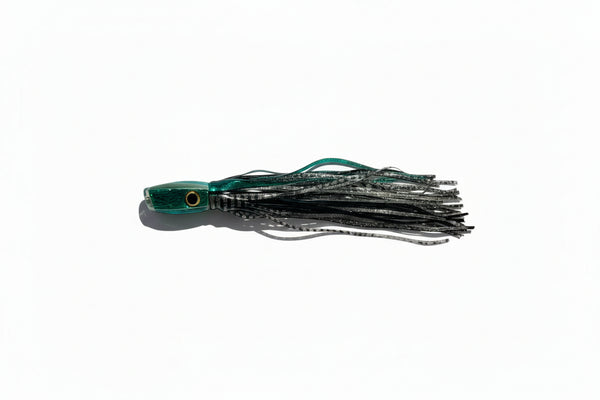
Lure action in trolling is defined as the physical movement and behavior a lure exhibits as it is pulled through the water. That movement is what separates a lure that gets bit from one that gets ignored. Effective action mimics the erratic, struggling, or swimming patterns of live baitfish, which triggers predatory strikes from marlin, tuna, and wahoo. The industry term for this is “lure presentation,” and understanding it is the single most important skill in offshore trolling. K2fishing builds every lure around this principle, engineering specific action profiles into each head design before a lure ever hits the water.
What is lure action in trolling and how does head shape control it?
Lure action types include wobble, vibration, spin, and dive, each contributing differently to how a predator fish responds. The head shape of a skirted offshore lure is the primary driver of which action type it produces. Lure head shape determines water resistance and bubble trail generation, creating distinct movement profiles suited to different species and conditions.
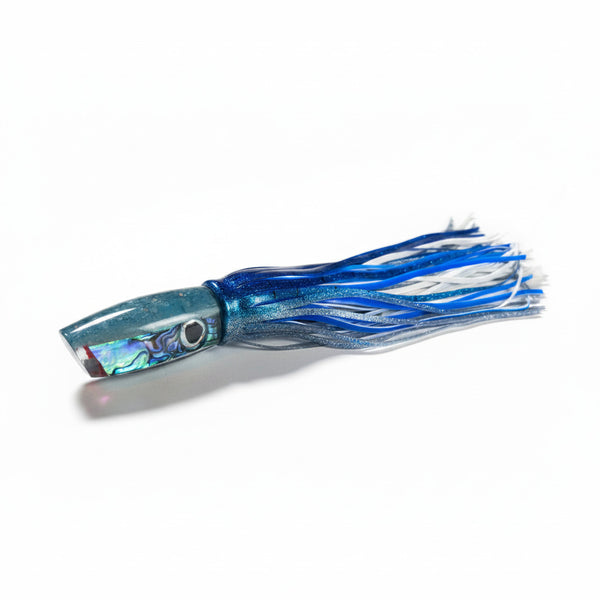
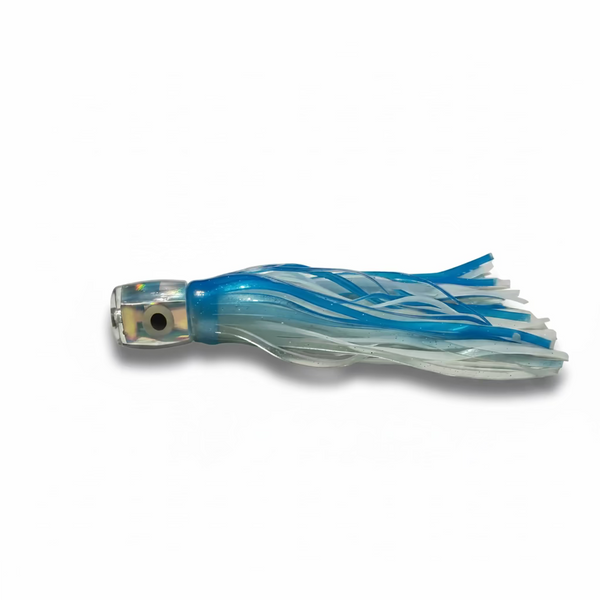
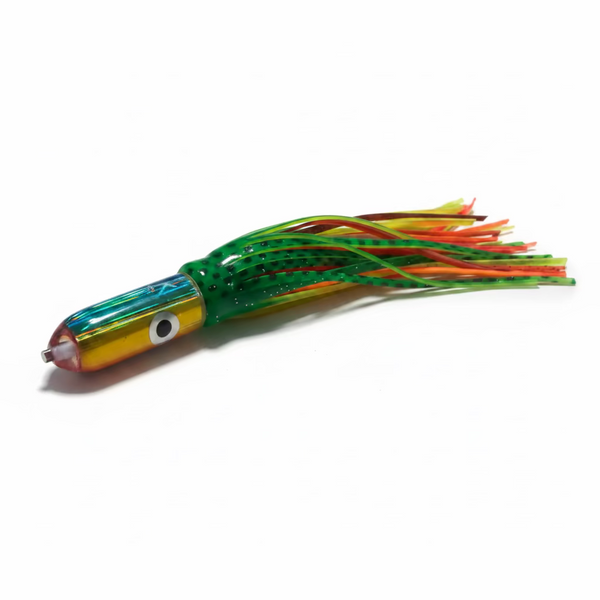
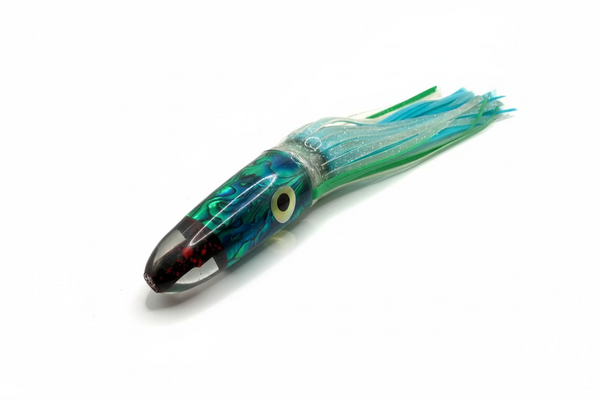
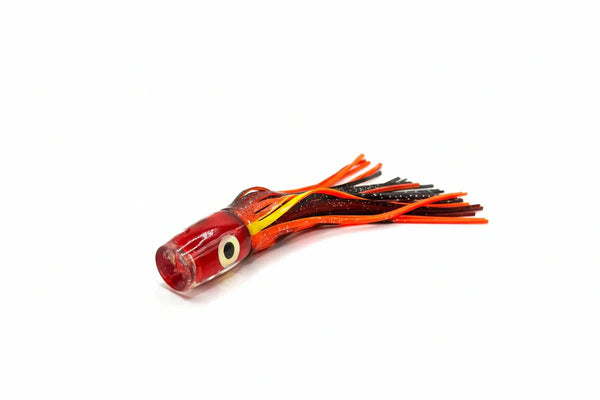
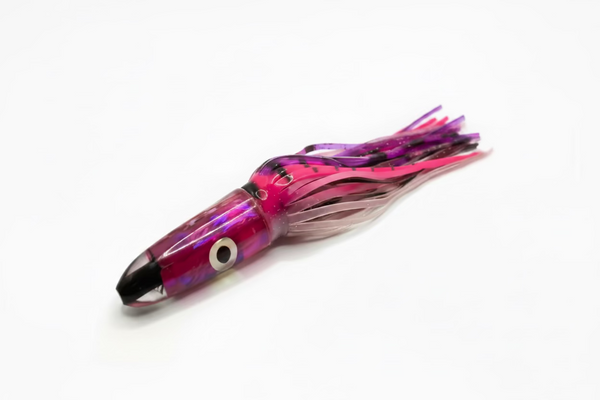
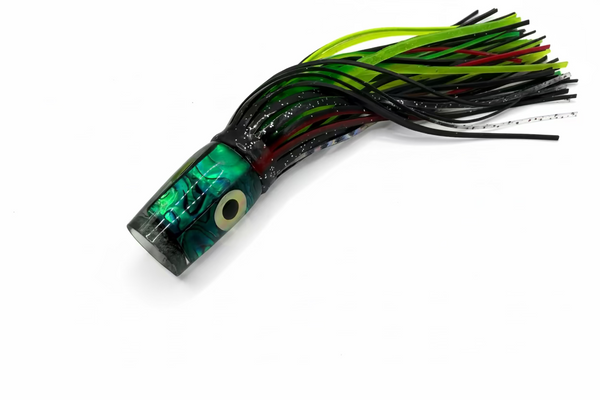
Three head shapes dominate offshore trolling. Slant heads cut through the water at an angle, producing a side-to-side swimming action that closely imitates a fleeing baitfish. Cup heads have a concave face that traps and releases water, generating aggressive bubbling and smoke trails that attract fish from depth. Bullet and jet heads are streamlined for minimal drag, producing a straight, stable run at high speed.
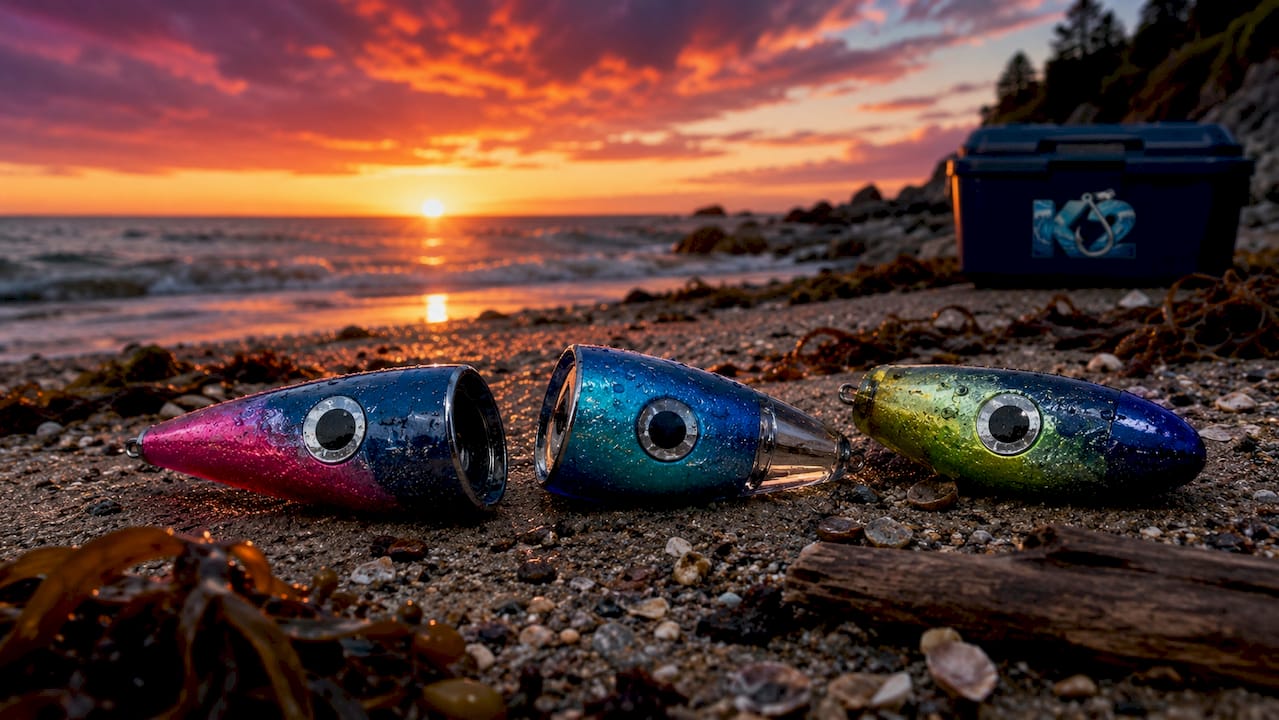
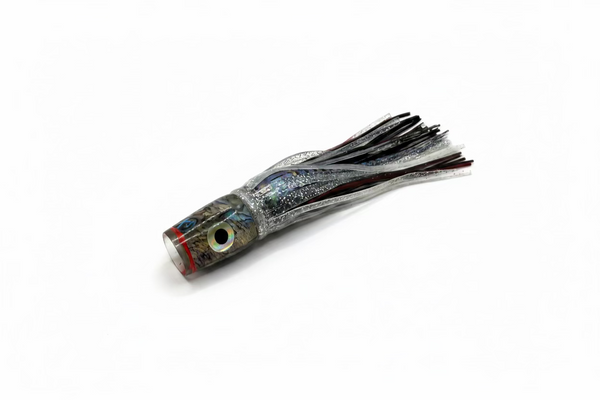
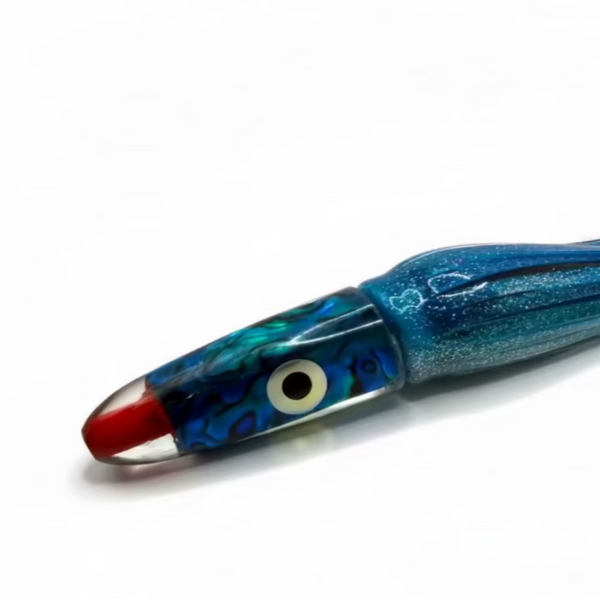
The skirt material also plays a direct role. Soft silicone skirts pulse and flutter with every knot of boat speed, adding secondary movement that reinforces the head’s primary action. K2fishing uses abalone resin in its lure heads, which adds a flash and color shift that mimics the iridescent scales of live baitfish. That visual trigger works alongside the physical action to pull fish in.
| Head shape | Action type | Best speed range |
|---|---|---|
| Slant head | Side-to-side swimming | 6–9 knots |
| Cup head | Bubbling, smoke trail | 6–9 knots |
| Bullet/jet head | Straight, stable run | 12–16 knots |
Pro Tip: Match head shape to sea state. Cup heads shine in rough water where their bubble trail stays visible. Bullet heads work best on flat, calm days when a clean, fast presentation is most natural.
How does trolling speed impact lure performance?
The role of trolling speed in lure performance is not subtle. Speed controls lure depth, action stability, and whether the lure stays in the productive zone or blows out of the water entirely. Standard skirted offshore lures function best between 6–9 knots, while high-speed wahoo lures are engineered for 12–16 knots or faster. Running a cup head at 14 knots does not just reduce its action. It destroys it entirely.
Speed also affects how fish respond to a neutral lure. A trolling speed adjustment of as little as 0.3 mph often triggers reaction strikes from fish that were following but not committing. That is a small change with a large payoff. Speed is the first variable to adjust when bites stop.
Here is a practical sequence for dialing in speed to match your lure spread:
- Start at 7 knots and watch each lure from the stern. A properly running lure should swim just below the surface with occasional brief exits.
- Increase speed by 0.5 knots if lures are diving too deep or losing their bubble trail.
- Decrease speed by 0.5 knots if lures are skipping across the surface or blowing out.
- Check each rod position separately. Flat lines run differently than shotgun positions at the same boat speed.
- Lock in the speed where the most lures are running cleanly, then fine-tune individual lures through rigging adjustments.
Experienced anglers select lure combinations running between 6–9 knots to maintain consistent action across the entire trolling spread. Mixing a high-speed jet lure with slow-running lures forces a compromise that serves neither lure well. Build your spread around overlapping speed ranges, and every lure works at once.
Pro Tip: When building a trolling spread, choose lures whose optimal speed ranges overlap by at least 1 knot. That overlap gives you room to adjust speed without sacrificing action on any position.
What is lure cadence in offshore trolling and why does symmetry matter?
Lure cadence in offshore trolling refers to the rhythm of a lure’s movement cycle, specifically how consistently or irregularly it wobbles, pulses, or darts as it travels through the water. Cadence is distinct from action type. Two cup head lures can produce the same bubble trail but have completely different cadences depending on their body geometry.
Asymmetrical lure bodies create erratic movements that can trigger more strikes than symmetrical, steady-action lures in certain conditions. This is not a design flaw. It is a deliberate imitation of an injured baitfish, which is a high-value target for any predator. A symmetrical lure produces a predictable, repeating cadence that works well when fish are actively feeding. An asymmetrical lure produces an unpredictable cadence that works better when fish are neutral or wary.
Key effects of lure symmetry on trolling action:
- Symmetrical lures produce a consistent, repeating cadence that is easy for fish to track and commit to during active feeding windows.
- Asymmetrical lures create irregular, erratic movement that imitates a struggling or injured baitfish, provoking reaction strikes.
- Slight asymmetry from a bent hook eyelet or uneven skirt can unintentionally shift a lure from one cadence profile to the other.
- Intentional asymmetry in lure head design is used by experienced builders to create a specific erratic action at a target speed range.
Selecting lures based on cadence requires knowing the fish’s feeding state. When fish are actively crashing bait on the surface, a symmetrical lure with a clean, repeating action gets bit. When the sounder shows fish holding deep and not chasing, switching to an asymmetrical lure with erratic cadence often breaks the stalemate. For more on matching action to species behavior, the K2fishing guide on species-specific lure selection covers this in detail.
How to rig and tune trolling lures for maximum action
Rigging directly affects lure action. A lure that swims perfectly on a light leader will often track crooked or blow out when you step up to heavy monofilament for marlin. Leader size impacts lure action because heavier leader reduces lure movement and requires a deliberate compromise between durability and action quality.
Eyelet bending is the standard method for correcting a lure that swims off to one side. Bending the hook eyelet slightly in the opposite direction of the lure’s drift corrects the swimming path without changing the lure’s head action. Even a small adjustment of a few degrees can convert a lure that was blowing out into one that runs clean and stable.
Trolling line diameter plays a critical role in lure depth and action because increased diameter raises drag and upward lift, affecting where the lure sits in the water column. Seasoned anglers prioritize line profile over breaking strength when setting up a spread. A thinner diameter line at the same breaking strength keeps lures deeper and more stable.
Key rigging and tuning practices for big game trolling:
- Use the lightest leader that the target species allows. For wahoo, 200 lb fluorocarbon is standard. For tuna, 80–100 lb is often sufficient and preserves more action.
- Set hook position so the hook bend sits at the skirt hem. A hook riding too far forward kills the lure’s swimming action. A hook too far back causes missed strikes.
- Check skirt alignment after every fish. A twisted or bunched skirt changes the lure’s hydrodynamic profile and kills its cadence.
- Test each lure at boat speed before setting it back. Watch it from the stern for 30 seconds. If it tracks straight and surfaces rhythmically, it is ready.
Pro Tip: For a detailed walkthrough on rigging trolling lures that maintain action under big game pressure, pay close attention to how hook length interacts with skirt length. Getting that ratio right is what separates a lure that swims from one that just drags.
Small adjustments in trolling speed and lure tuning differentiate amateur trolling from a method that consistently puts fish in the boat. The anglers who catch the most fish are not the ones with the most lures. They are the ones who know exactly how each lure behaves and why.
Key Takeaways
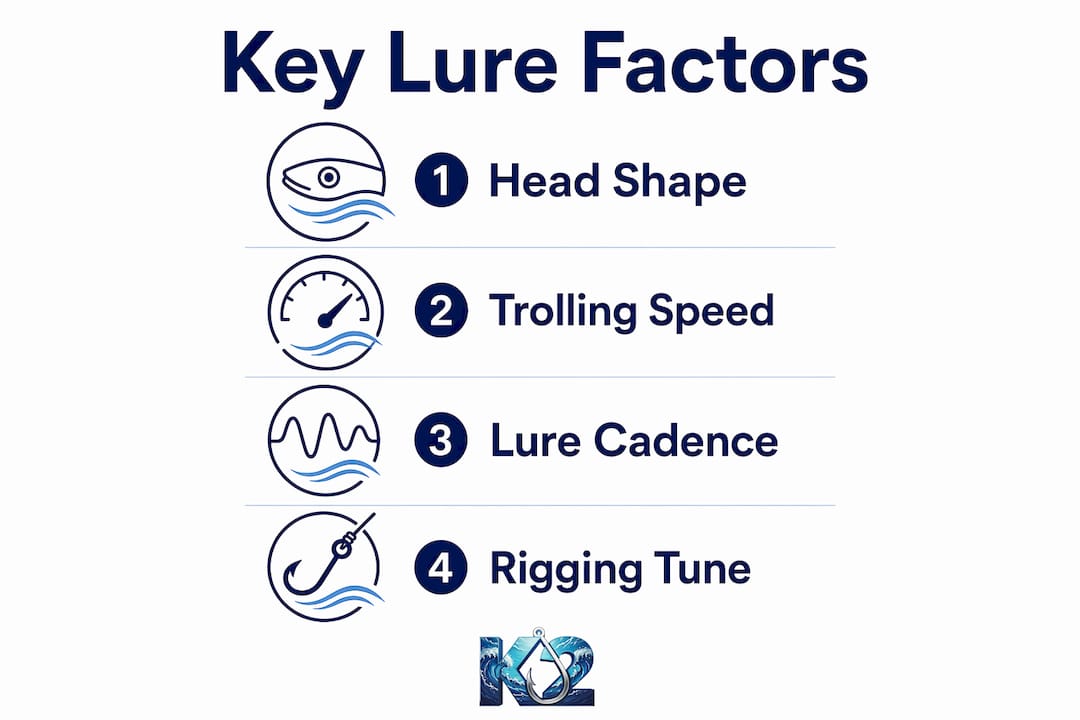
Lure action in trolling is controlled by head shape, trolling speed, cadence, and rigging, and getting all four right is what consistently puts big game fish in the boat.
| Point | Details |
|---|---|
| Head shape drives action | Slant heads swim side to side, cup heads bubble, and bullet heads run straight at high speed. |
| Speed range is non-negotiable | Standard offshore lures run best at 6–9 knots; high-speed lures need 12–16 knots to perform. |
| Cadence determines strike triggers | Symmetrical lures work during active feeds; asymmetrical lures provoke neutral fish into striking. |
| Rigging affects every lure | Leader weight, hook position, and line diameter all change how a lure moves through the water. |
| Small speed changes produce big results | A 0.3 mph speed adjustment can trigger strikes from fish that were following but not committing. |
What years of offshore trolling actually taught me
Most anglers focus on lure color. I spent years doing the same thing, swapping between blue and white, pink and black, trying to crack the code on what fish wanted to eat. The real answer was never about color. It was always about action.
The shift happened for me when I started watching lures from the stern before setting them back. A lure that looks great in a tackle shop can run completely wrong at 7 knots. Once I started tuning every lure before it went in the water, my strike rate changed noticeably. The lure action types that actually get bit are not random. They are specific, repeatable, and learnable.
The other lesson that took too long to learn: speed is a tool, not a setting. Most anglers pick a speed and leave it there all day. The anglers who consistently outfish everyone else are the ones adjusting speed every time conditions change, every time a current edge appears, every time bites slow down. Treat your throttle like a tuning knob, not a cruise control.
Experimentation matters, but it needs a foundation. Know what each lure does at each speed before you start mixing things up. That knowledge is what turns a lucky day into a repeatable system.
— Daniel
K2fishing lures are built around action, not just appearance
Every K2fishing lure starts with a specific action profile in mind. The abalone resin heads are shaped to produce defined movement at target trolling speeds, whether that is a side-to-side swim for marlin or a straight, fast run for wahoo. These are not shelf lures. They are tested in real offshore conditions by anglers who care about catch rates.
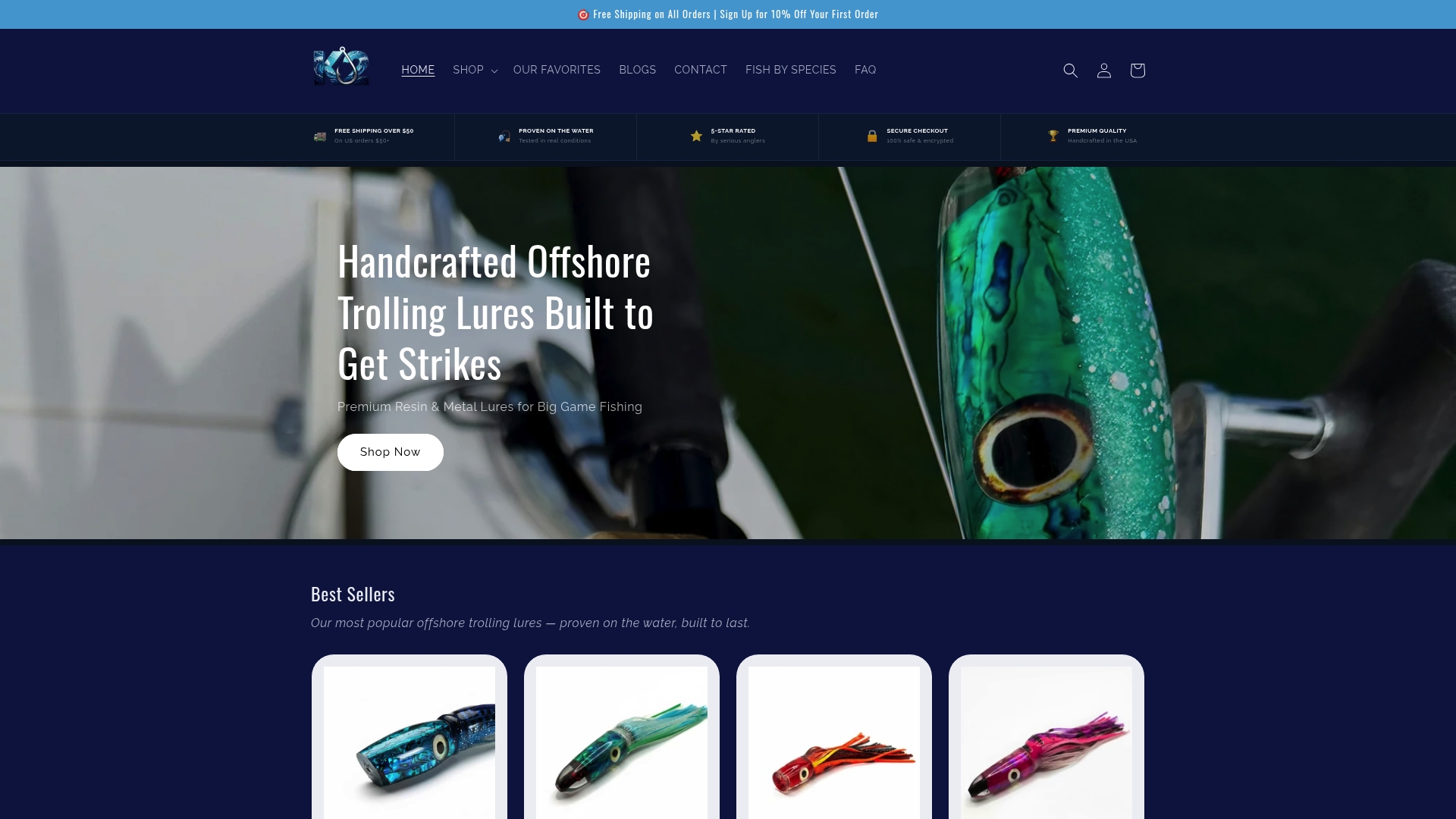
The Red Abalone Big Eye Lure and the Ghost White Abalone Lure are two of K2fishing’s most consistent producers, built with the flash and action profile that big game fish respond to. For anglers who want to go deeper on lure selection, the Offshore Fishing Lure FAQs covers rigging, speed, and action questions in full detail. If you are serious about putting more fish in the boat, start with lures that are engineered to swim right from the first drop.
FAQ
What is lure action in trolling?
Lure action in trolling is the physical movement a lure makes as it is pulled through the water, including wobble, vibration, spin, and dive. Effective action imitates live baitfish and triggers predatory strikes from game fish.
What trolling speed gives the best lure action?
Standard skirted offshore lures perform best between 6–9 knots, while high-speed lures designed for wahoo run optimally at 12–16 knots. Running outside a lure’s designed speed range destroys its action.
How does lure head shape affect trolling action?
Cup heads create bubble trails and turbulence, slant heads produce side-to-side swimming, and bullet or jet heads deliver a straight, stable run at high speed. Head shape is the primary factor controlling which action profile a lure produces.
What is lure cadence and why does it matter?
Lure cadence is the rhythm of a lure’s movement cycle as it travels through the water. Symmetrical lures produce a consistent cadence for actively feeding fish, while asymmetrical lures create erratic movement that triggers strikes from neutral or wary fish.
How do I fix a trolling lure that swims crooked?
Bend the hook eyelet slightly in the opposite direction of the lure’s drift to correct its swimming path. Even a small adjustment of a few degrees can convert a lure that tracks off to one side into one that runs straight and stable.