A live bait tournament technique is defined as the strategic use of live organisms as bait, combined with precise depth control, rigging, and real-time angler adjustments, to maximize catch rates in competitive fishing. The industry term for this practice is “live bait presentation,” and it covers everything from bait selection and hook placement to boat positioning and hookset timing. Tournament anglers who master this approach consistently outperform those relying on artificial lures alone. This guide breaks down the core methods that separate the top of the leaderboard from the rest of the field, drawing on 2026 pro angler standards and field-tested strategies.
What is a live bait tournament technique and why does it matter?
Live bait tournament technique is not a single action. It is a system of decisions made before, during, and after every cast. The core components are bait health, hook placement, rig selection, depth management, and boat control. Each element affects the others, and a failure in one area collapses the whole presentation.
The biggest misconception among newer tournament anglers is that live bait is a passive method. Live bait fishing demands active engagement and constant adjustment. Pros describe it as one of the most mentally demanding forms of tournament fishing precisely because the bait itself is a variable you can never fully control.

Tournament rules also shape technique. Many competitive circuits restrict bait species, tank sizes, or collection methods. Knowing how tournament rules affect your bait choice before you launch is not optional. It is the foundation of your entire game plan.
What are the essential components of effective live bait techniques?
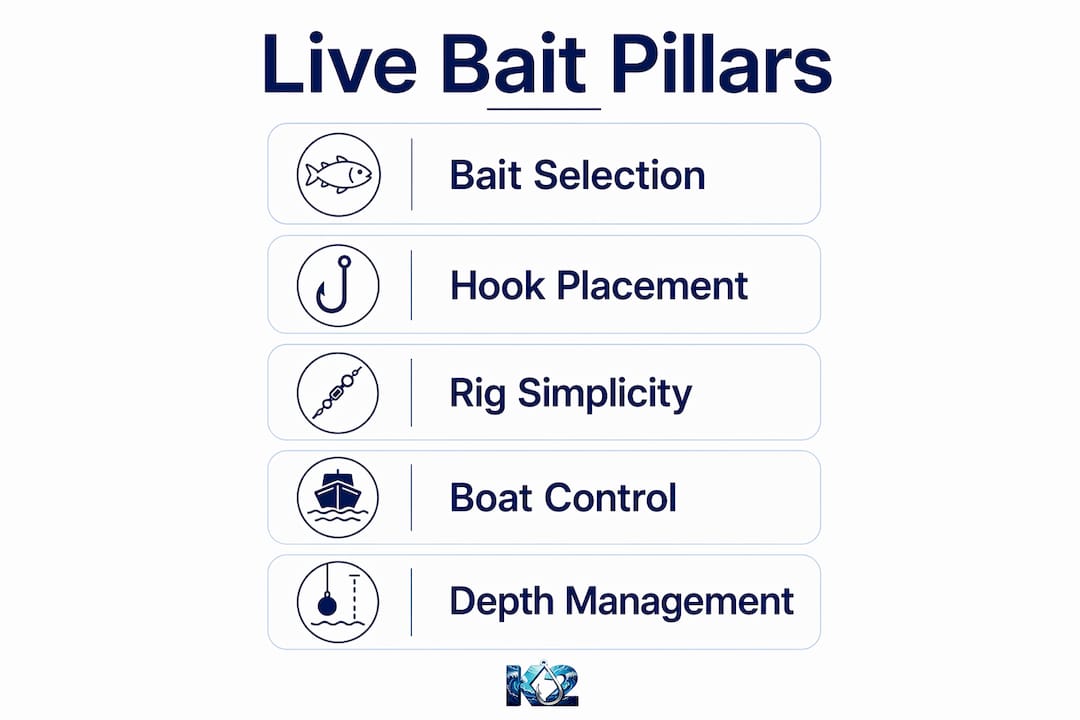
Success in live bait competition fishing rests on four pillars: bait selection, hook placement, rig simplicity, and boat control.
Bait selection and health
Healthy bait catches fish. Stressed, lethargic bait does not. Bait failure primarily results from oxygen depletion and handling stress, which means your aerated, shaded bait bucket is as important as your rod. Tournament anglers use nets instead of hands whenever possible and keep water temperatures stable throughout the day.
Pro Tip: Always handle live bait with wet hands. Dry skin pulls the protective slime coat off baitfish, which accelerates stress and shortens survival time in the bucket.
Hook placement and rigging
Hooking near the nose allows larger baits to swim naturally and cover water. Hooking through the back behind the dorsal fin works for suspending bait under a float. Improper placement causes spinning, which kills the presentation and deters strikes. Expert anglers match hook location to bait anatomy on every single rig.
Simple rigs outperform complex ones in tournament settings. Free-lined and slip-float setups allow bait to move naturally while still giving you depth control. More complex rigs add weight and hardware that restrict movement and reduce strike rates.
Boat control and drift management
Uncontrolled drift pulls bait out of strike zones and causes tangles across multiple lines. Clean drifting with wind management covers water efficiently and triggers bites. Tournament anglers use trolling motors on low settings to maintain position without spooking fish. The goal is to let the bait work, not fight the current.
Key components to check before every tournament day:
- Aerated bait tank with shade cover and stable water temperature
- Hooks matched to bait size, with placement suited to the species
- Simple rigs: free-line, slip-float, or split-shot setups
- Trolling motor charged and ready for precise drift control
- Backup bait supply in case of early depletion
How does depth control influence live bait success in fishing tournaments?
Depth control is the primary factor separating success from failure in 2026 live bait tournaments. Pros adjust bait depth in 6-inch increments based on electronic readings to keep bait within 1–2 feet of the fish’s strike zone. That level of precision requires both quality electronics and a rig that responds quickly to adjustments.
Modern fish finders show suspended fish at specific depths. When you see a school holding at 18 feet, your bait needs to be at 17 or 19 feet, not 12 feet. Anglers who ignore their electronics and fish by feel alone leave the majority of bites on the table.
Different rigs serve different depth needs. The table below shows the most common options and when to use each.
| Rig type | Best depth range | Key advantage |
|---|---|---|
| Free-line | Surface to 6 feet | Maximum natural movement |
| Slip-float | 2–15 feet | Precise, adjustable depth stops |
| Split-shot | 5–20 feet | Quick depth changes mid-drift |
| Carolina rig | 10–30 feet | Bottom contact with bait lift |
Adapting depth mid-competition is a skill that takes practice. Fish move vertically throughout the day in response to light, temperature, and bait schools. An angler who checks electronics every 10–15 minutes and adjusts rig depth accordingly will consistently find more fish than one who sets a depth at launch and leaves it. For a deeper look at how positioning affects results, the K2fishing guide on lure position in tournaments covers the same principles applied to trolling spreads.
What are the best practices for hook setting and reading bait behavior?
Reading your bait is the most underrated skill in tournament live bait fishing. The bait tells you what the fish is doing before you ever feel a bite on the line.
Nervous bait behavior, indicated by float twitching, signals predator interest. A float that bobs erratically means a fish is nearby and investigating. The mistake most anglers make is setting the hook the moment they see movement. That premature strike pulls the bait away from a fish that has not yet committed.
Trophy bass grab bait by the middle and pause to reorient it head-first before swallowing. Waiting for the “steady weight” of the fish before setting the hook increases hookup percentages significantly. The same principle applies to most large predator species: let the fish commit fully before you swing.
Pro Tip: When your float goes dead still after twitching, that is often the moment a fish has the bait in its mouth and is pausing. Count to three before setting the hook. That pause is where most tournament fish are won or lost.
Signs to watch for before setting the hook:
- Float twitches erratically: predator is nearby but has not committed
- Float moves steadily in one direction: fish is running with the bait
- Float submerges and holds: fish has turned the bait and is swallowing
- Line goes slack suddenly: fish is swimming toward you, reel fast and then set
How should anglers adapt live bait techniques during a tournament?
The best live bait anglers treat every hour of a tournament as a new set of conditions. Fish move, bait schools scatter, and water temperature shifts. Staying locked to one spot because it produced fish yesterday is one of the most common reasons anglers finish mid-pack.
The guiding principle is to fish the moment, not the memory. Real-time electronics, bait behavior, and bird activity tell you where fish are right now. Past experience tells you where they were. Use electronics to confirm before committing to a location.
A practical in-tournament adjustment sequence looks like this:
- Check electronics every 10–15 minutes for suspended fish or bait schools.
- Watch your live bait for signs of stress or nervous behavior indicating nearby predators.
- If bait goes lethargic with no strikes in 20 minutes, move at least 100 yards and reset.
- Adjust rig depth by 6-inch increments when fish are marked but not biting.
- Swap to a fresher, more active bait from the tank if current bait shows signs of fatigue.
- Note wind direction changes and reposition the boat to maintain a clean drift angle.
Balancing patience with movement is the hardest judgment call in live bait competition. Some bites require a 30-minute wait. Others require you to cover a mile of water in an afternoon. The difference is what your electronics and bait behavior are telling you. Anglers who read those signals accurately and act on them quickly are the ones who cash checks. Understanding how currents affect bait placement adds another layer of precision to this real-time decision-making process.
Key takeaways
Live bait tournament technique succeeds when anglers combine precise depth control, proper hook placement, active bait management, and real-time adaptation to fish and water conditions.
| Point | Details |
|---|---|
| Depth control is decisive | Adjust bait depth in 6-inch increments using electronics to stay in the strike zone. |
| Simple rigs outperform complex ones | Free-line and slip-float setups preserve natural bait movement and increase strike rates. |
| Bait health drives results | Use wet hands, aerated buckets, and shade to prevent oxygen depletion and handling stress. |
| Wait for steady weight before setting | Premature hook sets on nervous bait lose fish; wait for full commitment before striking. |
| Adapt in real time, not from memory | Move when bait or fish disappear, and adjust depth and position based on live electronics. |
What I’ve learned after years of watching live bait tournaments up close
Most anglers who struggle with live bait in tournaments are not making technical errors. They are making a mindset error. They treat live bait like a set-and-forget method, drop the rig, and wait. That approach works on a lazy Sunday. It does not work when the clock is running and the field is stacked.
The anglers I have watched consistently place well share one habit: they never stop managing the bait. They check it, swap it, reposition it, and read it like a gauge. The bait is not just the lure. It is the instrument that tells you what is happening below the surface.
The other thing I have noticed is that technology and traditional skill are not in competition. The best tournament anglers use fish finders aggressively and still trust their instincts about bait behavior. One without the other is incomplete. Electronics tell you where to be. Bait behavior tells you when to act.
If you are building your live bait game for competition, start with the fundamentals: healthy bait, clean rigs, and disciplined hooksets. Add depth precision and real-time mobility once those basics are locked in. The anglers who try to run before they walk almost always end up frustrated. The ones who master the basics first and layer in complexity gradually are the ones who show up in the results.
— Daniel
K2fishing gear that complements your tournament setup
Tournament fishing rewards anglers who bring every advantage to the water. Live bait technique covers the inshore and nearshore game, but offshore tournament spreads require a different kind of firepower.
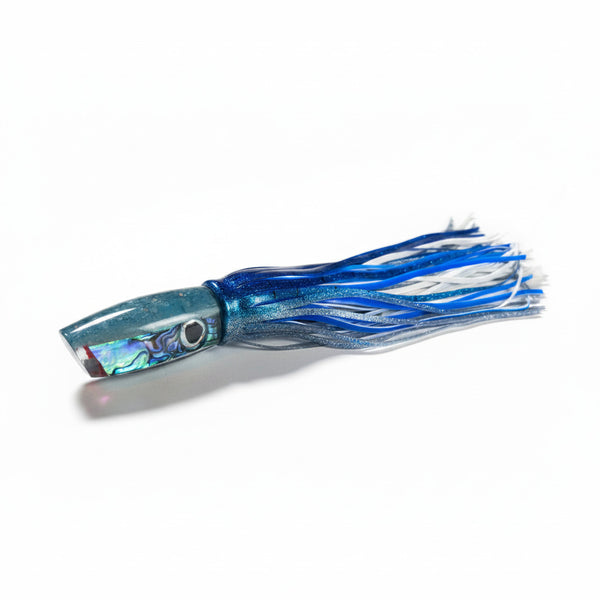
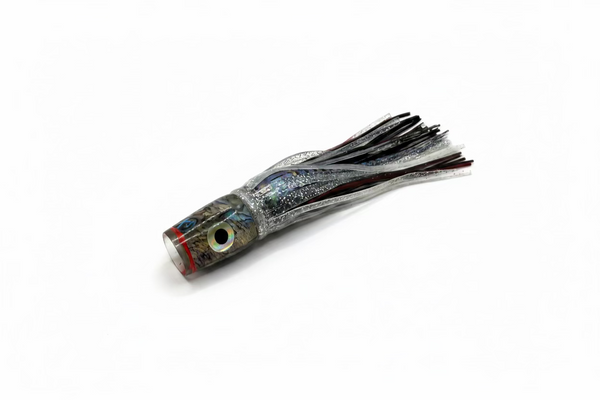
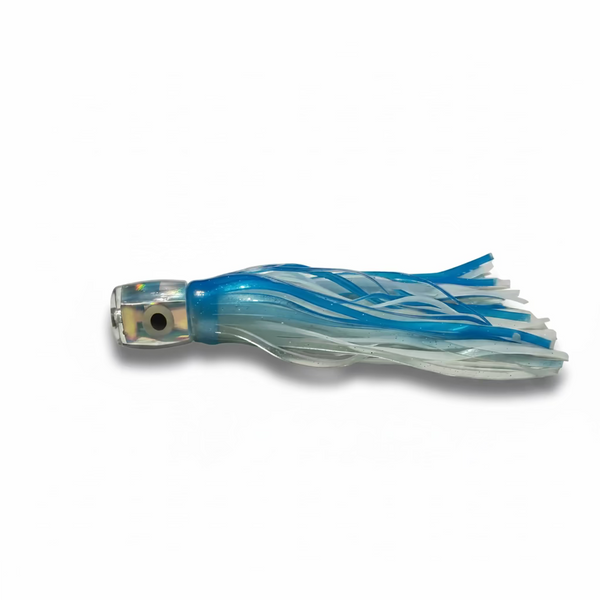
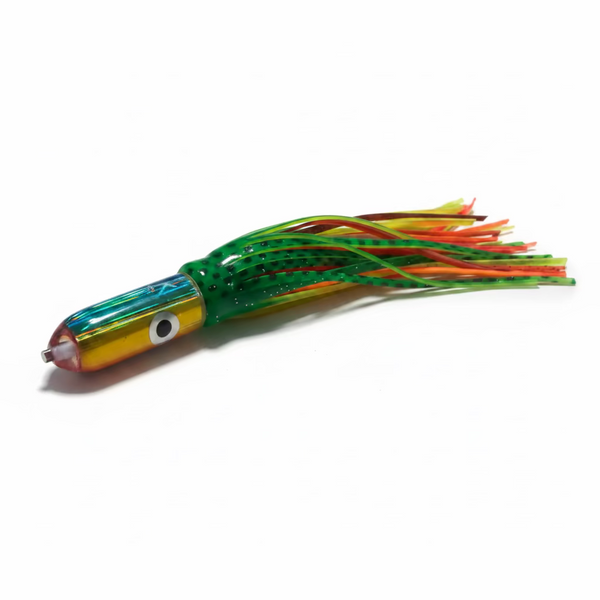
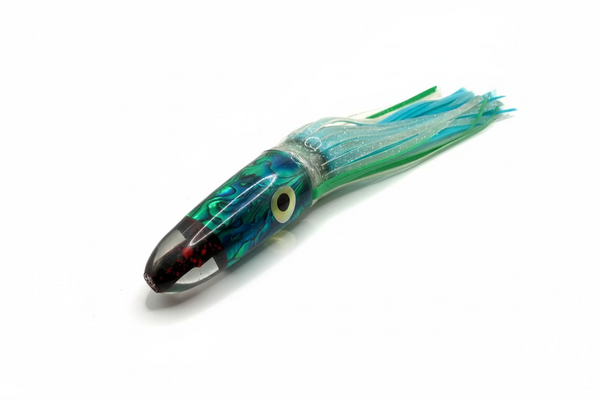
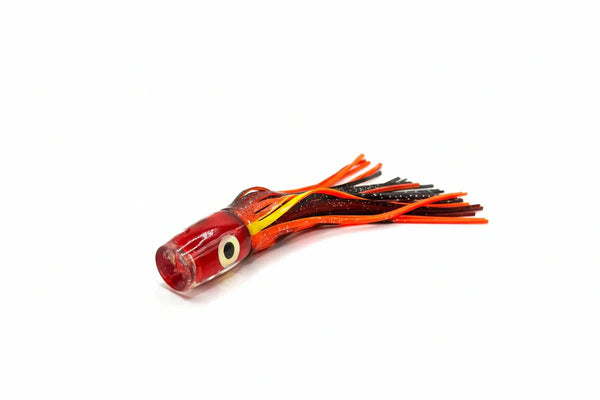
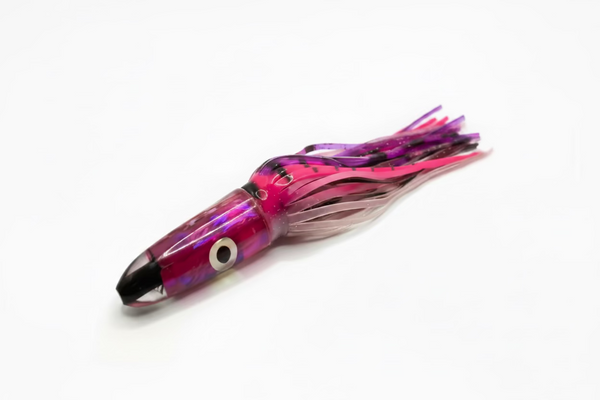
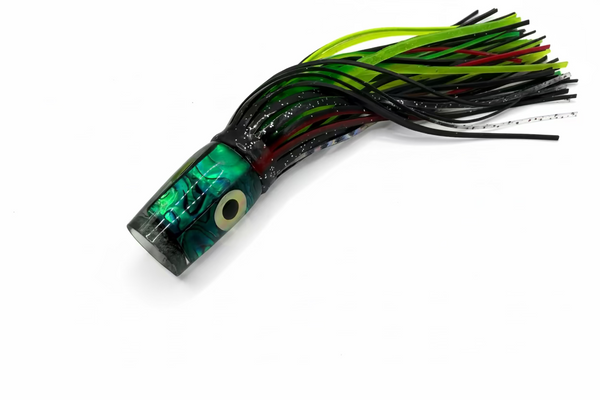
K2fishing handcrafts offshore trolling lures using abalone resin, a material that produces brightness and flash that standard resin cannot match. Each lure is built and tested in real conditions, not a lab. Anglers targeting marlin, tuna, and wahoo in tournament settings consistently report stronger results when K2fishing lures run alongside live bait in a mixed spread. Browse the full lineup and get answers to common rigging questions at the K2fishing lure FAQs page, or go straight to the K2fishing lure collection to see what is available for your next tournament.
FAQ
What is a live bait tournament technique in simple terms?
A live bait tournament technique is the disciplined use of live organisms as bait, combined with precise depth control, rigging, and real-time adjustments, to catch fish competitively. It is an active method, not a passive one.
What is the best hook placement for live bait in tournaments?
Hooking near the nose allows bait to swim naturally and cover water. Hooking through the back behind the dorsal fin works best when suspending bait under a float.
When should you set the hook on a live bait bite?
Wait for the “steady weight” of the fish before setting the hook. Trophy fish grab bait by the middle, pause to reorient it, and then swallow, so premature strikes result in lost fish.
How do you control depth with live bait during a tournament?
Use electronics to locate suspended fish, then adjust your rig depth in 6-inch increments to place bait within 1–2 feet of the fish’s position. Slip-float and split-shot rigs make these adjustments fast and repeatable.
How often should you move locations during a live bait tournament?
Move if bait goes lethargic with no strikes for 20 minutes, or if electronics show fish have left the area. The principle is to fish current conditions, not past experience.