Kid friendly offshore fishing gear is specialized equipment designed to handle the demands of saltwater fishing while remaining safe and manageable for children. Standard freshwater gear fails offshore because ocean fish are stronger and saltwater corrodes unprotected metal fast. The right setup balances durability with child-sized usability, and it starts before you ever leave the dock. Coast Guard-approved personal flotation devices (PFDs), saltwater-rated rod and reel combos, UV-protective clothing, and motion sickness remedies administered 8–12 hours before departure are the core pillars of any family offshore trip. Get these right, and your kids will be asking to go back.
1. What makes offshore fishing gear kid friendly and safe?
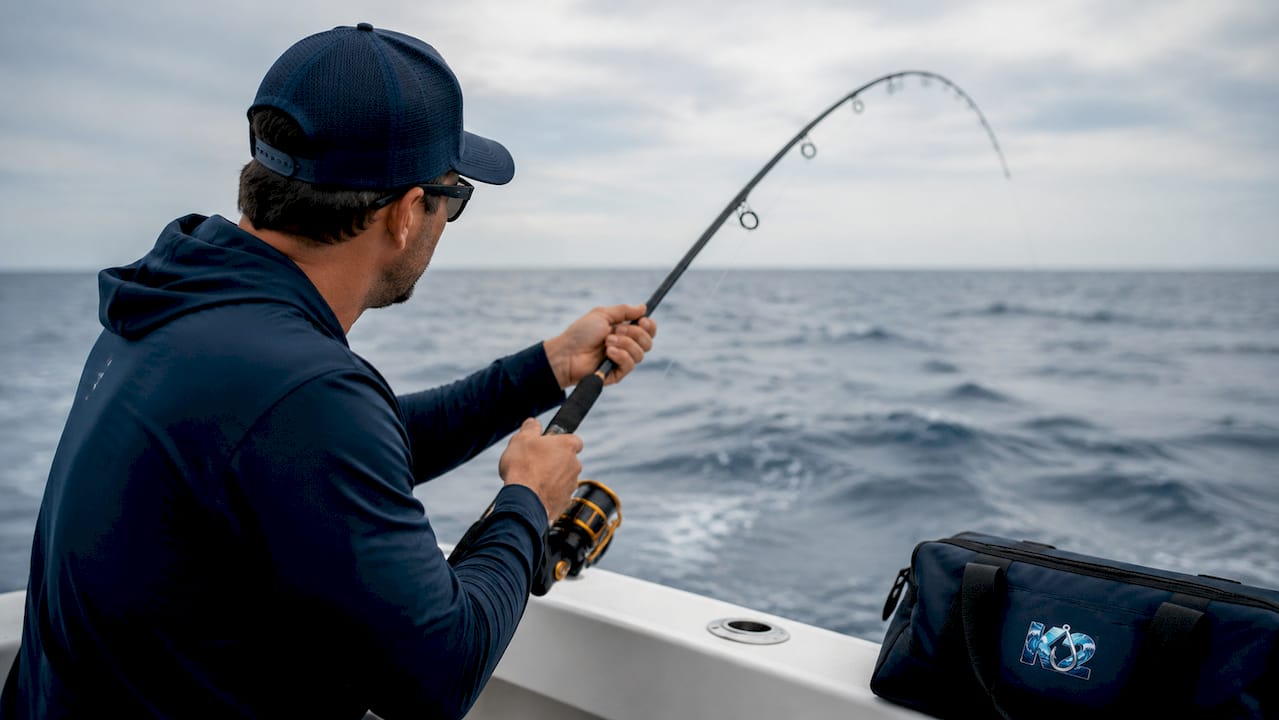
Saltwater-rated gear is the non-negotiable starting point for any family offshore trip. Standard freshwater “backyard” rods and reels corrode quickly in saltwater and lack the strength to handle offshore species like tuna or wahoo. Parents must choose gear built specifically for ocean conditions.
Key features to look for in youth offshore fishing rods and reels:
- Corrosion resistance: anodized aluminum spools, sealed ball bearings, corrosion-composite frames, and stainless steel guides
- Gear strength: rated for the pulling power of offshore fish, not just panfish
- Child-appropriate size and weight: lighter blanks and shorter handles reduce fatigue for young arms
- Simple reel mechanisms: spincast reels work best for younger kids because they eliminate line tangles and casting complexity
- Secure drag systems: smooth, adjustable drag prevents line breaks when a big fish runs
The reel mechanism matters more than most parents realize. A spincast reel lets a child focus on the excitement of a strike rather than fighting the equipment. As kids grow in skill, they can graduate to spinning reels and then conventional reels for heavier offshore work.
Pro Tip: Buy a rod and reel combo rated for 20–30 lb line when targeting offshore species with kids. It gives enough backbone for the fish while staying light enough for a 10-year-old to hold comfortably for hours.
2. Top kid friendly offshore fishing gear items to pack
Packing the right family-friendly fishing supplies makes the difference between a memorable trip and a miserable one. Every item below serves a specific purpose on the water.
- Saltwater-rated rod and reel combo: sized for children, with a spincast or light spinning reel and a 6–6.5 ft rod
- Coast Guard-approved PFD: models like the Mustang Survival Lil’ Legends fit children from 8 to 90 pounds and provide reliable buoyancy offshore
- UV-protective long-sleeve performance shirts: rated UPF 50+ to block sun exposure without relying on sunscreen alone
- Sun gaiter and wide-brim hat: covers the neck and face during long hours on open water
- Polarized sunglasses: reduces glare off the water and protects young eyes
- Non-slip closed-toe boat shoes: safer than flip-flops on wet decks, reducing the risk of falls
- Motion sickness remedy: Dramamine Kids or an acupressure band, given 8–12 hours before departure
- Waterproof disposable camera: turns slow fishing moments into an adventure
- Underwater fish ID cards: keeps kids engaged between catches
- Baby wipes, cooling towels, and water snacks: manage heat, mess, and energy levels throughout the day
Pro Tip: Pack a light hoodie even in summer. Offshore air conditioning and ocean breezes drop the cabin temperature fast, and a cold, uncomfortable kid checks out mentally within the hour.
Choosing quality offshore tackle online gives you access to a wider selection of saltwater-rated gear than most local shops carry, often at better prices.
3. How to choose and fit a PFD for kids offshore
A personal flotation device is the single most critical piece of safety gear on any offshore trip. Not all life jackets perform equally in open water, and the type you choose matters.
PFD types explained:
| Type | Design | Best use |
|---|---|---|
| Type I | Turns unconscious wearers face-up | Offshore and rough water |
| Type II | Near-shore buoyancy aid | Calm, inland water |
| Type III | Flotation aid, user must stay upright | Supervised, calm water |
Type I and Type II PFDs are the right choices for offshore conditions. Type III devices do not reliably turn an unconscious child face-up, which makes them unsuitable for open ocean use.
Fit is as important as type. A properly fitted PFD includes a crotch strap to prevent the jacket from riding up over a child’s head, a collar pillow to keep the face above water, and a heavy-duty handle on the back for rescue. Bright colors and secure straps are especially critical in offshore and rough water conditions, where visibility and quick rescue matter most.
The fit test is simple. Put the jacket on your child, fasten all straps, and lift them by the shoulders of the PFD. Their chin and ears should not slip through. If they do, size down.
Pro Tip: Have your child wear the PFD at home before the trip. Kids who are already comfortable in their jacket are far less likely to resist wearing it on the boat.
4. Engaging kids and managing comfort on offshore charters
Keeping a child engaged on a 12-hour offshore charter requires more than just a rod in their hands. Experienced captains at Second Wynnd Charters and Captain Smiley Fishing Charters recommend assigning kids small jobs to keep them invested in the trip. Spotting birds, passing out water, or watching the outriggers gives children a sense of purpose between bites.
Here are the most effective strategies for keeping kids comfortable and focused:
- Give them a waterproof disposable camera. A camera turns kids into documentarians on slow fishing days. They photograph waves, birds, bait, and each other, which keeps their attention sharp.
- Use fish ID cards. Laminated underwater fish ID cards let kids identify species as they come aboard, turning each catch into a learning moment.
- Dress them in UV-protective clothing. Applying sunscreen on a moving boat is difficult and inconsistent. UPF-rated shirts and hats eliminate the problem entirely.
- Administer motion sickness remedies the night before. Children aged 2–12 are most susceptible to motion sickness offshore. Giving Dramamine Kids or a similar remedy 8–12 hours before departure is far more effective than dosing on the morning of the trip.
- Pack acupressure bands and ginger candy. These non-medication options work well for kids who cannot take oral remedies or who need supplemental support.
- Choose a charter with amenities. A 12-hour trip with air-conditioned cabins and full bathrooms keeps kids comfortable during rest periods and prevents early meltdowns.
- Bring cooling towels and salty snacks. Heat and low blood sugar are the two fastest ways to end a child’s enthusiasm for fishing.
“Emphasizing fun and family memories rather than fish size encourages kids to want to repeat offshore fishing trips. The goal is to make the experience something they ask for again, not something they endure.”
Key Takeaways
The best offshore fishing gear for kids combines saltwater durability, proper safety equipment, and comfort tools that keep young anglers engaged and protected throughout the trip.
| Point | Details |
|---|---|
| Use saltwater-rated gear | Standard freshwater rods and reels corrode and fail in ocean conditions. |
| Fit a Type I or II PFD | Offshore conditions require a life jacket that turns unconscious wearers face-up. |
| Dose motion sickness meds early | Administer Dramamine Kids 8–12 hours before departure, not the morning of the trip. |
| Dress for sun, not just comfort | UPF-rated shirts and hats outperform sunscreen on a moving boat. |
| Keep kids engaged with tasks | Cameras, fish ID cards, and small jobs prevent boredom between catches. |
What I’ve learned from years of family offshore trips
The biggest mistake parents make is treating a family offshore trip like a scaled-down adult fishing trip. It is not. The gear, the schedule, and the expectations all need to shift when kids are on board.
I have watched parents hand a child a heavy conventional reel and then wonder why the kid lost interest within 20 minutes. A light spincast combo changes everything. The child can actually feel the fish, work the drag, and reel it in without help. That independence is what creates a lifelong angler.
Motion sickness preparation is the other area where I see families get it wrong consistently. Most parents give the medication on the morning of the trip, which is too late for it to work properly. The night-before dose is the rule, not the exception.
The engagement tools, the camera, the ID cards, the small jobs, are not optional extras. On a slow day offshore, they are what keep a 9-year-old from melting down at hour four. I have seen a waterproof disposable camera save an entire family trip when the fish were not cooperating.
The focus should always be on shared fun and learning, not on the size of the catch. Family fishing memories built around laughter and small victories last far longer than any trophy photo.
— Daniel
K2fishing lures that hold up on family offshore days
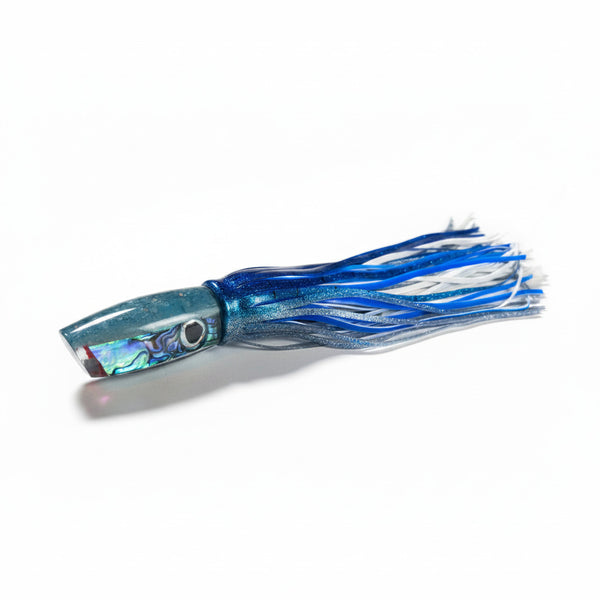
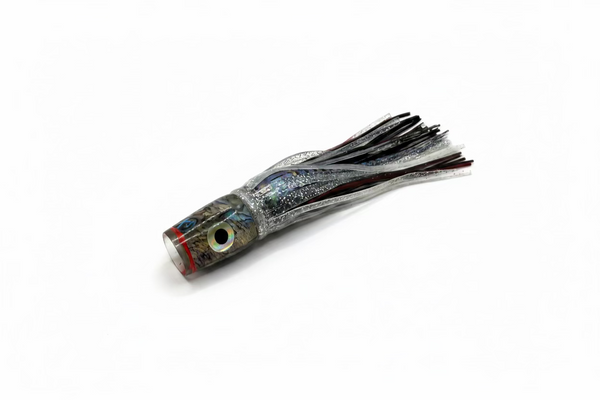
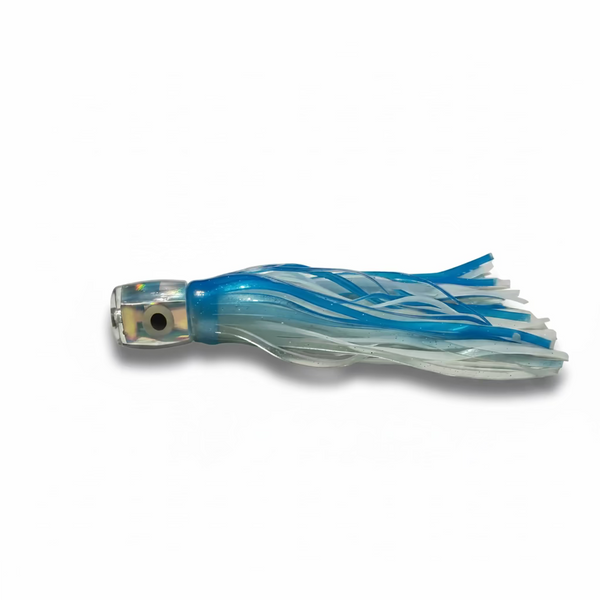
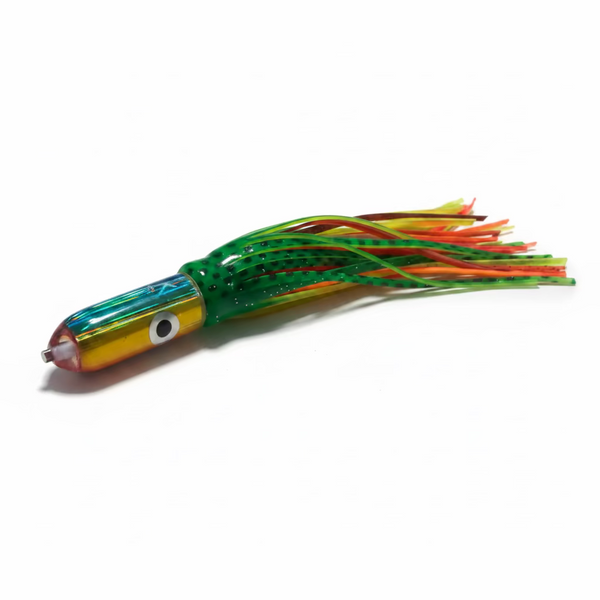
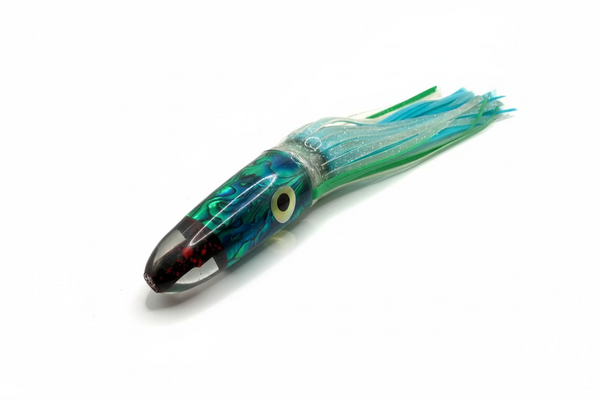
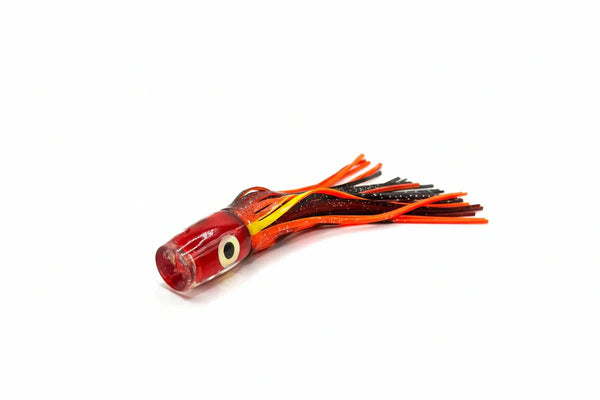
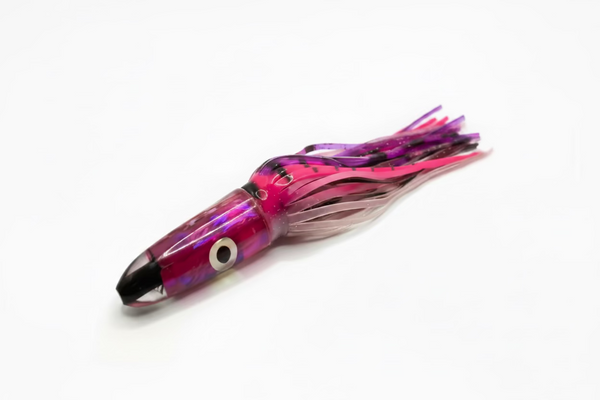
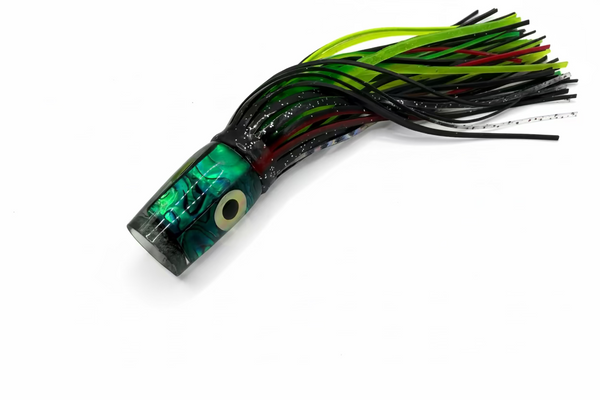
When the kids are set up with the right gear and the lines go in the water, the lures you run matter. K2fishing handcrafts its offshore trolling lures in the USA using abalone resin, a material that produces exceptional brightness and flash in saltwater conditions. These lures are built to handle the same ocean that tests your kids’ gear every trip.
K2fishing lures are rigorously tested in real offshore conditions, which means they perform when marlin, tuna, and wahoo are in the spread. Families running a full offshore charter deserve lures that actually get bit. Browse the full selection at K2fishing and find the right lure to complete your family’s offshore setup.
FAQ
What type of rod and reel works best for kids offshore?
A light spinning or spincast combo rated for 20–30 lb line is the best choice for youth offshore fishing. Spincast reels eliminate line tangles and let kids focus on fighting the fish rather than managing the equipment.
What PFD type is safest for kids on offshore trips?
Type I and Type II PFDs are the safest options for offshore conditions because they are designed to turn an unconscious child face-up in the water. Type III devices do not provide this function and are not recommended for open ocean use.
When should kids take motion sickness medication before a fishing trip?
Motion sickness remedies like Dramamine Kids should be given 8–12 hours before departure. Dosing on the morning of the trip reduces effectiveness significantly.
Are UV-protective shirts better than sunscreen for kids on boats?
UV-protective clothing rated UPF 50+ is more reliable than sunscreen for kids on moving vessels. Applying sunscreen consistently on an active child at sea is difficult, making clothing the more practical sun protection solution.
What shoes should kids wear on an offshore fishing boat?
Non-slip closed-toe boat shoes are the safest footwear for kids on wet boat decks. Flip-flops increase the risk of slipping and falling overboard and should be left at the dock.