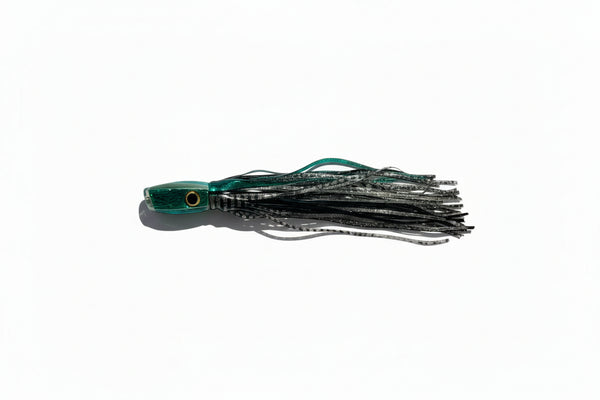
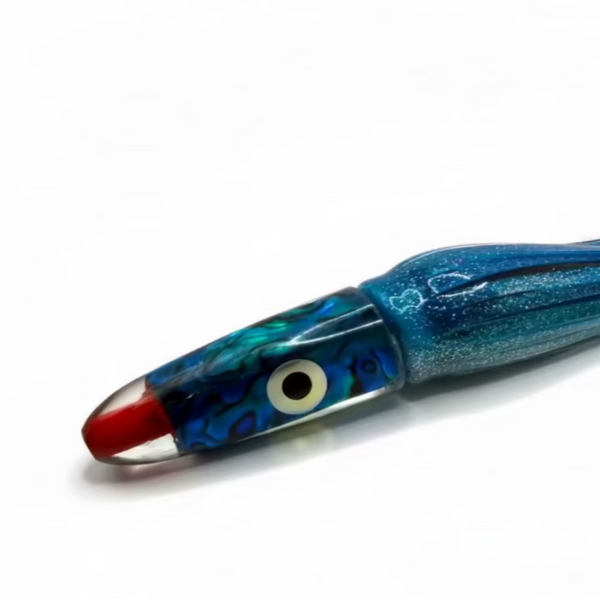
Consistent offshore trolling success is not a product of chance. It is achieved through a deep understanding of predator behavior and a methodical application of proven principles. While many anglers focus on lure selection alone, elite operations recognize that every element of the presentation, from engine harmonics to lure placement, contributes to the outcome. This guide moves beyond basic tactics to provide a strategic, knowledge-based framework for attracting and catching more pelagic predators. True mastery requires viewing the entire trolling spread, including the vessel itself, as a single, cohesive system designed to trigger an aggressive feeding response. The pillars of this advanced approach involve using the boat as a primary attractant, optimizing speed for lure performance, reading environmental cues to locate fish, and adapting tactics in real time. By mastering these concepts, you can transform your vessel into a more effective fish-raising machine.
Foundational Principles of Offshore Trolling Success
The most productive offshore trolling programs are built on a foundation of understanding predator instincts. Pelagic species like marlin, tuna, and wahoo are opportunistic hunters, drawn to signs of commotion that indicate a feeding opportunity. Elements often dismissed as disturbances, such as engine noise and propeller wash, are in fact powerful tools for attraction when properly leveraged. The low-frequency sounds produced by diesel engines can travel for miles underwater, mimicking the acoustic chaos of a bait school under attack and drawing predators in from a distance. This understanding is the first step toward achieving consistent offshore trolling success. The goal is to create a controlled presentation that simulates a panicked bait school, with your lures representing the vulnerable outliers that are easiest to capture. This article will detail the core components of this strategy, providing the technical knowledge needed to refine your approach and improve your results on the water.
Leveraging Your Vessel as an Attractant
The boat is the single most important fish-raising tool in your arsenal. Its wake and acoustic signature create the initial disturbance that attracts game fish. The turbulent water directly behind the transom, created by the propellers, is a highly productive area known as the Strike Zone. This white water and subsurface commotion signals a feeding event, drawing dominant predators in close to investigate. These fish often strike lures positioned near the source of the disturbance, believing them to be disoriented baitfish separated from the school. Strategic offshore lure placement within this zone is therefore critical.
A standard, effective spread positions lures to take maximum advantage of the boat's wake. Each position serves a specific purpose:
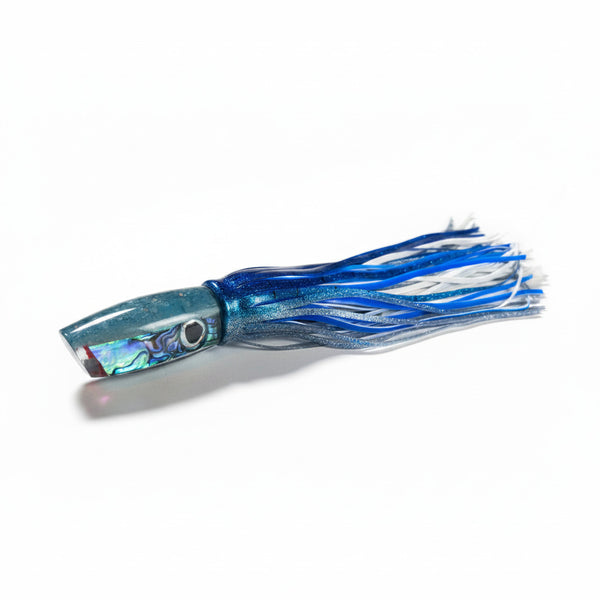
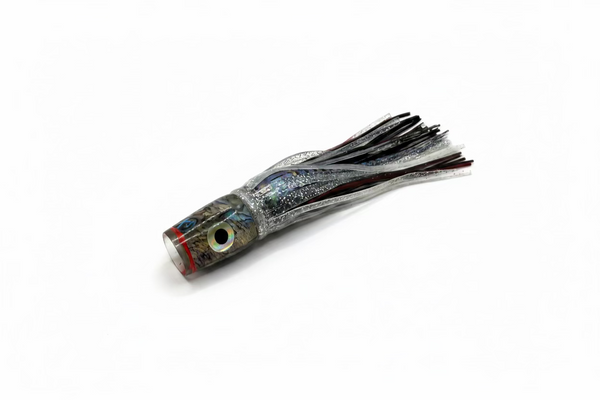
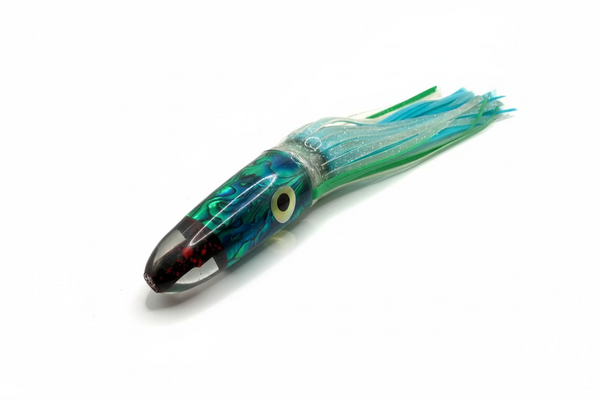
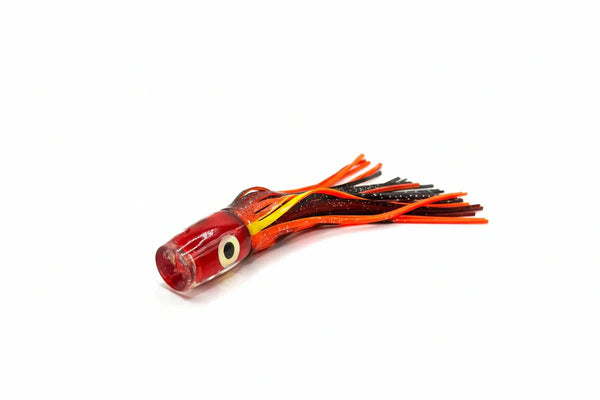
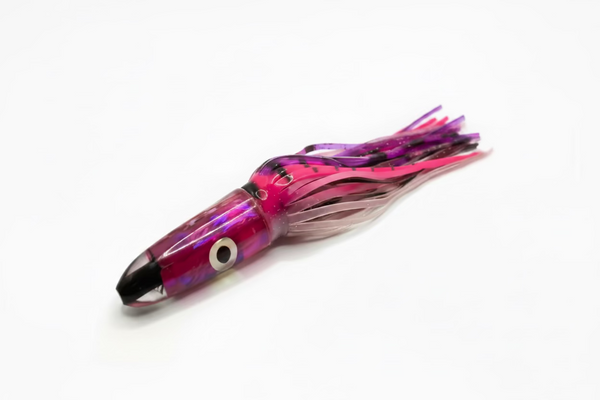
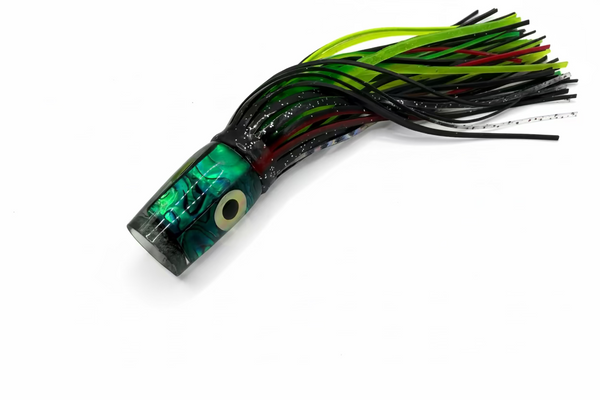
- Short Corner: This position is in the most turbulent water, close to the transom. It is ideal for large, aggressive lures that create significant surface action and noise. High-performance lures are essential here, and our range of large resin lures is engineered to handle this turbulence while maintaining proper action.
- Long Corner: Placed just behind the short corner lure, this position often targets fish that are drawn to the initial commotion but are slightly more cautious.
- Short Rigger: Positioned in the first clean alley of water outside the prop wash, this lure presents a clear target for fish patrolling the edges of the wake.
- Long Rigger: Further back in the spread, this lure targets fish that may be hesitant to enter the primary wash, presenting an easy, isolated meal.
By turning the boat's wake into a strategic component of your presentation, you move beyond simply dragging lures and begin actively hunting. This is a key differentiator in advanced big-game fishing techniques.
Optimizing Trolling Speed and Lure Performance
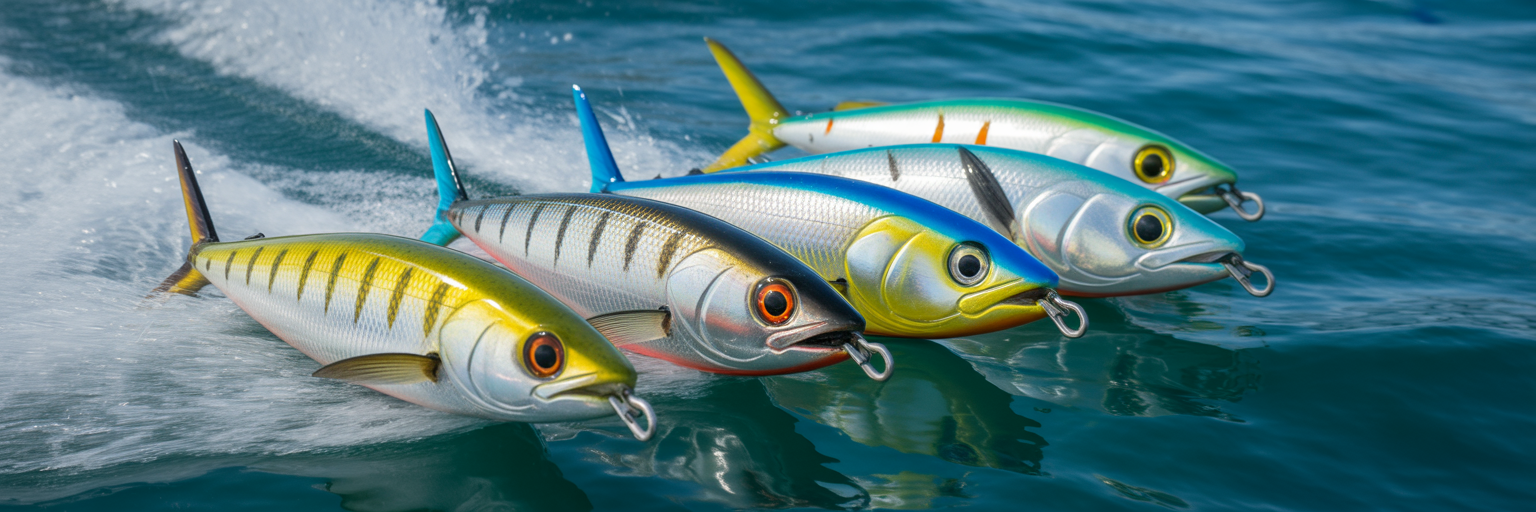
The relationship between trolling speed, sea conditions, and lure action is fundamental to success. While a general range of 5 to 9 knots is standard for many offshore applications, optimizing trolling speed means finding the vessel's unique "sweet spot" for a given day. This ideal speed is not a fixed number but a dynamic variable that depends on the sea state, current, and target species. As noted by experts in Sport Fishing Magazine, the best trolling speed varies significantly, with marlin often preferring faster presentations than tuna.
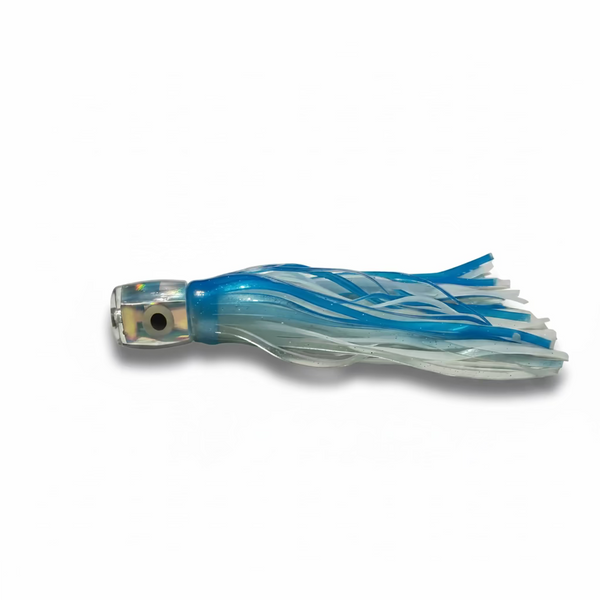
Maintaining consistent engine RPMs is crucial, especially through turns. Surging ahead can cause lures to tumble and break the surface, while slowing down can make them lose their action entirely. The objective is to have the entire spread perform as a cohesive unit. While a mix of lure styles is common, every lure, from resin heads to teasers, must be designed to swim correctly at the chosen velocity to present a convincing bait school illusion. Lures intended for high-speed applications, such as for wahoo, require specialized designs. For instance, our Blackfin Bullet is specifically engineered to track true and stay subsurface at higher speeds where wahoo feed.
There is no substitute for direct observation. A non-negotiable best practice is to regularly check each lure's action from the cockpit or covering boards. Ensure each one is swimming perfectly, without spinning or fouling. A well-tuned spread is the hallmark of a professional trolling operation and directly translates to more strikes.
| Target Species | Typical Speed Range (Knots) | Ideal Lure Action |
|---|---|---|
| Blue Marlin | 7.5 - 9.0 | Aggressive surface splash, consistent 'smoking' trail, stays in the water. |
| Tuna (Yellowfin/Bluefin) | 5.5 - 7.5 | Steady swimming action below the surface, minimal tumbling, straight tracking. |
| Wahoo | 8.0 - 12.0+ | High-speed, straight tracking with minimal surface action. Lure must stay down. |
| Mahi-Mahi (Dolphin) | 6.0 - 8.0 | Active surface skipping and splashing, erratic but controlled movement. |
This table provides a general guideline for trolling speeds. Captains should always adjust based on sea conditions and observe lure performance to find the day's optimal speed. Data is synthesized from expert recommendations and common practices in major bluewater fisheries.
Reading Environmental Cues for Predator Location
The most effective anglers find fish before they ever deploy a lure. This is accomplished by reading bluewater conditions to identify oceanographic features where predators and their prey congregate. Pelagic fish do not roam the open ocean randomly. They are drawn to specific structures and conditions that concentrate bait and create ambush opportunities. Identifying these zones dramatically increases the probability of an encounter.
Key features to locate include:
- Temperature Breaks: Sharp changes in sea surface temperature that act as invisible walls, aggregating baitfish.
- Current Seams: Visible lines where two currents meet, collecting floating debris, nutrients, and bait.
- Color Changes: Transitions from green, nutrient-rich inshore water to clear, deep blue offshore water.
- Submerged Structure: Seamounts, ledges, and canyons that force nutrient-rich water upward, creating a vibrant ecosystem.
- Weed Lines & Floating Debris: Floating structures that provide cover for baitfish and, in turn, attract predators.
Modern marine electronics, including advanced sonar and satellite sea surface temperature (SST) charts, are indispensable tools for locating these features. Once a productive zone is identified, work it methodically using trolling patterns like zig-zags or figure-eights. This keeps your lures in the most promising water for longer periods. Understanding which species are likely to be found near a temperature break versus a deep-water seamount is also crucial, and anglers can learn more about targeting specific predators in our guide.
Interpreting Bird Activity and Surface Action
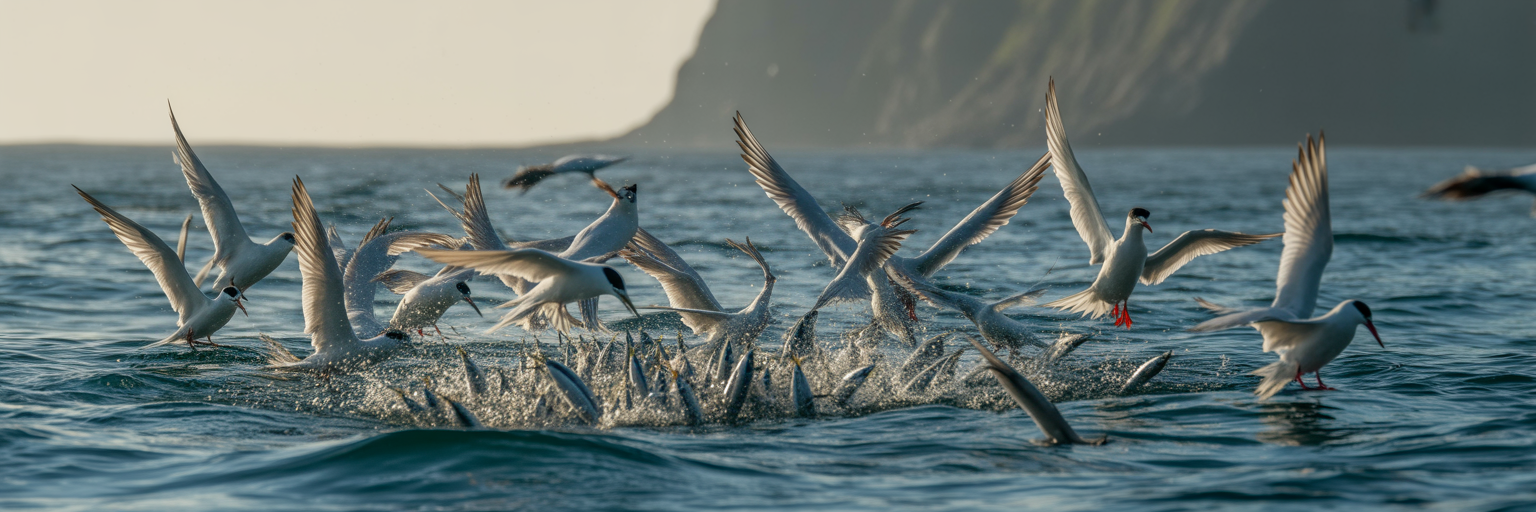
While oceanographic features point to promising areas, seabird activity is the most reliable real-time indicator of bait and feeding predators. Birds and pelagic game fish hunt the same prey, creating a symbiotic relationship that anglers can exploit. Learning to interpret bird behavior provides a distinct advantage. A few scattered, high-altitude birds are likely searching, but a tight group of birds diving frantically indicates they are actively feeding on a concentrated bait ball. This is a high-probability sign that game fish are pushing the bait to the surface from below.
When approaching birds, throttle back well before reaching the activity. This allows you to assess the situation without spooking the bait or the predators. Look for secondary signs like surface slicks, splashes, or the dorsal fins of game fish, which confirm their presence. Finding birds feeding on tuna or skipjack is a classic method for locating billfish, making this a vital skill when learning how to troll for marlin. Remember that birds are the starting point, not the destination. Their presence guides you to an area where a closer inspection is warranted, allowing you to position your spread for a potential strike.
Adapting Your Strategy for Consistent Results
The most successful offshore anglers are those who constantly observe, analyze, and adjust their approach. Success is dynamic, and what worked yesterday or even an hour ago may not work now. This requires active monitoring throughout the day, including watching lure action, checking the sounder for marks, noting changes in water conditions, and tracking which lure positions are getting bites. This constant stream of information allows you to make informed decisions and adapt your strategy in real time.
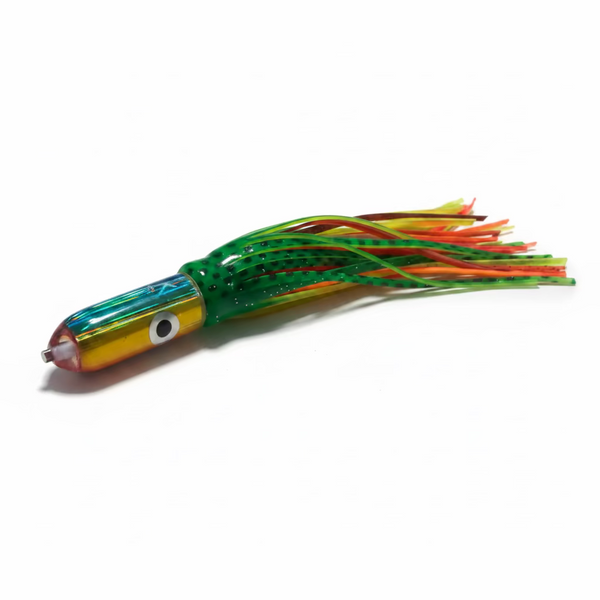
Adopt a mindset of methodical experimentation. If a spread is not producing, resist the urge to change everything at once. Instead, alter one variable at a time, such as trolling speed, lure color, or trolling direction relative to the swell. This isolates the factor that triggers a strike, providing valuable knowledge for future trips. Mastering these observational and adaptive principles is what elevates an angler from someone who simply drags lures to an active and effective hunter. This transformation is the key to achieving more consistent and higher-quality catches, which is the ultimate goal of all advanced big-game fishing techniques. Having a versatile and high-performance arsenal is crucial for this adaptation, and anglers looking to build a complete spread can explore our full collection of handcrafted lures.