The fastest way into an offshore fishing community is to find a local club, show up, and be useful. That’s it. Groups like America’s Boating Club (the United States Power Squadrons), the Virginia Charter Boat Association, and online platforms like Your Saltwater Guide welcome newcomers who come prepared and ready to contribute. The learning curve is real, but the community shortens it dramatically.
Here’s the quick version of how it works:
- Research local and regional offshore fishing clubs, associations, and online groups in your area
- Apply or register through the club’s website, a local marina, or a platform like Meetup or Facebook
- Attend your first meeting or social event before committing to a trip
- Participate actively by volunteering, joining conservation events, and showing up on time
- Engage respectfully by listening more than you talk, especially early on
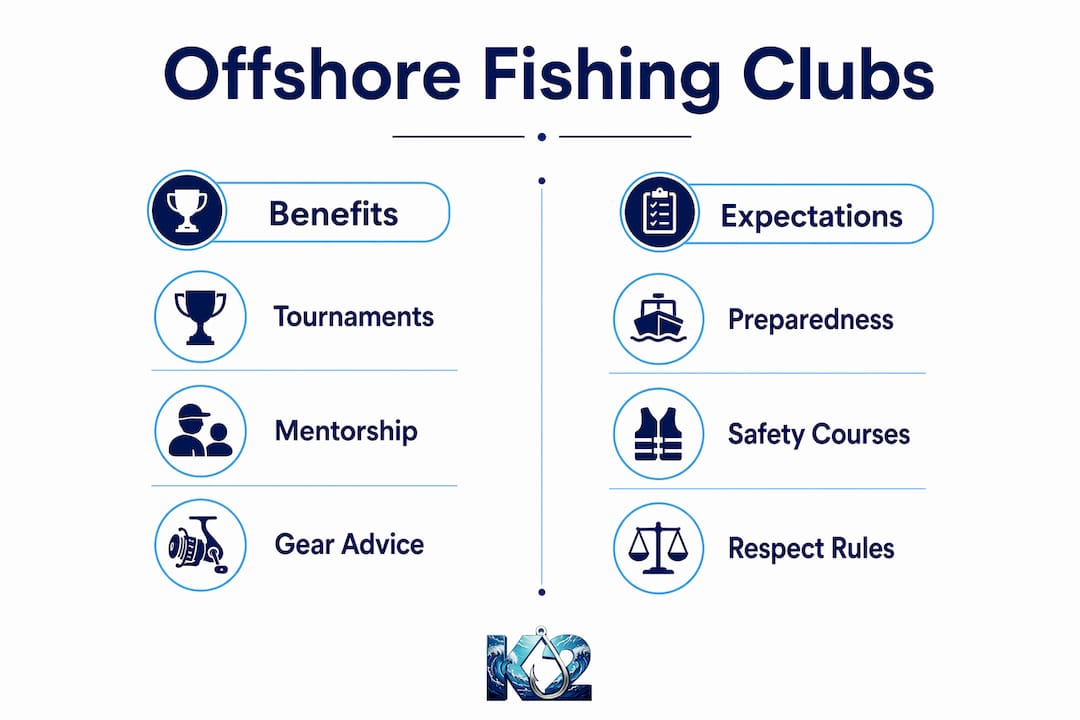
Membership pays off fast. You get access to tournaments, mentorship from experienced captains, gear recommendations, and the kind of local knowledge that no YouTube video can replicate.
Where do you find offshore fishing clubs and groups in the US?
The best offshore fishing clubs are rarely the ones that show up first in a Google search. Start with your nearest marina. Bulletin boards, tackle shop staff, and dock conversations will point you toward active local groups faster than any algorithm.
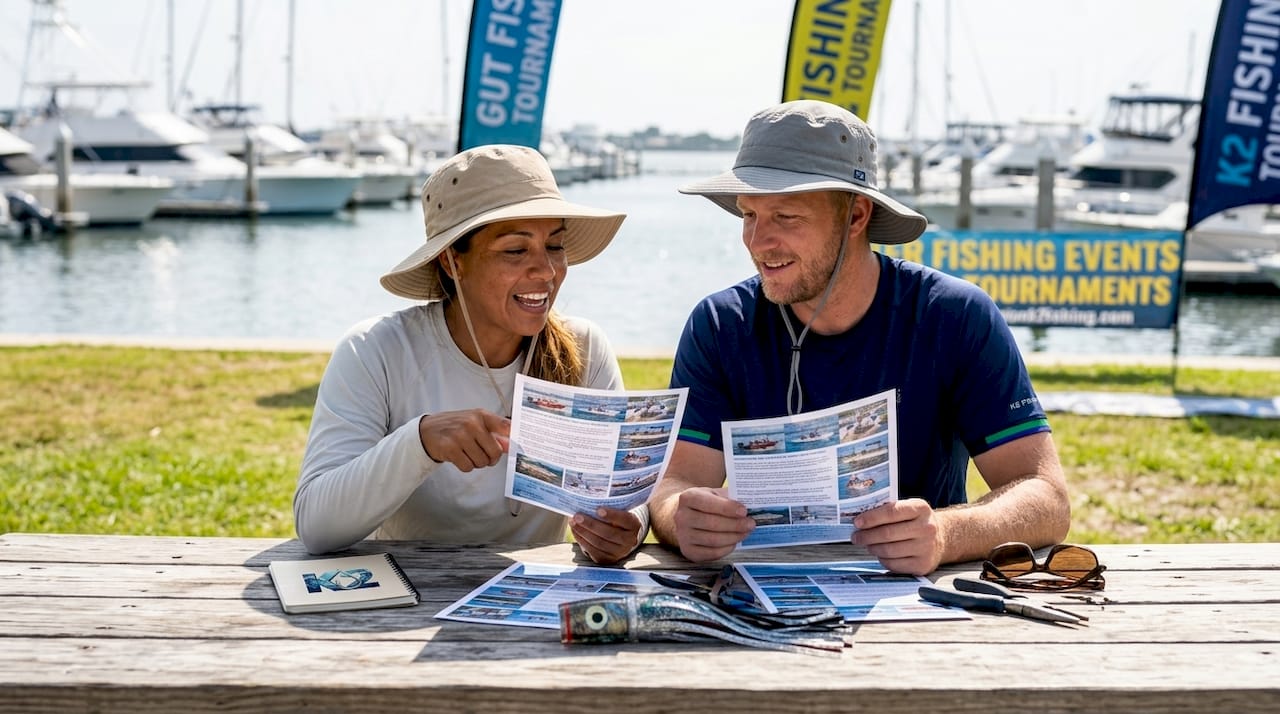
For a broader search, a few platforms stand out. Fishraider forums and Facebook groups organized by region are where a lot of real trip planning happens. Your Saltwater Guide aggregates resources for saltwater anglers across the US coast. Meetup hosts fishing groups in most major coastal cities, often with no membership fee to attend a first event.
Formal associations carry more structure and more benefits. The Virginia Charter Boat Association connects anglers with licensed charter captains along the mid-Atlantic coast. The Gainesville Offshore Fishing Club (GOFC) in North Central Florida runs a non-profit model with over 100 member families, offering free tournament entry, SeaTow discounts, and regular club meetings split between inshore and offshore topics. America’s Boating Club operates local squadrons nationwide and combines boating safety education with a genuine fishing community.
When evaluating any group, look at three things: how active their event calendar is, whether they run conservation or youth programs, and how members talk to each other online. A club that organizes beach cleanups and youth fishing days, the way Offshore Anglers Pompano Beach does under their “Fish, Friends, Family” philosophy, tends to attract members who are actually worth knowing.
Common community types and where to find them:
- Formal clubs and associations: Virginia Charter Boat Association, GOFC, America’s Boating Club local squadrons
- Online forums: Fishraider, Your Saltwater Guide, regional Facebook groups
- Charter-based communities: FishingBooker, local marina networks
- Event-based groups: Meetup, club tournament circuits, marina open houses
For gear context as you research communities, K2fishing’s offshore fishing tips covers what experienced anglers in these groups actually run on their lines.
What do offshore fishing communities expect from new members?
The short answer: show up prepared, be safe, and don’t ask for secret spots on day one. Most clubs have a few formal requirements and a longer list of unwritten rules that matter just as much.
On the formal side, America’s Boating Club strongly recommends completing a boating safety course before your first offshore trip with a group. Their courses cover navigation, equipment handling, and emergency protocols. Many clubs won’t put a new member on a boat without some proof of basic boating competence, and for good reason. Offshore conditions change fast.
The unwritten rules are where most newcomers stumble. Being punctual is the single most important thing you can do. Showing up 30 minutes early to help load coolers and rig rods signals that you understand how much work goes into a trip before the boat leaves the dock. Coming late, even once, can get you quietly removed from the invite list.
Respect the captain’s authority completely. Don’t second-guess navigation decisions, don’t touch gear without asking, and don’t offer unsolicited advice about where to fish. Building trust takes consistent, demonstrated commitment over multiple trips. The knowledge you’re after, including the good spots, comes after that trust is established.
Key etiquette and participation norms:
- Complete a boating safety course before your first group trip
- Arrive at least 30 minutes early and help with pre-launch prep
- Bring your own rigged gear, food, water, and sunscreen
- Offer to contribute to fuel costs without being asked
- Volunteer for club events, cleanups, and conservation activities
- Stay for post-trip cleanup; don’t be the first person off the dock
- Never ask for specific fishing coordinates until you’ve earned the relationship
Offshore Anglers Pompano Beach puts it plainly: members who volunteer for youth programs and community events build the kind of rapport that passive members never do.
What skills and gear do you need before joining a group trip?
Walk onto a boat knowing how to tie at least three knots, and you’ll immediately look like someone worth inviting back. The Palomar, the improved clinch, and the uni-to-uni cover most offshore rigging situations. Practice them at home until they’re automatic.
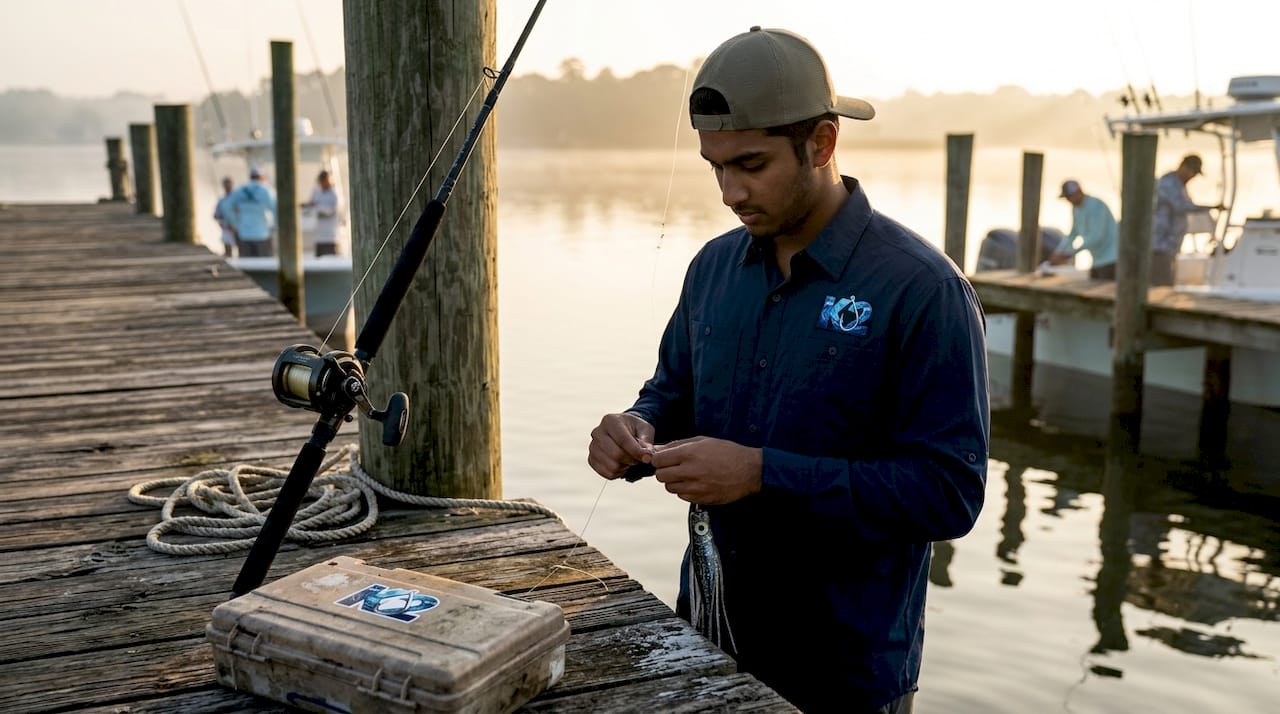
Beyond knots, reading the water matters more than most beginners expect. Offshore success comes from watching bait behavior and seabird activity, not from knowing a secret GPS coordinate. Birds diving on a patch of water mean baitfish are being pushed up from below. That’s a marlin or tuna situation. Learning to read those signals is a skill that experienced community members will respect immediately.
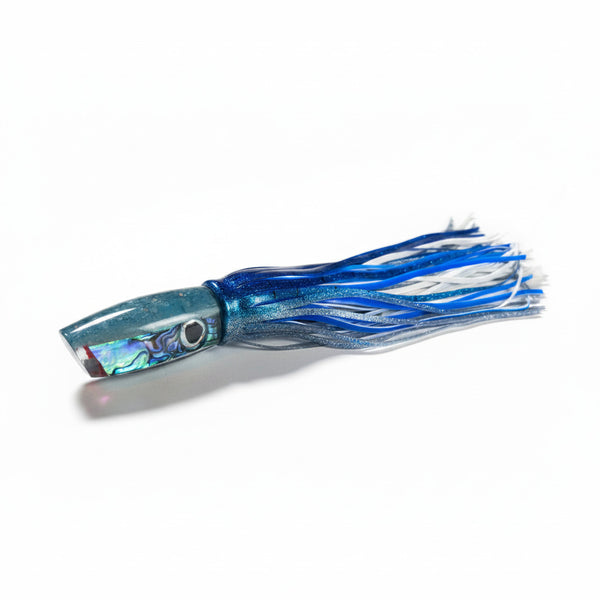
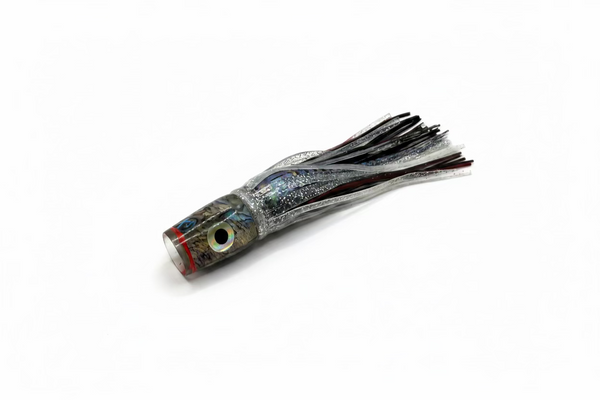
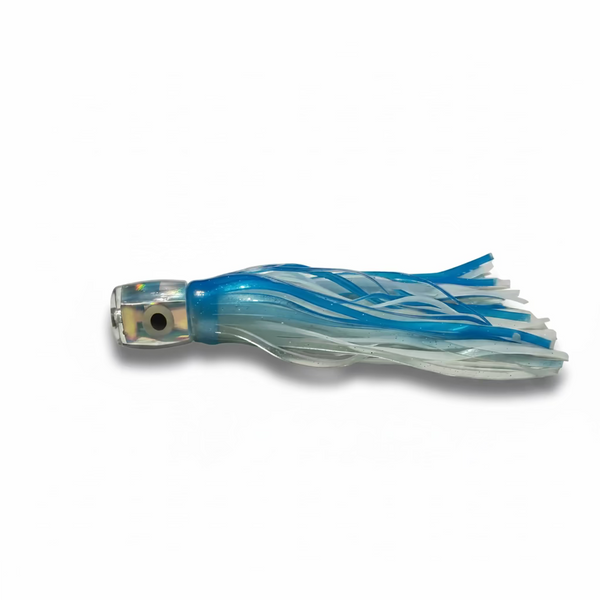
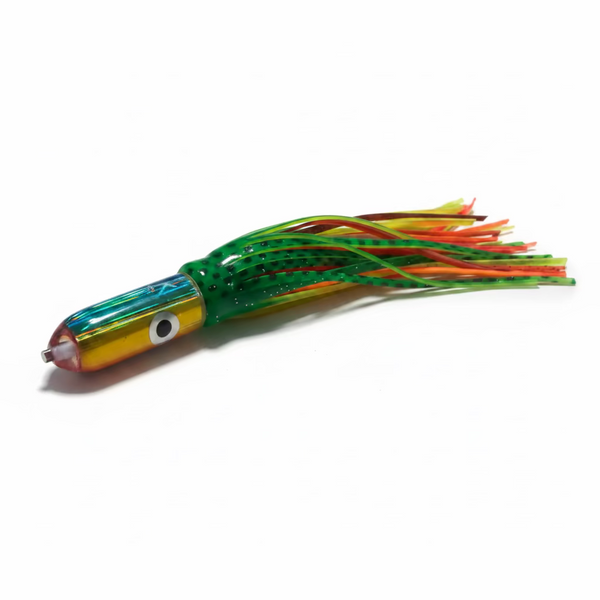
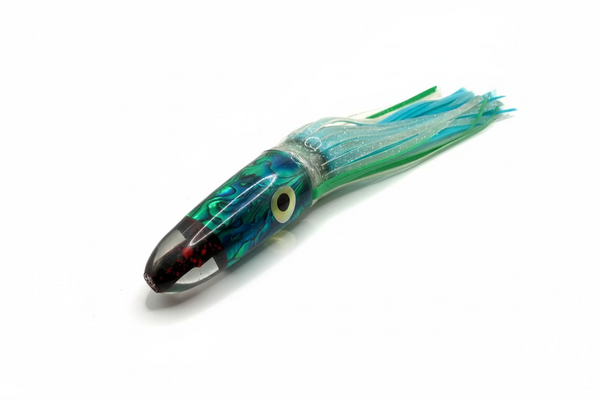
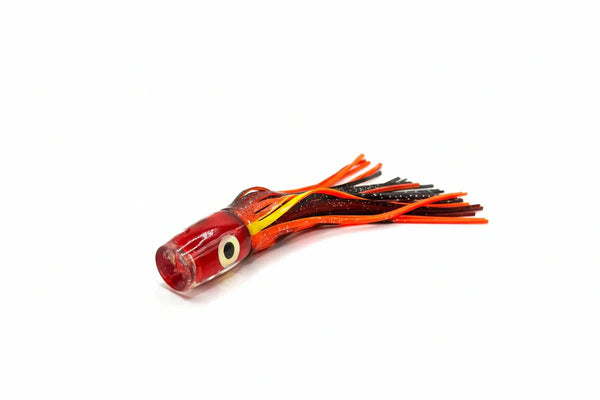
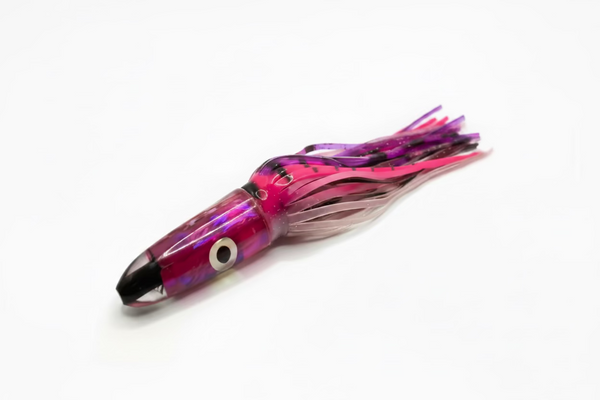
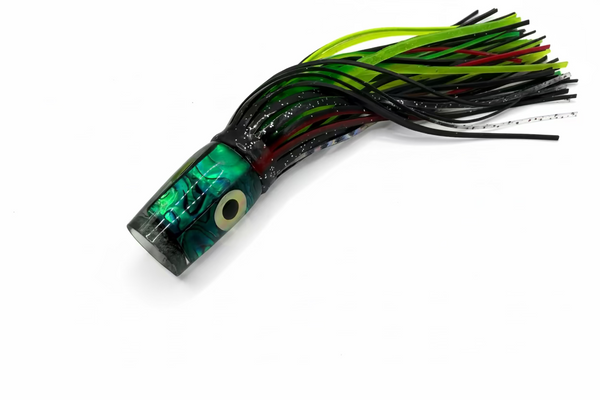
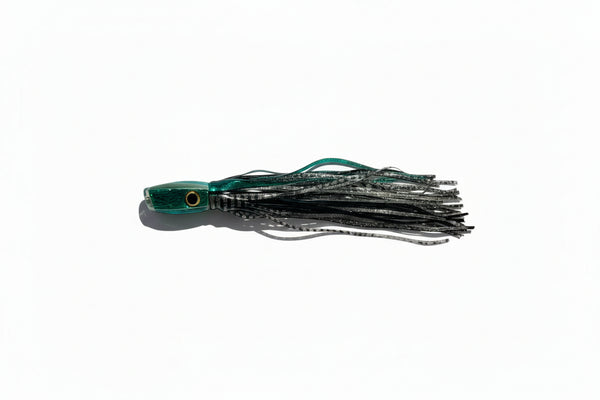
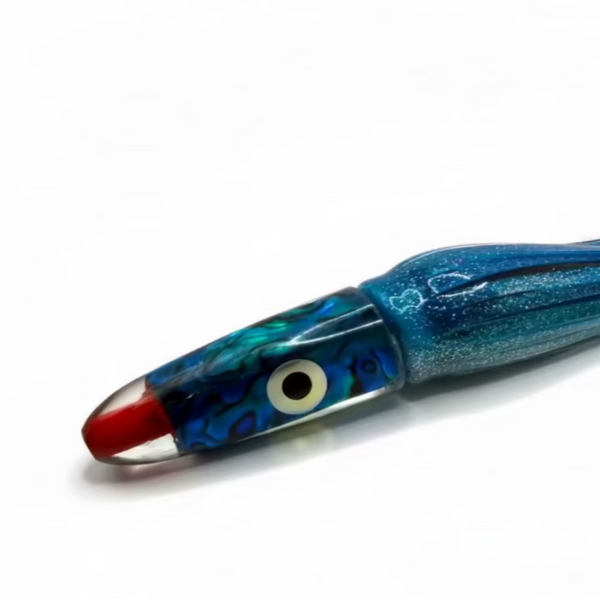
For gear, your community will guide you on specifics, but a few items are non-negotiable. A quality rod and reel rigged and ready before you board, polarized sunglasses, a hat, sunscreen, and a layer for wind are the basics. If you’re targeting big-game species with a group, trolling lures built for offshore conditions make a real difference. K2fishing’s handcrafted abalone resin lures, including the Blue Abalone Big Eye and the Red Abalone Big Eye, are designed specifically for marlin, tuna, and wahoo. Showing up with quality gear that’s already rigged tells the captain you’ve done your homework.
America’s Boating Club courses are the most accessible formal training option in the US, covering navigation, safety, and equipment handling. For mentorship, the best charter guides treat their role as teachers, not just drivers. A few charter trips with a captain who explains what they’re doing will accelerate your learning faster than months of solo reading.
Pre-trip preparation checklist:
- Practice knot tying until it’s second nature (Palomar, improved clinch, uni-to-uni)
- Complete a boating safety or navigation course
- Rig your rods the night before, not on the boat
- Pack food to share, not just for yourself
- Learn basic outrigger and trolling terminology before your first offshore trip
- Study bait and bird behavior patterns for your target species
For family-friendly gear options as you build your kit, the K2fishing family fishing guide covers what works across experience levels.
How do you get on offshore boats when you don’t own one?
Not having a boat is not the barrier most people think it is. The offshore fishing community runs largely on reciprocity, and a newcomer who shows genuine value gets invited back.
Online forums and platforms like Fishraider, Facebook fishing groups, and Meetup are where “buddy trips” get organized. These are shared-cost trips on private vessels where the boat owner splits fuel and sometimes bait costs with guests. Search for your region plus “offshore fishing buddy trip” and you’ll find active threads. Attending a club seminar or community event in person is often faster, since captains looking for crew tend to announce it there first.
Once you get an invitation, your behavior on that first trip determines everything that follows. Punctuality and self-sufficiency are the two traits captains remember. Be early. Have your gear ready. Offer to pay your share of fuel before the captain brings it up. Bring food to share with the crew.
Pro Tip: Don’t ask for fishing spots on your first trip, or your second. Ask questions about technique, offer to help rig lines, and pay close attention to what the captain does. The spots come after the trust does.
The patience piece is real. Anglers who try to extract information too quickly tend to stop getting calls. The ones who show up consistently, help without being asked, and treat every trip as a learning opportunity end up with more invitations than they can accept.
Strategies for boatless anglers:
- Search Fishraider, Facebook, and Meetup for shared-cost buddy trips in your region
- Attend club seminars and social events to meet captains in person
- Offer to help with pre-trip prep and post-trip cleanup every single time
- Always contribute to fuel costs proactively
- Build relationships over multiple events before asking to join a trip
How do seasons and location shape offshore fishing communities in the US?
Offshore fishing in the US shifts dramatically by region and time of year, and the communities built around it shift with it. Understanding these patterns helps you find the right group at the right time.
Along the Gulf Coast, spring through early fall is peak season. Venice, Louisiana draws serious tuna and yellowfin anglers from february through june, while Florida’s Gulf side runs strong for grouper and amberjack most of the year. The Atlantic coast of Florida heats up for sailfish in the winter months, particularly december through february off Palm Beach and Miami. The mid-Atlantic states, including Virginia and the Carolinas, see their best offshore action for tuna and mahi-mahi from late spring through october.
The Pacific coast runs differently. Albacore tuna move into Oregon and Washington waters in summer, typically july through september. Southern California’s offshore grounds produce yellowtail and bluefin tuna from spring through fall, with the bluefin bite sometimes extending into december. The Pacific Northwest community is tighter-knit and more weather-dependent, with trip windows that open and close quickly.
Seasonal variation also shapes what clubs focus on. Many Gulf and Atlantic clubs run their major tournaments in spring and fall, when target species are most active and weather windows are reliable. Joining a club before peak season gives you time to attend meetings, complete any required safety training, and get on a few trips before the competitive season starts. For a detailed breakdown of what runs where and when, K2fishing’s regional offshore season guide maps out the key windows across US coastal regions.
Key Takeaways
Joining an offshore fishing community in the US comes down to finding the right club, showing up prepared, and earning trust through consistent, respectful participation over time.
| Point | Details |
|---|---|
| Start with local resources | Marinas, tackle shops, and platforms like Fishraider connect you to active clubs faster than general searches. |
| Etiquette opens doors | Arriving early, contributing to fuel costs, and staying for cleanup are what get you invited back. |
| Skills before trips | Complete a boating safety course and practice knot tying before your first group offshore trip. |
| Boatless anglers can participate | Shared-cost buddy trips on Fishraider and Facebook groups are a direct path onto offshore boats. |
| Seasons define activity | US offshore communities peak at different times by region, from Gulf Coast spring runs to Pacific albacore in summer. |