

Essential Strategies to Protect Your Fishing Gear
An offshore angler's equipment represents a significant investment in performance, often totaling thousands of dollars in high-caliber rods, reels, and lures. Ensuring this gear arrives at its destination intact is fundamental to the success of any serious fishing expedition. The primary risks during travel are severe impacts from baggage handling, extreme pressure and temperature fluctuations in aircraft cargo holds, and the potential for theft or loss. A professional approach is required to protect your fishing gear from these threats. This guide provides performance-oriented strategies to ensure your offshore equipment protection plan is as robust as the gear itself, guaranteeing it arrives in mission-ready condition.
Fortifying Rods for Transit
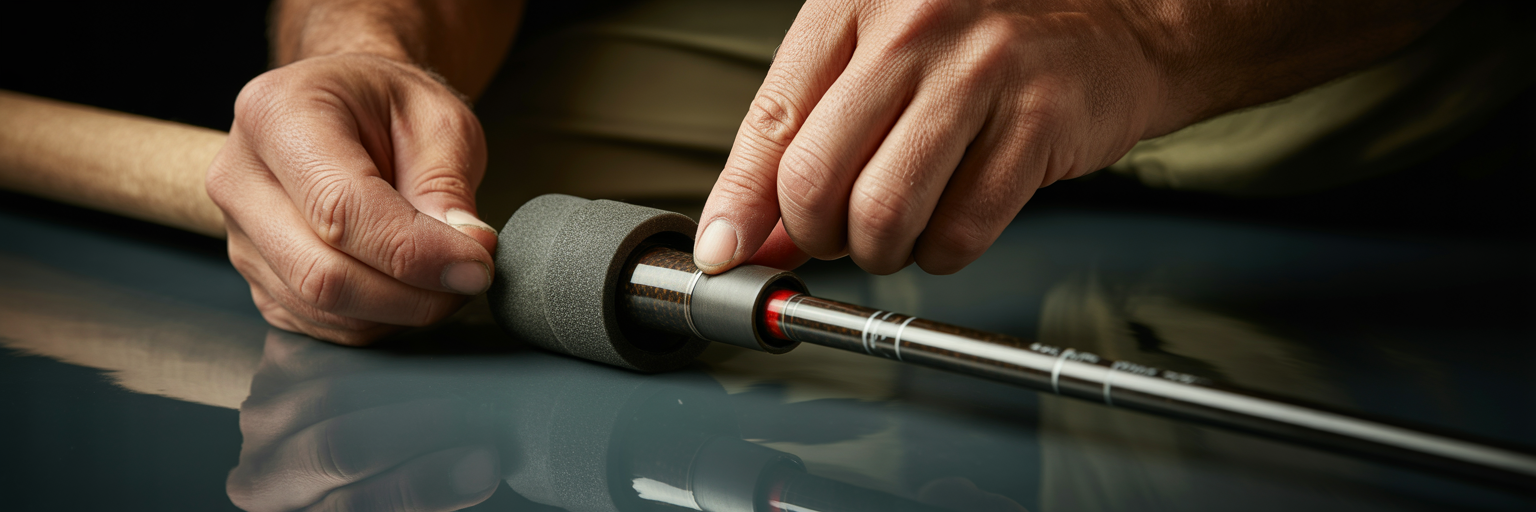
The rod is the backbone of any offshore fishing arsenal, and its protection during transit is non-negotiable. A methodical approach to packing is essential for any angler serious about traveling with fishing rods.
Choosing the Right Rod Case
The selection of a rod case is the first line of defense. A rigid, high-density polyethylene (HDPE) tube is the superior choice for an airline fishing rod tube. Unlike PVC, which can become brittle and shatter in the extreme cold of an aircraft's cargo hold, HDPE maintains its durability and flexibility under pressure and low temperatures. Soft or fabric cases offer insufficient impact resistance and should be avoided for checked baggage entirely.
Correct Packing Methodology
Properly arranging rods within the tube is critical. Rods should always be packed in a tip-to-butt orientation. This configuration distributes potential crush forces along the stronger, thicker butt sections of the blanks, rather than concentrating pressure on vulnerable tips and guides. To further protect the guides, use grooved foam sections, such as those cut from a pool noodle, to isolate each one. This prevents them from knocking against each other, which can cause microscopic scoring that compromises line integrity and leads to failure under load.
Preventing Longitudinal Impact
Empty space inside a rod tube allows rods to slide back and forth during handling, creating inertial impacts that can fracture tips and blanks. To eliminate this risk, fill any voids at both ends of the tube with non-compressible materials. Dense foam blocks or tightly rolled clothing are effective at creating a snug fit that prevents any movement. This simple step is one of the most effective ways to prevent catastrophic damage before your trip even begins.
| Material | Impact Resistance | Cold Temperature Performance | Weight |
|---|---|---|---|
| High-Density Polyethylene (HDPE) | Excellent | Remains durable and flexible | Moderate |
| Polyvinyl Chloride (PVC) | Good | Can become brittle and shatter | Heavy |
| Fabric / Soft Case | Poor | Not applicable | Light |
This table provides a performance-based comparison of common rod case materials. HDPE is the superior choice for air travel due to its resilience in the cold temperatures and high-impact environment of an aircraft cargo hold.
Securing Reels and High-Performance Lines
Reels and line demand a protection strategy distinct from that of rods. These high-value, precision instruments should never travel attached to a rod, as this creates a leverage point for impact and exposes delicate components to damage. The professional standard is to transport them in a dedicated, padded fishing reel travel case within your carry-on luggage. This approach not only shields them from the harsh environment of the cargo hold but also secures them against the risk of theft or loss.
Before packing, a critical maintenance step is to back off the star drag completely. Leaving the drag tightened puts continuous pressure on the internal drag washers, causing them to compress. This compression can lead to a loss of smoothness and reliability, compromising performance when fighting a powerful fish. Protecting these valuable assets is as important as selecting the right tools for the job, such as a high-performance lure like our K2Fishing Blue Large Resin Abalone lure. Finally, protect your spooled line from nicks and UV exposure by keeping the reel in its case or using a neoprene reel cover. This ensures your line remains in pristine condition for critical big-game encounters.
Organizing Lures and Terminal Tackle
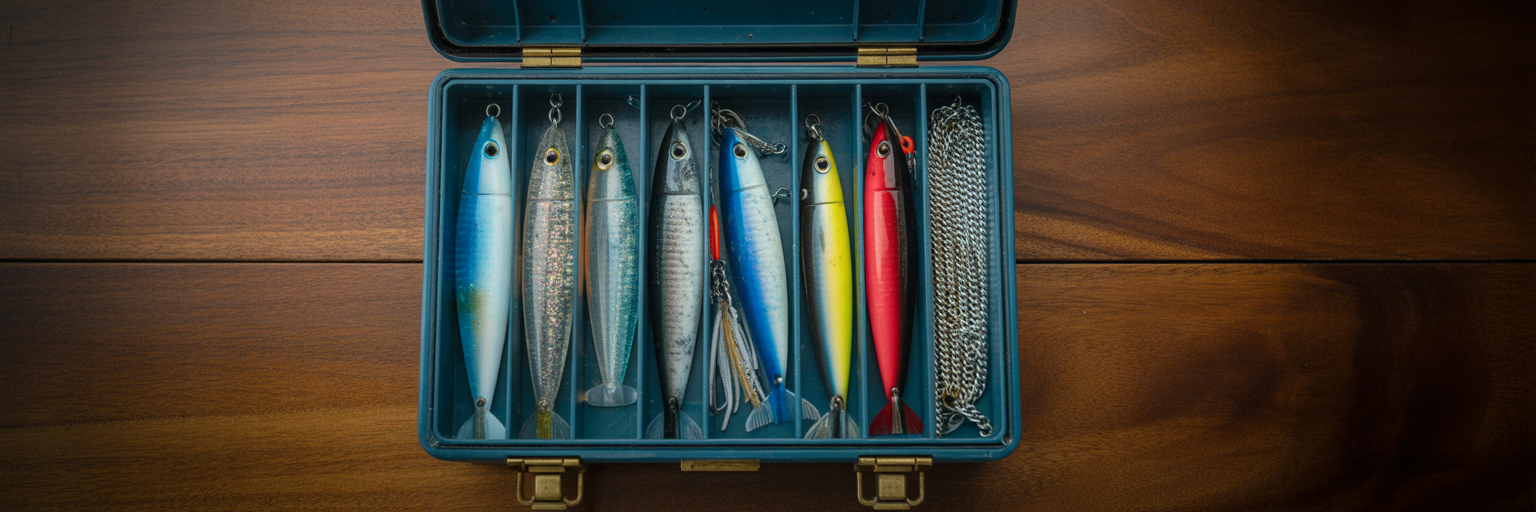
A methodical approach to how to pack fishing lures and terminal tackle prevents damage, maintains organization, and ensures you are ready to fish upon arrival. High-quality trolling lures, especially those with detailed resin heads or natural abalone finishes, are susceptible to chipping and scratching if allowed to knock against each other. These items require individual protection.
Use specialized, high-impact tackle trays with adjustable dividers to keep trolling lures, teasers, and dredges secure. This prevents hooks from tangling or damaging adjacent lures. For a systematic packing process, follow these steps:
- Wrap each lure individually in a soft cloth or a dedicated lure bag to protect its finish and prevent scratches.
- Arrange the wrapped lures in a high-impact tray with dividers to stop movement and impact during transit. Many of the lures in our collection of large resin lures benefit from this level of care.
- Utilize small, compartmentalized boxes for terminal tackle such as hooks, swivels, and crimps. This keeps them sorted, dry, and readily accessible.
- Coil pre-rigged leaders neatly and secure them with a strap or band to prevent tangles that can weaken the monofilament or fluorocarbon.
Navigating Airline and Security Protocols
Beyond physical protection, successfully traveling with fishing gear requires navigating airline and security logistics. Well before your departure date, check the specific policies of your airline for sporting goods. Fees, size restrictions, and weight limits for an airline fishing rod tube vary significantly between carriers, and confirming these details in advance prevents costly surprises at the airport.
For security screenings, use TSA-approved locks on your checked cases. This allows inspectors to open your bags without damaging the locks. Placing a polite, clearly written note on top of your gear requesting careful inspection can also be beneficial. It is essential to distinguish between carry-on and checked items. Reels, electronics, and a small selection of essential lures should remain with you in your carry-on. Rods, most terminal tackle, and any sharp objects must be checked. For a definitive source on permitted items, we recommend consulting the official TSA guidelines directly. For international travel, be prepared to declare your gear in certain countries and research any local restrictions on materials. As detailed in guides like The Ultimate Packing Guide for Group Adventures Abroad, a well-planned strategy is key. If you have questions about international shipping for gear purchases, please visit our contact page for more information.
Final Pre-Trip Gear Protection Checklist
This checklist summarizes the essential actions for ensuring your gear arrives safely and ready for action. Diligent preparation is the hallmark of a serious angler and the foundation of a successful trip.
- Rods packed tip-to-butt in a secured HDPE tube.
- Tube ends padded to prevent all longitudinal movement.
- Rod guides isolated with grooved foam to prevent scoring.
- Reels removed from rods and packed in padded cases within carry-on luggage.
- Reel drags completely loosened to protect internal washers.
- Lures and terminal tackle secured in dedicated trays and individual bags.
- Airline policies and fees for sporting goods confirmed in advance.
Executing these offshore fishing gear protection measures ensures your investment is secure and your equipment performs as designed. To see a full range of high-performance gear that warrants this level of protection, we invite you to browse all our collections at K2Fishing.com.









