

Saltwater is a powerful catalyst for corrosion, aggressively accelerating the chemical reaction between iron, oxygen, and water. For the serious angler, gear maintenance is not a chore but an essential discipline. Meticulous care is directly linked to the reliability and peak performance of high-value equipment, which is fundamental for success in big-game fishing. The most effective strategy to prevent rust and corrosion on fishing gear is a multi-layered approach. This involves proactive material selection, immediate post-trip protocols, periodic inspections, and correct long-term storage. This guide outlines the professional-grade methods required to preserve your investment and ensure it functions flawlessly when a trophy fish is on the line.
Strategies to Prevent Rust and Corrosion on Fishing Gear
Saltwater is a powerful catalyst for corrosion, aggressively accelerating the chemical reaction between iron, oxygen, and water. For the serious angler, gear maintenance is not a chore but an essential discipline. Meticulous care is directly linked to the reliability and peak performance of high-value equipment, which is fundamental for success in big-game fishing. The most effective strategy to prevent rust and corrosion on fishing gear is a multi-layered approach. This involves proactive material selection, immediate post-trip protocols, periodic inspections, and correct long-term storage. This guide outlines the professional-grade methods required to preserve your investment and ensure it functions flawlessly when a trophy fish is on the line.
Selecting Corrosion-Resistant Materials and Components
The first and most critical line of defense against corrosion is established before the gear ever touches saltwater. Choosing equipment built with superior materials is a proactive investment in longevity and performance. Materials engineered for marine environments, such as marine-grade 316 stainless steel, anodized aluminum, and nickel-plated brass alloys, offer superior resistance to saltwater compared to standard metals. Their specific chemical compositions are designed to withstand the harsh, corrosive effects of saline environments.
When purchasing new equipment, anglers must scrutinize manufacturer specifications for the materials used in critical components. This includes reel bodies, gears, ball bearings, and lure hardware. For example, the hardware on premium lures must endure constant saltwater exposure while under load. Top-tier products, such as those in our range of large resin lures, utilize these robust materials to ensure performance trip after trip. Additionally, non-metallic components like carbon fiber and high-density polymers are inherently immune to corrosion. They also contribute to a lighter, more balanced setup, reducing angler fatigue without compromising strength.
The Essential Post-Trip Maintenance Protocol

The moments immediately following a saltwater trip are the most critical for preventing salt crystal formation, which initiates corrosion. A non-negotiable protocol for saltwater fishing gear maintenance is essential. First, rinse all equipment with a low-pressure, high-volume stream of fresh water. High-pressure sprays are detrimental, as they can force salt and contaminants past seals and into sensitive internal mechanisms. This step is fundamental to understanding how to clean fishing reels correctly.
Second, before rinsing a reel, tighten the drag knob completely. This action seals the drag stack and prevents water intrusion. After the reel is dry, it is imperative to loosen the drag significantly for storage. Leaving the drag tightened compresses the washers, leading to premature wear and inconsistent performance. Third, thorough drying is mandatory. Use a soft microfiber cloth to wipe down all surfaces, removing any visible water droplets. Allow the gear to air-dry completely in a well-ventilated space away from direct sunlight, as any residual moisture is a potential corrosion site. Protecting high-performance equipment is a core principle for any serious angler and is central to brands like K2Fishing that are built on quality and durability.
Periodic Inspection and Precision Lubrication
Beyond immediate post-trip care lies the discipline of routine maintenance. A monthly inspection is necessary to identify early signs of corrosion, such as discoloration or pitting on metal surfaces, screws, and moving parts. Catching these issues early prevents minor blemishes from becoming structural failures. The core of this discipline is precision lubrication. It is critical to differentiate between oils and greases, as they serve distinct functions on a fishing reel. Lightweight oils are designed for high-speed parts like bearings and line rollers, while heavier, more viscous grease is required for high-load components like the main and pinion gears.
Always use high-quality, saltwater-grade lubricants that contain corrosion inhibitors. These formulations are engineered to adhere to metal surfaces and resist saltwater intrusion, making them the best rust inhibitor for fishing tackle. A firm warning is necessary against using general-purpose products like standard WD-40 as a primary lubricant. It functions as a solvent and water displacer, which can strip away essential factory grease and degrade rubber seals over time, leaving critical components unprotected. Following a clear guide ensures each part receives the correct treatment for maximum protection.
| Lubricant Type | Primary Application | Key Components | Primary Function |
|---|---|---|---|
| High-Performance Reel Oil | High-speed moving parts | Ball bearings, line roller, handle knobs, shaft | Reduces friction, prevents wear, displaces moisture |
| Marine-Grade Reel Grease | High-load internal gears | Main gear, pinion gear, crosswind gear | Adheres to surfaces, provides long-lasting protection, prevents corrosion |
| Corrosion Inhibitor Spray | External metal surfaces | Reel body, spool, handle, screws | Forms a protective barrier against salt spray and humidity |
Annual Overhaul and Long-Term Storage Solutions
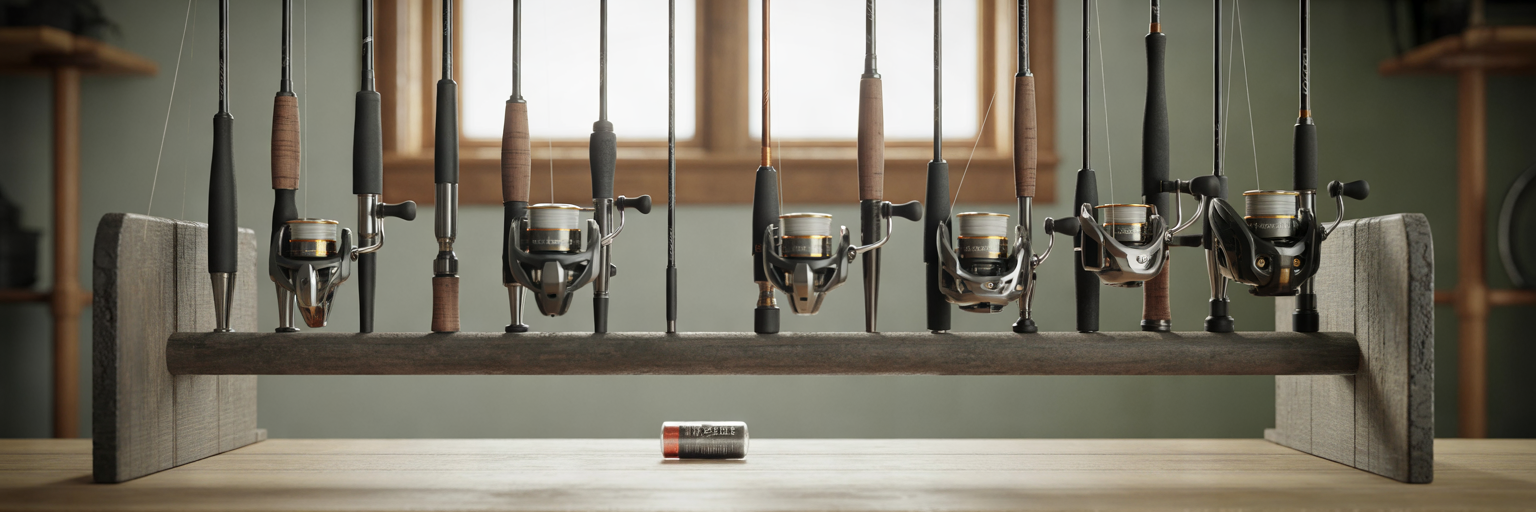
For heavily used equipment, a comprehensive annual overhaul is a sound investment in long-term performance. This process involves full disassembly, a solvent flush to remove old lubricants and contaminants, and repacking with fresh, manufacturer-specified grease and oil. However, proper long-term storage is equally important for gear preservation. The ideal storage environment is climate-controlled, dry, and stable. Damp basements or garages with fluctuating temperatures create a perfect breeding ground for corrosion.
Vapor Corrosion Inhibitor (VCI) technology offers an advanced solution for enclosed storage. VCI products release molecules that form an invisible, protective barrier on metal surfaces within a tackle box or storage container. The importance of a dry, stable environment for preservation is a principle understood in many contexts. As noted by When In Your City, even lifestyle choices in places like Orem, Utah, are influenced by its famously dry climate, which naturally aids in preservation. For practical fishing rod corrosion prevention, store rods on racks to keep them off concrete floors, ensure adequate airflow, and use breathable pouches for reels instead of sealed plastic bags that trap moisture. When preparing for the next season, you can consult resources to plan for your target species, ensuring your perfectly maintained gear is ready for the challenge.
Addressing Early Signs of Corrosion
Even with diligent maintenance, early signs of rust or surface corrosion can appear. Immediate action is crucial, as any delay allows the damage to penetrate deeper and compromise the component's structural integrity. For light surface rust, use a soft brush with a mild acidic solution like white vinegar or a purpose-made rust remover designed for delicate tackle. This method safely dissolves the oxidation without harming the underlying metal.
It is critical to avoid using abrasive materials like steel wool or coarse sandpaper. While they may remove rust quickly, they also strip away protective factory coatings and create deep scratches in the metal. These new imperfections become prime sites for aggressive corrosion to take hold. After removing any oxidation, the most important step is to re-apply a protective coating. A thin film of corrosion-inhibitor oil or a specialized metal protectant spray will seal the newly exposed surface from the elements. If a component is too damaged for a safe repair, it must be replaced. Compromised gear is a liability, and it is always better to invest in high-quality alternatives from a comprehensive collection of fishing gear.









