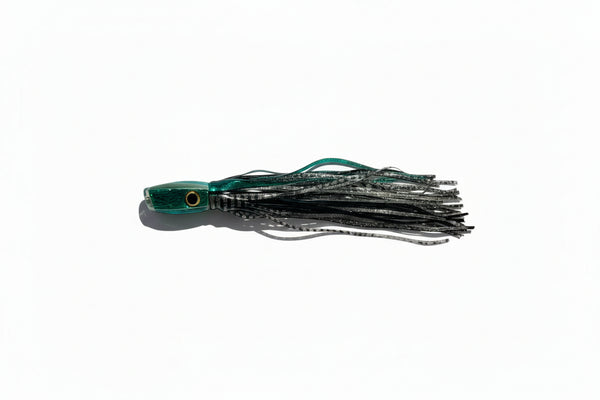
A single offshore trip exposes your tackle to an environment designed to degrade metal and compromise performance. For the serious angler, consistent fishing lure maintenance is not an optional chore; it is a fundamental discipline. Protecting your investment in high-performance lures ensures they remain effective season after season, ready to perform when a trophy fish is on the line. This guide outlines the essential protocols for preserving the integrity and action of your gear.
Post-Trip Protocols to Extend the Life of Your Fishing Lures
The moments immediately following a trip are the most critical for preventing long-term damage. Saltwater is relentlessly corrosive, and delaying maintenance allows oxidation to begin its destructive work. The first line of defense is a disciplined, immediate post-trip routine.
The foundational step is a thorough freshwater rinse. This is the most effective way to understand how to clean fishing lures and halt corrosion before it starts. Meticulously spray down each lure, paying close attention to hooks, split rings, wire leaders, and any crevices where salt can crystallize. This simple action neutralizes and removes corrosive deposits that would otherwise begin eating away at metal components.
Once rinsed, proper drying is paramount. Storing damp lures in a sealed tackle box creates a high-humidity micro-environment that accelerates rust, even on high-grade stainless steel. This trapped moisture can also damage lure finishes and cause skirts to degrade. To prevent this, air-dry lures completely on a towel or hang them in a well-ventilated area. It is crucial to avoid high heat from sources like a hairdryer or direct sunlight, as this can warp resin heads, crack epoxy coatings, or damage soft plastic skirts.
Finally, adopt the professional discipline of isolating used tackle. Keep lures that have been in the water separate from your main collection until they are fully cleaned and dried. This prevents any residual salt or moisture from contaminating pristine gear, thereby protecting your entire investment from cross-contamination.
Optimizing Lure Storage for Longevity

Effective storage is more than organization; it is a strategic approach to gear preservation. While post-trip cleaning removes immediate threats, your long-term storage environment determines the condition of your lures between trips. The goal is to create a stable, dry, and protective space that actively combats degradation.
Ventilation is a key principle. Standard airtight plastic containers are counterproductive, as they trap ambient humidity and undermine your drying efforts. Instead, use ventilated tackle boxes or specialized lure bags that promote air circulation. This helps any residual moisture escape, creating a less hospitable environment for rust. These are essential tackle box organization tips for any serious angler.
For an even higher level of protection, incorporate active humidity control. Placing desiccant packs, such as silica gel, or Vapor Corrosion Inhibitor (VCI) strips inside your tackle box provides a powerful defense. These products actively absorb moisture from the enclosed air, maintaining a dry environment that significantly slows the process of oxidation.
Chemical reactions are another storage hazard, particularly when storing soft plastic baits. Different plastisol formulas can react when in direct contact, causing them to deform or "melt" into a useless state. To prevent this, always store soft plastics in their original packaging or in tackle trays with dedicated, separate compartments.
Finally, view organization as a protective measure. Using slotted foam inserts or individual lure wraps prevents high-value trolling lures from colliding during transport or storage. This simple practice protects against chipped paint, cracked resin heads, and dulled hook points, preserving both the function and finish of your gear.
| Factor | Sub-Optimal Storage | Professional-Grade Storage |
|---|---|---|
| Container Type | Airtight, non-specialized plastic box | Ventilated tackle box or breathable lure bag |
| Humidity Control | Traps ambient moisture, accelerating rust | Uses silica gel packs or VCI strips to absorb moisture |
| Lure Protection | Lures bang together, causing chips and scratches | Individual slots, wraps, or foam inserts prevent contact |
| Soft Plastic Care | Different types mixed, causing chemical melting | Stored in original packaging or separate compartments |
This table illustrates how strategic storage choices directly impact lure longevity. The professional-grade approach focuses on controlling the environment and preventing physical damage.
Hardware Inspection and Restoration
Proactive maintenance of metal components is what separates a prepared angler from one who risks gear failure. This process moves beyond cleaning and storage into a disciplined cycle of inspection, restoration, and replacement. A proactive inspection schedule is the cornerstone of preventing lure rust and ensuring every component can withstand the force of a big-game strike.
Establish a routine of inspecting all hardware, including hooks, split rings, swivels, and leaders. Look for any signs of rust, pitting, or metal fatigue. Light surface rust can often be addressed, but pitting is a clear indicator of compromised structural integrity. A pitted hook or split ring has lost strength and must be replaced without question. It is not worth losing a trophy fish to a component that has been weakened by corrosion. This is a critical point for any serious angler targeting specific species.
Finding specific metallurgical analyses on this topic can be challenging. For instance, a search for technical guides can yield unhelpful results, with one database returning the note: 'No backlinks in the provided database are relevant to fishing lure maintenance or offshore fishing tackle. The first backlink set is about iPhone cases and luxury accessories, the second about at-home recovery and therapy, and the third about digital services for Australian businesses. None match the fishing or lure care topic.' This highlights the need for anglers to rely on proven best practices.
For components with only light surface rust, restoration is possible. As noted in guides for handmade lures, soaking components in white vinegar for 30 to 60 minutes can effectively dissolve the oxidation. Following the soak, it is imperative to rinse the hardware thoroughly with fresh water to neutralize the acid and then dry it completely.
Finally, never neglect hook sharpness. A sharp hook is non-negotiable for a solid hookset. Regularly check points using the "thumbnail test": a sharp hook will dig in with minimal pressure. Use a quality hook file to maintain a razor-sharp point on all your hooks, ensuring they are always ready to perform.
Material-Specific Lure Care

Effective offshore trolling lure care requires an understanding of the unique properties of different materials. While hardware maintenance is universal, the bodies of your lures demand specific attention to preserve their action and appearance. High-performance lures are crafted from a variety of materials, each with its own care requirements.
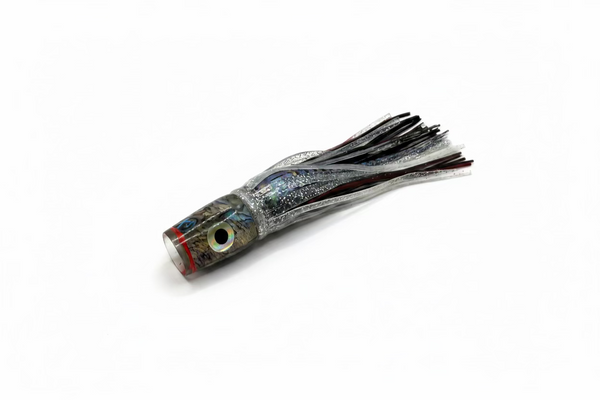
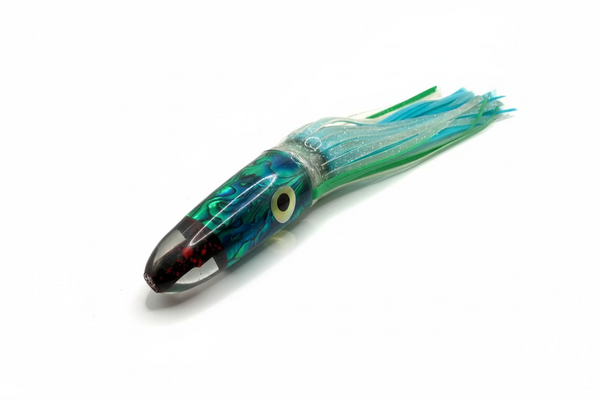
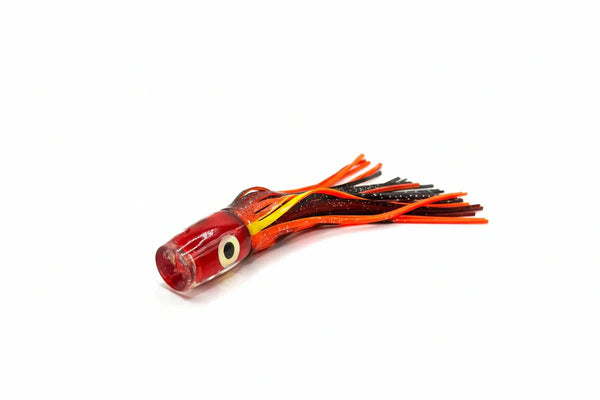
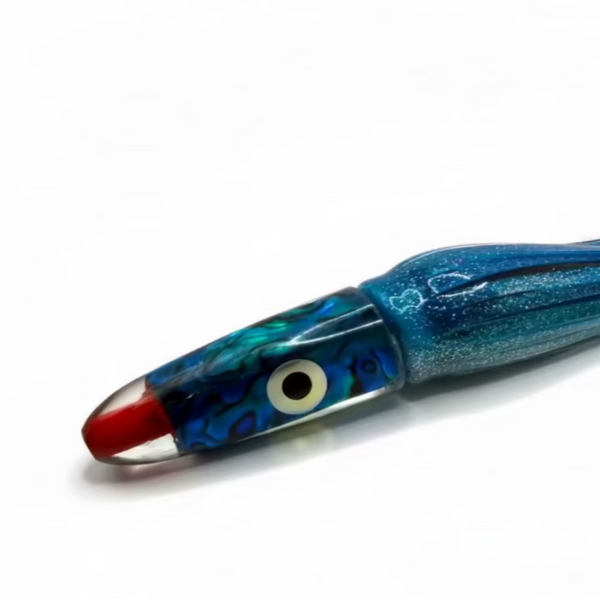
For resin and abalone lures, the focus is on protecting the finish. While the resin itself is highly durable, the surface can be scratched or chipped by collisions with other hard items in a tackle box. Prolonged exposure to extreme heat, such as being left on a vehicle’s dashboard, can also potentially affect the epoxy. This level of attention is warranted by the craftsmanship behind our large resin lures.
Wooden lures are particularly vulnerable to water intrusion. Any crack or chip in the sealant creates an entry point for moisture. Once water penetrates, the wood can swell, ruining the lure’s engineered action and leading to internal rot. Periodically inspect the clear coat, paying close attention to high-stress areas like the line tie and hook hangers.
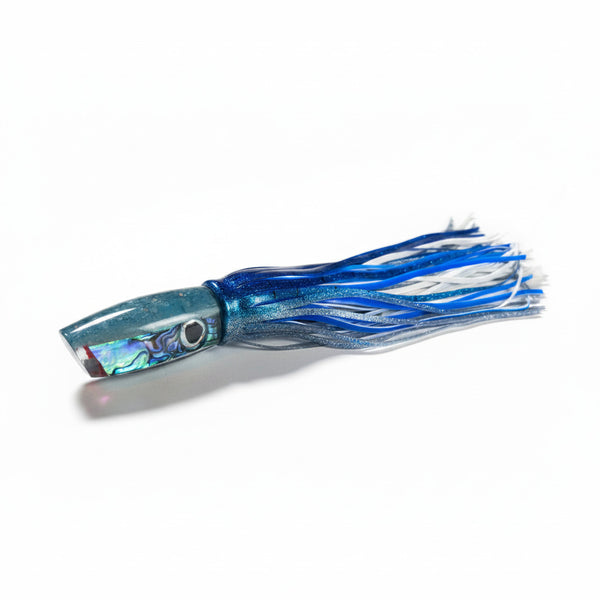
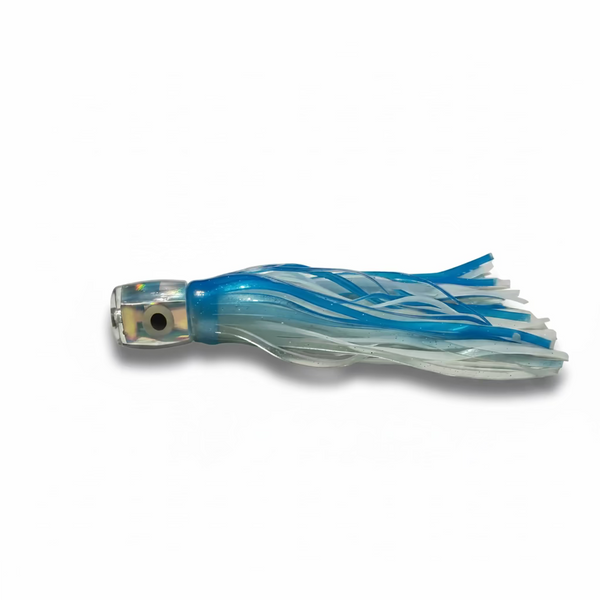
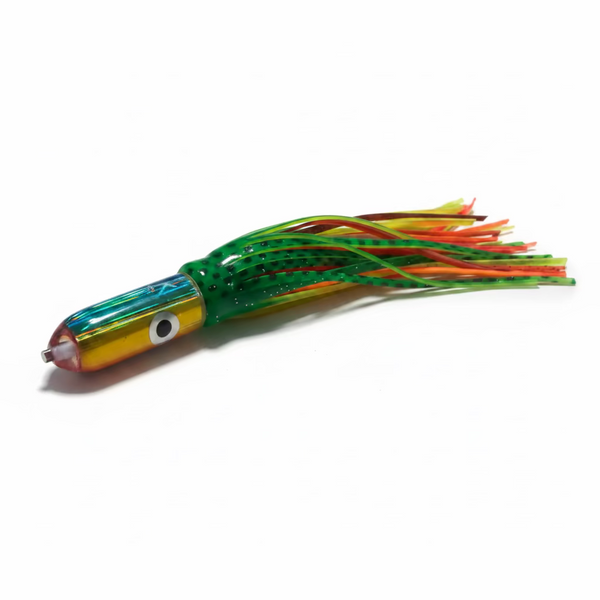
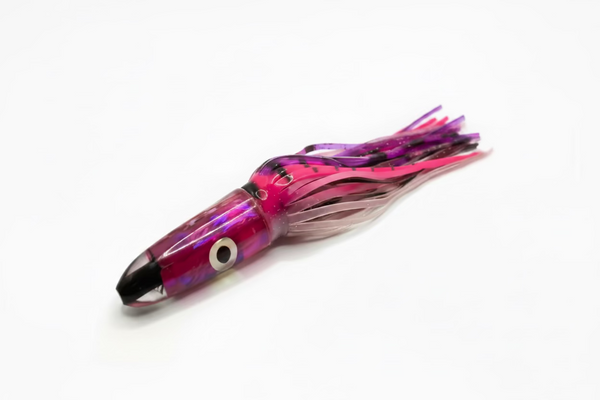
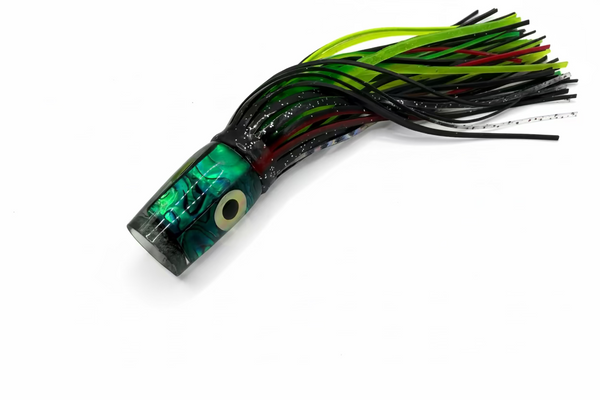
With skirted trolling lures, the skirts often show wear first. After each use, rinse skirts thoroughly and hang them to dry, ensuring the strands do not stick together or degrade. Replacing worn or damaged skirts is a cost-effective method to restore a lure’s visual appeal and hydrodynamic action. A premium lure like our Blue Large Resin Abalone lure deserves this level of attention to perform as designed.
For all-metal lures, teasers, and dredges, the primary defense remains a thorough freshwater rinse and complete drying. For an additional layer of protection, apply a very light coat of a marine-grade corrosion inhibitor or silicone lubricant. This creates a barrier that repels moisture and further slows oxidation.
A Proactive Strategy for Gear Preservation
Ultimately, lure maintenance is not a reaction to a problem but a proactive strategy that defines a serious angler. It is an investment in performance, reliability, and success on the water. Adopting this mindset ensures your gear is always in peak condition.
Before every trip, conduct a final pre-trip check of the lures you plan to deploy. Verify hook sharpness, split ring integrity, and leader condition. This last-minute inspection prevents avoidable failures when time and opportunity are limited.
To streamline this process, assemble a dedicated kit for lure upkeep. This kit should contain the essential tools for on-the-spot adjustments and post-trip maintenance:
- High-quality split ring pliers
- A diamond hook file or sharpener
- An assortment of spare hooks and split rings
- A small bottle of corrosion inhibitor or marine lubricant
Consistent fishing lure maintenance preserves the value and function of your equipment. Well-maintained gear performs as it was designed, lasts longer, and directly contributes to your success. Protecting your investment ensures every piece in your collection is ready for action, from a single lure to your entire arsenal.