Lure depth is the single most important variable in fishing success, outranking color, action, and lure profile in its effect on catch rates. Fish hold within narrow vertical zones and rarely move far to chase a lure outside that window. A 2-foot depth deviation can be the difference between a full cooler and a blank trip. Understanding how lure depth affects catch rates gives you a repeatable edge that no amount of lure swapping can replace. This guide covers the science, the hierarchy, the techniques, and the species-specific nuances you need to fish the right depth every time.
How lure depth affects catch rates and fish behavior
Fish do not cruise open water waiting for any lure to pass by. They hold within very narrow vertical strike zones, and a lure outside that zone gets ignored regardless of how realistic or attractive it looks. This is the core reason why depth precision matters more than any other lure attribute.
The strike zone for most species spans only a few feet vertically. When your lure runs outside that band, fish see it but do not react. Their predatory instinct is triggered by proximity, not just presence. A lure two feet too deep or two feet too shallow reads as irrelevant to a fish locked onto a specific thermal layer or structure edge.
Research backs this up with hard numbers. Studies show a 65% increase in catch rate when anglers use lures with precise depth control compared to standard tackle under identical conditions. That gap does not come from color or action. It comes from putting the lure where the fish actually are.
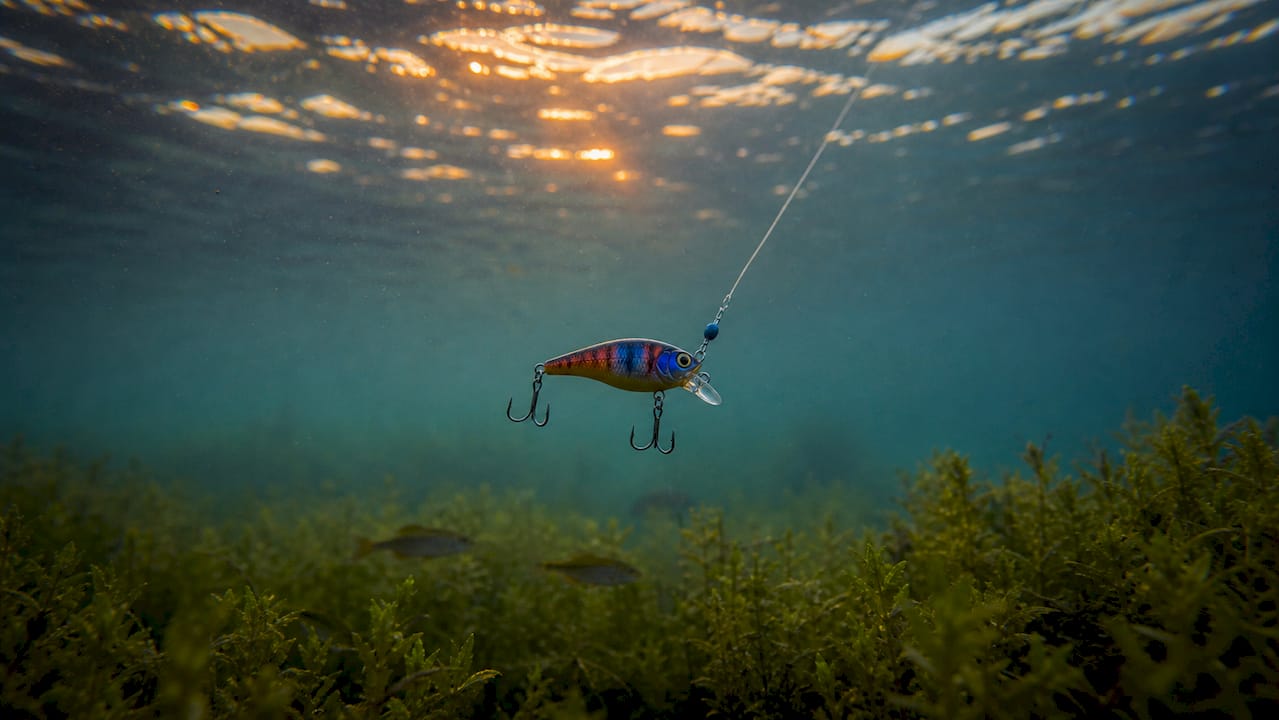
Fish behavior also changes with depth. Tight, dense schools on sonar indicate active feeders who respond quickly to a properly positioned lure. Scattered, loosely grouped fish are neutral or inactive and require even more precise depth placement to trigger a strike. Reading school density alongside depth gives you a two-variable picture that most anglers miss.
Key depth factors that drive strike rates:
- Thermal layers: Fish stack along thermoclines where oxygen and temperature meet their comfort range.
- Structure contact: Lures that touch underwater structure trigger neutral fish that ignore lures passing above.
- Light penetration: Deeper water filters light, shifting where fish position themselves throughout the day.
- Baitfish depth: Predators track forage. If baitfish are at 18 feet, predators are rarely at 30 feet.
Why depth comes before color, profile, or action
The correct lure selection hierarchy is depth zone first, then profile, then color, then action. Most anglers reverse this order and spend hours swapping colors while fishing the wrong depth entirely. That is the most common and most costly mistake in lure fishing.
Here is why the hierarchy works the way it does:
- Depth zone: Fish must physically encounter the lure. No other variable matters if the lure never enters the strike zone.
- Profile: Once at the right depth, the lure’s size and silhouette must match what fish are already feeding on.
- Color: Color becomes relevant only after depth and profile are correct. Visibility varies by depth and water clarity.
- Action: Retrieve speed and lure movement fine-tune the presentation after the first three factors are dialed in.
Anglers who skip straight to color changes waste time and misread the water. Depth-first adjustments flip “dead water” faster than any lure swap because they address the actual problem. A bite that comes immediately after a depth change confirms the fish were there all along.
Pro Tip: When you go 20 minutes without a bite, move your lure up or down two feet before changing anything else. Give each depth adjustment at least 10 minutes before drawing conclusions.
Changing depth alone often triggers strikes when every other variable stays constant. That result tells you something critical: the fish were present, fed, and willing. They just needed you to find their floor.
Tools and techniques for precise depth control
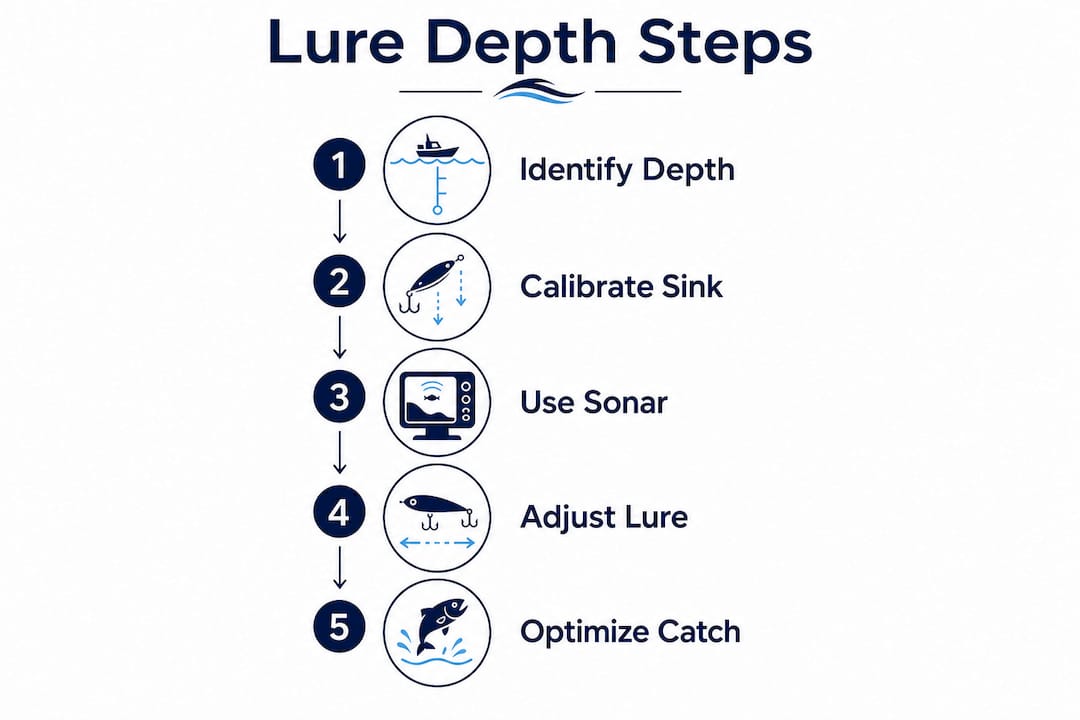
Guessing lure depth is the fastest way to fish unproductively. Calibrating sink rates with timed counts in controlled conditions gives you repeatable, reliable depth placement on every cast.
Sink rate calibration
Drop your lure in clear, still water next to a dock or pier with visible depth markers. Count the seconds it takes to reach each foot of depth. Record those counts for every lure in your kit. That data turns guesswork into a repeatable system. When sonar shows fish at 14 feet, you know exactly how long to count before starting your retrieve.
Sonar use for depth targeting
Sonar is not just a fish finder. It shows you where fish are holding, how they are oriented, and whether they are actively feeding or sitting neutral. Anglers who misread sonar by focusing only on fish presence and ignoring behavior miss the depth cues that matter most. A fish hugging the bottom at 22 feet needs a different presentation than a fish suspended at 15 feet in the same column.
Pro Tip: Set a sonar depth alarm at the layer where you mark the most fish. When you drift off that depth, the alarm tells you before your lure does.
Lure weight and design selection
| Depth zone | Lure type | Weight range |
|---|---|---|
| Surface to 5 feet | Floating crankbait, topwater | Under 0.5 oz |
| 5–15 feet | Suspending jerkbait, mid-runner | 0.5–1 oz |
| 15–30 feet | Deep-diving crankbait, weighted jig | 1–2 oz |
| 30+ feet | Heavy jig, lead-core trolling lure | 2 oz and above |
Lure weight and lip angle determine running depth. A wider, longer bill drives a crankbait deeper. A heavier jig sinks faster and holds depth better in current. Matching lure design to your target depth zone before you hit the water saves time and produces more bites. For offshore trolling lure setup, line diameter, trolling speed, and leader length all interact with lure weight to set the final running depth.
Species-specific depth strategies
Different species hold at different depths for different reasons, and a single depth strategy does not work across the board.
Bass and suspended fish
Bass rarely move downward to feed. They rise to eat baits positioned above their depth far more readily than they descend. The rule is simple: position your lure slightly above the fish, never below. Fishing below a suspended bass almost always produces zero bites. This single adjustment converts more neutral bass than any color change ever will.
Structured bass hold tight to cover at predictable depths. A crankbait that contacts the structure triggers reaction strikes from fish that would ignore a lure passing two feet above. Depth-specific crankbaits designed for the exact depth of the structure outperform general-purpose lures in these situations.
Offshore species: marlin, tuna, and wahoo
Offshore trolling for big-game species like marlin, tuna, and wahoo requires a different depth framework. These fish track baitfish schools that move vertically throughout the day based on light and temperature. Early morning often pushes baitfish and predators shallower. Midday sun drives them deeper.
| Species | Preferred depth zone | Key depth trigger |
|---|---|---|
| Yellowfin tuna | 20–60 feet | Baitfish schools, temperature breaks |
| Wahoo | 40–100 feet | Current edges, thermoclines |
| Blue marlin | Surface to 50 feet | Trolling spread position |
| Mahi-mahi | Surface to 30 feet | Floating debris, weed lines |
Trolling spread position determines depth for offshore lures. Lure position in the spread controls how deep each lure runs relative to the boat’s wake. Short rigger lures run shallower and in more turbulent water. Long rigger and flat line lures run deeper and in calmer water. Matching each position to the target species’ preferred depth zone is the foundation of a productive offshore spread.
Temperature, oxygen, and light effects
Water temperature and dissolved oxygen create invisible walls that fish will not cross. The thermocline, the layer where warm surface water meets cooler deep water, concentrates fish at a predictable depth. In summer, that layer often sits between 20 and 40 feet in most freshwater lakes. Fish stack just above it where oxygen is still adequate and temperature is comfortable. Fishing below the thermocline in summer is almost always unproductive.
Key Takeaways
Lure depth is the primary driver of catch rates because fish strike only within narrow vertical zones, and no other lure attribute compensates for being at the wrong depth.
| Point | Details |
|---|---|
| Depth before color | Adjust lure depth first when bites stop; color and action are secondary variables. |
| Two-foot rule | A two-foot depth error can produce zero bites even with fish present and feeding. |
| Calibrate sink rates | Time your lure’s drop in controlled water to hit target depths reliably on every cast. |
| Position above fish | For most species, lures placed slightly above fish depth produce more strikes than lures below. |
| Read sonar behavior | Use sonar to assess fish behavior and school density, not just fish presence. |
What I’ve learned from fishing the wrong depth for years
I spent the first several years of my fishing life convinced that color was king. I had tackle boxes organized by color family, not depth range. I would stand on the same flat for two hours swapping chartreuse for white for natural shad, wondering why the fish I could see on sonar refused to bite.
The shift happened when I started timing my lure drops. I realized I had been fishing a suspending jerkbait at 8 feet when the fish were consistently marking at 12 feet. The lure never entered their strike zone. Not once. When I switched to a weighted version that hit 12 feet on a four-count, I got bit on the third cast.
What I know now is that sonar misuse is the real problem for most anglers. You look at the screen, see fish at 18 feet, and feel confident. But you are not asking the right question. Are those fish actively feeding or sitting neutral? Are they hugging structure or suspended in open water? Those two scenarios require completely different depth presentations. A tight arch on sonar means an active fish. A flat, horizontal mark means a neutral one that needs the lure placed almost exactly at its level.
The other lesson that took too long to learn: never fish below a bass. I cannot count how many times I dropped a jig past suspended fish and wondered why nothing happened. Fish move up to eat far more willingly than they move down. That one behavioral fact, once internalized, changes how you read every sonar screen. For offshore work, the same principle applies to how currents shift lure placement throughout a trolling run.
Depth is not a setting you choose once and forget. It is a variable you manage continuously, every drift, every pass, every change in light or current. The anglers who treat it that way consistently outfish everyone else on the water.
— Daniel
K2fishing lures built for depth-targeted offshore fishing
Putting the right lure at the right depth offshore requires gear engineered for that purpose, not adapted from it.
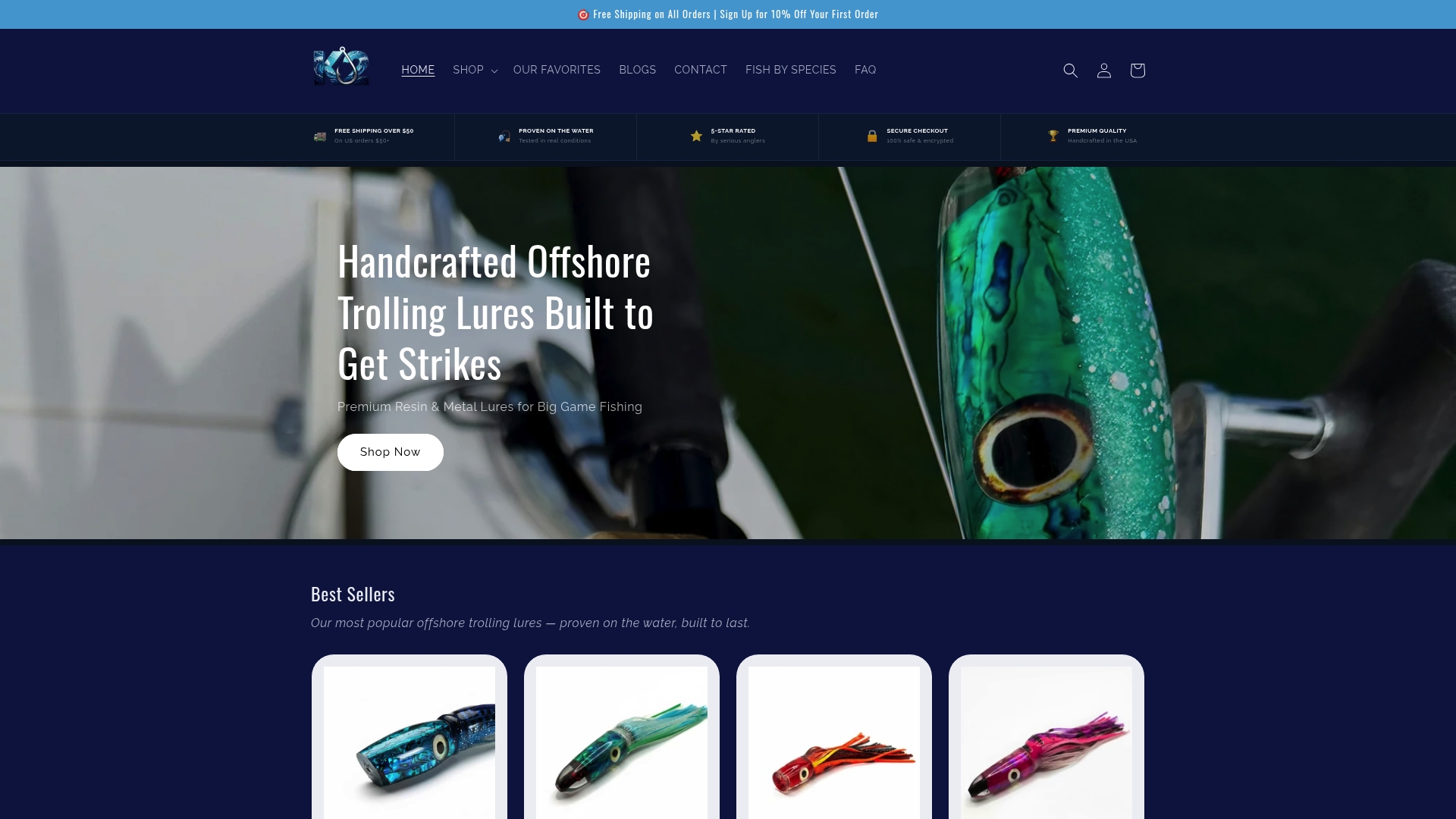
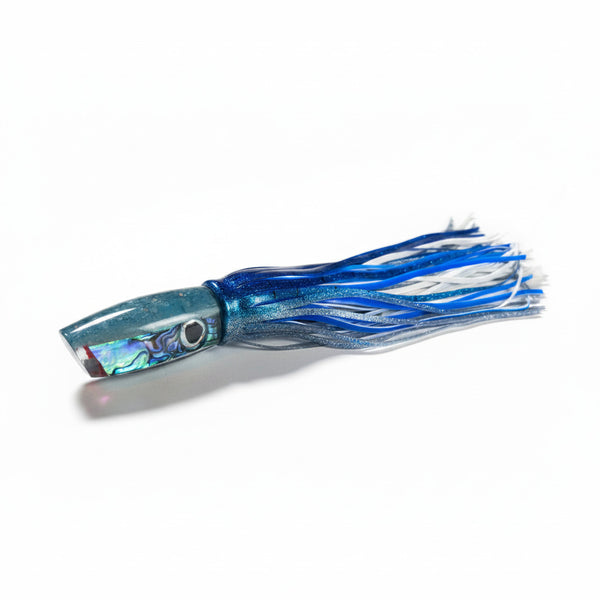
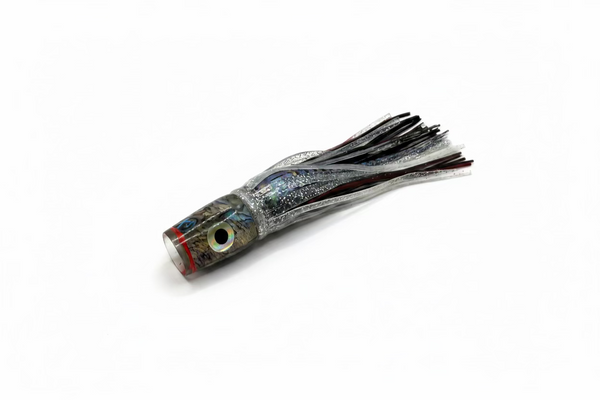
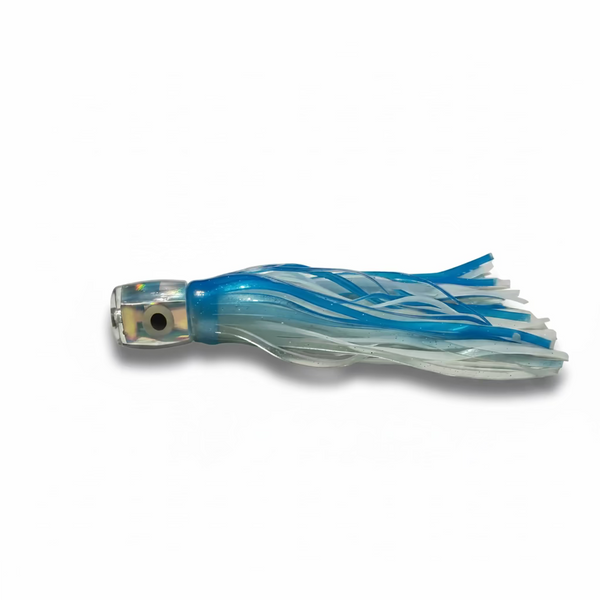
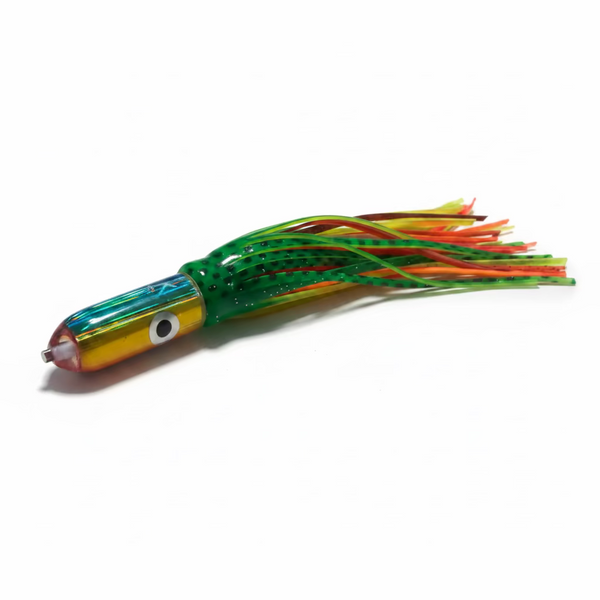
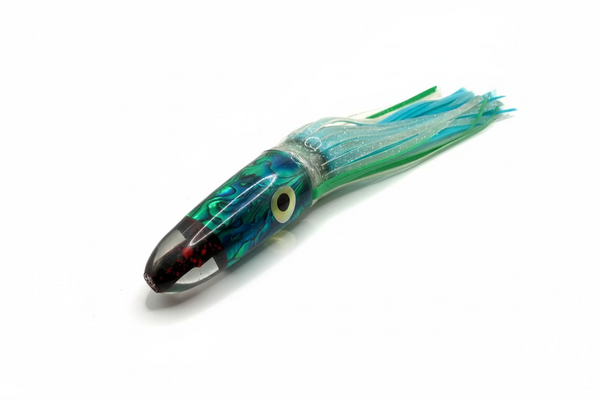
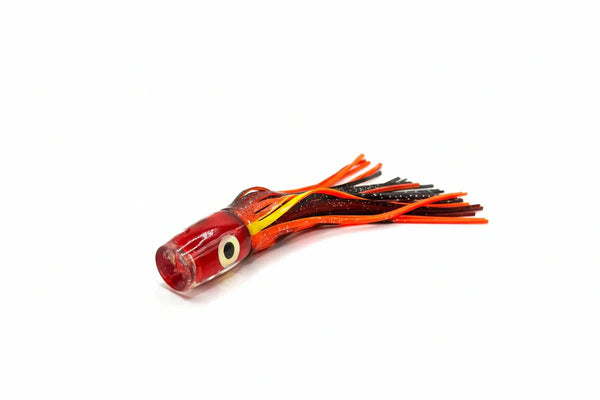
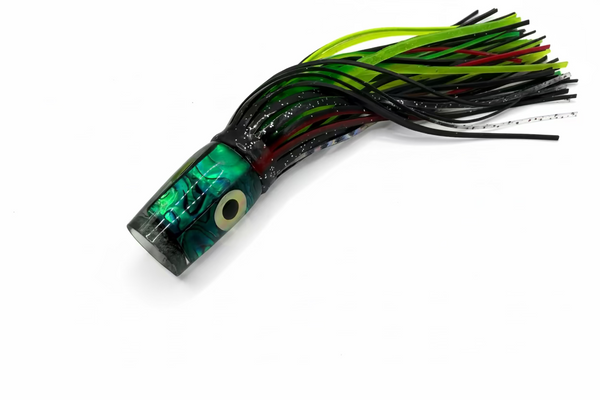
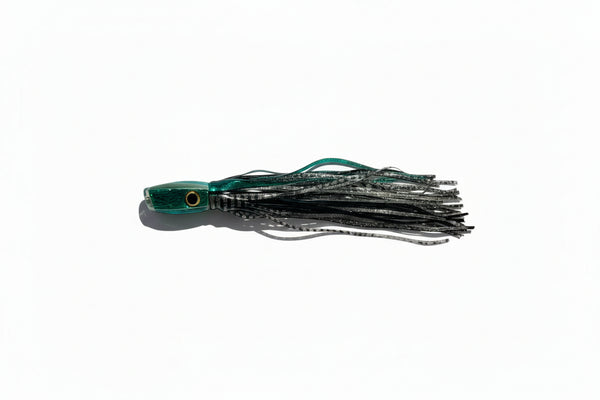
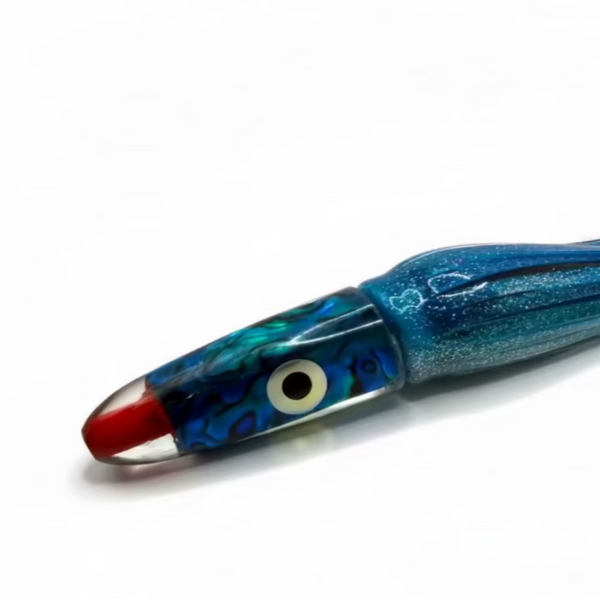
K2fishing handcrafts each trolling lure in the USA using abalone resin, a material that produces exceptional brightness and flash at depth where standard finishes go dull. Every lure is tested in real-world conditions to confirm its running depth and sink rate before it reaches an angler’s spread. The Red Abalone Big Eye lure and the Blue Abalone 15" deep trolling lure are built specifically for anglers who need controlled depth presentation when targeting marlin, tuna, and wahoo. Seasoned anglers consistently rate K2fishing lures five stars for their ability to hold depth and trigger strikes where other lures fail.
FAQ
What is the most important factor in lure fishing success?
Lure depth is the most important factor. Fish hold within narrow vertical strike zones and will not chase a lure positioned outside that window, regardless of color or action.
How much does a small depth change affect catch rates?
A two-foot difference in depth can determine whether you catch fish or go home empty. Even with fish present and feeding, a lure outside their strike zone produces zero bites.
Should I position my lure above or below the fish?
Position your lure slightly above the fish. Bass and most predatory species rise to eat baits above their depth far more readily than they descend to chase lures below them.
How do I find the right lure depth without guessing?
Use sonar to identify the depth where fish are holding, then calibrate your lure’s sink rate using timed drops in controlled water. That combination removes guesswork and lets you hit the target depth on every cast.
When should I adjust lure depth instead of changing lures?
Adjust depth first, every time bites stop. Depth-first adjustments resolve dead water faster than switching lure types or colors because they address the actual reason fish are not biting.