Establishing the Best Trolling Speed for Mahi
While many variables affect a day offshore, from water temperature to tide, speed is the one constant an angler can directly control to influence lure presentation. For serious anglers, understanding this control is fundamental. The universally accepted starting point for the best trolling speed for Mahi is between 6 and 9 knots. This range provides a solid foundation for any professional setup, but true performance is found within a narrower window.
The sweet spot for most applications is between 7 and 8 knots. At this specific velocity, high-performance artificial skirts and properly rigged natural baits achieve their optimal action. The physics are straightforward. This speed allows lures to "breathe" by rhythmically surfacing for air before diving back down, creating the irresistible bubble trail that triggers aggressive strikes. For natural baits like ballyhoo, it is fast enough to appear panicked but slow enough to prevent them from washing out or tumbling unnaturally.
This range is a baseline, not an inflexible rule. The ultimate goal is to perfectly mimic the frantic, desperate movement of fleeing baitfish. This visual and hydrodynamic signature is precisely what activates the predatory instinct in Mahi-Mahi, turning a passive follow into a committed attack. Mastering this baseline is the first step toward consistent success.
Adjusting Speed for Currents and Sea Conditions

Building on that baseline speed requires adapting to environmental factors. A critical distinction for any experienced captain is the difference between "speed over ground" (SOG) shown on a GPS and the far more important "speed through water," which dictates lure action. The two are rarely the same. For example, if you are trolling into a 2-knot current, your SOG might need to be 9 knots to achieve the desired 7-knot lure speed through the water. Ignoring this difference results in a presentation that is either lifeless or chaotic.
Sea conditions demand similar adjustments. In choppy water, slowing down is often necessary to prevent lures from launching out of the water on wave crests, which appears unnatural and can cause tangles. Conversely, on calm, glassy days, you may need to increase your offshore trolling speeds slightly to impart enough action into the spread. As noted in a Keys Weekly fishing column, expert captains consistently emphasize that maintaining the desired relative velocity for the bait is critical. Trolling with the current requires a higher SOG, while trolling in a beam sea demands constant throttle monitoring as the boat rocks. A static throttle setting guarantees an inconsistent and ineffective lure presentation.
Matching Trolling Speed to Your Lure Selection
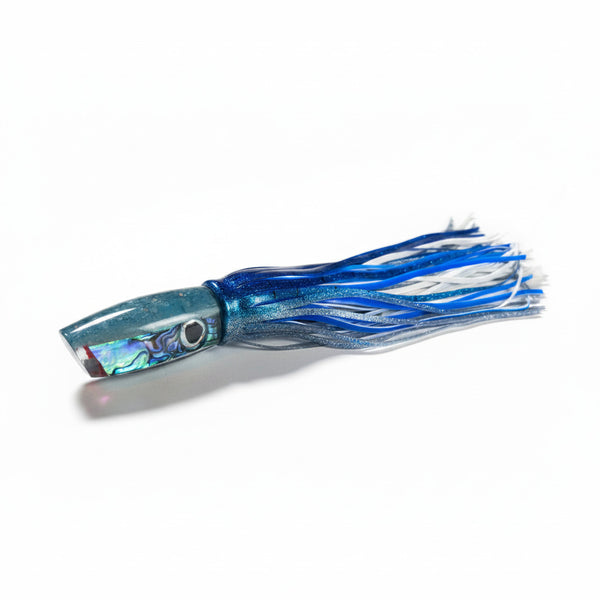
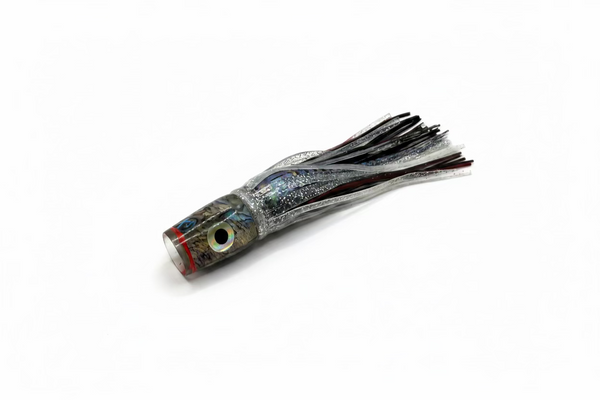
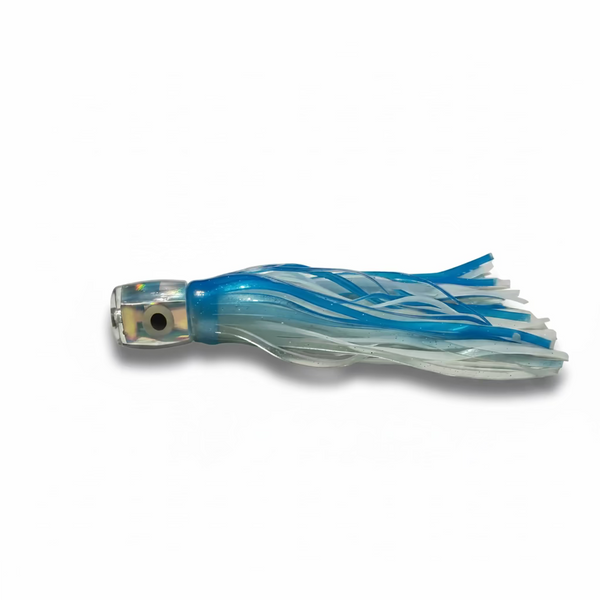
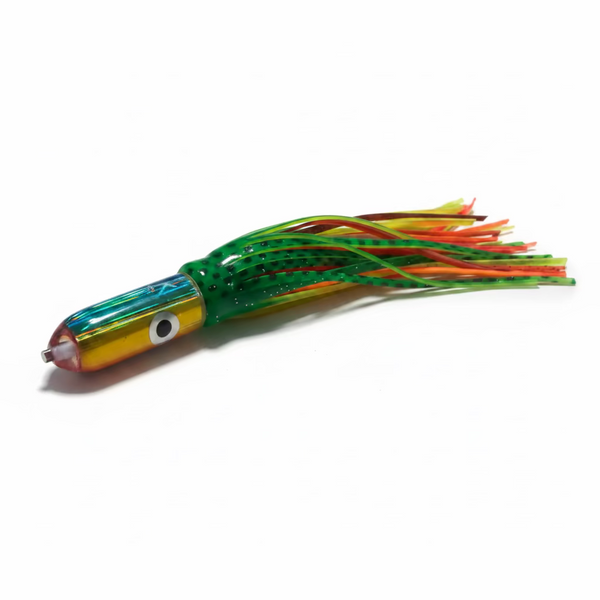
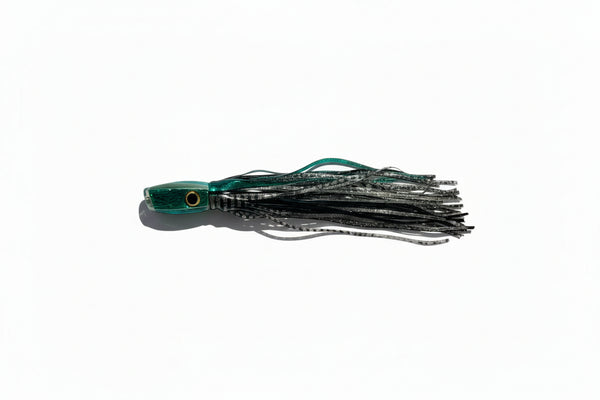
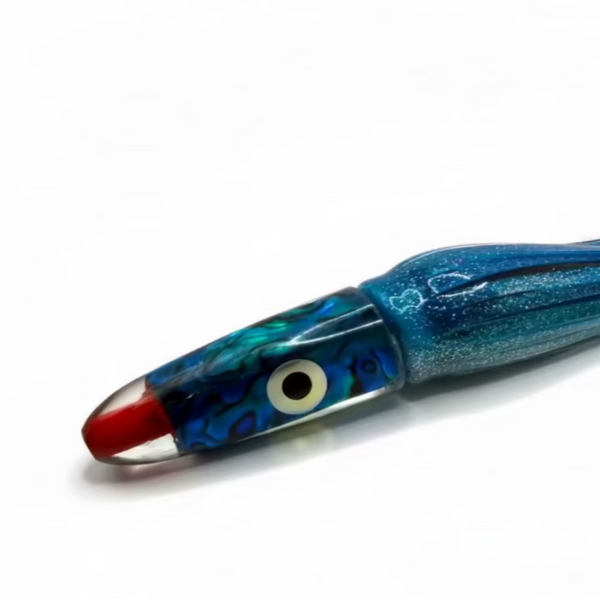
Effective speed control is directly connected to your gear selection. There is a significant performance difference between natural baits and high-performance artificial lures when trolling for mahi mahi. Natural baits, such as ballyhoo, perform best under 9 knots. Pushing them faster causes them to spin or wash out, destroying the presentation. In contrast, premium, handcrafted artificials are engineered for superior performance at higher velocities.
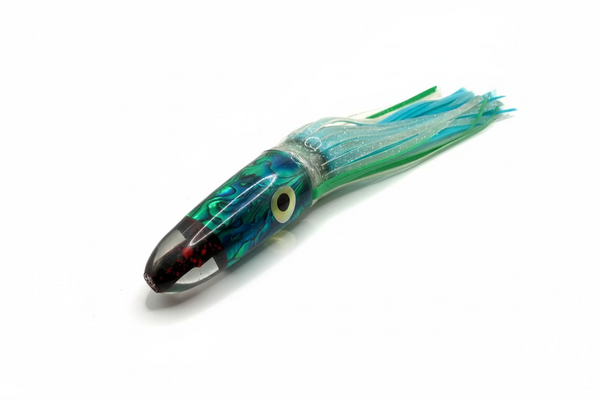
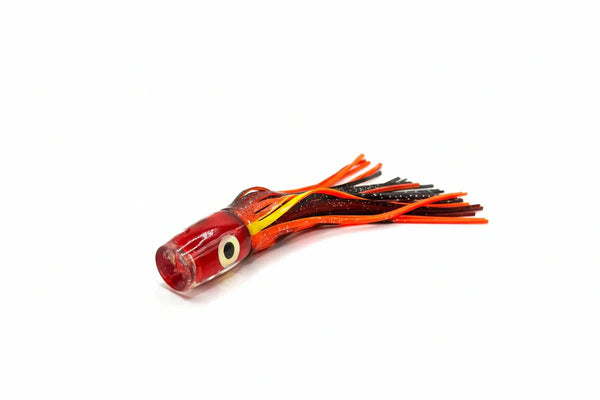
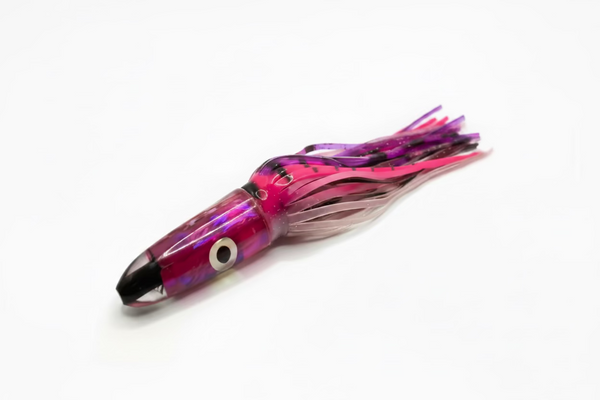
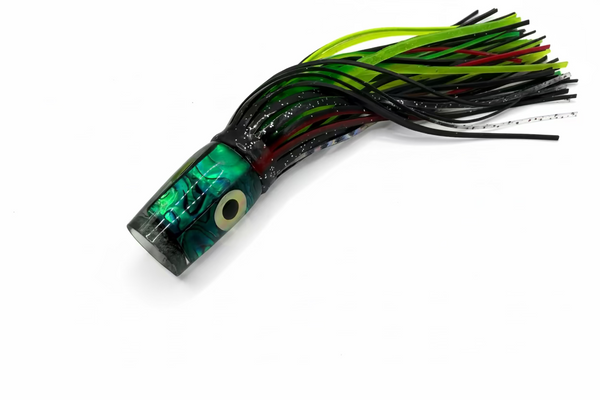
Lures like K2Fishing's large resin lures and weighted jets are designed to track true at speeds up to 10 knots or more. This allows anglers to cover more ground efficiently. The physics of the lure’s design dictates its performance. A heavy, bullet-headed lure will handle speed better than a lightweight, slant-faced lure designed for a more erratic side-to-side action. Understanding the ideal mahi lure trolling speed for each type is essential for a productive spread. For a mixed spread, consider this setup:
- Place speed-tolerant bullet and jet heads in the short positions, closer to the boat.
- Run slant-faced resin lures on the outriggers in the mid-range positions.
- Position more sensitive natural baits or feather lures far back in the "shotgun" position.
This strategic placement ensures every lure in your spread is working within its optimal range. Mastering this skill requires expert guidance and strategic adjustment, a principle that applies beyond fishing and is explored in resources like the coaching blog at coaching-vagabond.com for those looking to improve performance in any field.
Optimal Trolling Speeds by Lure Type
| Lure Type | Optimal Speed Range (Knots) | Ideal Action | Key Consideration |
|---|---|---|---|
| Natural Bait (e.g., Ballyhoo) | 5 - 8 | Natural swimming motion, no spinning | Bait integrity degrades quickly at higher speeds. |
| Skirted Resin Lures (Slant-Face) | 6 - 9 | Rhythmic 'pop and smoke' action | Action can become too erratic if speed is excessive. |
| Bullet & Jet Head Lures | 7 - 10+ | Straight tracking with a tight bubble trail | Designed for speed and covering ground effectively. |
| Feather Lures & Small Squids | 5 - 7 | Skimming on the surface | Can easily skip out of the water if trolled too fast. |
This table provides a baseline for matching trolling speed to lure type. These ranges are starting points; always confirm with visual inspection of the lure's action in the water.
Reading Your Spread for Perfect Lure Action

Ultimately, an expert angler trusts their eyes over their electronics. The most accurate measure of correct trolling speed is the visual action of the lures in your spread. A perfectly working skirted lure displays a rhythmic cycle: it surfaces for air with a distinct "pop," then dives back down, leaving a thick bubble trail often called "smoke." This consistent action is a primary attractant for pelagic predators.
You must learn to read your spread and troubleshoot based on visual feedback. The signs are clear and immediate:
- Lure is skipping or launching out of the water: Your speed is too high for that lure or sea condition.
- Lure is dragging with no action: Your speed is too low to activate the lure's design.
- Lure is spinning or tumbling: Your speed is too high, or the lure is rigged incorrectly.
Methodically check each lure in the spread, from the short corner to the shotgun. Remember that wave position and distance from the boat can cause lures to behave differently even at the same boat speed. A lure running on the face of a wave is moving faster through the water than one in a trough. Visual confirmation is the final determinant of correct speed, and finding lures that produce the right action is paramount. You can explore a comprehensive collection to see what fits your spread and conditions.
Speed Tactics After Locating a School
Advanced mahi fishing tips extend to what you do after a fish is on the line. The most common mistake anglers make after a hookup is immediately putting the boat in neutral. This is counterproductive. It causes the remaining lures to sink lifelessly, killing the presentation and scattering any other fish that were attracted to the spread. The professional strategy is to maintain forward momentum at a reduced speed, typically around 3 to 4 knots.
This tactic keeps the other lures working, presenting them as easy targets to the rest of the highly competitive, schooling Mahi. This approach capitalizes on the species' aggressive feeding behavior and is the key to turning a single strike into multiple, simultaneous hookups. As you manage the first fish, make a wide, gradual turn to circle back over the productive zone. This ensures lines remain tight, lures stay active, and you position the boat for another pass on the school. Understanding these species-specific habits is what creates extraordinary results.
Key Principles for Consistent Mahi Catches
Mastering trolling speed is not about finding one magic number. It is about dynamic, informed adjustments based on three primary variables: current, sea state, and lure selection. While a 7 to 8 knot baseline is the correct starting point, a "set it and forget it" approach will not yield consistent results when targeting dolphin fish. The most successful offshore anglers are constantly observing their spread and fine-tuning their throttle.
Understanding how fast to troll for dolphin fish means adapting to the conditions of the day and the gear in the water. This commitment to active speed management is a non-negotiable skill. It is what separates anglers who get lucky from those who consistently produce, turning a good day of fishing into a great one.