The saltwater environment is relentlessly corrosive, and for the serious angler, high-performance equipment represents a significant investment. Protecting that investment requires a systematic approach to offshore fishing gear maintenance. This is not an optional task but a core discipline that separates successful trips from catastrophic gear failure. The foundation of this discipline begins the moment you return to the dock, with a protocol that ensures longevity and peak performance for every component in your arsenal.
Post-Trip Care for Offshore Fishing Gear
For high-performance equipment, a systematic post-trip cleaning process is the foundational action that prevents the vast majority of corrosion-related failures. This immediate, Tier 1 procedure is non-negotiable. The first step in proper saltwater fishing gear care is a thorough freshwater rinse. It is critical to use a gentle mist or light spray, not a high-pressure jet. Aggressive water pressure can force salt, sand, and other contaminants past the seals in your reels and into the core of rod blanks, causing unseen internal damage that compromises structural integrity over time.
Your rinsing procedure should be methodical. Start with the rods, ensuring you clean the guides, reel seat, and grips. Move next to the reels, paying attention to the handle, spool, and frame. Finally, rinse every lure and piece of terminal tackle that was exposed to saltwater. Once rinsed, all gear must be dried completely. Use a soft, absorbent cloth to wipe down every surface, or allow items to air dry in a well-ventilated area away from direct sunlight. This step is crucial for inhibiting mildew growth and preventing residual moisture from causing hidden corrosion before your next trip.
Advanced Reel Protection and Lubrication
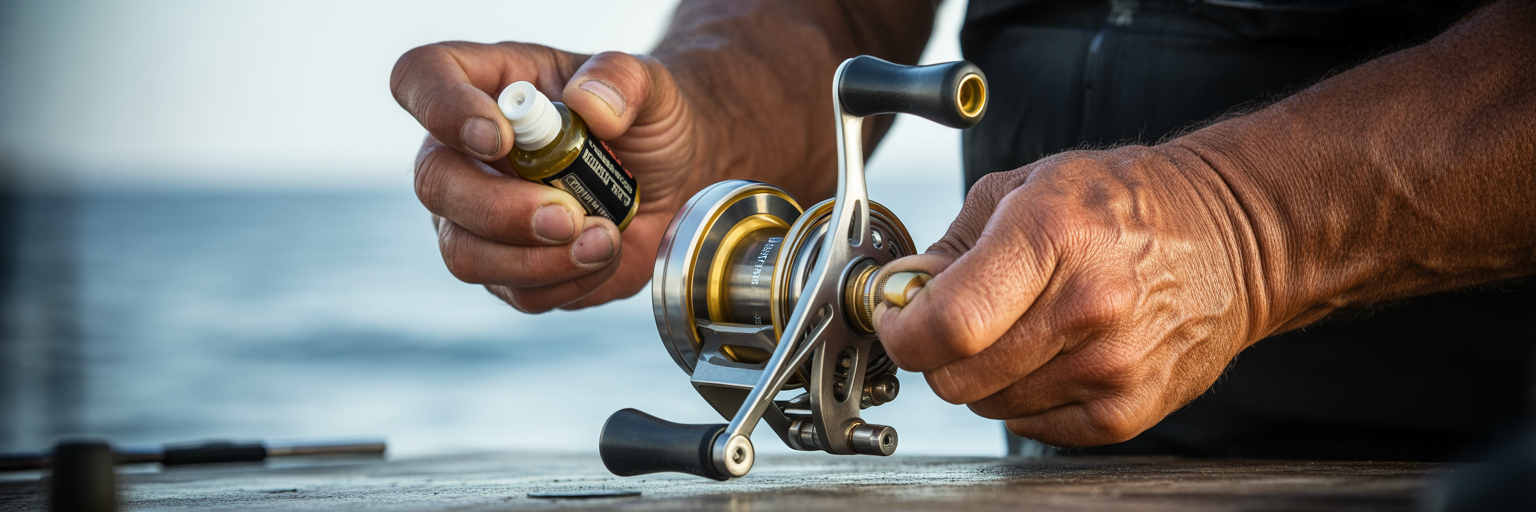
Beyond the initial rinse, reels demand specific mechanical attention due to their complexity. Proper technique during cleaning is essential to protect the internal components that are most vulnerable to water intrusion and performance degradation.
The Critical Rinse and Drag Setting
When rinsing your reels, the first step is to tighten the star drag completely. This action compresses the drag stack seals, creating a barrier that helps prevent water from entering the drag system. After the gentle freshwater rinse is complete, it is equally important to loosen the drag entirely before storage. Leaving the drag tightened compresses the washers for extended periods, which can cause them to lose their smooth, consistent performance and lead to jerky, unreliable pressure when fighting a fish. This simple two-part process is a fundamental aspect of how to clean fishing reels effectively.
Tiered Mechanical Maintenance Schedule
A structured maintenance schedule ensures your reels operate at peak efficiency. We recommend a tiered protocol. Tier 2 maintenance, performed monthly, involves applying a quality corrosion-inhibiting oil to external moving parts like the line roller, handle knobs, and bail arm joints. This protects high-friction points from wear. Tier 3 is a comprehensive annual overhaul, best done during the off-season. This deep inspection involves partial or full disassembly to check for emulsified or milky grease, a clear sign of water intrusion. You should also inspect for dark, metallic paste, which indicates significant gear wear that requires immediate part replacement before a complete failure occurs.
| Tier | Frequency | Key Actions | Purpose |
|---|---|---|---|
| Tier 1 | After Every Trip | Gentle freshwater rinse (drag tight), dry thoroughly, loosen drag for storage. | Neutralize corrosive salt and prevent immediate damage. |
| Tier 2 | Monthly | Apply corrosion inhibitor to external moving parts (line roller, handle). | Ensure smooth operation and protect high-friction points. |
| Tier 3 | Annually (Off-Season) | Partial or full disassembly, inspect internal grease, check gears for wear. | Address internal water intrusion and mechanical wear before failure. |
This table provides a clear, actionable framework for reel maintenance, helping anglers progress from basic care to comprehensive mechanical preservation.
Preserving Fishing Rods and Lines
With reels addressed, attention must turn to the structural integrity of your rods and the reliability of your fishing line. UV radiation is the primary cause of line degradation, breaking down its chemical structure and leading to reduced tensile strength and brittleness. A compromised line is a direct path to losing a trophy fish, which is why a disciplined approach to fishing rod and reel care is essential. Different species test your equipment in unique ways, and understanding their behavior is key to preparation, which is why we provide resources on how to fish by species.
A practical method for line inspection involves running the line through your fingers to feel for nicks, frays, or rough spots that signal a weak point. However, visual and tactile checks are not enough. Adhere to a strict replacement schedule:
- Monofilament Line: Replace every season, regardless of use. Its chemical composition is highly susceptible to UV degradation and it develops memory.
- Braided Line: Replace every 1-2 seasons, depending on use. While more UV-resistant, it is prone to abrasion and should be inspected regularly.
- Fluorocarbon Leaders: Replace after any significant abrasion or after landing a large fish with a rough mouth. Check for cloudiness, which indicates structural fatigue.
For rods, proper storage is paramount. Use vertical racks to prevent the rod from developing a permanent bend or "set," which can weaken the blank. Periodically inspect rod guides for cracked ceramic inserts or corrosion on the frame. These flaws can shred line under the immense pressure of a big-game fight, resulting in certain failure.
Maintaining Lures and Terminal Tackle

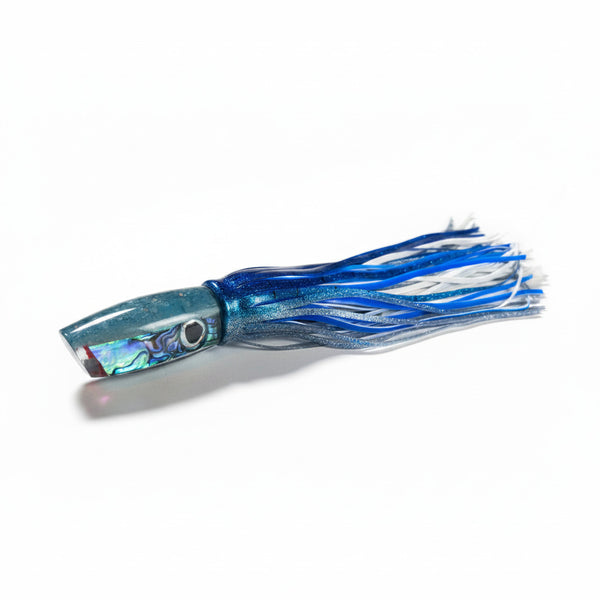
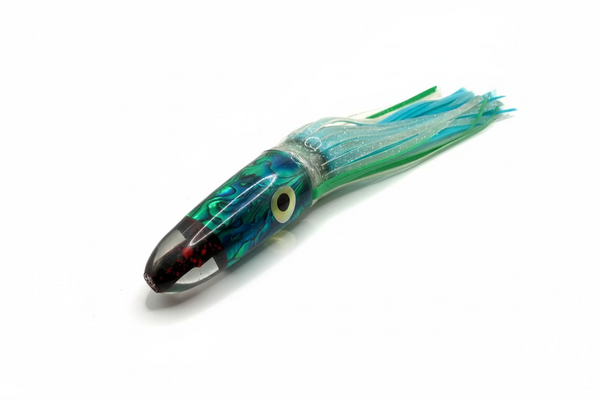
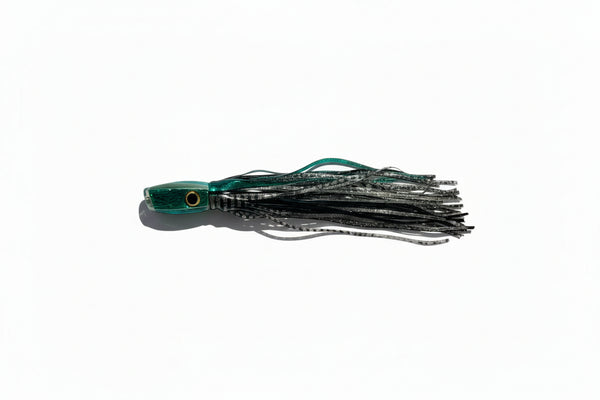
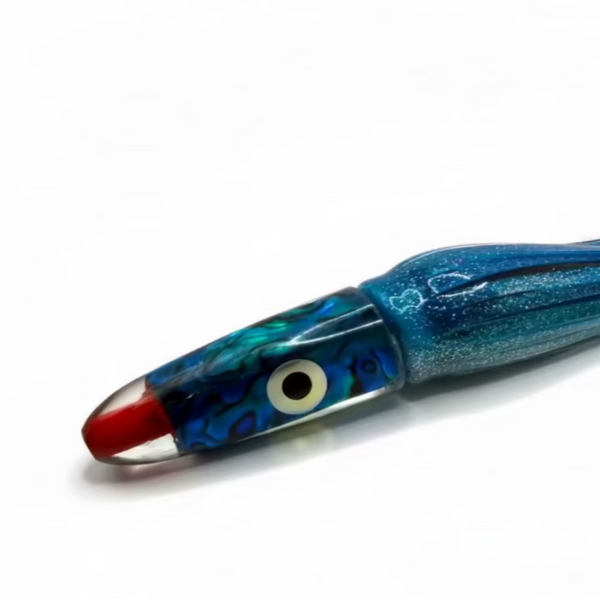
The connection point between you and the fish is your terminal tackle, and it is one of the most common points of failure. Hooks, swivels, split rings, and crimps must be inspected for any sign of rust, bending, or corrosion after every use. A disciplined approach is the only way to extend fishing lure life and ensure your presentation remains flawless. High-performance lures, in particular, require specific care to maintain their effectiveness. For example, premium lures like our K2Fishing Blue Abalone Lure must be handled carefully to preserve their unique flash and finish.
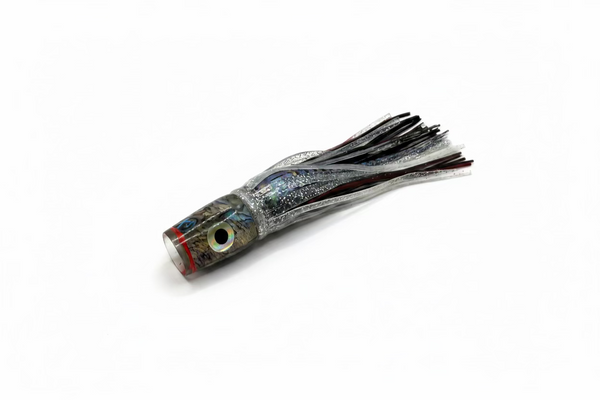
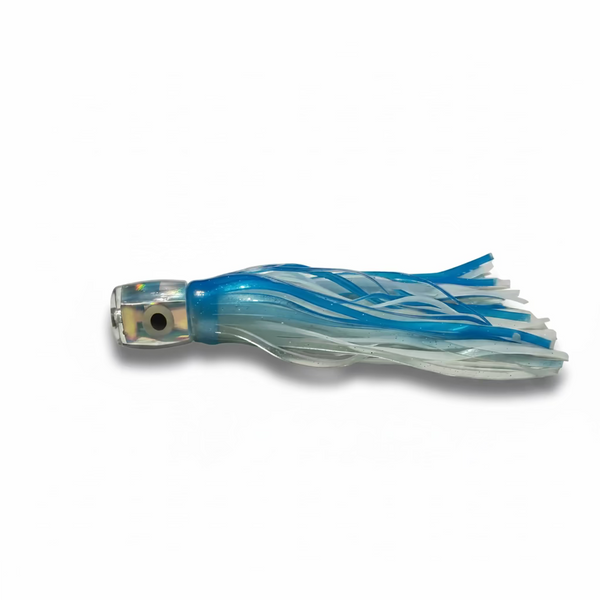
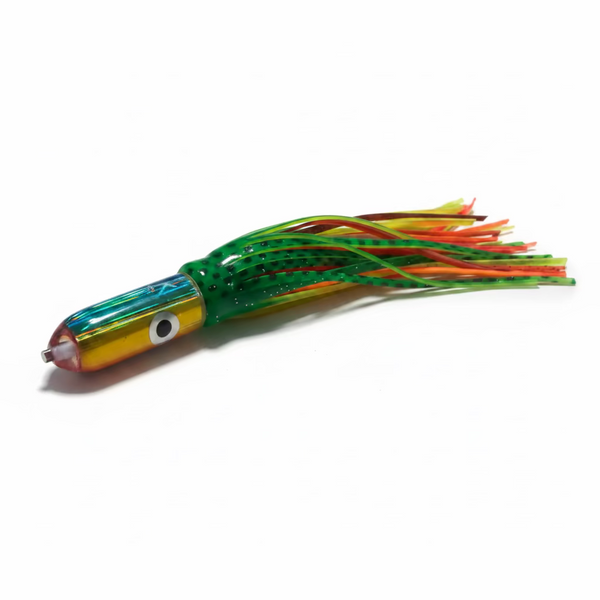
After a freshwater rinse, these lures should be dried with a soft cloth and stored in dedicated lure bags to prevent scratches that can dull their reflective properties. Hooks must be sharpened after every few fish and replaced immediately if they show any significant rust or damage. A sharp hook ensures a solid hookset, while a compromised one is an invitation for disappointment. This level of care applies to our comprehensive collection of trolling lures and complex trolling setups like squid chains and dredges. Each connection point on these rigs must be meticulously rinsed, dried, and inspected to guarantee they perform under pressure.
Long-Term Storage and Seasonal Preparation
Proper off-season storage is the final step in a comprehensive maintenance program. The ideal environment is a cool, dry, climate-controlled space away from direct sunlight and extreme temperature fluctuations. Before storing, reiterate the core principles: back off all reel drags completely to preserve the washers and store rods vertically to prevent warping. The off-season provides the designated time for the Tier 3 annual reel service and for re-spooling with fresh line, ensuring all equipment is in peak condition for opening day.
As a resource, the Texas Parks and Wildlife Department provides a guide that reinforces these professional standards. For the serious angler, meticulous offshore fishing gear maintenance is not a chore but an integral part of the sport. It is the ultimate way to protect your investment and ensure that when a trophy fish strikes, your gear performs without fault. For expert advice on specific gear or maintenance procedures, please use our contact page as a direct resource.