Success in bluewater fishing is not a matter of chance. It is the direct result of meticulous preparation and an unwavering reliance on high-performance equipment. For the serious angler, gear reliability is paramount. This guide serves as an authoritative checklist covering the full spectrum of Essential Gear for Offshore Anglers, ensuring every component of your operation is optimized for performance. We will detail the mandatory safety systems, vessel and navigation equipment, advanced tackle, personal apparel, and specialized big-game tools required to compete at the highest level. Each element is a critical link in the chain that leads to a successful day offshore.
Mandatory Safety and Survival Systems
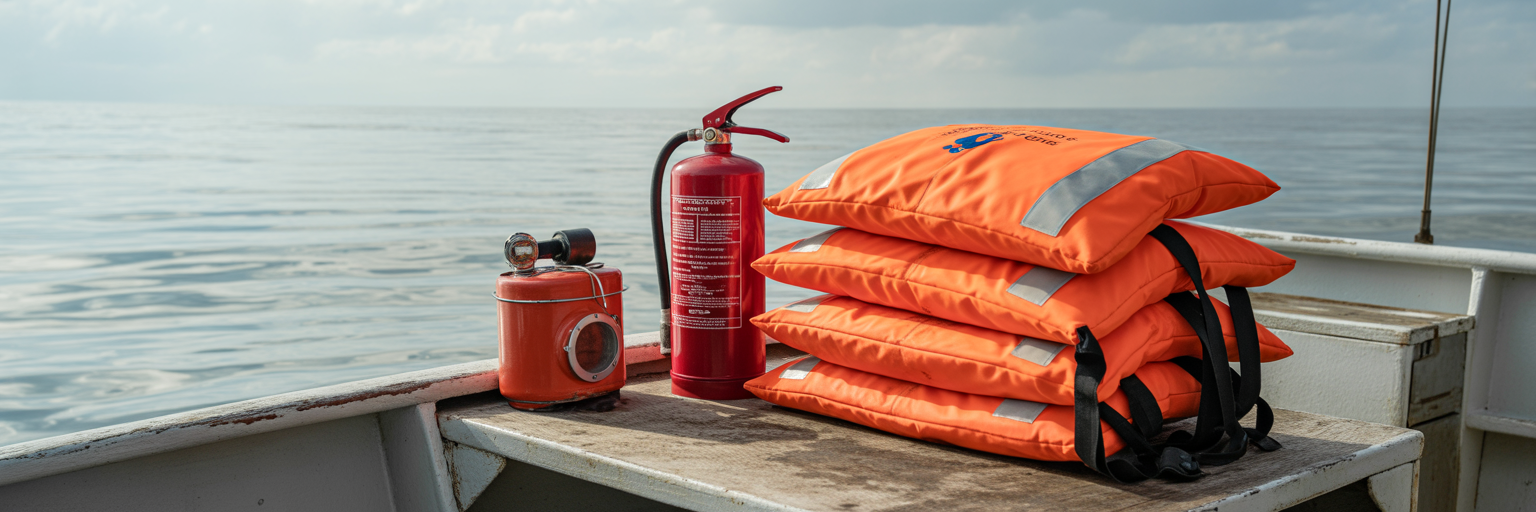
A comprehensive inventory of offshore fishing safety equipment is the foundation of any bluewater operation. This begins with legally mandated items and extends to advanced survival technology. As outlined by maritime experts and federal regulations, the baseline for any vessel heading offshore includes specific USCG required boat gear. These items are non-negotiable.
- USCG-approved life jackets, with one readily accessible for every person on board.
- Visual distress signals, including pyrotechnic flares or approved electronic signals.
- Audible signaling devices, such as a marine horn or whistle capable of producing a prolonged blast.
- Properly rated and inspected fire extinguishers mounted in accessible locations.
Beyond these basics, reliable communication is critical. A fixed-mount VHF radio provides superior range and power compared to handheld units, making it an essential tool for offshore use. For operations beyond VHF range, an Emergency Position-Indicating Radio Beacon (EPIRB) or a Personal Locator Beacon (PLB) is indispensable for signaling distress. Redundancy is a professional standard, so a backup bilge pump and a secondary communication device are strongly advised. This commitment to preparedness extends to personal well-being. Understanding protocols for post-trip recovery, such as the essential safety guidelines for PEMF therapy, reflects a total commitment to readiness for the next trip.
Vessel and Cockpit Systems
The equipment that enables effective and safe vessel operation is central to any offshore strategy. A robust suite of navigation and fish-finding electronics is standard for serious bluewater work. This includes high-definition GPS chartplotters for precise positioning and high-power CHIRP sonar systems for superior target separation and deep-water performance. The marine environment presents a persistent challenge with corrosion, which can compromise sensitive electronics. Modern passive moisture-management technologies offer a solution by protecting critical systems without consuming power.
This attention to detail must extend to fuel management. The professional standard involves creating a detailed float plan and adhering strictly to the rule of thirds for fuel calculation: one-third of your fuel to get out, one-third to return, and one-third held in reserve for unforeseen circumstances. A well-maintained and organized cockpit is not an aesthetic choice. It is a functional necessity that ensures critical systems are accessible and operational when performance matters most. A well-equipped vessel is the foundation of every successful trip, supported by brands that understand the rigors of the offshore environment.
Advanced Tackle and Rigging Tools
A comprehensive big game fishing tackle list is built on components that withstand extreme stress. The foundation begins with matched rod and reel combos, with the 50-80 lb class being a versatile choice for powerful species like tuna and marlin. Equally important are the rigging tools used to prepare terminal tackle. Stainless steel anvil-style mono cutters and precision crimping tools are the industry standard for creating failure-proof connections that hold up under immense pressure.
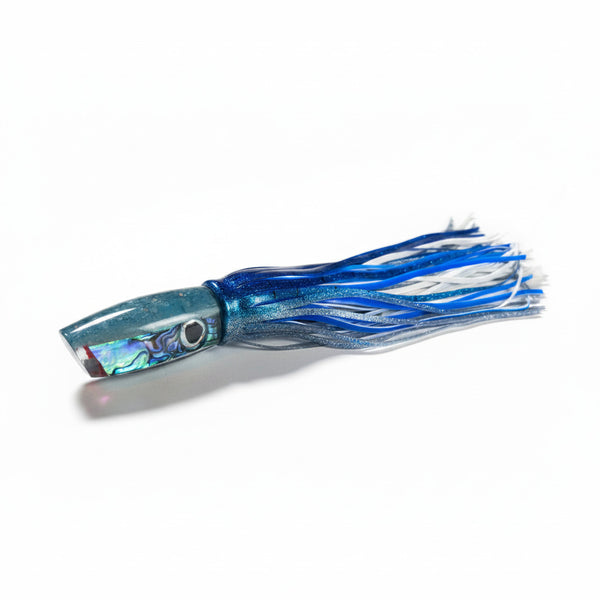
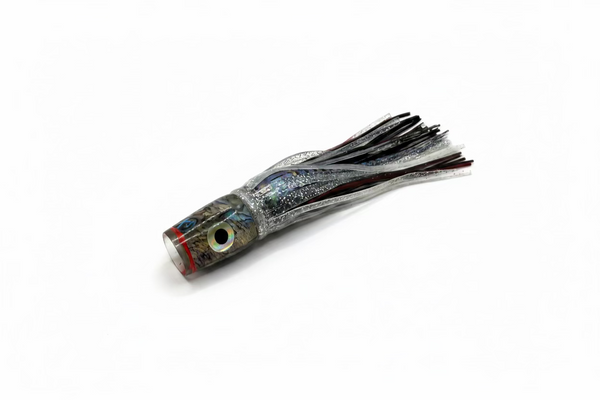
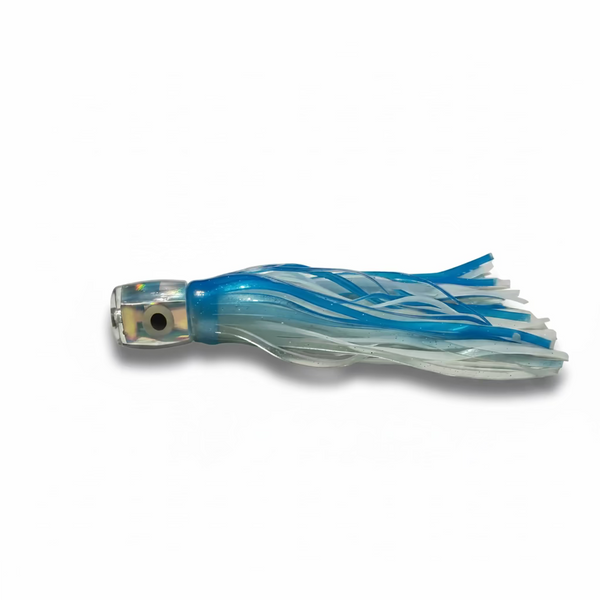
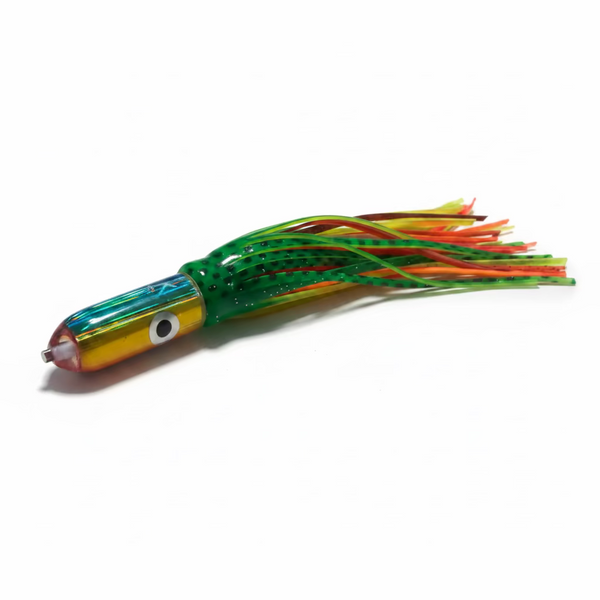
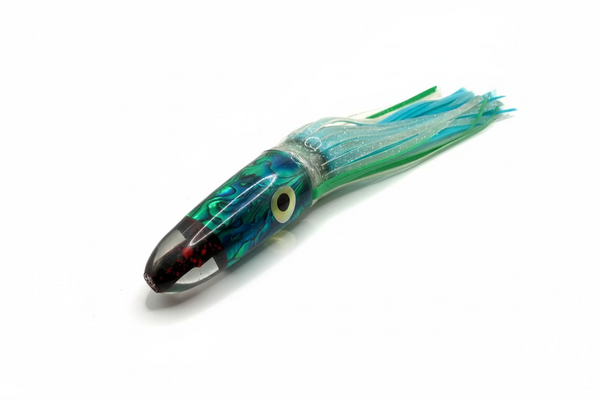
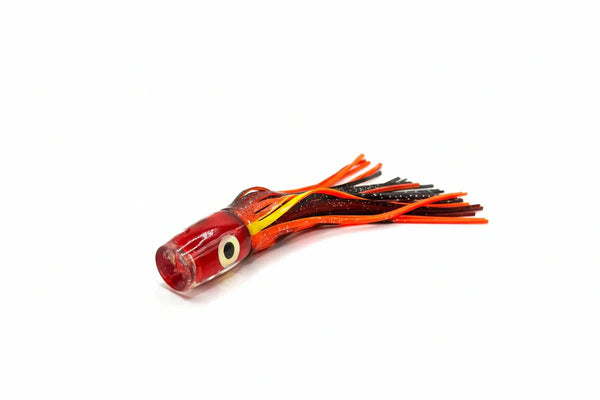
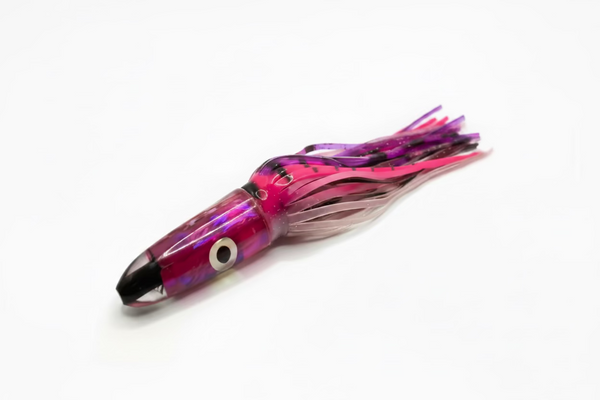
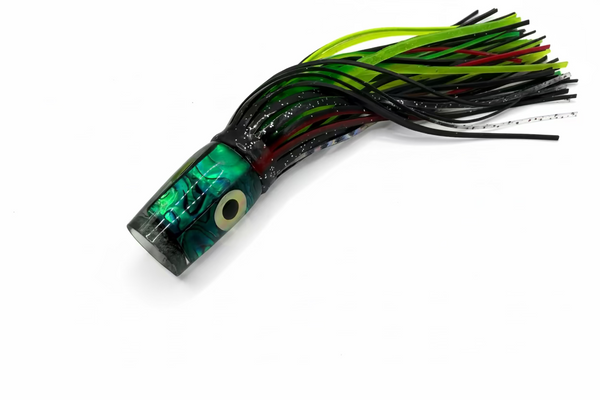
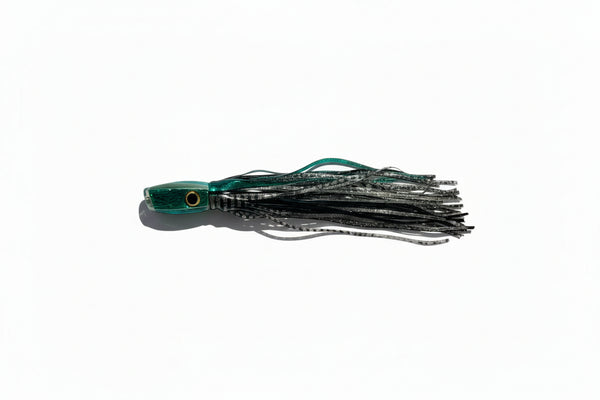
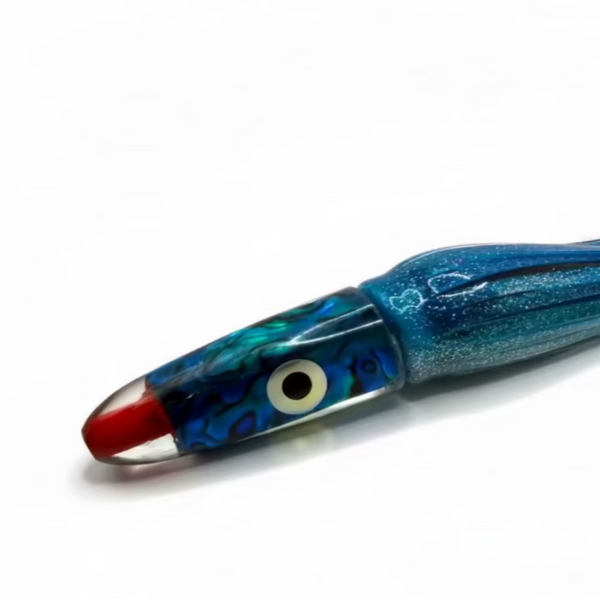
Ultimately, success rates are directly impacted by the performance of your terminal tackle. High-performance trolling lures with specific design features are proven to attract more strikes. For example, lures with handcrafted abalone resin designs create a superior flash and lifelike appearance that is irresistible to pelagic predators. Building effective offshore trolling setups involves more than just a single lure. Strategic use of squid chains, bird teasers, and dredges creates the illusion of a bait school, drawing predators into the lure spread. A complete spread of high-quality lures is essential for adapting to different conditions.
| Target Species | Recommended Rod/Reel Class | Leader Material & Strength | Effective Lure Presentation |
|---|---|---|---|
| Bluefin & Yellowfin Tuna | 50-80 lb Class | 150-250 lb Fluorocarbon | Bullet Lures, Squid Chains, Spreader Bars |
| Blue & White Marlin | 80-130 lb Class | 300-400 lb Monofilament | Large Resin Lures, Chuggers, Bird Teasers |
| Wahoo | 30-50 lb Class | 80-100 lb Wire or Cable | High-Speed Trolling Lures, Bullet Heads |
| Dolphin (Mahi-Mahi) | 20-30 lb Class | 60-80 lb Fluorocarbon | Small Resin Lures, Feather Jigs, Daisy Chains |
Personal Performance Apparel and Protection

Proper angler personal protection gear is a system for maintaining peak performance, not just ensuring comfort. Technical apparel is a functional requirement, with high UPF-rated, moisture-wicking clothing essential for managing sun exposure and physical exertion over long hours. Similarly, high-quality polarized sunglasses are a critical tool, not an accessory. They reduce surface glare to help spot fish, structure, and weed lines while providing vital protection against harmful UV radiation. Choosing the right gear often means relying on the experience of professionals who test equipment in the most demanding conditions.
Footwear is another critical component of this system. Non-slip deck boots provide the stability required to maintain balance on wet and unpredictable surfaces, reducing fatigue and preventing injury. This focus on endurance extends to other personal items that are crucial for maintaining focus and physical stamina:
- Seasickness remedies, specifically non-drowsy formulas that do not impair judgment.
- A dedicated hydration system, such as insulated water bottles or a hands-free hydration pack.
- Waterproof bags for protecting personal electronics, fishing licenses, and other essential documents.
Specialized Big-Game Equipment
The final category of essential gear includes the specialized equipment required for the end-game: fighting and landing large fish. A fighting belt and harness are biomechanical tools designed to redistribute the immense load of a fighting fish from the angler's arms and back to their legs and core, enabling them to apply maximum pressure for longer periods. Once the fish is boat-side, the right tools are needed to land it safely and efficiently. This includes gaffs of appropriate length and strength for the target species and tail ropes for securing the catch.
An often-overlooked but critical step is cold-chain management. Preserving the quality of the catch requires high-capacity, well-insulated coolers and a sufficient quantity of both block and crushed ice. While charter operations may provide rods and reels, this specialized fighting and post-catch gear is the responsibility of the serious angler. It is the final link in a chain of high-performance equipment that separates a successful trip from a mere boat ride. Matching this specialized equipment to your target is the final step in preparation.