Matching Lure Profile to Target Species
The foundational principle of offshore angling is to "match the hatch." This concept goes far beyond just color. It’s about mimicking the size, shape, and movement of the baitfish that your target species is actively hunting. Getting this right is the first and most critical step in your offshore trolling lure selection, influencing every other choice you make. An otherwise perfect lure will be ignored if its profile doesn't match what a predator is conditioned to eat.
The size of your lure sends a direct signal to the fish you are pursuing. A lure that is too small may not attract the attention of a large predator, while one that is too large might intimidate smaller gamefish. Building a versatile collection allows you to adapt on the fly.
- 4-6 inches: This range is perfect for drawing strikes from aggressive, fast-moving predators like mahi-mahi and blackfin tuna. Their smaller profile imitates the abundant baitfish these species often feed on.
- 7-10 inches: Consider this your all-purpose size. These lures are versatile enough to attract a wide variety of species, including wahoo, sailfish, and mid-sized marlin, making them a staple in any trolling spread.
- 11+ inches: When you are hunting for a true giant, a larger profile is necessary. These lures are reserved for pursuing trophy-class blue and black marlin, creating a substantial target that can trigger a reaction from a world-class predator.
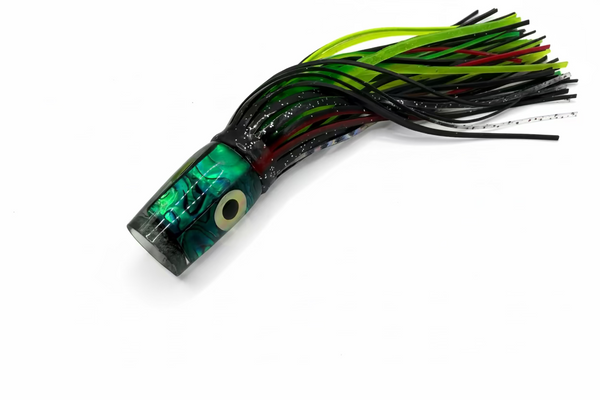
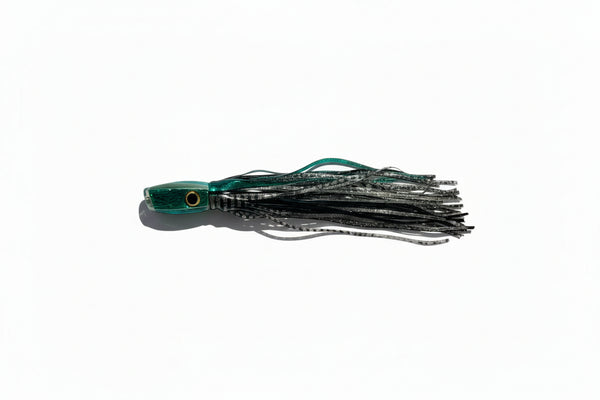
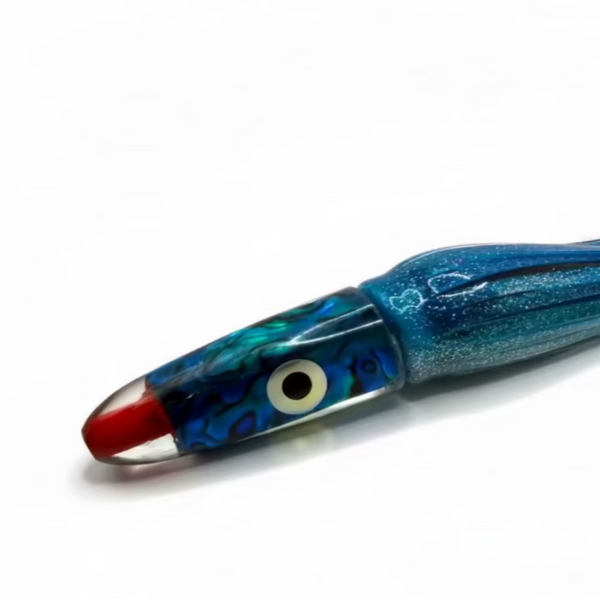
Beyond size, the shape of the lure's head dictates its action in the water. This hydrodynamic design is engineered to create specific movements that provoke different species. For example, the erratic, smoke-producing action of a cup-faced or slant-head lure is one of the best lures for marlin and tuna, imitating a distressed baitfish and triggering an aggressive feeding response. In contrast, the straight, high-speed tracking of a weighted bullet or jet head is essential for targeting wahoo, which often strike lures moving at incredible speeds. Having the right lure profile for each situation is fundamental, and you can explore options based on what you're chasing with resources that help you select gear by species.
Selecting Lure Color for Water Conditions
With the right lure profile selected, the next factor is visibility. Many anglers believe lure color is chosen to appeal to them, but its true purpose is to be seen by the fish in specific water conditions. Light penetration, water clarity, and time of day all influence which colors are most effective. Understanding how fish perceive color in their environment gives you a distinct advantage.
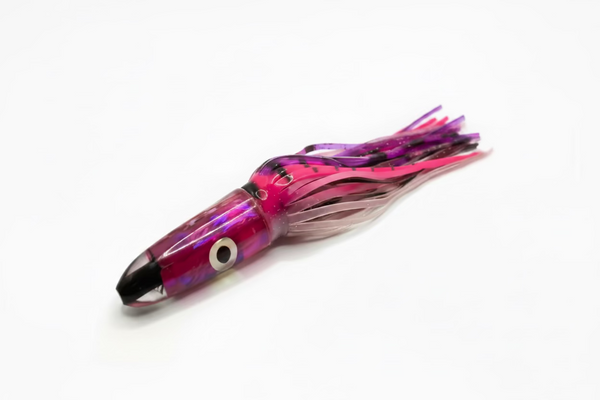
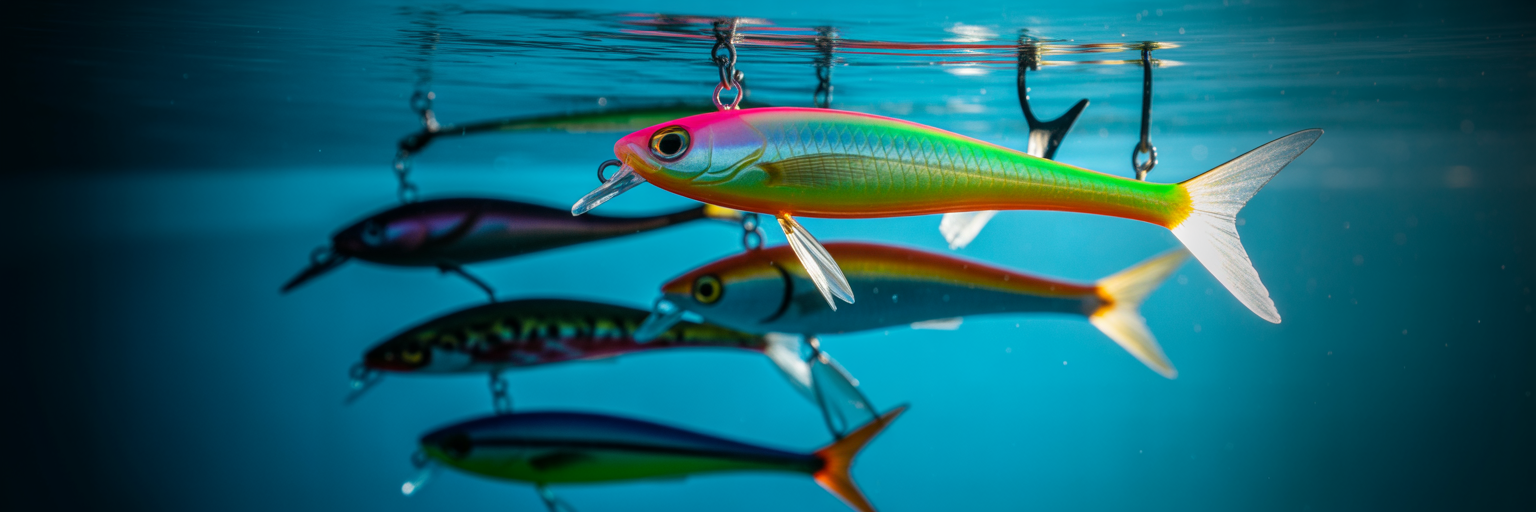
In bright, clear bluewater, vibrant and reflective colors perform best. Hues like bright pink, chartreuse, and green stand out against the deep blue expanse. When these colors are combined with an iridescent finish, such as the finish on our Flamingo Pink Striker, they reflect maximum sunlight, creating a flash that can be seen from a great distance. This flash mimics the scales of a fleeing baitfish, drawing predators in for a closer look.
Conversely, in low-light conditions like overcast days, dawn, or dusk, dark lures are surprisingly effective. Colors such as black, purple, and dark blue create a distinct silhouette when viewed from below against the brighter surface. This contrast makes the lure easier for predators to track and ambush. The same logic applies to murky or stained water, where a solid, dark profile cuts through the low visibility. Some advanced lures also feature UV-enhanced coatings, which increase their visibility in deeper water where many colors start to appear gray. This technology helps your lure remain visible even when running deep in the water column.
| Water Condition | Recommended Colors | Rationale |
|---|---|---|
| Clear & Sunny | Pink, Green, Chartreuse, Abalone | Maximizes light reflection and visibility. |
| Overcast / Low-Light | Black, Purple, Dark Blue | Creates a strong silhouette against the surface. |
| Murky / Stained Water | Dark Colors, UV-Enhanced | Provides contrast and visibility where light is scarce. |
Optimizing Trolling Speed for Lure Action
A lure sitting in your tackle box is just a piece of resin and plastic. It only comes to life when pulled through the water at the correct speed. Trolling speed is what activates a lure’s designed action, whether it’s a side-to-side swim, a dive-and-surface cycle, or a straight, high-velocity run. The wrong speed can cause a perfectly good lure to spin, tangle lines, or simply fail to perform, rendering it useless. Every lure has an optimal speed range where it performs as intended.
Most conventional skirted lures, including slant-head and cup-faced designs, achieve their best action between 6 and 9 knots. This speed allows them to complete their cycle of digging in, creating a smoke trail, and popping back to the surface. This rhythmic action is a powerful attractant for marlin and tuna. However, targeting certain species requires a completely different approach. When you are after wahoo, you often need to increase your speed significantly, sometimes to between 12 and 18 knots.
At these velocities, standard lures will blow out of the water. This is where purpose-built high speed wahoo lures become essential. According to Southern Boating, specialized lures like weighted bullet and jet heads are critical for maintaining a proper presentation at high velocities. Their design ensures they track straight and stay just below the surface, even when moving quickly. You can find lures engineered for this purpose in dedicated collections like our specialized bullet lures. Always remember to watch your lure’s action in the water, not just your GPS speed. Strong currents can alter the speed of water flowing over the lure, so adjust your throttle based on its performance to ensure it’s swimming perfectly.
The Performance Edge of Resin Lures
The material a lure is made from directly impacts its durability, consistency, and performance. For serious offshore fishing, high-quality resin has become the standard for a reason. It offers a combination of toughness and design precision that other materials cannot match. When you are investing time and money to chase big fish, you need gear that will not fail under pressure. This is where the inherent advantages of resin become clear.
Compared to other materials, resin provides a distinct performance edge. Its benefits are most apparent when the fishing gets tough.
- Structural Integrity: Toothy predators like wahoo can shred soft plastic lures in a single strike. A solid resin head, however, can withstand repeated attacks, ensuring your lure stays in the game.
- UV Resistance: Constant exposure to the sun can make other materials brittle and cause them to degrade. Resin is highly resistant to UV damage, giving it a much longer service life.
- Consistent Performance: The weight and balance of a resin head are permanent. This means the lure will track true and perform consistently, season after season, without losing its intended action.
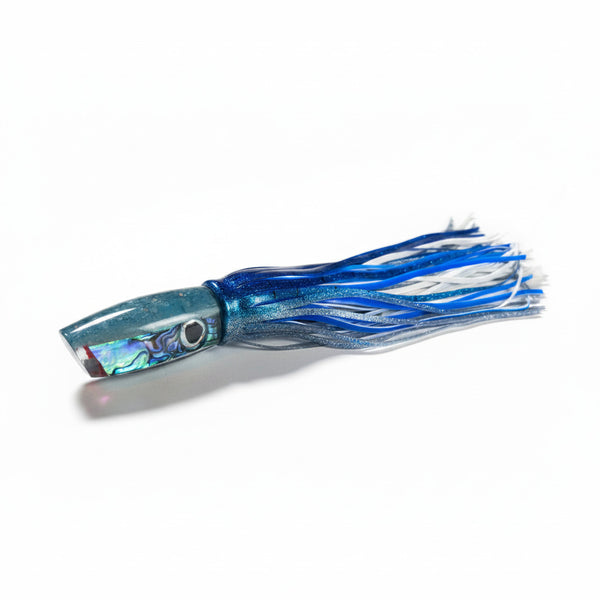
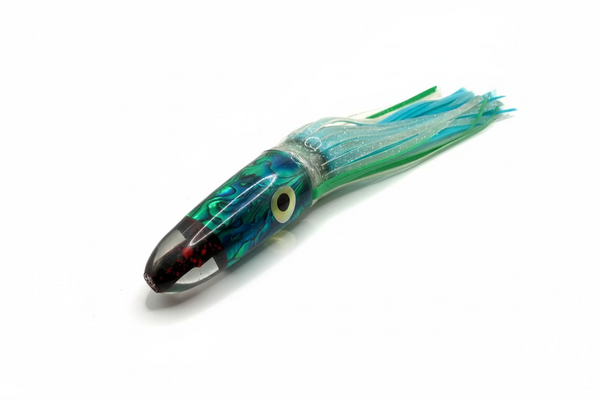
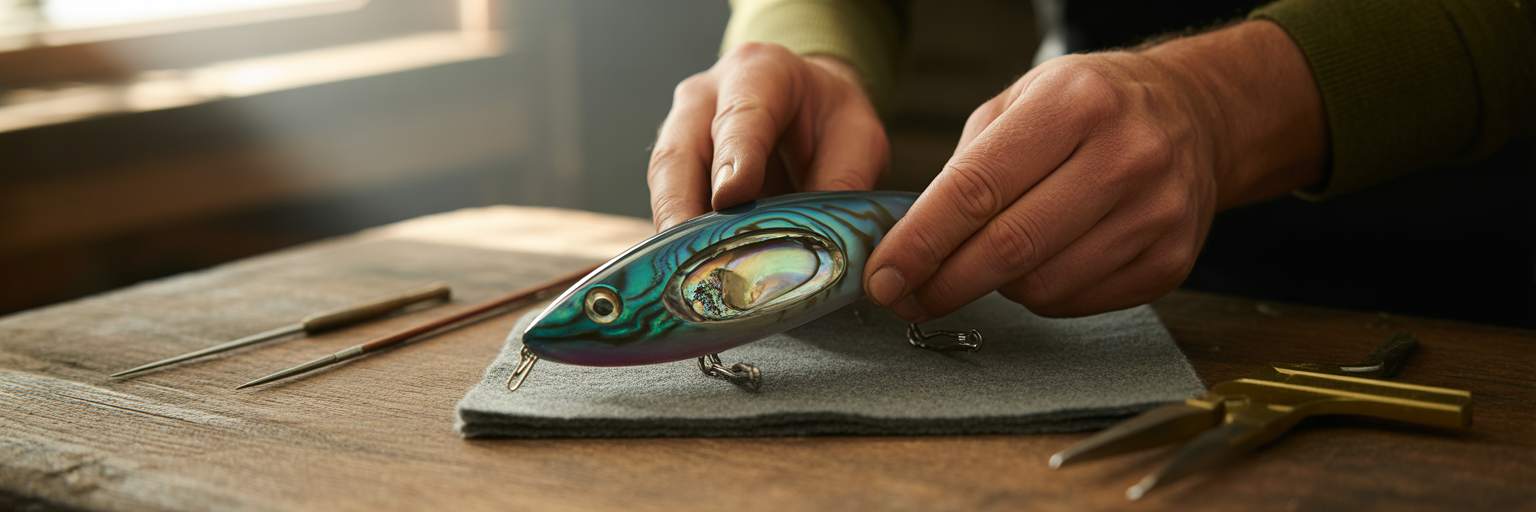
This reliability is crucial for maintaining an effective spread, especially in rough seas where a well-balanced lure is less likely to tangle. Furthermore, resin allows for advanced design possibilities. It enables the embedding of intricate internal elements, such as the abalone shell in our Blue Large Resin Abalone lure. This technique creates a deep, multi-dimensional flash that is highly visible at various speeds and depths, making these big game fishing lures a cornerstone of any productive spread.
Building a Cohesive Trolling Spread
Knowing how to choose trolling lures is only part of the equation. Even the best lure becomes more effective when it is part of a well-planned spread. The goal is to create a presentation that mimics a panicked school of baitfish, drawing predators in and making your hooked lures appear to be easy targets. A cohesive spread works as a system, with each component playing a specific role in attracting fish.
Non-hooked attractants like teasers and dredges are key to this system. Squid chains and bird teasers create surface commotion and flash, simulating feeding activity that can pull fish into your wake from a distance. This commotion makes your hooked lures, which are trailing behind, look like stragglers falling behind the main school—an irresistible opportunity for a predator.
A simple principle for lure placement can make a significant difference. Position your more aggressive, splashy lures, like cup-faces, closer to the boat in the short corner and short rigger positions. Run your smoother, straight-tracking lures, like bullets, further back in the long rigger and shotgun positions. This layered presentation maximizes attraction without creating tangles. Ultimately, successful offshore trolling is about a systematic approach. A thoughtful strategy for both lure selection and placement is what separates consistently successful anglers from everyone else. You can start building your ideal setup by exploring our complete collection of lures and tackle.