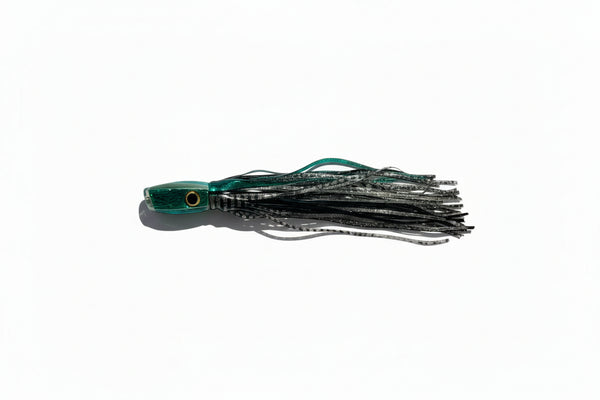
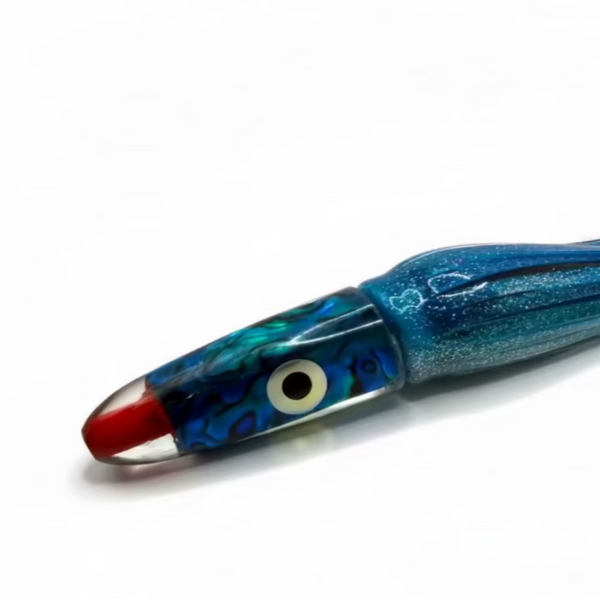
Big game lure action types are defined by how a lure moves through water and displaces pressure waves to trigger strikes from large predatory fish like marlin, tuna, and mahi. The movement a lure produces matters more than most anglers realize. Big game fish rely on their lateral line to detect vibration and pressure waves, often striking before they ever visually confirm a target. Matching the right action to your conditions is the single most reliable way to increase hook-up rates offshore.
1. What are the main big game lure action types?
Lure action in offshore fishing refers to the movement pattern and water displacement a lure produces during retrieval or trolling. The industry uses terms like “popper action,” “pusher action,” and “swimming action” to categorize these movement profiles. Each type triggers a different sensory response in the fish. Understanding the category before choosing a lure saves you from running the wrong presentation all day.
The four core action types for big game fishing are surface popper, pusher head, swimming tail, and flat-line sub-surface. Each suits different sea conditions, target species, and trolling speeds. Knowing when to deploy each one separates consistent producers from anglers who rely on luck.
2. High-displacement popper action: aggressive surface strikes
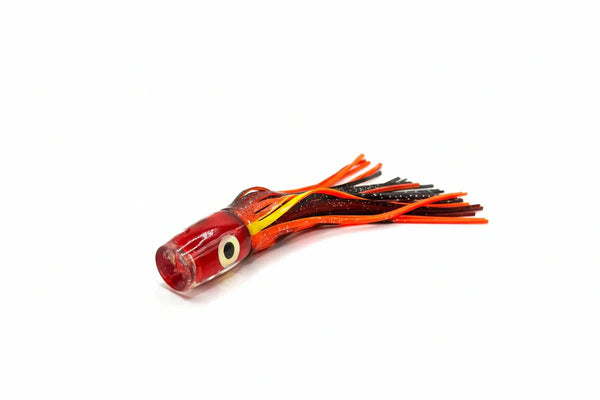
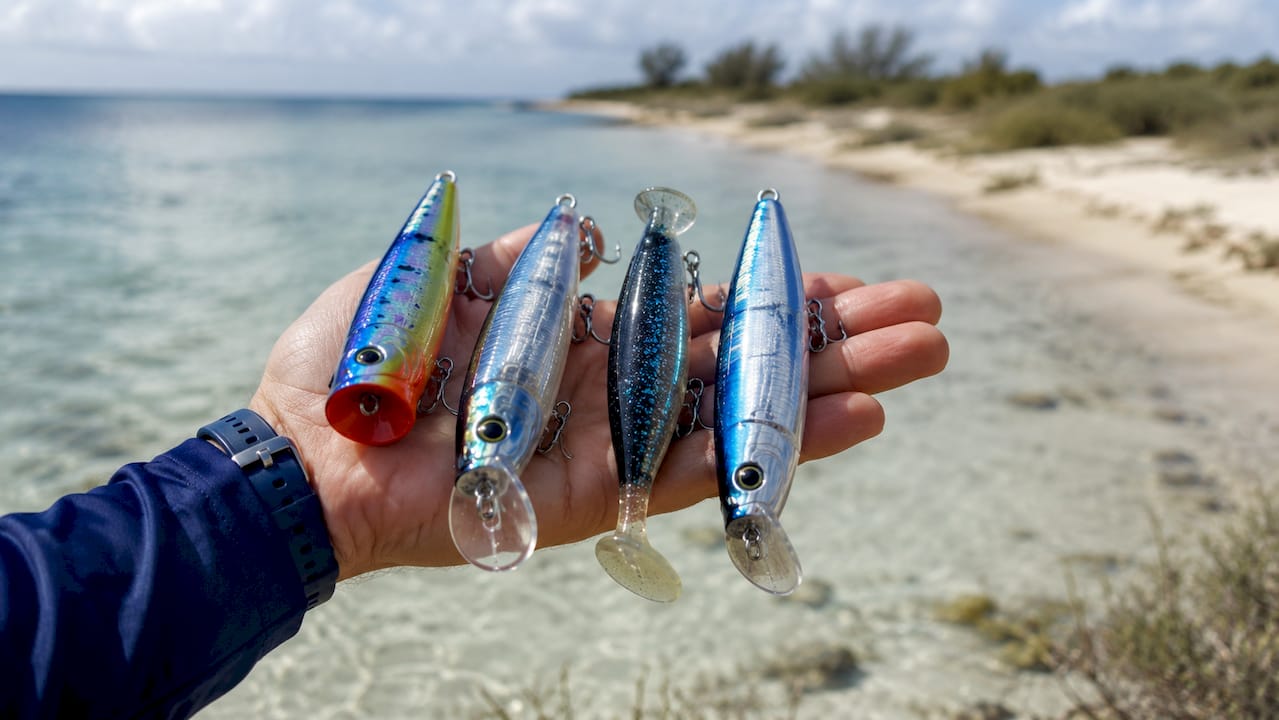
Offshore poppers with oversized cupped faces generate loud popping sounds and massive surface disturbance that pull predators up from depth during feeding frenzies. The cupped face catches water on each jerk, throwing a visible splash and sending a pressure pulse downward. That pulse travels far deeper than the lure itself sits, which is why poppers work even when fish are holding 20 feet below the surface.
Popper action works best in these conditions:
- Active feeding frenzies with birds working the surface
- Calm to moderate seas where surface disturbance is visible
- Early morning and late afternoon low-light windows
- Clear to moderately stained water where fish can track the splash
Aggressive lure actions that create loud vibrations stimulate reaction strikes from marlin and tuna, especially during feeding frenzies. A reaction strike happens when a fish attacks out of instinct rather than hunger. That distinction matters because it means poppers can produce even when fish are not actively feeding.
Pro Tip: Cast slightly ahead of a breaking school rather than into the middle of it. Fish on the edge of a frenzy are less distracted and more likely to commit to a single target.
3. Erratic pusher head action for offshore trolling
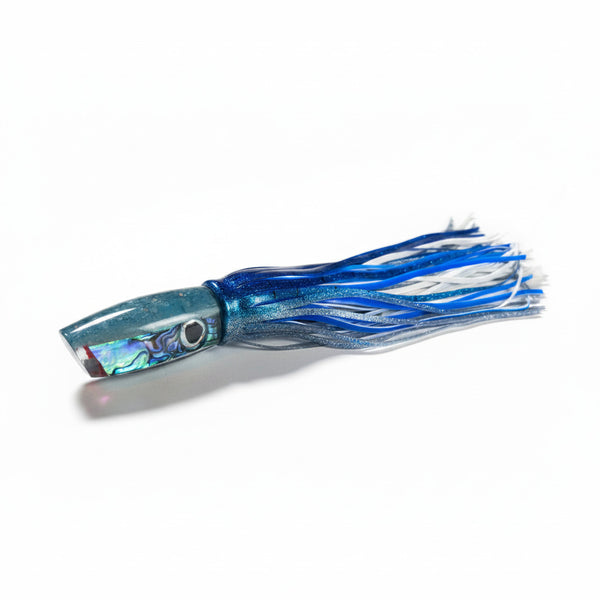
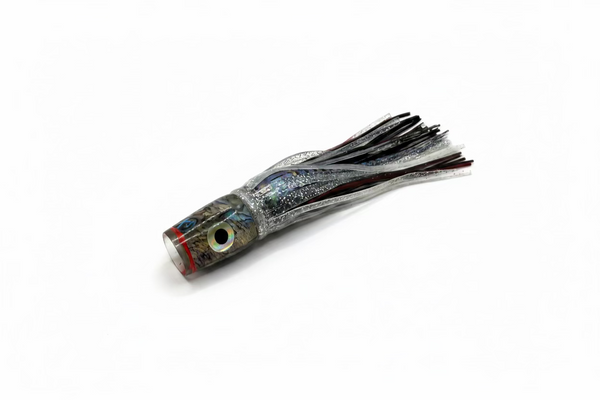
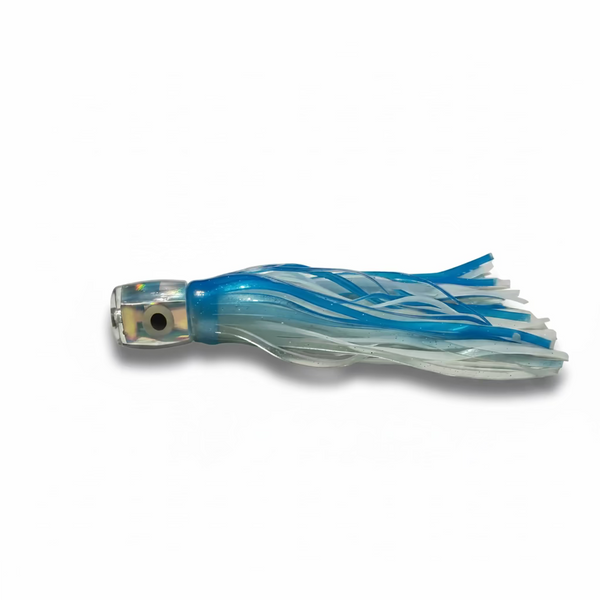
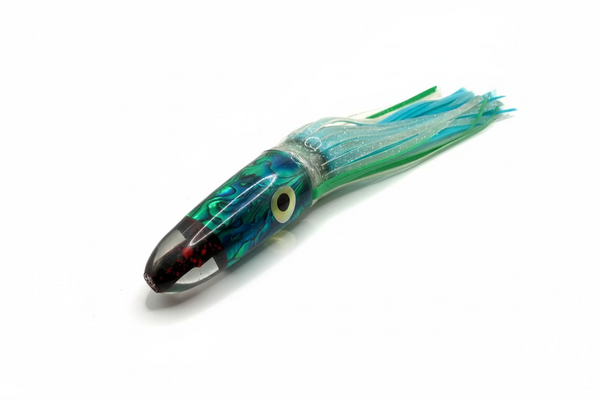
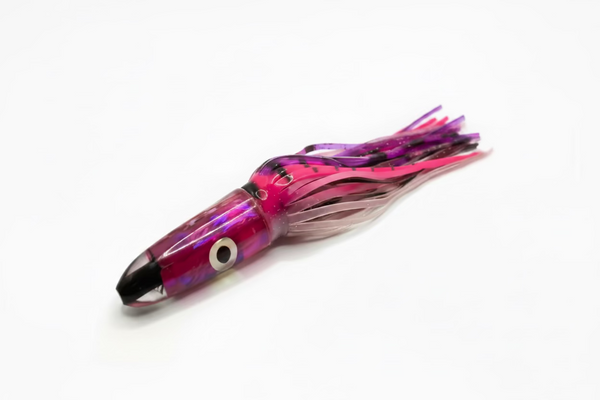
Concave pusher heads are the workhorse of offshore trolling spreads. Pusher head lures produce erratic, aggressive swimming action by pushing water with their concave face, creating a bubble trail and irregular side-to-side movement that mimics a fleeing or injured baitfish. That erratic motion is the key trigger. A perfectly straight-swimming lure rarely produces the same reaction.
Pusher head lures excel in these setups:
- Rigged naked for a tight, compact presentation
- Rigged with ballyhoo for added scent and natural profile
- Trolled at speeds between 7 and 10 knots for billfish
- Run in the short corner or long rigger positions in a spread
The bubble trail a pusher head creates is visible to fish from a significant distance. Billfish in particular will track a bubble trail before committing to a strike. Running a pusher head in the prop wash, where existing bubbles are already present, amplifies this effect and keeps the lure in the strike zone longer.
For species-specific lure selection, pusher heads in the 6-inch to 9-inch range cover blue marlin, white marlin, and large yellowfin tuna effectively. Scaling up to 12 inches or more targets trophy blue marlin specifically.
4. Swimming lure actions: tail design controls everything
Swimming lure action is determined almost entirely by tail geometry. Tail shape controls movement and water displacement, which directly influences how fish detect the lure through their lateral line. Wide paddle tails produce a heavy thump suited for stained water. Forked or pin tails generate a tighter, faster vibration better matched to clear water conditions.
| Tail Type | Vibration Profile | Best Conditions | Target Species |
|---|---|---|---|
| Paddle tail | Heavy, wide thump | Stained or choppy water | Tuna, wahoo |
| Forked tail | Medium, balanced action | Mixed conditions | Marlin, mahi |
| Pin tail | Tight, subtle wiggle | Clear, calm water | Finicky marlin, tuna |
Retrieval speed changes the action intensity of any tail design. A paddle tail at slow speed produces a lazy roll. The same tail at high speed creates a tight, urgent vibration that reads as a panicked baitfish. Swimming lure action explained in depth shows how small speed adjustments produce dramatically different presentations from the same lure.
Pro Tip: When fish are following but not striking, drop your trolling speed by half a knot. That subtle change in tail action often converts a follower into a bite.
5. Flat-line trolling: depth positioning and lure action together
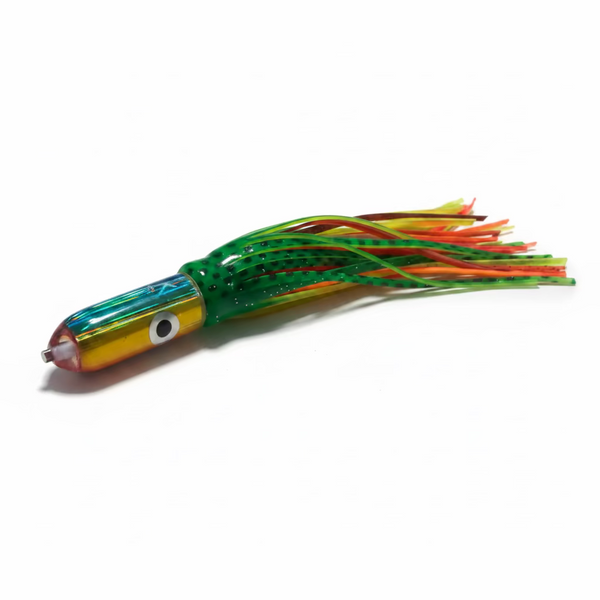
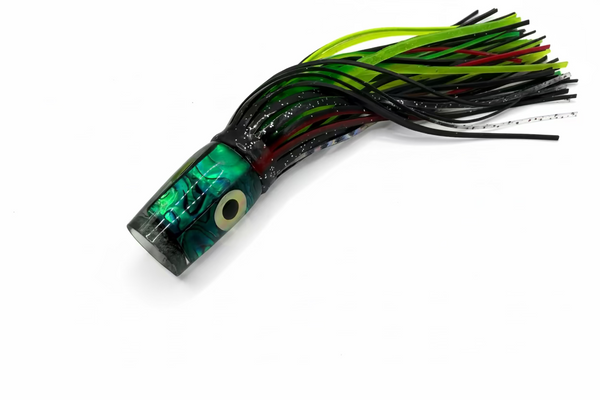
Flat-line trolling uses swimming plugs and cone-head lures to maintain targeted depths while preserving lure action. The flat line runs directly from the rod tip to the water without an outrigger, which keeps the lure close to the surface and in the prop wash. This position suits mahi, skipjack, and smaller tuna that feed in the top 10 feet of the water column.
Flat-line lure action depends heavily on equipment choices:
- Braided line reduces stretch and transmits action more directly than monofilament
- Bent-butt rods keep the line angle parallel to the water, reducing drag on the lure
- Cone-head lures track straight at higher speeds without spinning or fouling
- Swimming plugs with internal rattles add sound displacement to the vibration profile
Maintaining a parallel line angle reduces resistance and improves lure presentation at depth. A steep line angle pulls the lure toward the surface and kills its natural swimming motion. Keeping the rod tip low and the line flat solves this problem without changing lure or speed.
For big game lure depth positioning, flat lines work best in the 0-to-15-foot zone. Deeper presentations require planer boards or downriggers to maintain action at depth without sacrificing the lure’s designed movement profile.
6. Selecting lure action based on conditions and target species
Matching lure action to conditions is the most practical skill in offshore fishing. In low visibility or low-light conditions, high-displacement lure actions outperform bright colors in triggering strikes. Fish rely on vibration and motion cues when sight is limited. A lure that looks great but moves subtly will get ignored in murky water.
| Condition | Recommended Action | Reason |
|---|---|---|
| Clear water, calm seas | Pin tail or forked tail swimming action | Subtle vibration matches natural baitfish |
| Stained or choppy water | Paddle tail or popper | Heavy displacement cuts through noise |
| Low light or dawn/dusk | Pusher head or popper | Loud vibration compensates for poor visibility |
| Active feeding frenzy | Popper or pusher head | Reaction strike triggers dominate |
| Deep, slow bite | Swimming plug at depth | Sustained action at the fish’s holding depth |
Species preferences also shape the choice. Blue marlin respond strongly to pusher heads and large swimming lures. Yellowfin tuna favor fast-moving cedar plugs and small swimming lures. Mahi hit poppers and swimming plugs with equal enthusiasm. For a detailed breakdown by species, the blue marlin lure selection guide covers action preferences specific to that fishery.
Key takeaways
Lure action type is the primary variable in big game fishing success because it controls vibration, water displacement, and the sensory triggers that cause marlin, tuna, and mahi to strike.
| Point | Details |
|---|---|
| Lateral line drives strikes | Big game fish detect lure vibration before visual confirmation, making action the top priority. |
| Match action to water clarity | Use high-displacement actions in stained or low-light water; use subtle actions in clear conditions. |
| Tail geometry controls swimming action | Paddle tails thump for murky water; pin tails produce tight vibration for clear conditions. |
| Pusher heads excel in trolling spreads | Concave faces create erratic motion and bubble trails that trigger billfish and tuna. |
| Depth positioning preserves action | Flat-line angle and braided line maintain lure action at the target depth without distortion. |
What I’ve learned after years of running offshore spreads
The biggest mistake I see experienced anglers make is treating lure action as secondary to color or size. Color is the first thing you see in a tackle shop. Action is what actually catches fish. I spent two seasons running bright, flashy lures that looked incredible in the water and produced mediocre results. When I switched focus to action profiles and matched them to conditions, my hook-up rate changed noticeably.
The insight that shifted my thinking was understanding how the lateral line works. A marlin does not decide to eat your lure because it looks like a ballyhoo. It strikes because the pressure wave your lure produces reads as a distressed baitfish. Once you accept that, you stop chasing color trends and start paying attention to how your lure actually moves.
My practical recommendation: run two action types at once in your spread. Put a high-displacement pusher head in the prop wash and a subtle swimming lure on the flat line. You cover both reaction-strike and natural-feeding triggers simultaneously. When one position goes quiet, the other often heats up. That spread structure has produced fish for me in conditions where a single-action spread came up empty.
For tournament trolling position, action diversity across your spread matters as much as individual lure choice. The fish tells you which action it wants that day. Your job is to have both options in the water.
— Daniel
K2fishing offshore lures built for proven big game actions
K2fishing designs each lure around the action profile that produces strikes on marlin, tuna, and wahoo in real offshore conditions. Every lure is handcrafted in the USA using abalone resin, which delivers exceptional brightness and flash without sacrificing the swimming or pushing action the design requires.
The abalone resin construction gives K2fishing lures a natural iridescent quality that complements the vibration profile rather than replacing it. Anglers running K2fishing lures consistently report that the action holds true across a wide range of trolling speeds. Whether you need a pusher head for billfish or a swimming lure for yellowfin, the K2fishing lure collection covers the full range of big game action types with handcrafted quality behind every piece.
FAQ
What is lure action in big game fishing?
Lure action describes how a lure moves and displaces water during trolling or retrieval. Big game fish detect this movement through their lateral line, which makes action the primary trigger for strikes.
Which lure action works best for blue marlin?
Pusher head lures with concave faces produce the erratic, high-displacement action that blue marlin respond to most aggressively. Running them rigged with ballyhoo or naked at 7–10 knots covers most blue marlin scenarios.
Does lure action matter more than color for big game fish?
In low-light or stained water, lure action outperforms color because fish rely on vibration detection rather than sight. In clear water, both factors contribute, but action remains the primary trigger.
How does tail design affect swimming lure action?
Paddle tails produce a heavy, wide thump suited for murky or choppy conditions. Pin tails generate a tight, subtle vibration that works better in clear, calm water where fish are more selective.
What lure action suits flat-line trolling for tuna?
Swimming plugs and cone-head lures maintain consistent action on the flat line in the top 15 feet of the water column. Braided line and a low rod angle preserve the lure’s designed movement at trolling speed.