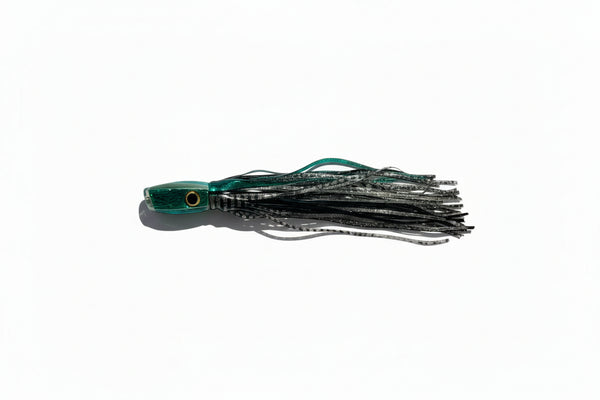
The wahoo, capable of bursts exceeding 60 mph, is one of the fastest predators in the ocean, demanding a fishing strategy that matches its velocity. Selecting the best offshore lures for wahoo is only the first step; success requires a commitment to high-speed trolling. This technique separates dedicated anglers from those who occasionally get lucky, turning a day on the water into a successful hunt.
Why High-Speed Trolling Is Key for Wahoo
Trolling at speeds between 12 and 18 knots is not a preference when targeting wahoo; it is a fundamental necessity. This approach is designed to trigger an instinctual, aggressive reaction strike from a predator built for velocity. Unlike the slower, more methodical trolling speeds used for tuna or marlin, high-speed wahoo trolling creates a presentation that mimics fleeing prey, giving the fish no time to inspect or hesitate. This forces an immediate commitment.
Wahoo are high-velocity sight feeders that ambush their targets with explosive speed. A fast-moving lure perfectly imitates the panicked escape of a baitfish, appealing directly to this predatory programming. The primary technical challenge this creates is maintaining lure stability and depth. At these velocities, improperly designed or weighted lures will surface, spin, or tumble, rendering them completely ineffective. Therefore, lure selection and design are paramount to success in this demanding fishery.
Essential Characteristics of Performance Wahoo Lures
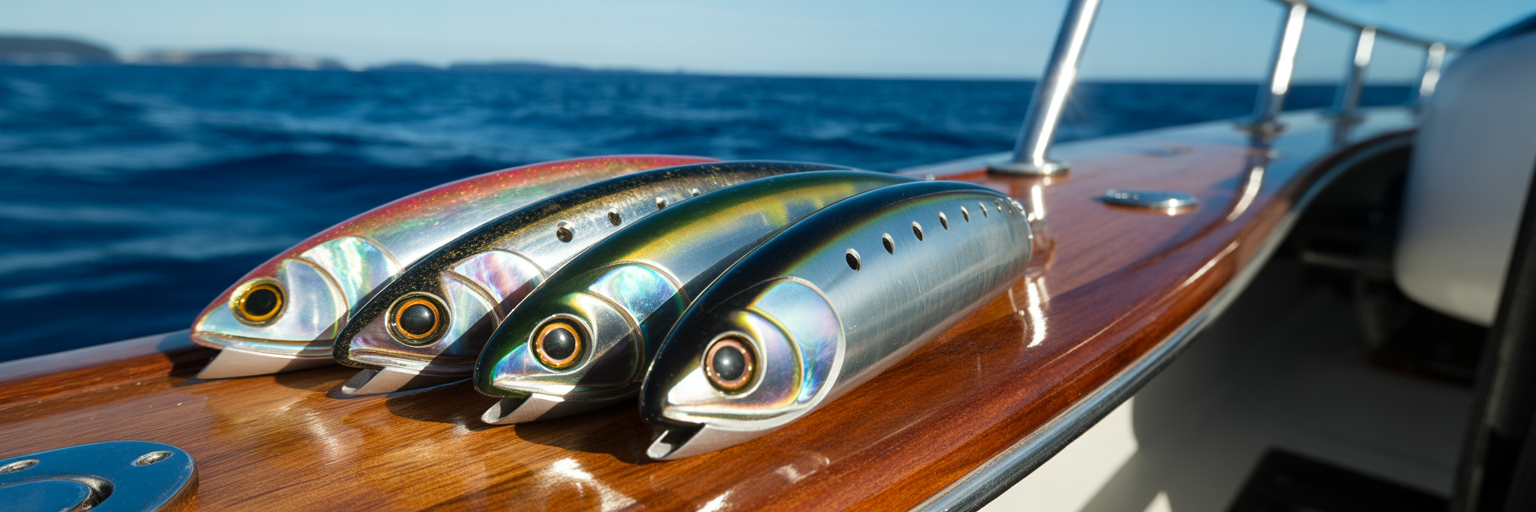
A lure’s ability to perform under extreme speed is determined by its physical characteristics. Three pillars define a high-performance wahoo lure: weight, hydrodynamics, and construction. First, substantial weight is non-negotiable. Heavy trolling lures with heads made of stainless steel, lead, or high-density resin are essential for keeping the lure submerged and tracking true at 15 knots or more. This inherent weight reduces the reliance on heavy trolling leads and ensures the lure stays in the strike zone.
Next, the lure’s shape must be engineered for speed. Hydrodynamic designs, such as bullet-style heads and jet heads with water-channeling ports, are built to cut through the water with minimal resistance. This prevents the lure from spinning or tumbling, allowing it to maintain a stable and enticing swimming action even at the highest trolling speeds. An unstable lure is an unproductive lure.
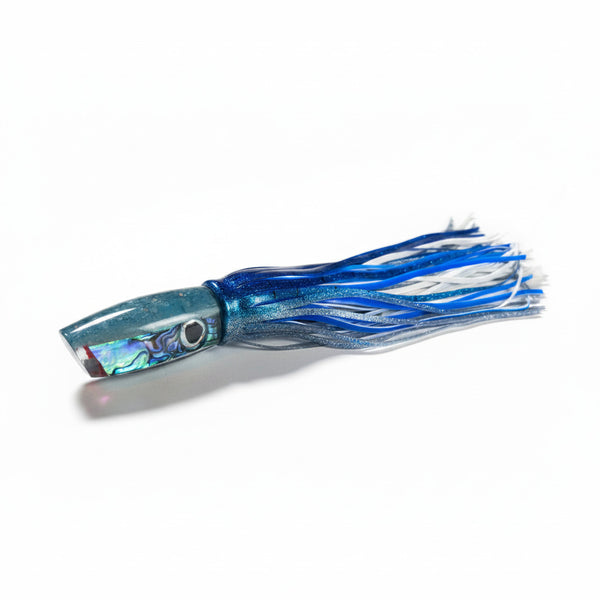
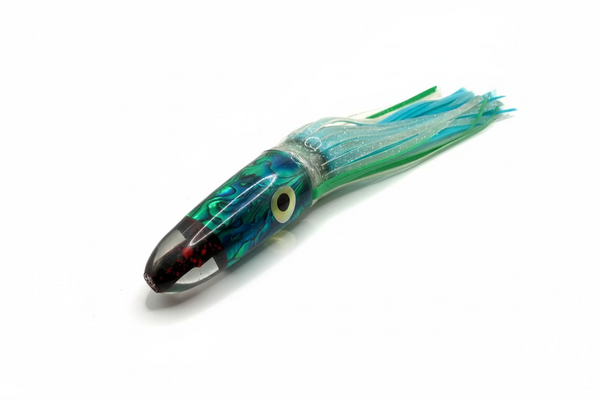
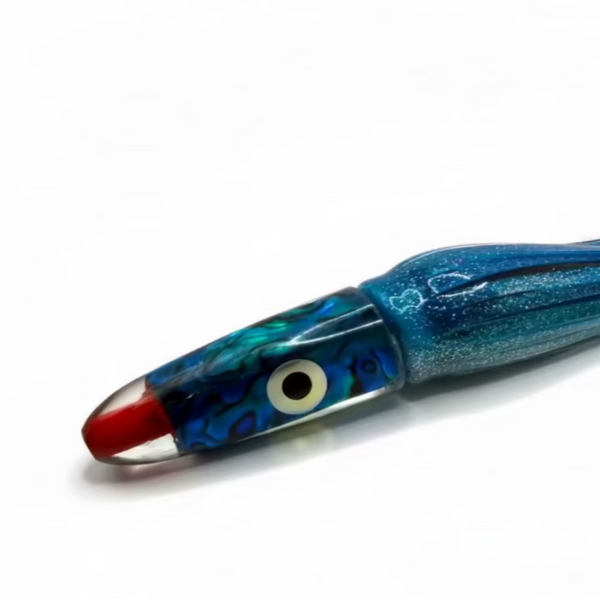
Finally, robust construction is critical. The impact of a wahoo strike is incredibly violent, and their razor-sharp teeth can destroy inferior gear. Performance lures feature through-wired components, ensuring the hook and leader connection remains intact even if the lure body is damaged. Resilient materials and premium finishes are necessary to withstand repeated abuse. Visual attraction remains important, and the unmatched flash of abalone shell inlays, like those found in our Blue Large Resin Abalone lure, creates a powerful stimulus that is highly visible to predators even at high speeds.
Proven Lure Types for High-Speed Applications
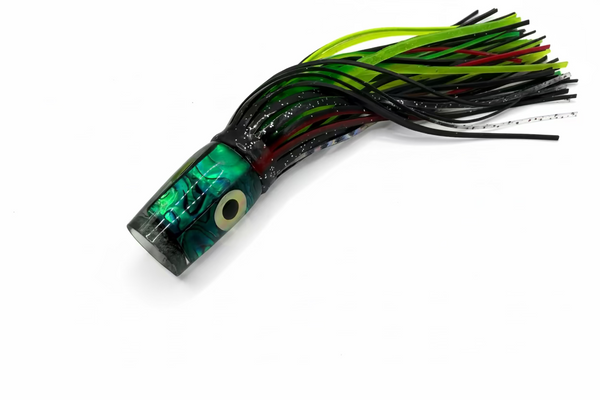
An experienced captain’s arsenal contains a specific range of lures proven to excel in high-speed applications. Weighted jet-head lures are a staple, as they create a thick bubble trail that conceals the leader and draws aggressive strikes. The turbulence and visual disturbance are highly effective at attracting wahoo from a distance.
High-speed plugs and lipless minnows represent another critical category. These lures are engineered with internal weight systems and specific body shapes that allow them to run true and deep without assistance. Their built-in swimming action is consistent and predictable, making them a reliable choice for covering water and targeting fish holding at specific depths.
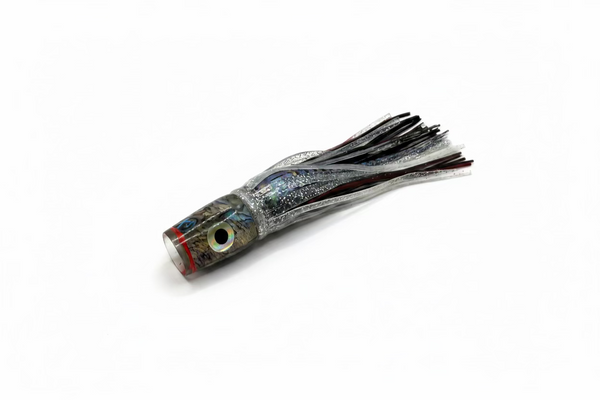
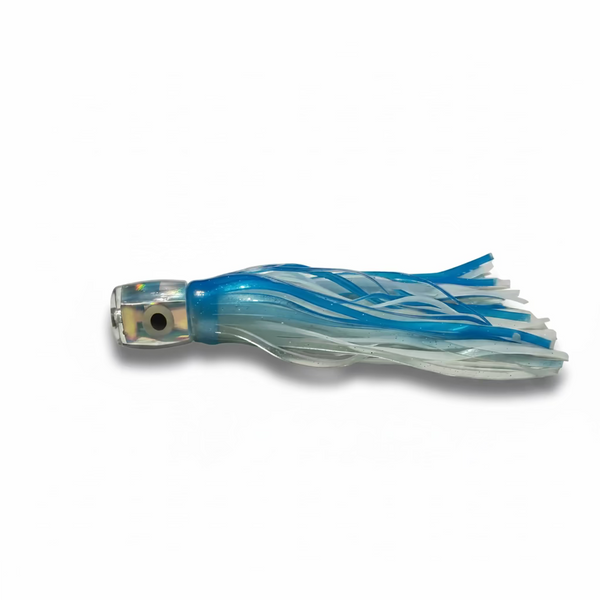
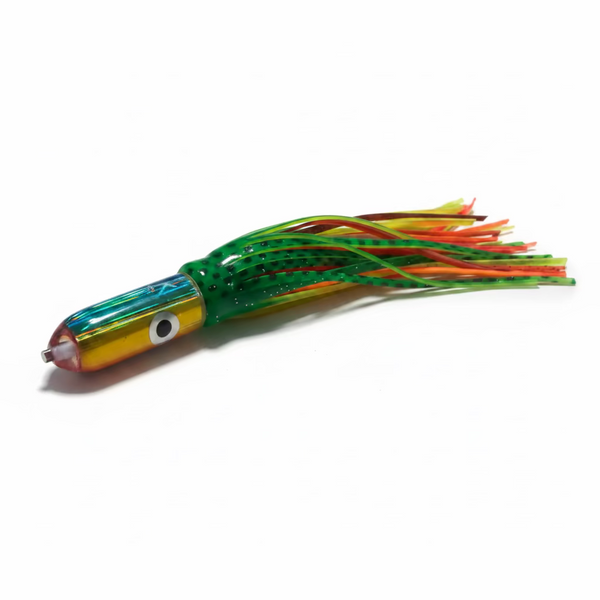
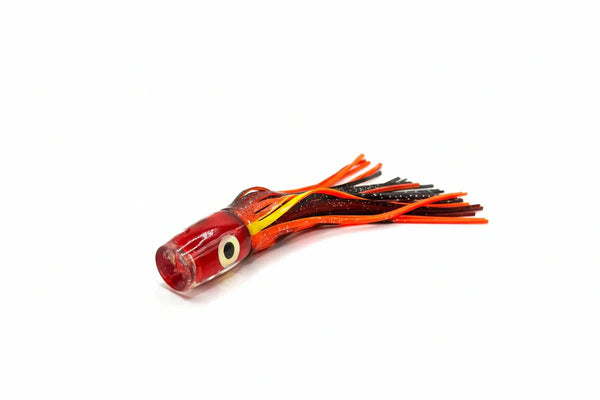
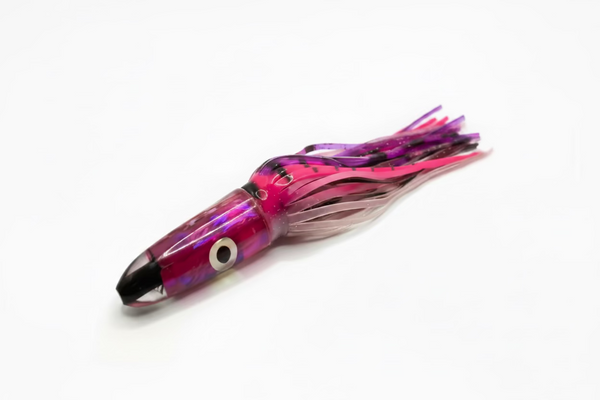
The classic heavy, bullet-head skirted lure remains one of the best offshore lures for wahoo due to its simplicity and effectiveness. Its streamlined profile offers minimal resistance, allowing it to be pulled at extreme speeds while presenting a lifelike silhouette. To enhance any of these presentations, trolling chains or teasers can be deployed ahead of the main lure. This simulates a small school of bait, increasing the spread’s visibility and drawing fish into the hook baits. To explore a full arsenal of these proven designs, you can browse our complete collection.
Terminal Tackle and Rigging for Razor-Sharp Teeth
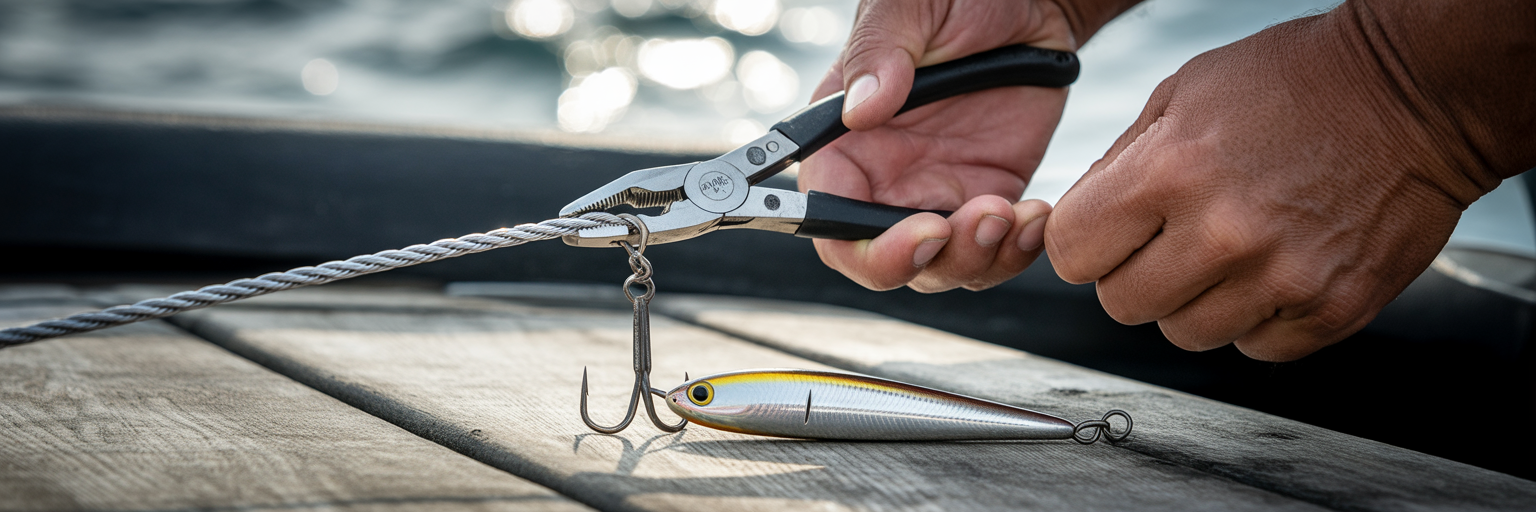
Even the best lure is useless if the terminal tackle fails. A proper wahoo trolling lure setup is a system built to withstand extreme forces and prevent cut-offs from their formidable teeth. There is no room for compromise in this area.
- Bite-Proof Leaders: The use of a wire leader is non-negotiable. 400-pound test stainless steel cable is the industry standard for its strength and resistance to kinking. As experts at Marlin Magazine confirm, monofilament or fluorocarbon leaders will be severed instantly.
- Premium Hooks: Hook selection should prioritize strength and sharpness. Whether using a single or double hook rig, the hooks must be robust enough to handle the initial impact and sustained pressure of a powerful fish.
- Secure Connections: All connections must be built with heavy-duty crimps and chafe gear. Every point in the system, from the swivel to the hook, is a potential point of failure and must be rigged with precision.
- Optimal Leader Length: A leader length of 6 to 10 feet provides enough protection from the wahoo’s teeth while remaining manageable. This length also helps distance the lure from any bubble trail created by a trolling lead.
Structuring a Productive High-Speed Trolling Spread
Deploying a single lure is effective, but a structured spread dramatically increases your chances by covering more of the water column. The core principle of advanced wahoo fishing techniques is staggering lure depths and distances using trolling leads of varying weights, typically from 16 to 64 ounces. This creates a multi-level presentation that mimics a panicked school of baitfish scattered throughout the water.
A typical four-to-six line spread is designed to cover multiple zones behind the boat. Each position has a specific purpose, from the deep-running corner baits to the long shotgun lure targeting wary fish in clean water. The following table outlines a proven starting point.
| Position | Lead Weight | Lure Placement | Purpose |
|---|---|---|---|
| Short Corner (Port) | 48-64 oz | 2nd or 3rd Wake Wave | Deepest lure, targets fish attracted to prop wash |
| Short Corner (Starboard) | 32-48 oz | 3rd or 4th Wake Wave | Runs slightly shallower than the port corner |
| Long Rigger (Port) | 16-24 oz | 5th or 6th Wake Wave | Covers the mid-depth water column further back |
| Long Rigger (Starboard) | 16-24 oz | 6th or 7th Wake Wave | Mirrors the port rigger, creating a wide presentation |
| Shotgun | 0-16 oz | Way, way back (WWB) | Targets wary fish in clean water far behind the boat |
This tiered positioning ensures you are presenting lures at various depths and distances, maximizing your coverage. A professional tip is to use different colored lures in each position. This allows you to instantly identify which lure was hit, providing valuable data to refine your strategy. While these techniques are highly specific, you can explore proven strategies for other big-game species on our fish-by-species guide.
Executing the Strike and Managing the Fight
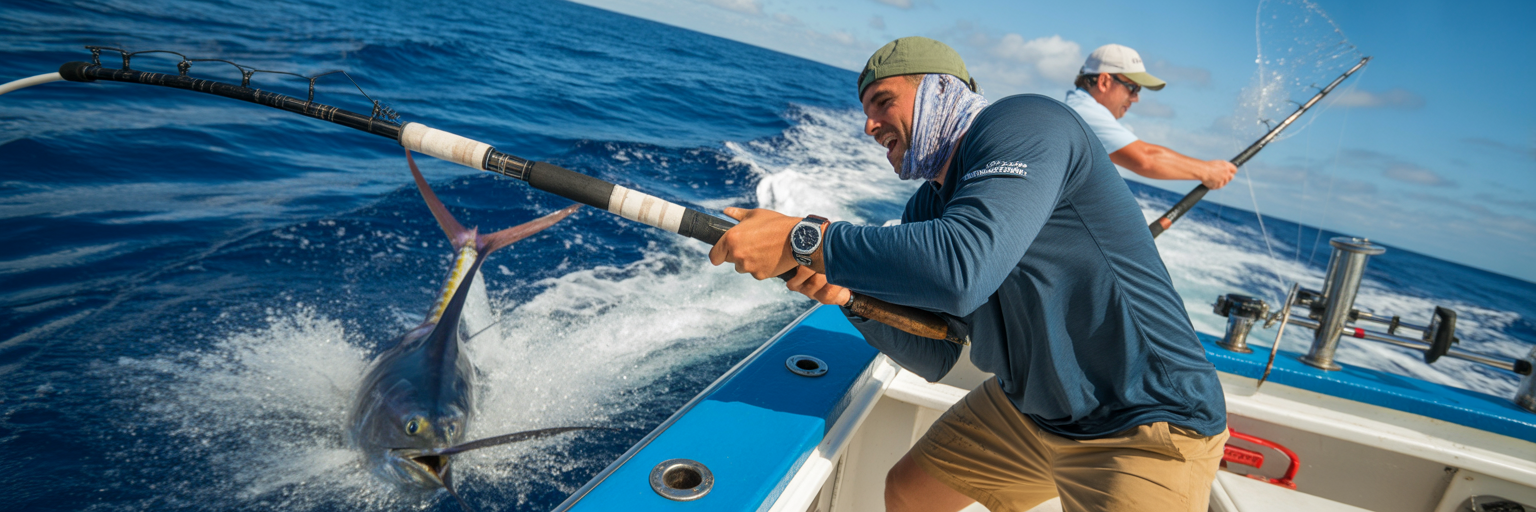
Knowing how to catch wahoo extends beyond the initial strike. The moments immediately following a hookup are critical and require a coordinated effort from the entire crew. A disciplined response ensures the fish stays connected and can be brought to the boat.
- Maintain Pressure: The captain’s first action should be to smoothly throttle back to 5-6 knots. Do not take the boat out of gear. This maintains crucial pressure on the line, preventing the hook from dislodging as the wahoo makes its initial blistering run.
- Set the Drag Correctly: The drag should be pre-set to 20-30% of the line’s breaking strength. This provides enough resistance to set the hook firmly while allowing the fish to take line without snapping it during its powerful runs.
- Clear the Lines: The crew must work quickly and efficiently to clear all other lines from the water. This prevents tangles and gives the angler a clear, unobstructed path to fight the fish without interference.
- Fight with Composure: The angler’s job is to maintain steady, consistent pressure. Wahoo are known for multiple high-speed runs. The angler must be prepared to gain line when possible and yield it under pressure, keeping the line tight at all times to successfully land the fish.