Mahi-Mahi, Red Snapper, and Haddock are the top fish families can target offshore because they combine frequent bites, manageable fighting strength, and wide regional availability. Knowing what fish can families target offshore makes the difference between a trip kids beg to repeat and one they endure. The best family-friendly offshore fishing focuses on species that keep rods bending, not ones that demand hours of silent waiting. This guide covers the right species, the right trip length, and the techniques that keep every angler on board engaged.
What fish can families target offshore?
The three species that consistently deliver for families are Red Snapper, Mahi-Mahi, and Haddock. Each one offers a different experience, but all three share the qualities that matter most when kids are on board: reliable action, visual excitement, and a fight that does not last so long it becomes exhausting.
Red Snapper and Vermillion Snapper
Red Snapper and Vermillion Snapper are bottom fish, which means your family drops a baited hook to the seafloor and waits for a bite that usually comes fast. Snapper are aggressive feeders. Kids feel the tug almost immediately, which keeps attention locked in. The fight is strong enough to feel exciting but short enough that a child aged 8 or older can handle it with minimal help. Vermillion Snapper, sometimes called “beeliners,” are smaller and even more willing to bite, making them a perfect first fish for younger kids.
Mahi-Mahi
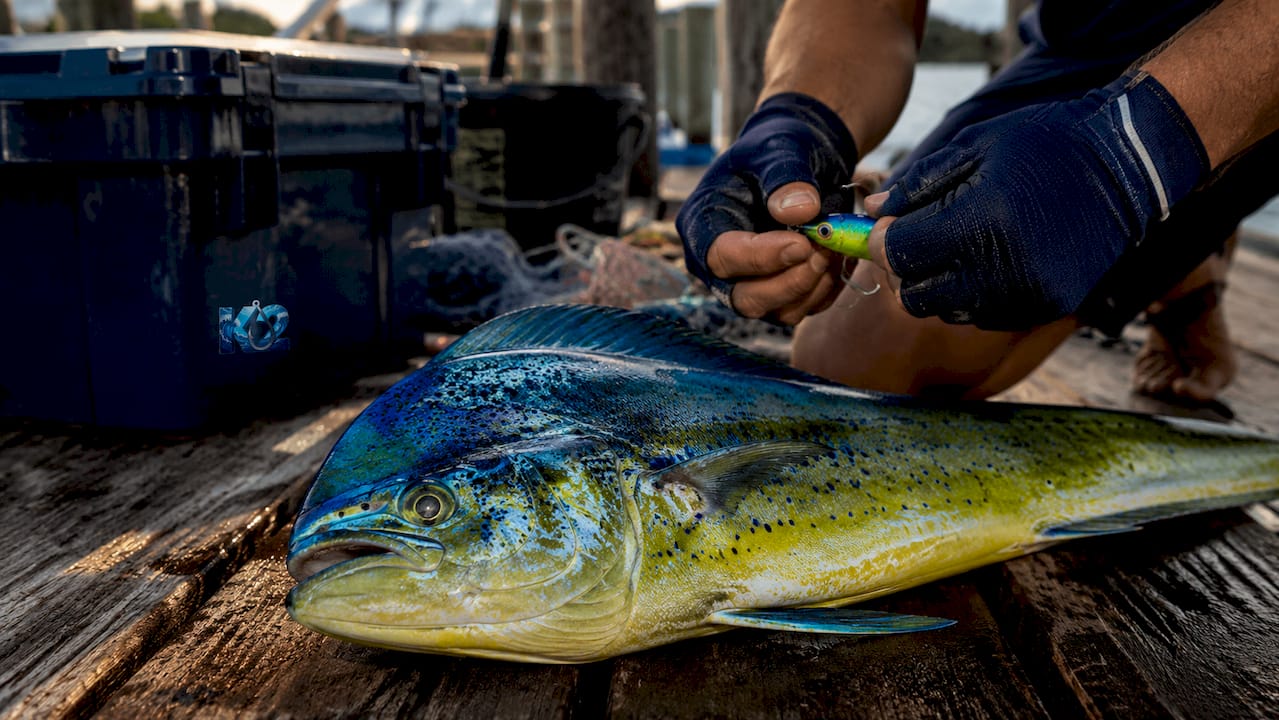
Mahi-Mahi, also called Dorado, are the showpiece species of family offshore trips. They are fast, colorful, and they jump. That visual drama is something kids talk about for years. Mahi-Mahi are typically caught by trolling or by pitching bait to floating debris and weed lines. The fish species directory at K2fishing covers Mahi-Mahi behavior and bait preferences in detail. Their average size runs 10–30 pounds, which is challenging but manageable with light to medium tackle.
Haddock
Haddock is the go-to species for families fishing the Northeast, particularly off New England and the Mid-Atlantic coast. They live in 70–300 feet of water, respond well to simple bottom rigs, and bite consistently throughout the day. Haddock do not put up a dramatic fight, but they produce steady action. That steady action is exactly what keeps younger kids from losing interest.
Pro Tip: Target Vermillion Snapper or Haddock for children under 10. Both species bite frequently and fight at a pace kids can manage without crew intervention.
How does trip length affect family fishing success?
Half-day trips of 4–6 hours are the most popular entry point for families with children. That duration is long enough to reach productive water and fill a cooler, but short enough to avoid the fatigue and seasickness that derail younger anglers. Full-day trips of 8–10 hours work well for families with teenagers, but they demand more preparation and a higher tolerance for open-water conditions.
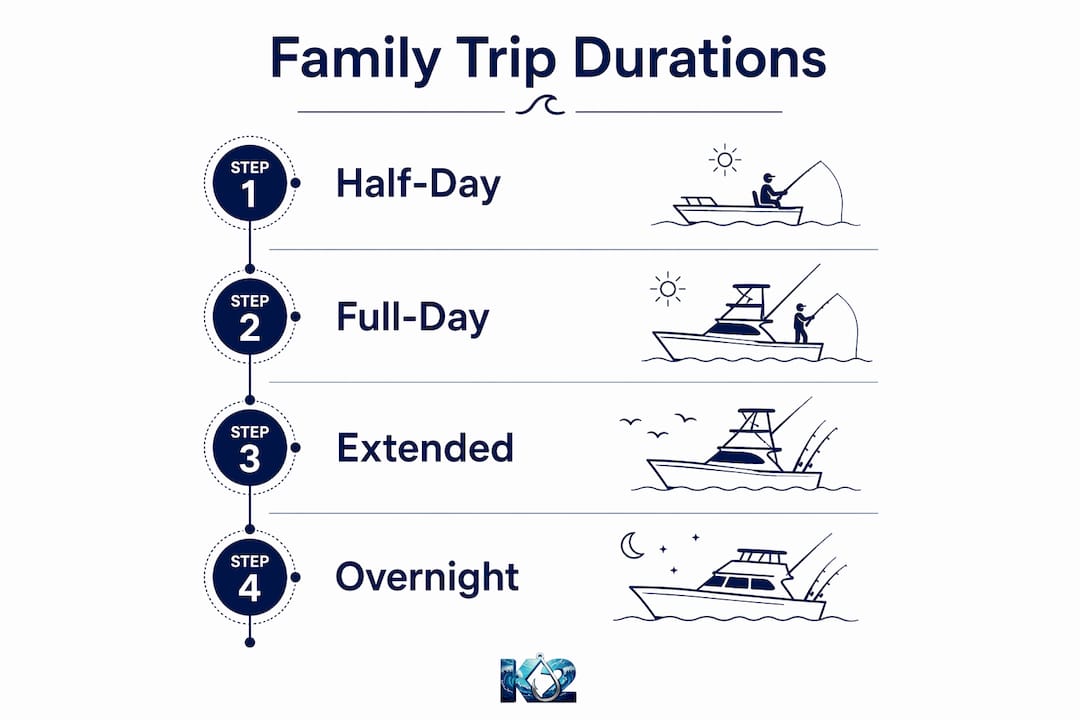
Family charters travel 3 to 20 miles offshore to reach depths of 80–300 feet. That range puts you in calm, productive water without a two-hour run each way. Regional conditions shift this window. Families fishing the Gulf of Mexico often reach productive snapper grounds within 10 miles. Families on the Atlantic coast may need to run farther to find clean water and the right depth.
| Trip type | Duration | Distance offshore | Typical species |
|---|---|---|---|
| Half-day family trip | 4–6 hours | 3–15 miles | Snapper, Haddock, Grouper |
| Full-day family trip | 8–10 hours | 10–30 miles | Mahi-Mahi, Tuna, Wahoo |
| Nearshore half-day | 3–4 hours | 1–5 miles | Flounder, Sea Bass, Snapper |
| Offshore extended | 10–12 hours | 20–50 miles | Marlin, Swordfish, large Tuna |
Seasonal timing also shapes species availability. Mahi-Mahi peak in late spring through early fall across most of the Atlantic and Gulf. Snapper seasons vary by state and are regulated by NOAA Fisheries, so check local rules before booking. The regional offshore fishing guide at K2fishing breaks down seasonal windows by coast.
What fishing techniques work best for families offshore?
Bottom fishing and trolling are the two primary methods for family offshore trips. Each has a distinct feel, and the right choice depends on the age and patience level of the kids on board.
Bottom fishing delivers more frequent bites and immediate feedback, which is why it suits younger children best. You drop a weighted rig to the seafloor, feel the tap of a bite, and reel up. The cycle repeats every few minutes when fish are active. That rhythm keeps kids locked in. Bottom fishing also requires less physical coordination than trolling, so children as young as 5 or 6 can participate meaningfully.
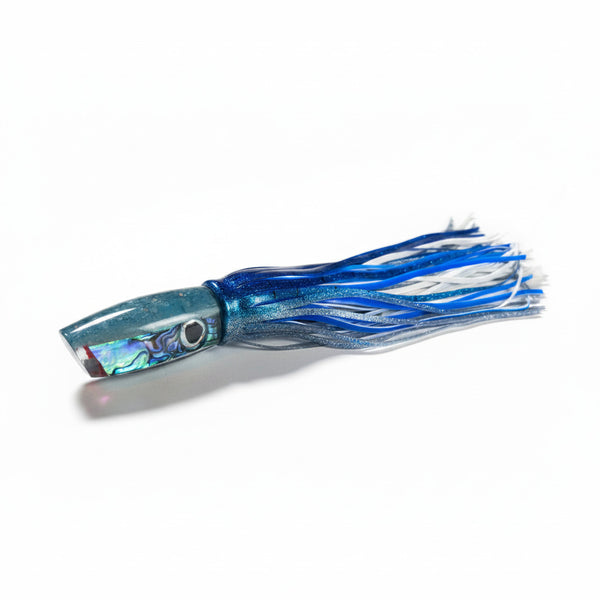
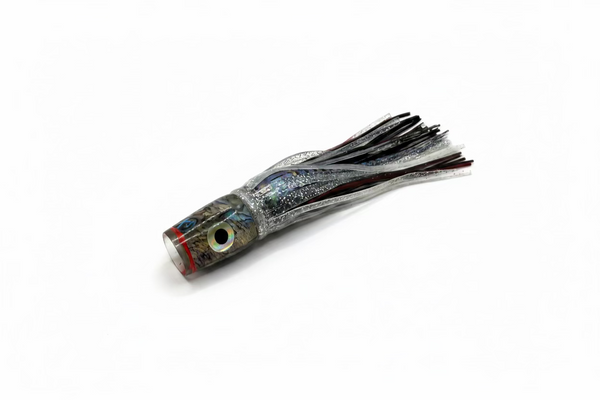
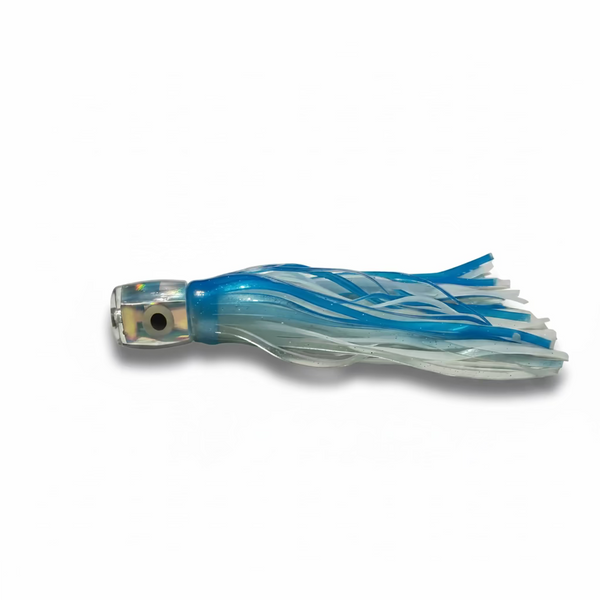
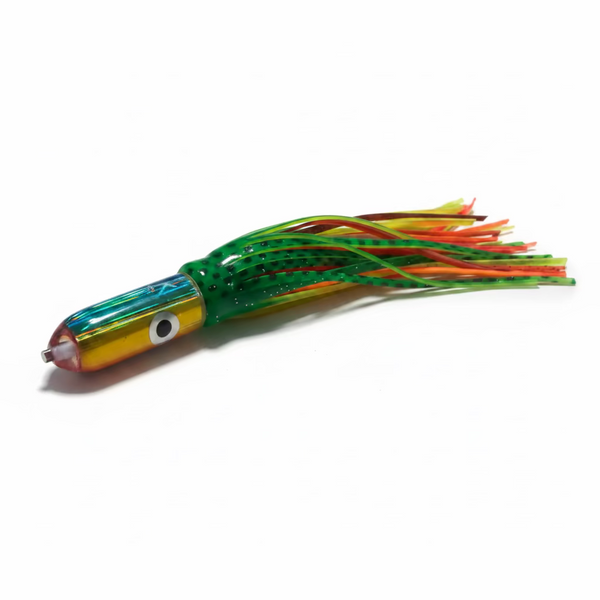
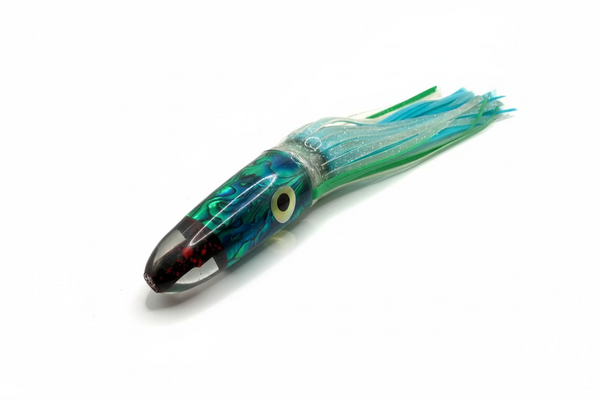
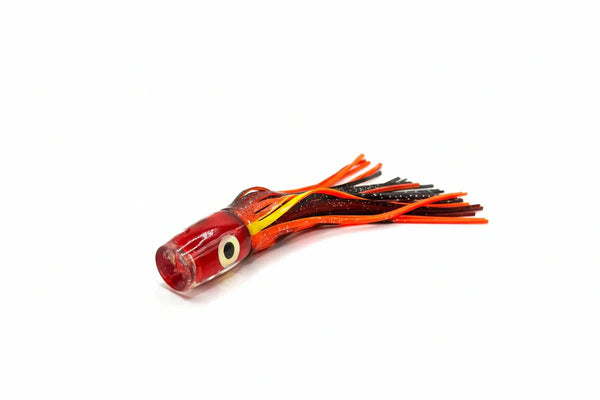
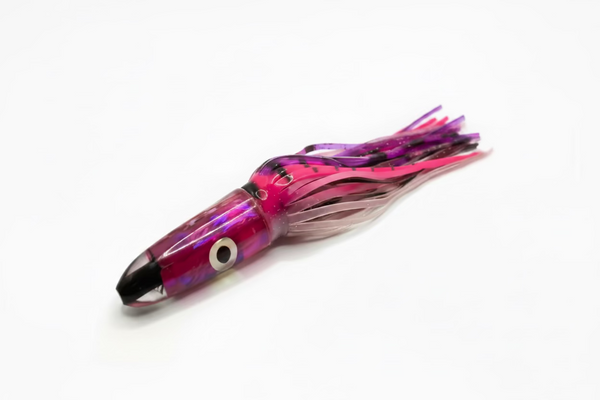
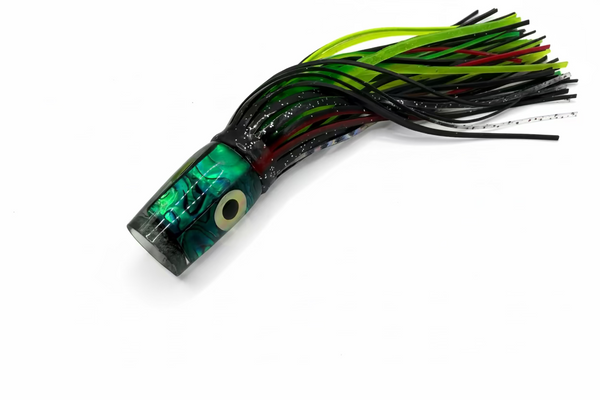
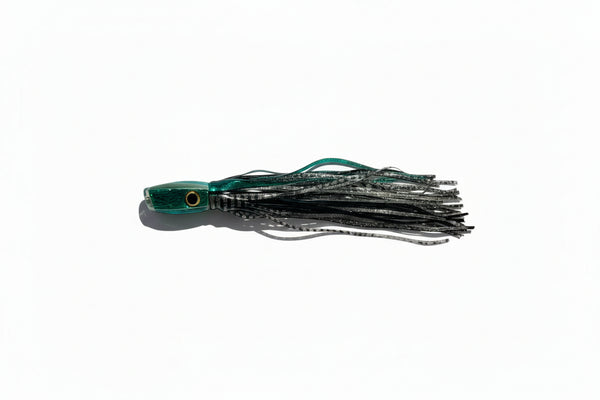
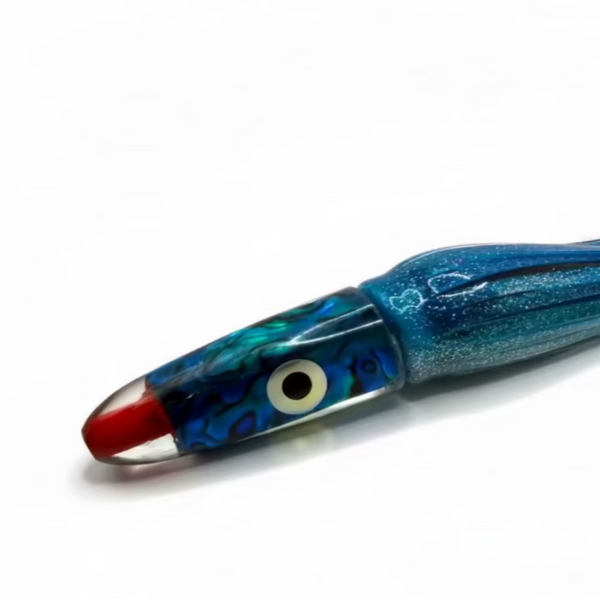
Trolling builds anticipation differently. Lines trail behind a moving boat, and the strike comes without warning. That sudden explosion of action is thrilling, but it requires patience during the quiet stretches between bites. Trolling combined with shorter trips is most effective for keeping kids engaged. K2fishing’s abalone resin trolling lures are built specifically for offshore trolling, with a brightness and flash that draws Mahi-Mahi and Tuna from a distance. The handcrafted construction holds up through repeated strikes, which matters when kids are learning to fight fish.
Pro Tip: Book a private charter instead of a party boat. Private captains adjust the pace, switch between bottom fishing and trolling based on the kids’ energy, and spend time teaching rather than managing a crowd.
Gear for family trips should be simple and durable:
- Medium spinning rods in the 15–30 pound class for bottom fishing
- Braided line for better sensitivity and less stretch
- Circle hooks to reduce gut-hooking and make release easier
- A fighting belt or rod holder for younger kids fighting larger fish
- Polarized sunglasses for spotting surface activity and weed lines
What challenges do families face on offshore trips?
The biggest challenge on any family offshore trip is managing attention spans during slow periods. Trolling requires long waits that test children’s patience, and a 45-minute quiet stretch can turn excitement into restlessness fast. The solution is not to avoid trolling entirely. It is to pair trolling with a bottom fishing stop so kids get both the anticipation of a trolling strike and the steady action of bottom fishing.
Seasickness is the second challenge families underestimate. Open water beyond 10 miles can produce swells that affect even adults. Give children non-drowsy motion sickness medication at least one hour before departure. Keep kids on deck in fresh air and focused on the horizon rather than below deck. Ginger chews are a practical backup that many charter captains keep on board.
Big fish create a third challenge. A 20-pound Mahi-Mahi on light tackle is a serious fight for a child. Crew assistance with heavy gear allows kids to participate meaningfully even when catching large fish. The child holds the rod and feels the fight while a crew member guides the process. The catch still belongs to the kid, and the confidence that builds from landing a big fish is real.
Packing smart reduces friction throughout the trip:
- Reef-safe sunscreen applied before boarding
- Snacks and water for every two hours on the water
- Light layers for wind and spray, even in summer
- A small bag for personal items that stays out of the way
- Motion sickness bands as a backup to medication
Consistency in bite action matters more than targeting trophy fish to keep kids focused and prevent disappointment. A family that catches 20 Vermillion Snapper leaves happier than one that chases a single Marlin and comes home empty-handed.
Key Takeaways
The best offshore fishing trips for families prioritize frequent bites, manageable species, and half-day durations over trophy hunting and long runs offshore.
| Point | Details |
|---|---|
| Best species for families | Red Snapper, Mahi-Mahi, and Haddock offer frequent bites and manageable fights for kids. |
| Ideal trip length | Half-day trips of 4–6 hours reduce fatigue and keep children engaged throughout. |
| Bottom fishing first | Bottom fishing delivers faster action and suits children under 10 better than trolling. |
| Private charters win | Private captains adjust pace and teach kids, creating a better experience than party boats. |
| Crew support builds confidence | Kids gain real confidence by fighting large fish with guided crew assistance. |
What I’ve learned after years of watching families fish offshore
The families that have the best offshore trips are almost never the ones chasing the biggest fish. They are the ones who picked the right species, booked the right captain, and set realistic expectations before they left the dock.
The patience and teaching ability of the crew define a family charter more than any other factor. I have seen families on beautiful boats with top-end gear have a miserable time because the captain was focused on his own agenda. And I have seen families on modest boats catch fish all day because the captain treated the trip like a floating classroom. That distinction is the most important variable you can control when booking.
The other thing families consistently get wrong is species selection. Parents often want to target Marlin or Swordfish because those names carry prestige. But a 7-year-old who waits four hours for a single bite and then watches a 200-pound fish spool the reel and break off does not come home a fishing convert. A 7-year-old who catches 15 Snapper, sees a Mahi-Mahi jump three times, and eats what they caught for dinner? That kid is hooked for life.
Balance matters too. Mix bottom fishing with a trolling pass. Let kids reel in the small fish and get crew help on the big ones. Bring snacks. Take photos. The goal is not a personal best. The goal is a memory that makes your family want to go back.
— Daniel
Gear and lures for your next family offshore trip
Planning a family offshore trip means thinking about what goes in the water, not just what goes in the cooler. The right lure on a trolling spread can turn a slow morning into a Mahi-Mahi frenzy before the kids finish their snacks.
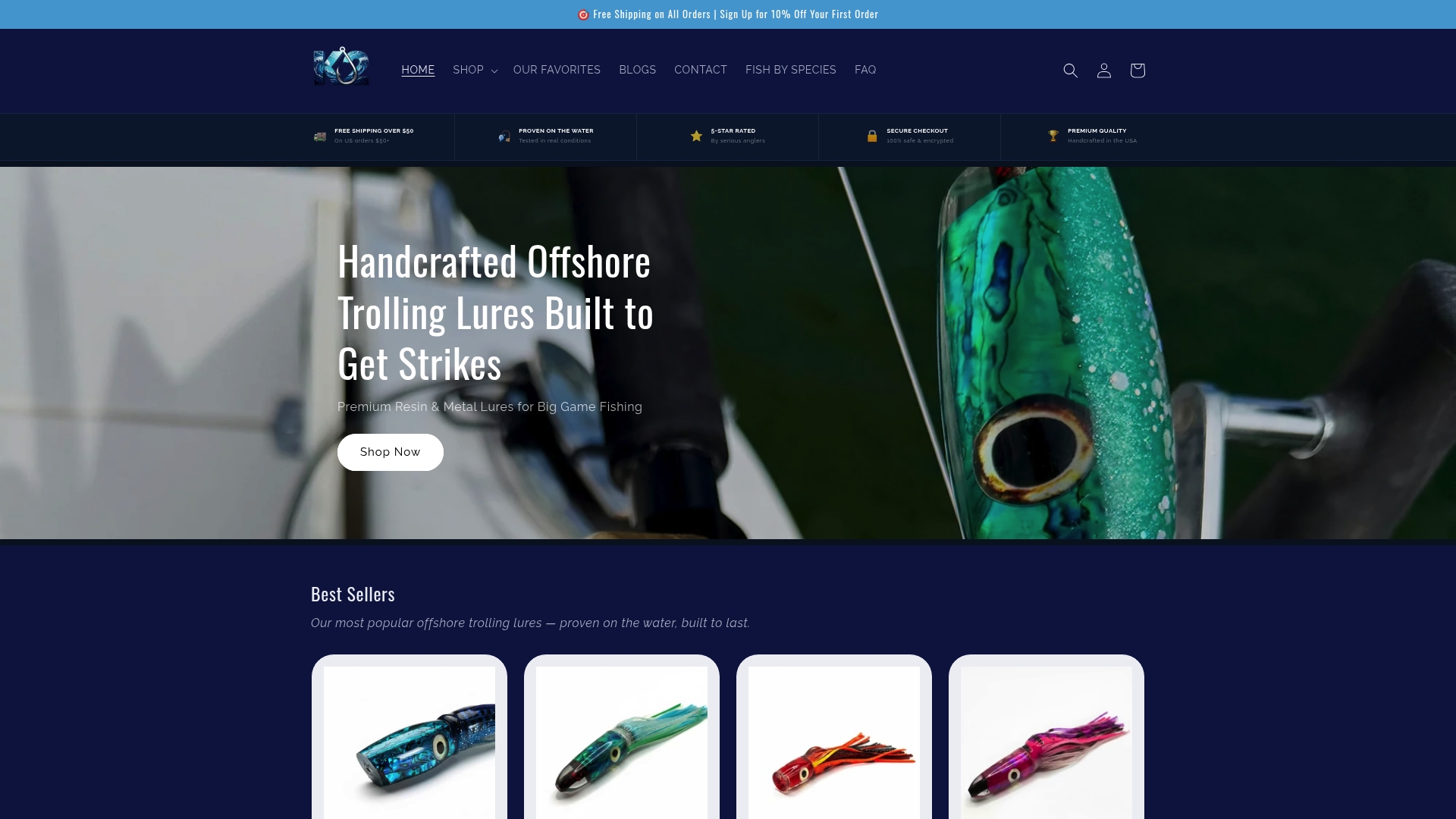
K2fishing handcrafts its offshore trolling lures in the USA using abalone resin, a material that produces a brightness and flash that draws fish from a distance. The Mahi-Mahi lure collection is built specifically for the species most families want to target, with color patterns and action profiles tested in real offshore conditions. For families with questions about which lure to run and at what position, the offshore lure FAQ page covers setup, depth, and speed in plain language. K2fishing lures carry five-star ratings from anglers who fish these species regularly, and every lure ships ready to rig.
FAQ
What are the best fish species for kids offshore?
Red Snapper, Vermillion Snapper, and Mahi-Mahi are the best species for kids offshore because they bite frequently and fight at a pace children can manage. Haddock is the top choice for families fishing the Northeast.
How long should a family offshore fishing trip be?
Half-day trips of 4–6 hours are the best length for families with children, reducing fatigue while still reaching productive fishing grounds.
Is bottom fishing or trolling better for families?
Bottom fishing is better for younger children because it produces faster, more frequent bites. Trolling works well when combined with a bottom fishing stop to maintain engagement throughout the trip.
How far offshore do family charters typically go?
Most family charters travel 3 to 20 miles offshore to reach depths of 80–300 feet, where calmer water and active fish grounds make for a productive and comfortable trip.
Can young kids handle big offshore fish?
Yes. Crew assistance with heavy gear lets kids hold the rod and feel the fight while staff guides the process, so children get full credit for the catch without being overwhelmed.