Baitfish schools are the single most reliable indicator of where predatory fish feed offshore. Understanding the role of baitfish schools in trolling strategy means understanding how marlin, tuna, and wahoo hunt. These species do not roam randomly. They follow forage. When you position your spread around an active bait school, you stop guessing and start fishing where the action already is. This guide covers the biology behind schooling behavior, the gear that replicates it, and the tactical adjustments that turn more strikes into landed fish.
How do baitfish schools influence predatory fish behavior during trolling?
Baitfish schools are not just food sources. They are behavioral triggers. Predators like yellowfin tuna and blue marlin key in on schools because concentrated prey reduces the energy cost of hunting. Schooling fish save up to 20% of their energy by swimming in tight formation. That efficiency makes them abundant and predictable prey, which is exactly why predators patrol the same zones where schools appear.
The visual confusion effect is the other side of the equation. A dense school creates a disorienting wall of movement that makes it hard for a predator to single out one fish. That confusion protects the school as a whole. The predator’s solution is to target the edges, picking off fish that stray from the formation. This is the biological principle behind every effective trolling spread.
Three reliable signs tell you a bait school is active nearby:
- Diving birds. Gannets and terns diving are the most dependable real-time indicator of baitfish and feeding predators below. Steer toward working birds immediately.
- Surface disturbance. Nervous water, flickering baitfish, or sudden ripples in calm conditions signal a school being pushed from below.
- Sonar marks. A dense, suspended cloud on your fish finder between 20 and 80 feet is a bait school. Predators often show as individual arcs just below or around it.
The impact of schools on fishing is direct. No bait school means no feeding predators. Find the school, and you find the fish.
What trolling gear and lure setups best simulate baitfish schools?
The goal of your trolling spread is to recreate the visual and behavioral signals of a real bait school. Two tools do this better than anything else: spreader bars and dredges.
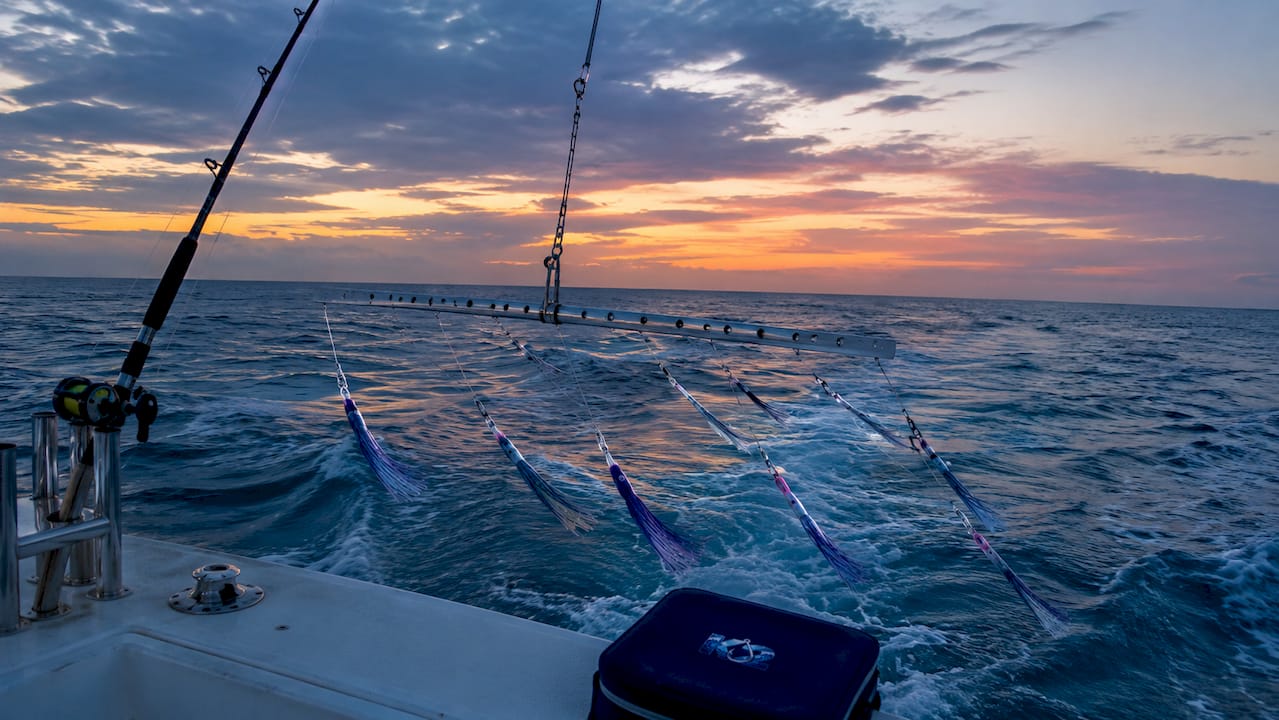
Spreader bars use 6–15 hookless teasers to mimic a tight cluster of baitfish. They run 40–125 feet behind the boat, creating a school-like formation at the surface. Dredges operate 10–30 feet deep and simulate the subsurface layers where bait schools actually live. Together, they cover the full water column that predators scan when hunting.
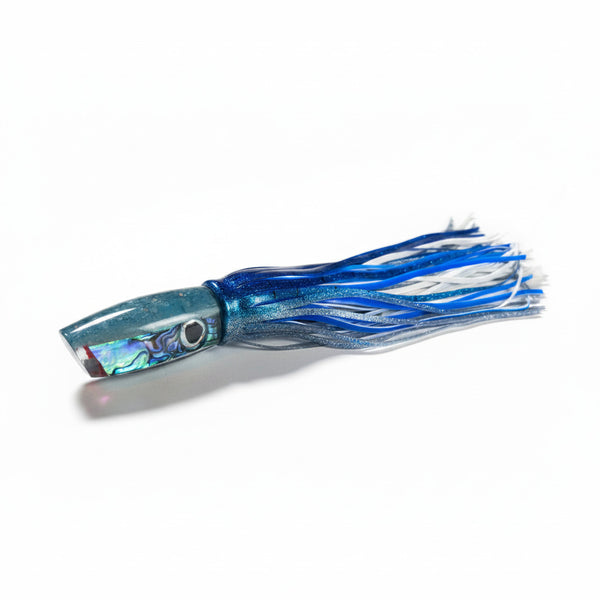
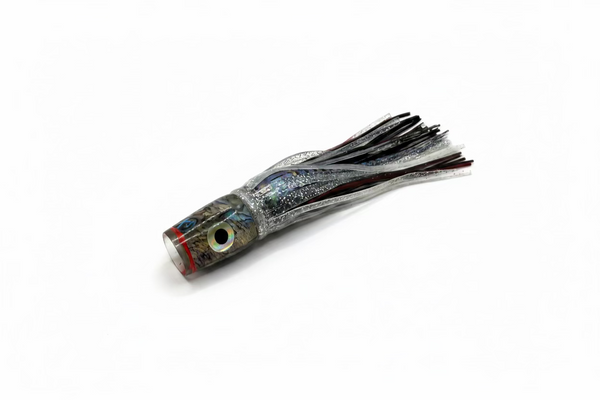
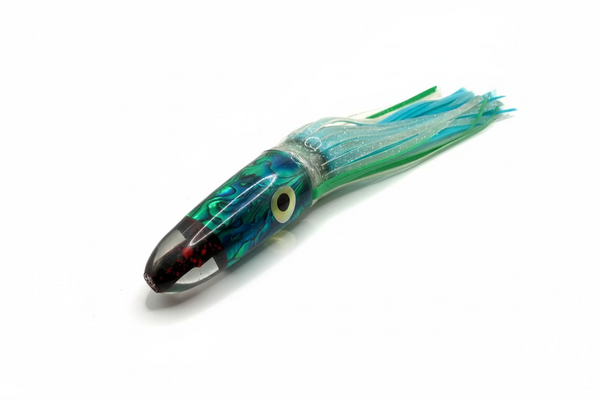
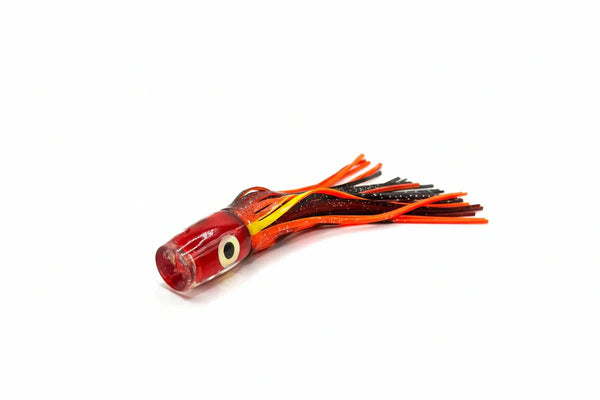
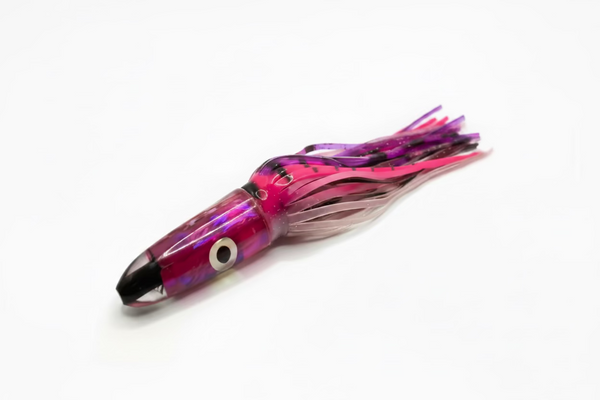
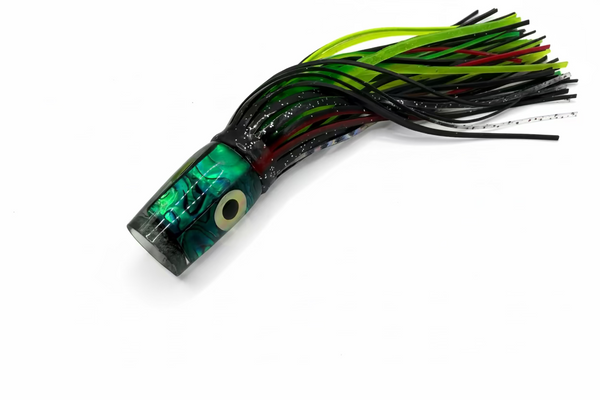
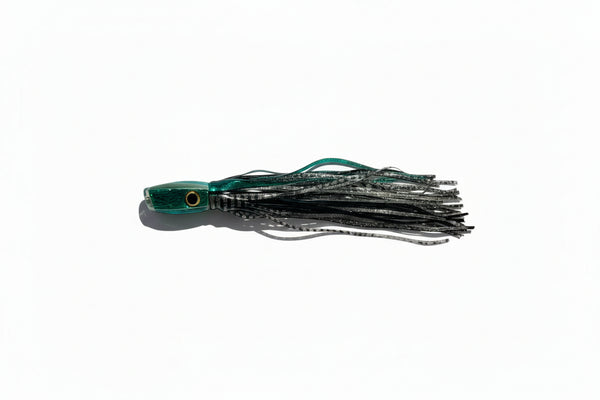
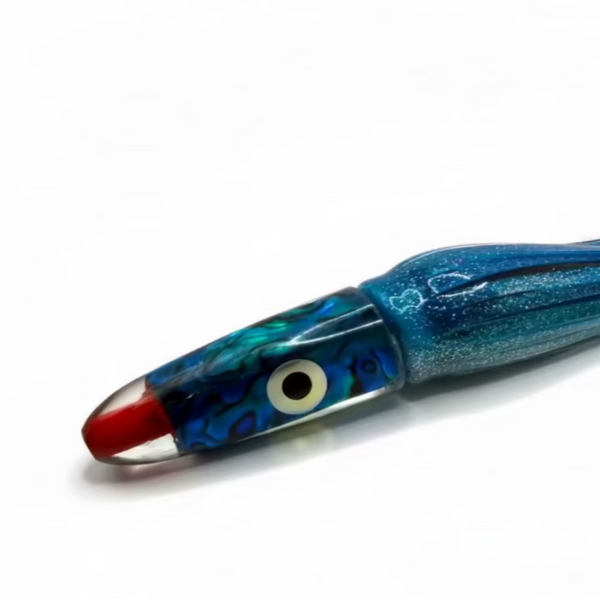
Lure choice within that spread matters just as much as the hardware. Vision drives schooling behavior, and lures with high flash and contrast exploit the same visual mechanisms that hold a school together. Abalone resin lures, like those handcrafted by K2fishing, produce a shifting, iridescent flash that performs across varying light conditions. That flash mimics the lateral line reflection of real baitfish more closely than flat painted surfaces.
| Setup element | Function | Best application |
|---|---|---|
| Spreader bar (6–15 teasers) | Simulates surface bait school | Marlin, tuna, mahi-mahi |
| Dredge (10–30 ft depth) | Covers subsurface bait layers | Wahoo, deep-feeding tuna |
| High-flash abalone lure | Replicates baitfish lateral flash | All offshore species |
| Hookless teaser cluster | Creates visual confusion effect | Draws predators into strike zone |
Pro Tip: Run your hook-bait 3–5 feet behind the teaser cluster, not inside it. Predators target the straggler at the edge, not the center of the school.
How do trolling speed and lure positioning affect school simulation?
Speed is the variable most anglers get wrong. The right speed depends entirely on what you are presenting. Live bait trolls at 2–4 knots for a natural swimming action. Dead bait works best at 4–6 knots. High-speed rigs designed for wahoo and king mackerel run at 8–12 knots. Running live bait at 7 knots does not just reduce strikes. It destroys the presentation entirely.
Lure positioning within the spread is equally critical. A successful trolling bait mimics a straggler separated from the school’s edge. Predators target isolated fish because they require less energy to catch and pose less risk of counterattack. Place your hook-bait outside the teaser cluster, not buried inside it. A predator locked onto the cluster will ignore a lure it cannot isolate.
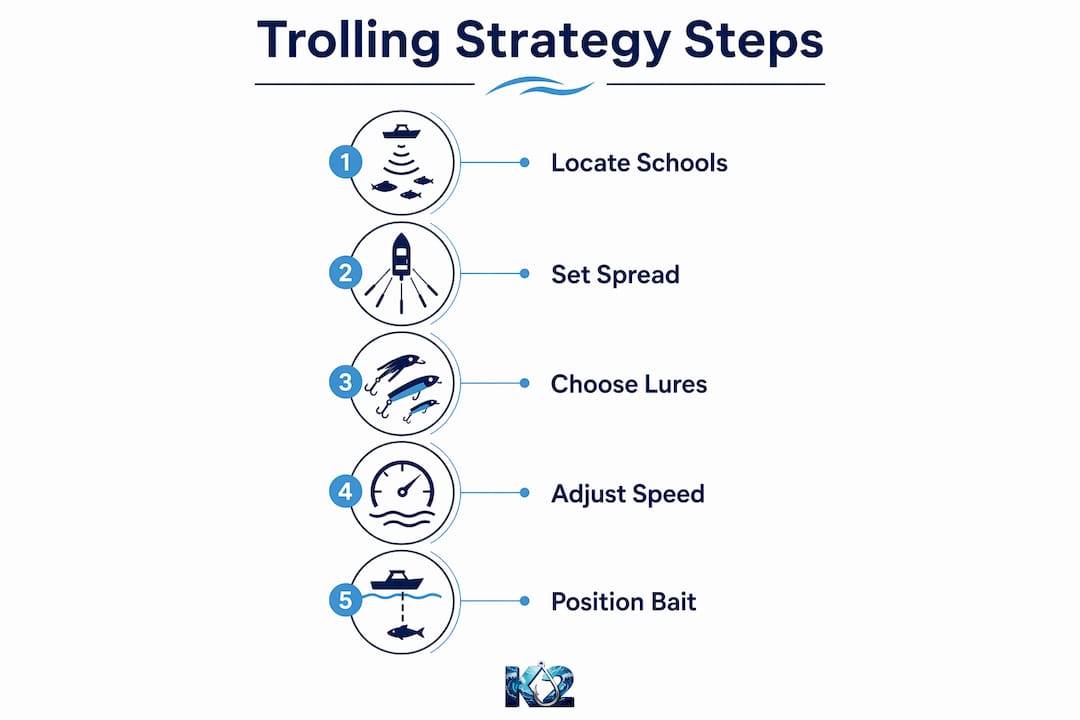
Here is a practical speed and positioning sequence for offshore trolling:
- Set your base speed for the bait type you are running. Live bait at 3 knots, dead bait at 5 knots, lures at 7–9 knots.
- Position hook-baits as stragglers. Run them on the short corner or long rigger, offset from the main teaser spread.
- Use stinger rigs for king mackerel and wahoo. These species strike the tail of the bait. A stinger hook positioned at the rear of the bait converts those short strikes into hookups.
- Change direction deliberately. Baits on the outer turn speed up and rise; baits on the inner turn slow and sink. That speed variation mimics a fleeing baitfish and regularly triggers strikes from following predators.
- Check lure action at the boat before setting the spread. A lure that tracks straight and swims naturally at your target speed will outperform one that spins or skips.
Pro Tip: Make a wide S-turn every 10–15 minutes if you have not had a strike. The speed change on each side of the spread often triggers a reaction bite from fish that have been following without committing.
For more on how current affects lure placement and school positioning, that is a variable worth factoring into every offshore run.
Where and when to find baitfish schools for effective trolling
Finding baitfish locations is the first job of any offshore trip. The fish finder and your eyes are equally useful tools here.
- Bird activity first. Bird activity is the most reliable real-time indicator for active baitfish and feeding predators. Gannets diving vertically mean fish are being pushed to the surface from below. Work that area immediately. Schools disperse fast once the feeding frenzy breaks.
- Sonar marks. A dense, suspended cloud on your depth finder is a bait school. Mark the depth and troll through the edges, not the center. Predators sit on the perimeter.
- Temperature breaks and current edges. Baitfish concentrate along temperature changes and current lines where nutrient upwelling brings food. These zones are consistent producers across seasons.
- Color changes in the water. A visible line where green water meets blue water holds bait. Troll parallel to that edge and cover both sides.
Timing matters as much as location. Bait schools are most active and concentrated at dawn and dusk when light levels trigger feeding behavior. Most fish schools lose structure after dark because vision drives schooling. That is why high-flash lures perform especially well in low-light conditions. They replicate the visual cues that hold a school together even when natural light fades.
Seasonal patterns shift school locations significantly. In the Gulf of Mexico and Atlantic, baitfish like menhaden and ballyhoo concentrate inshore during spring and push offshore as water temperatures rise through summer. Knowing your target species behavior and the bait they follow puts you in the right zone before you even leave the dock.
What common mistakes to avoid when trolling around baitfish schools?
Most missed strikes around bait schools come from four fixable errors:
- Bait spinning. Offset hook alignment causes bait spinning at slow trolling speeds. A spinning bait looks nothing like a real fish. Use inline hooks and small sinkers to keep the bait tracking straight. Test every rig at the boat before setting it back.
- Ignoring speed changes during turns. Anglers who troll in straight lines miss the most productive presentation window. Changing direction simulates natural fleeing action and provokes strikes from following fish. Build turns into your trolling pattern deliberately.
- Burying the hook-bait in the teaser cluster. A predator targeting the school cannot isolate a lure surrounded by teasers. The hook-bait must sit outside the cluster as a visible straggler. This is the single most common positioning mistake in recreational trolling spreads.
- Missing the dispersal window. Bait schools break apart quickly once predators push through them. The highest strike rate occurs in the first few minutes of a feeding event. When you see birds working or surface activity, get your spread into position fast.
Pro Tip: Always test your bait presentation at the side of the boat before setting it back. If it spins, fix it before it goes in the water. A spinning bait will not catch fish regardless of how good your spread looks.
Key Takeaways
Baitfish school behavior directly determines where predators feed, making school location and lure presentation the two most critical variables in any offshore trolling spread.
| Point | Details |
|---|---|
| Schools attract predators | Baitfish schools concentrate prey, drawing marlin, tuna, and wahoo into predictable feeding zones. |
| Straggler positioning wins | Hook-baits placed outside the teaser cluster trigger more strikes by mimicking isolated prey. |
| Speed controls presentation | Match trolling speed to bait type: 2–4 knots live, 4–6 knots dead, 8–12 knots high-speed rigs. |
| Birds signal active schools | Diving gannets and terns are the fastest real-time indicator of baitfish and feeding predators. |
| Flash drives strikes | High-contrast, high-flash lures exploit the visual mechanisms predators use to target baitfish. |
What I have learned fishing baitfish schools offshore
The biggest shift in my trolling results came when I stopped treating bait schools as a bonus and started treating them as the primary target. You do not troll and hope to find fish. You find the bait first, then set your spread around it.
Bird activity changed how I read the water completely. A single gannet circling low is worth investigating. A dozen gannets diving vertically means you drop everything and get your spread in position. The window is short. Schools break apart in minutes once the feeding starts, and the strike rate drops just as fast.
The other lesson took longer to learn: lure size and color need to match the local bait. When the water holds small glass minnows, a 15-inch lure draws curiosity but not commitment. Downsizing to a 7.5-inch lure in a color that matches the local bait profile produced more strikes than any other single adjustment I have made. Experimenting with abalone resin lures from K2fishing gave me a flash profile I could not replicate with standard painted heads. The iridescent shift in different light conditions is genuinely different from anything else I have run.
Patience is the part nobody talks about enough. Timing your spread to the dispersal of a baitball, rather than trolling through the middle of one, is the difference between a good day and a great one. Let the predators push the school. Then put your straggler right where the action is.
— Daniel
K2fishing lures built for baitfish school trolling
Replicating the flash and movement of a real bait school starts with the right lure. K2fishing builds each offshore trolling lure by hand in the USA using abalone resin, a material that produces the shifting, iridescent brightness that predators key in on when hunting baitfish. The result is a lure that performs in full sun, overcast conditions, and low-light early mornings alike.
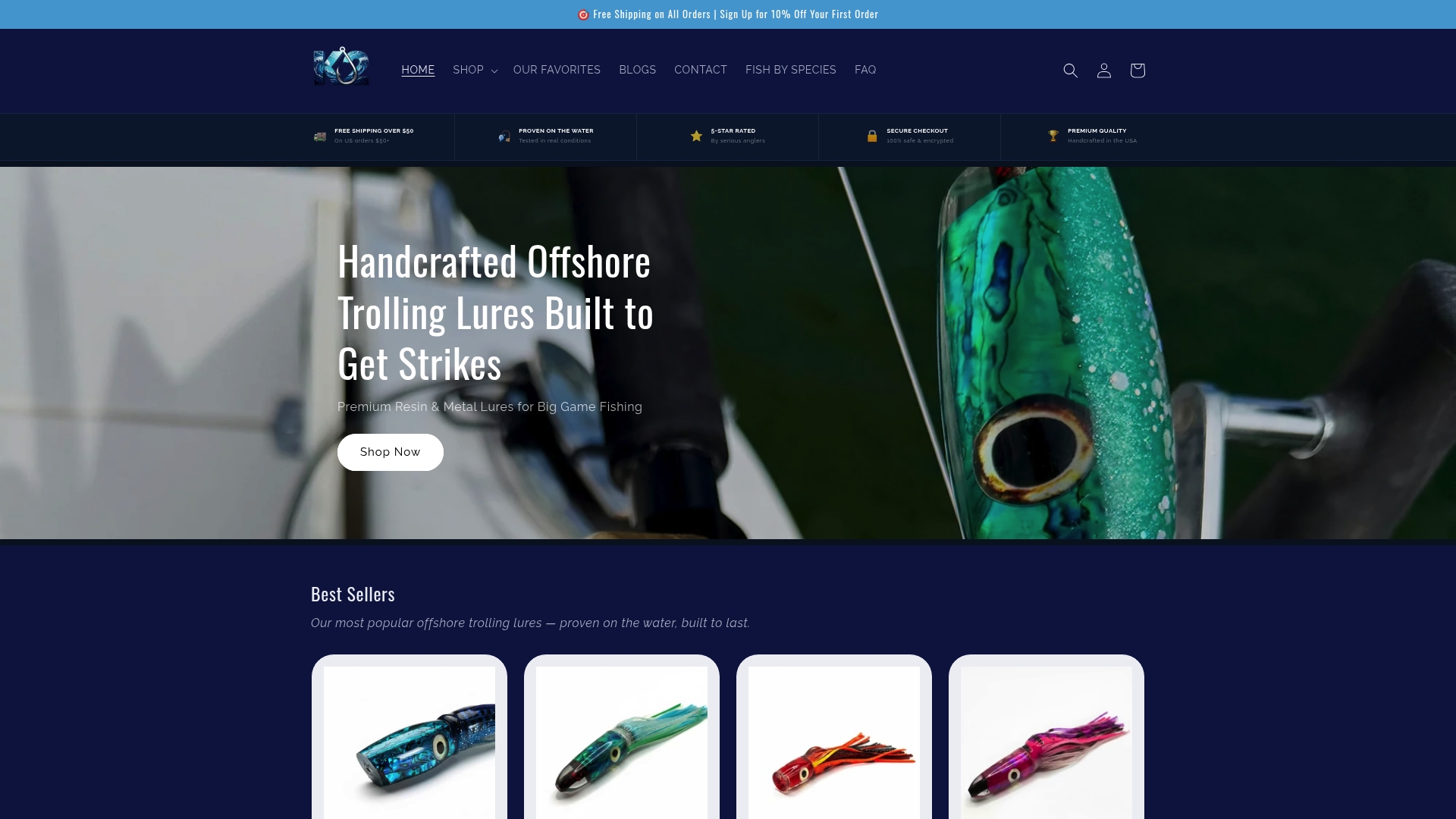
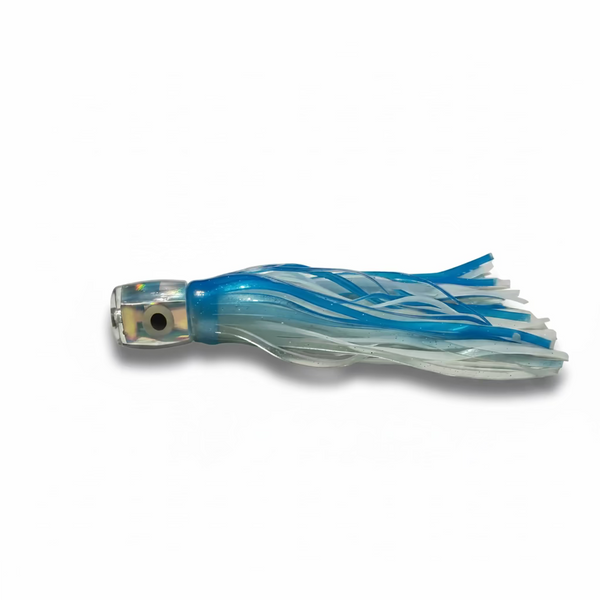
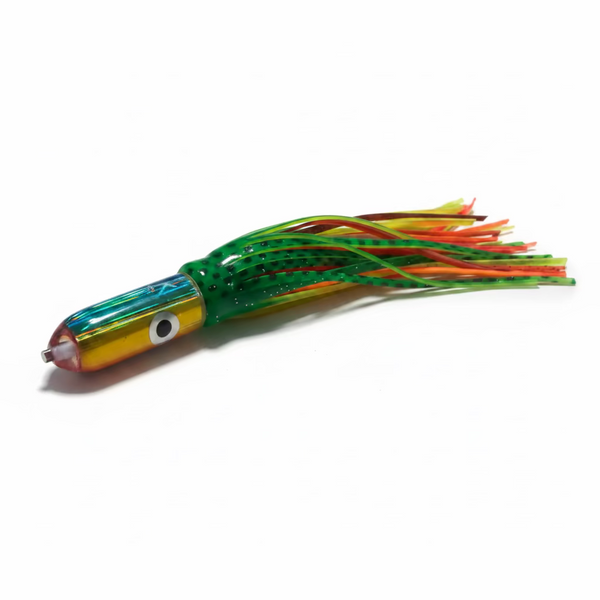
K2fishing’s 7.5-inch and 15-inch lure sizes cover the full range of baitfish profiles you will encounter offshore, from small ballyhoo to large menhaden. Each lure is designed to run as a straggler in your spread, positioned outside the teaser cluster where predators strike. For detailed guidance on matching lure size and color to your target species, the offshore lure FAQ covers the most common questions from serious offshore anglers. You can also browse the full offshore trolling lure collection to find the right profile for your next run.
FAQ
What is the role of baitfish schools in trolling strategy?
Baitfish schools attract predatory fish by concentrating prey in one area, creating predictable feeding zones. Trolling spreads that mimic school formation and isolate a straggler lure trigger the same predator response that occurs in nature.
How do I find baitfish schools when offshore?
Diving birds like gannets are the fastest real-time indicator of active bait schools and feeding predators. Sonar marks showing dense suspended clouds between 20 and 80 feet also confirm school presence.
What trolling speed works best around baitfish schools?
Live bait trolls at 2–4 knots, dead bait at 4–6 knots, and high-speed wahoo rigs at 8–12 knots. Matching speed to bait type keeps the presentation natural and triggers more strikes.
Why does lure positioning matter when trolling baitfish schools?
Predators target isolated fish at the edge of a school, not fish buried in the center. Placing your hook-bait outside the teaser cluster as a visible straggler directly replicates the prey position that triggers a strike.
What lure features work best for simulating baitfish near schools?
High-flash, high-contrast lures exploit the visual mechanisms predators use to track baitfish. Abalone resin lures perform across varying light conditions because their iridescent surface shifts color the same way a real baitfish’s scales do.