The Fine Line Between a Good Day and a Great One
Miles from shore, the world shrinks to the hum of the engines and the deep blue horizon. It is a place of immense possibility, where every minute holds the promise of a strike from a marlin, tuna, or wahoo. For the dedicated angler, this anticipation is a familiar feeling. It is the reason we spend hours preparing our gear and studying the water. Yet, consistent success out here is rarely a matter of luck. It is a discipline built on precision.
The difference between a frustrating day of trolling and a memorable one often comes down to small, overlooked details. These are the subtle errors in technique that can go unnoticed but have a significant impact on your results. This guide is for the serious angler looking to refine their process and turn near misses into landed fish. It is about mastering the fundamentals that separate good fishermen from great ones.
Mistake 1: Blindly Deploying Your Lures
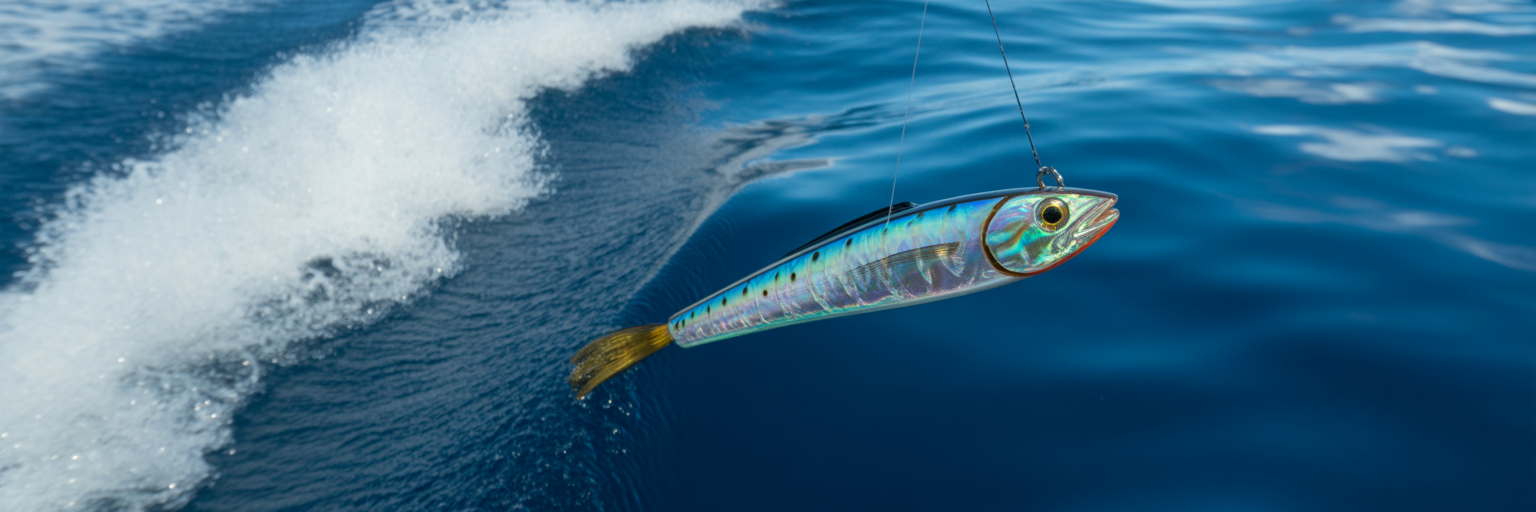
One of the most common offshore trolling mistakes happens within seconds of a lure hitting the water. An angler, eager to get the spread set, sends a lure straight back without confirming its action. Even the most perfectly designed lure can foul if it catches the leader or a stray piece of grass on deployment. The result is a lure that spins chaotically instead of swimming, sending a clear warning signal to any nearby game fish.
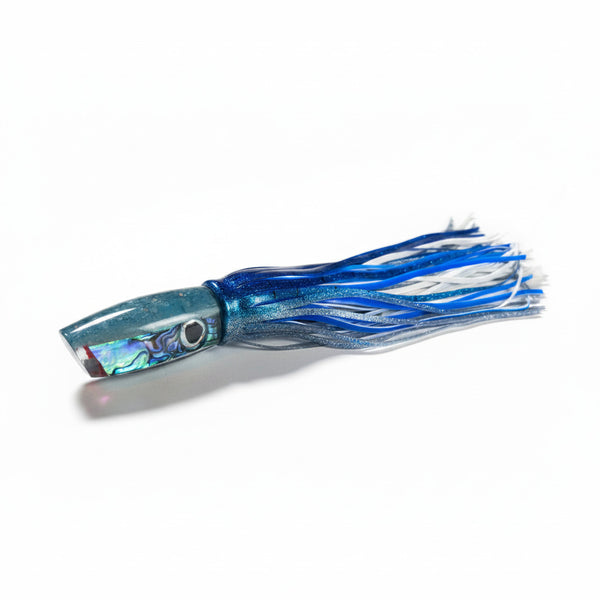
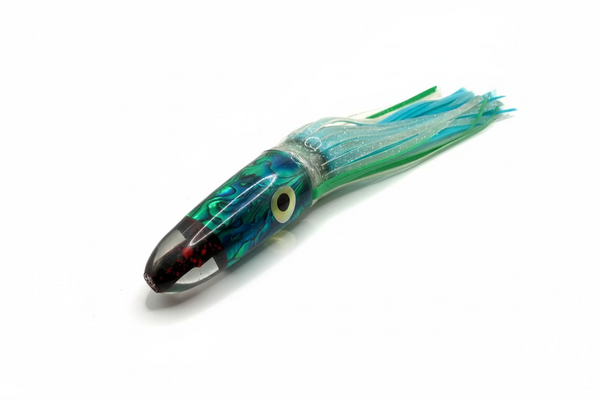
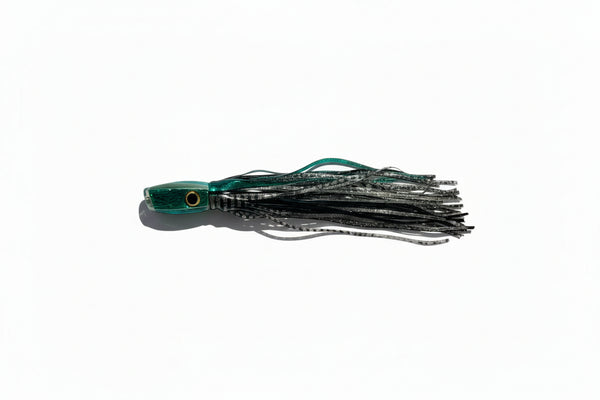
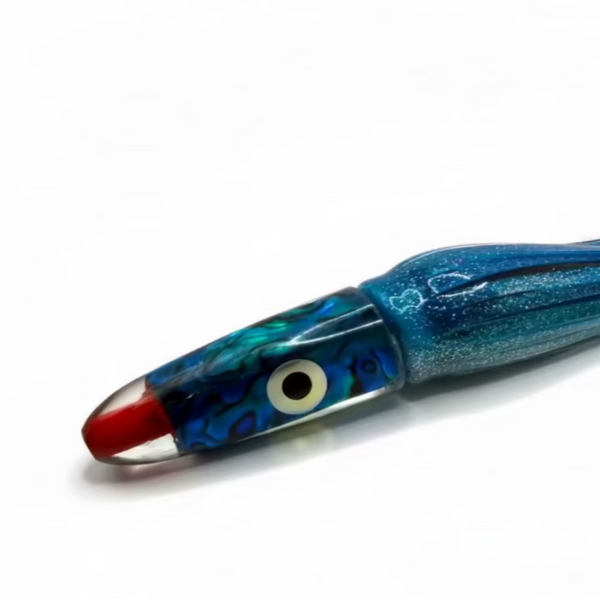
The solution is simple yet critical: the swim test. Before letting out the line, run the lure just 10 to 15 feet behind the boat in clear water. You need to see its intended action with your own eyes. A properly swimming lure will have a stable, rhythmic motion. A fouled one will tumble or spin erratically. This quick check ensures your presentation is natural and enticing. A handcrafted lure like one of our K2Fishing Blue Large Resin Abalone lures has a specific, tested action that must be seen to be effective. Failing to verify its performance at the outset undermines your entire trolling lure setup.
Mistake 2: Relying Only on GPS for Speed
Modern electronics are powerful tools, but an over-reliance on GPS for trolling speed can be misleading. Your GPS shows speed-over-ground, but fish respond to how a lure moves through the water. A strong following current can make your lures appear dead and lifeless, even if your screen reads a perfect 7 knots. Trolling into that same current can cause them to swim too aggressively or even blow out of the water.
The real indicator of correct speed is the lure itself. This is one of the most essential big game fishing tips. Learn to read the action of your lures. A perfectly performing lure leaves a consistent bubble trail and surfaces for air at regular intervals, a motion often called "breathing." Its swimming pattern should be steady and predictable. As noted by seasoned captains in publications like BDOutdoors, the lures themselves are the best speedometers you have on the boat. Adjust your throttle based on what you see in the water, not just the number on the display. This intuitive skill is what allows you to adapt to changing conditions and keep your spread looking alive.
Mistake 3: Running a Crowded or Tangled Spread
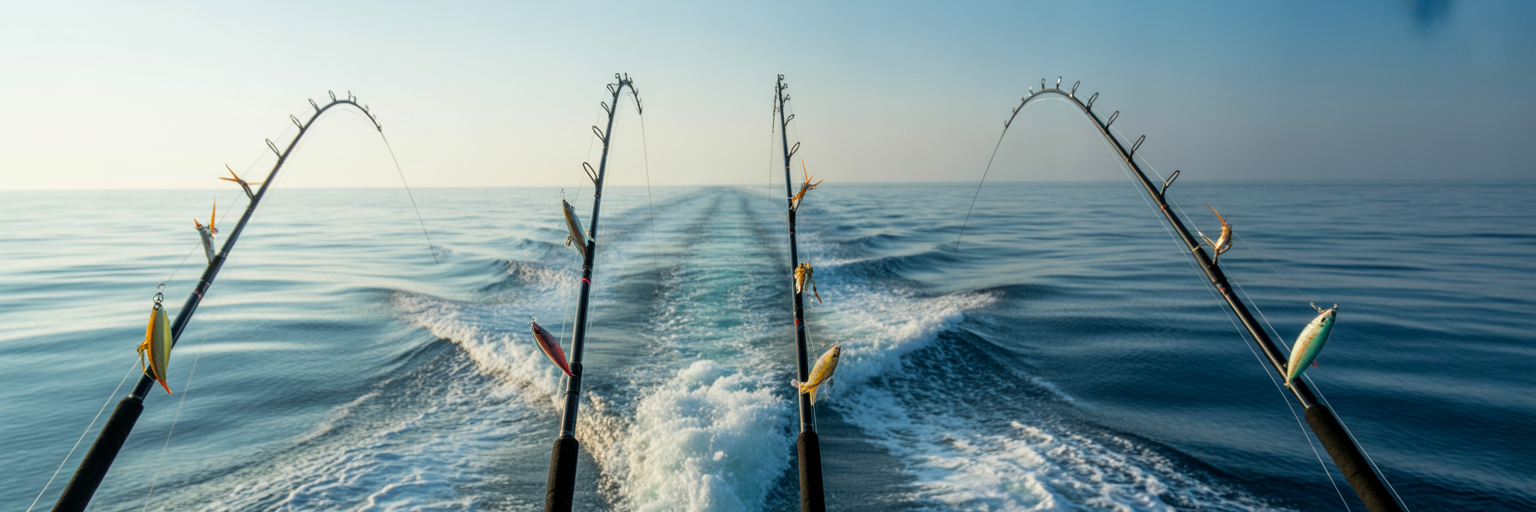
There is a temptation to believe that more lures in the water mean more chances to get bit. In reality, a crowded spread often leads to chaos. Too many lines increase the risk of tangles, especially during turns, and create a nightmare scenario when a big fish strikes and you need to clear gear quickly. A clean, well-managed trolling lure setup will always out-fish a disorganized one.
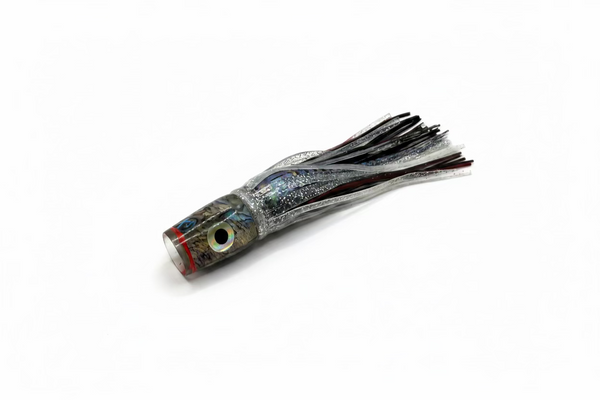
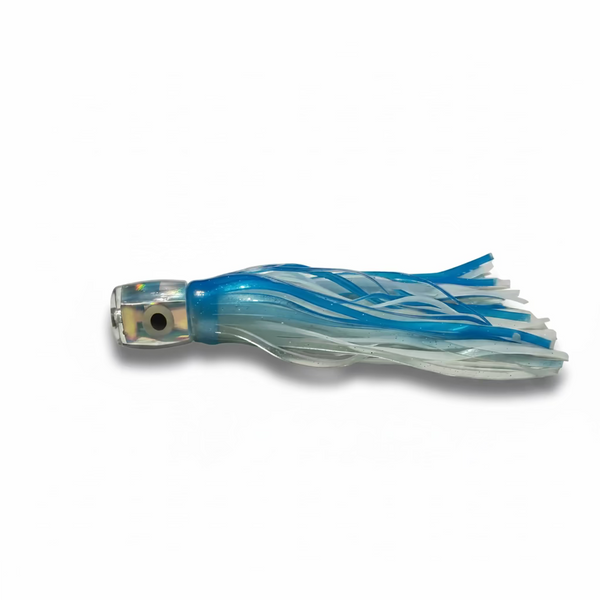
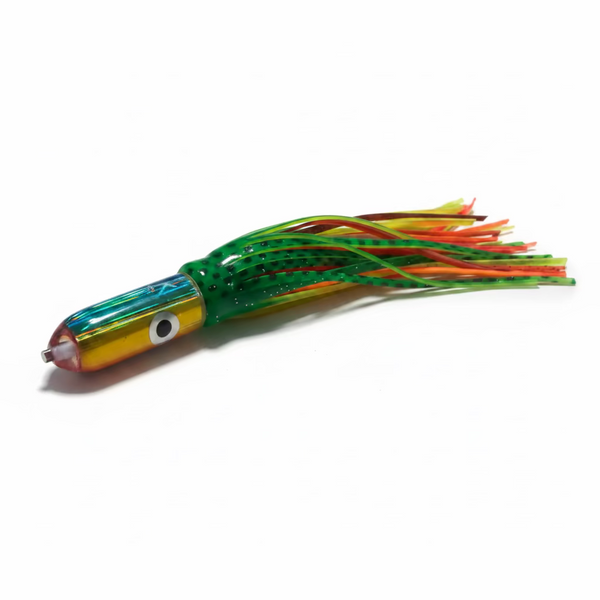
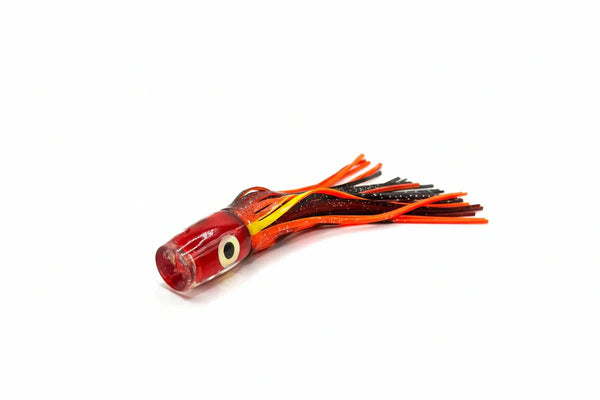
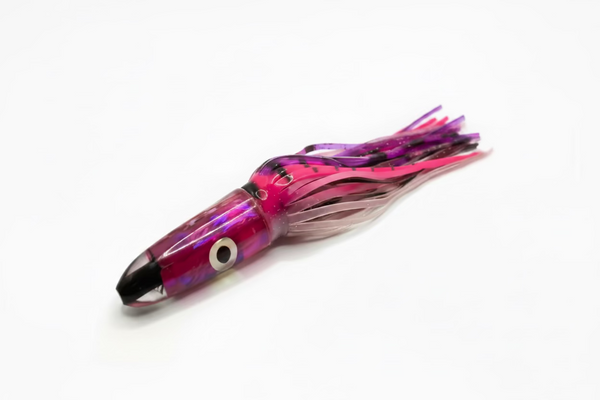
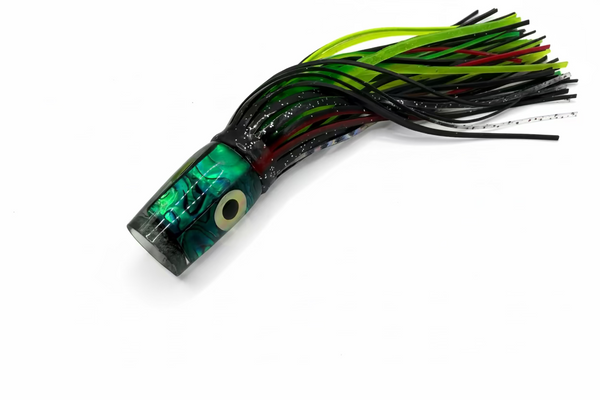
For most crews, a simple, staggered three or four-line spread is far more effective. This approach allows each lure to run in clean water, maximizing its action and visibility. When you need to turn, make wide, sweeping arcs and have a crew member retrieve the inside lines slightly. This prevents the outside lines from overrunning the inside ones and creating a tangled mess. Choosing the right lures from a collection of our large resin lures can help create distinct actions at different positions, making your simple spread dynamic and effective.
| Position | Simple 3-Lure Spread | Complex 6-Lure Spread | Management Note |
|---|---|---|---|
| Short Corner | Heavy Tackle Lure (1st wake) | Heavy Tackle Lure (1st wake) | Easiest position to watch. |
| Long Corner | Medium Lure (2nd wake) | Medium Lure (2nd wake) | Prone to tangling with rigger in turns. |
| Short Rigger | N/A | Lighter Lure (3rd wake) | Adds complexity and another line to clear. |
| Long Rigger | Lighter Lure (4th wake) | Lighter Lure (4th wake) | Covers more water but requires careful turns. |
| Center Rigger | N/A | Small 'Stinger' Lure (5th wake) | Often the first to tangle. |
| Shotgun | N/A | Bullet Lure (Way back) | Difficult to monitor and clear quickly. |
This table illustrates how a simple spread reduces points of failure and is easier to manage, especially for smaller crews, leading to a higher quality presentation and fewer offshore trolling mistakes.
Mistake 4: Forgetting Regular Lure Maintenance
Once the spread is set, it is easy to fall into a "set it and forget it" mindset. This is a critical error. Even after a successful swim test, a lure’s action can be ruined at any moment. A single strand of seaweed, a jellyfish tentacle, or other floating debris can foul a hook and render your presentation useless to a predator. A fouled lure is an invisible lure.
Professional crews adhere to a strict rule: check every lure in the spread every 15 to 20 minutes. This discipline is a non-negotiable part of professional fishing gear maintenance and is key to improve trolling success rate. This regular check involves more than a quick glance.
- Reel in each lure to visually inspect the lure body and hook for any debris.
- Run your fingers along the leader to check for scuffs or nicks, especially after passing through weed lines.
- Confirm the hook point is sharp and the swivel is rotating freely.
Mistake 5: Botching the Post-Hookup Response
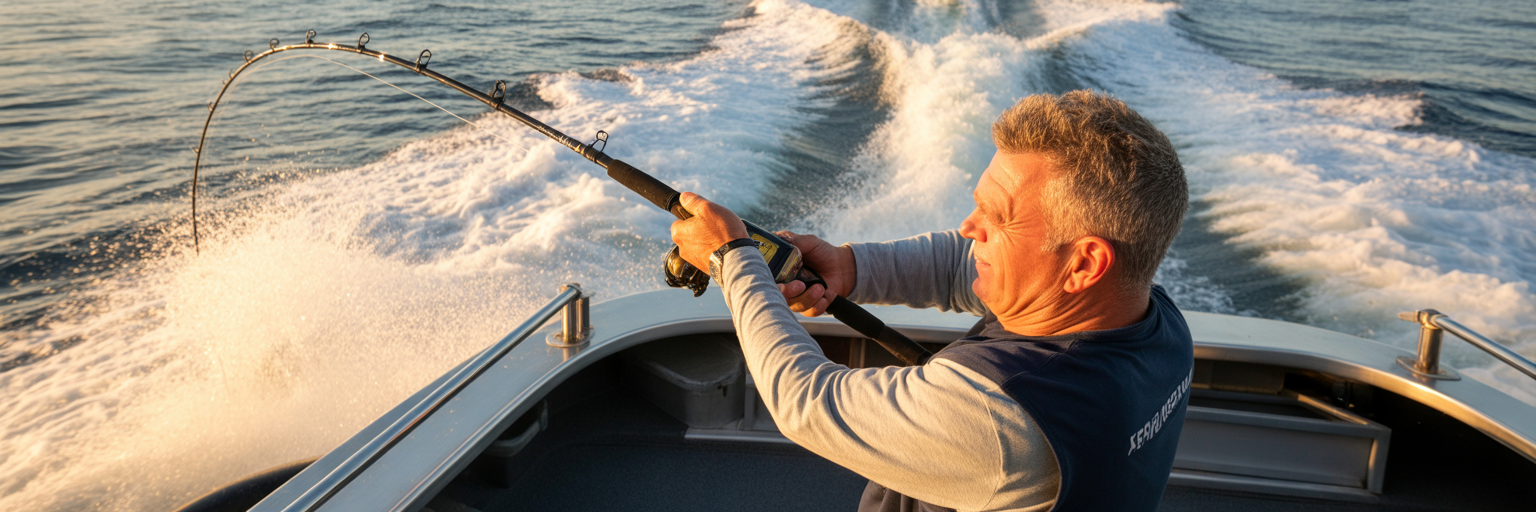
The explosive strike of a big fish triggers an adrenaline rush, and instinct often tells the captain to pull the boat into neutral. This is one of the most costly reactions in offshore fishing. Immediately stopping the boat introduces slack in the line. That momentary loss of tension is all a powerful, thrashing fish needs to throw the hook. We have all felt that heart-sinking feeling when the line suddenly goes light.
The correct procedure is one of the most impactful big game fishing tips you can learn, especially when learning how to troll for marlin. After the hookup, maintain steady forward momentum for at least 15 to 30 seconds. This motion keeps the line tight and uses the boat's own power to drive the hook home for a secure set. There is also a significant secondary benefit. By keeping the boat in gear, you keep the other lures in your spread swimming properly. This often triggers follow-up strikes from other fish in the school, turning a single hookup into a double or even a triple. It is a technique that requires discipline in a high-pressure moment, but it pays off.
Turning Knowledge into Consistent Success
Success in offshore trolling is not about a secret spot or a magic lure. It is the sum of many small things done correctly, over and over again. By avoiding these common offshore trolling mistakes, you shift the odds dramatically in your favor and build the consistency that defines a skilled angler. The fundamentals are what truly matter.
To recap, the key disciplines are:
- Always swim-test your lures before setting them.
- Read your lures' action to set the correct trolling speed.
- Keep your spread clean and organized.
- Check every line for debris and damage every 15-20 minutes.
- Keep the boat in gear after a hookup to ensure a solid set.